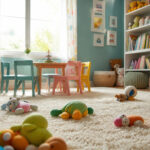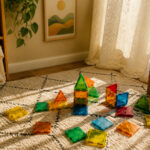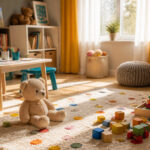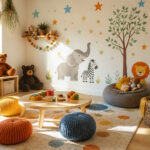
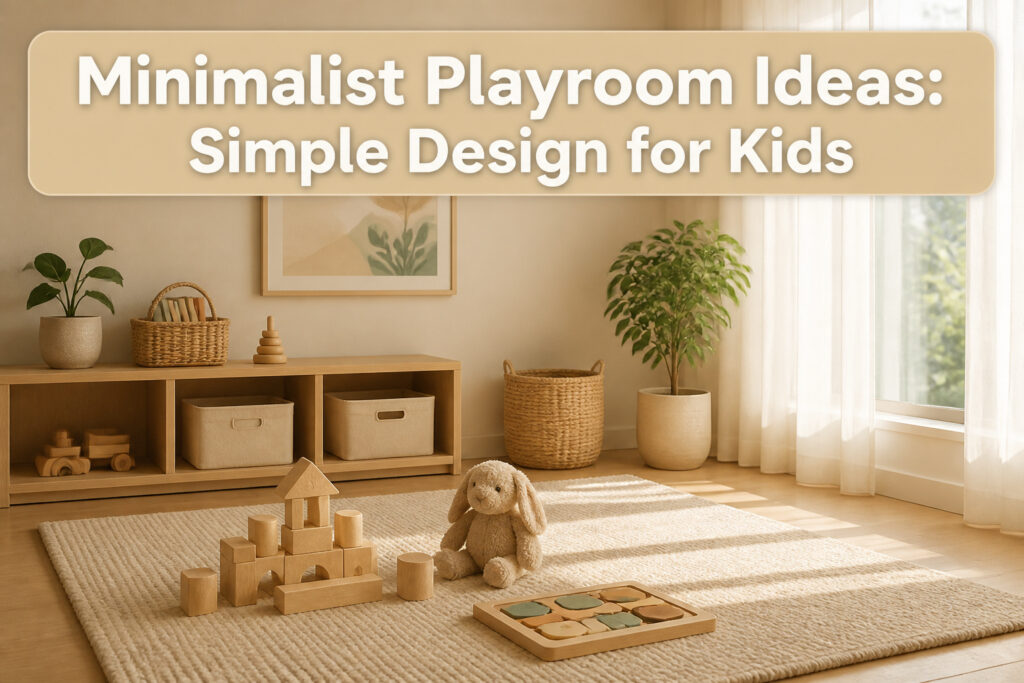
A minimalist playroom is a space designed for children that keeps only eight to ten toys and activities available at once, with the rest stored out of sight.
The catch is that most American families own seventy to two hundred toys, and getting there without a meltdown means running a two-month experiment where nothing leaves the house until the child gives permission.
We have seen that approach work in our own store: kids forget half the boxed toys exist, and the ones that stay out get played with more creatively and for longer stretches.
[link-whisper-related-posts]Toys
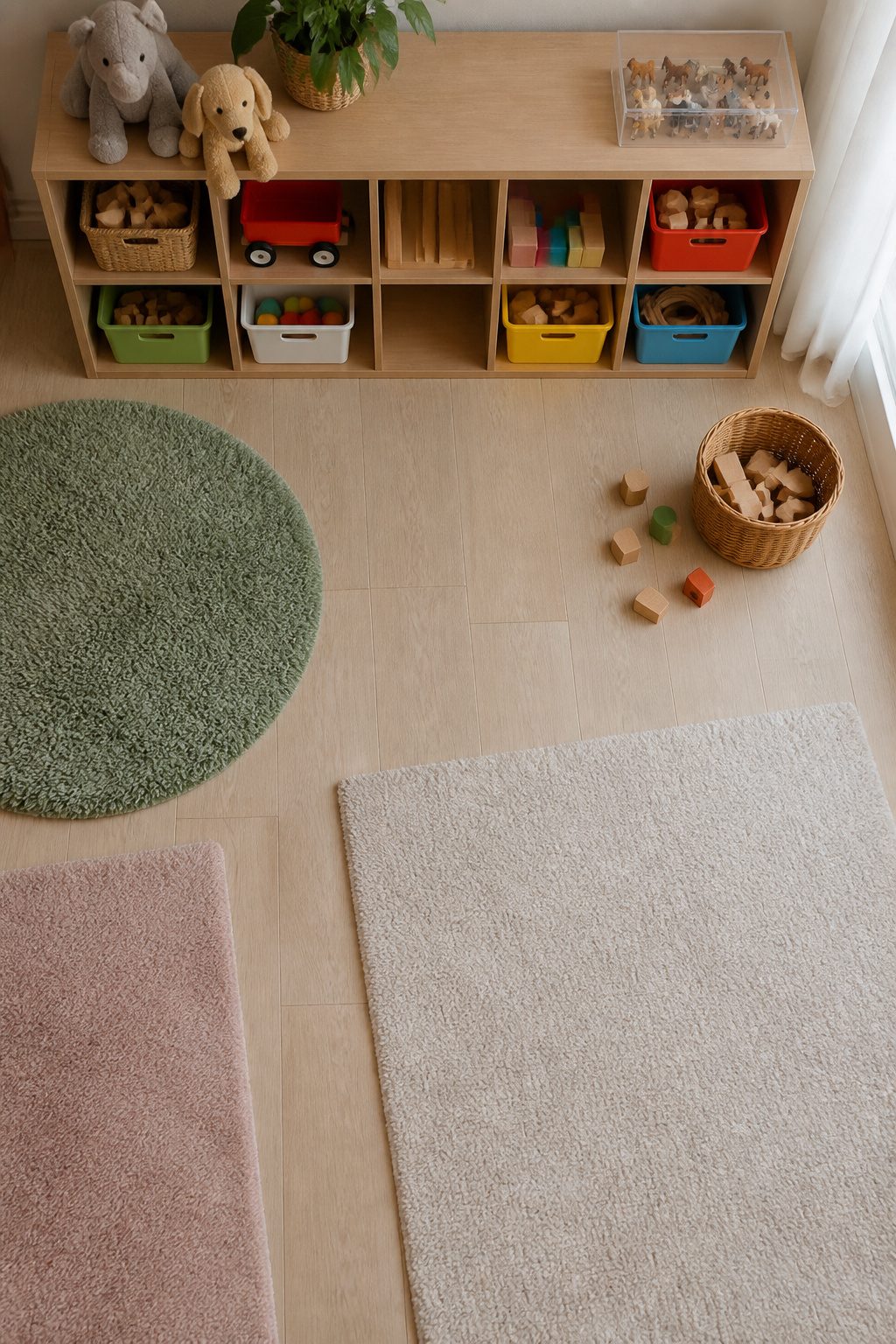
The average American child owns somewhere between 70 and 200 toys, yet only about 12 see real use on any given day. That gap is where a minimalist playroom starts to earn its keep.
We have watched this play out in our own store: parents who rotate in eight to ten activities at a time report kids who settle deeper into play and stay there longer.
Researchers found the same pattern. Children in a room with four toys played with each one more creatively and stuck with it longer than when sixteen were scattered around.
The sweet spot for a playroom setup lands at eight to ten activities out at once, enough variety without the paralysis.
Letting go is harder than the math suggests, especially for the kids. We have seen parents try the hard cut, asking a child to pick twenty keepers from the pile, and it works for some.
Others shut down completely. A gentler path is the two-month experiment: box almost everything, leave out a handful, and promise nothing leaves the house until the child gives permission.
Most kids forget half the boxed toys exist. When they do remember, the choice to donate feels like generosity rather than loss.

Montessori Inspired Design: This Toy Organizer Features Double Profile, Following Montessori Principles That Enable Kids To Access And Organize Their Toy Independently, Fostering A Love For Organization And Independence
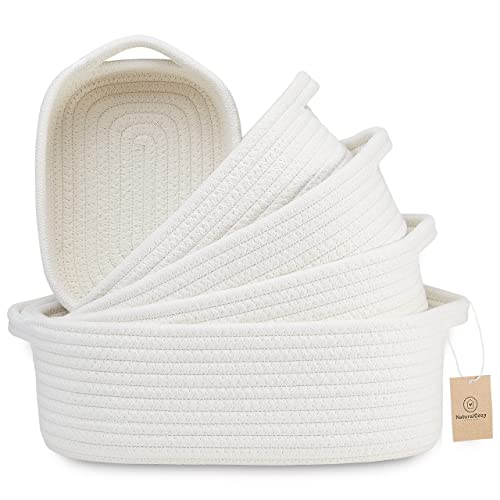
NO MORE FLOPPY, WEIRLY SHAPED BASKETS: “My baskets came flat and now they won’t stand up straight!” If this sounds familiar, you may be a victim of “squashed basket syndrome.” Not on our watch! While competitors send folded baskets that droop and sag, ours are stacked together in their own gift box so they don’t get smushed during shipping. No more sad, floppy cotton rope storage baskets!

DURABLE AND STURDY: Engineered wood frame with steel dowels and stabilizing braces supports up to 20 lbs per tier so you never have to worry about tipping, bending, or daily wear and tear
Storage Solutions
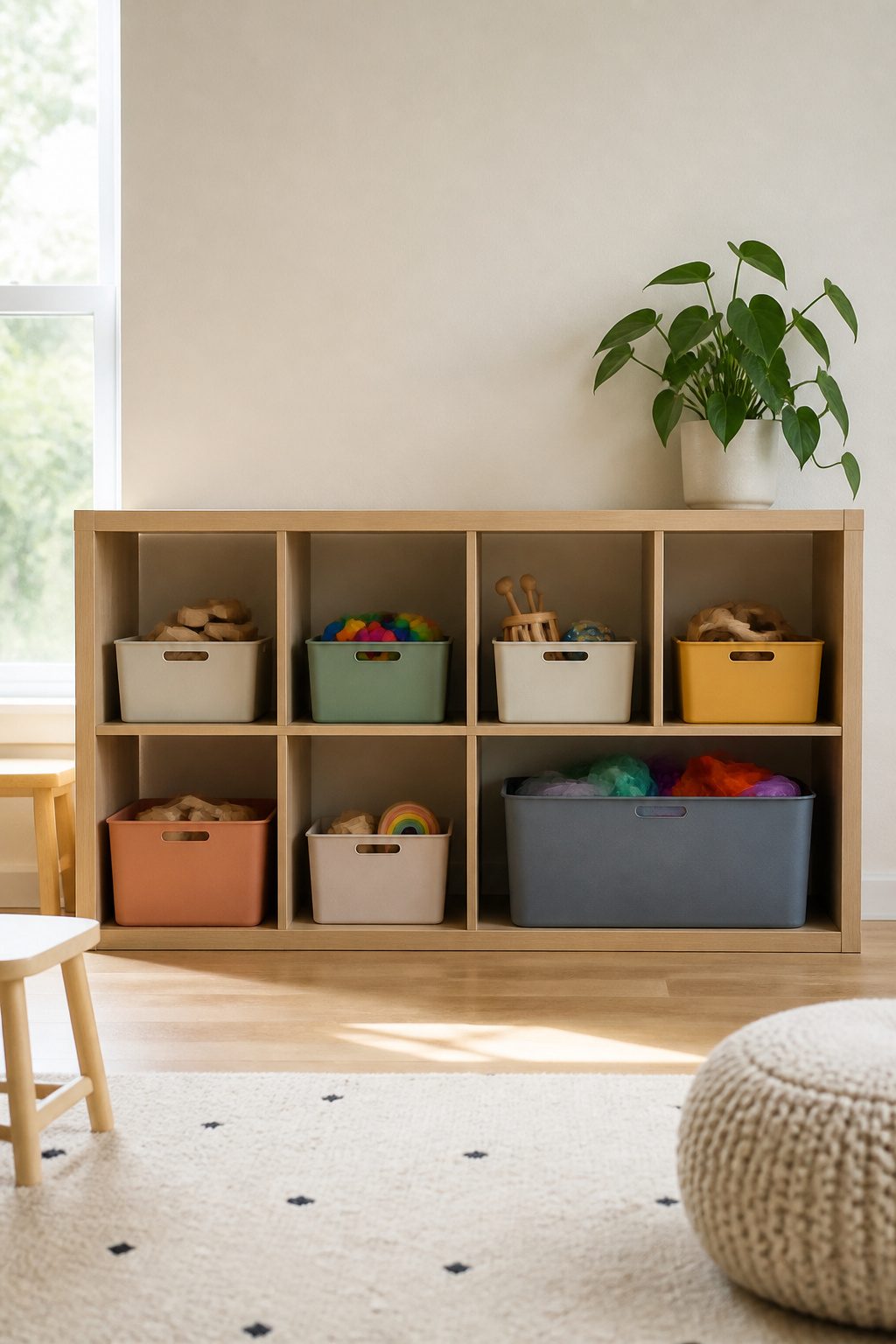
Open shelving keeps toys visible but contained, which is the balance a minimalist playroom actually needs.
We like the Ikea Kallax for this: eight cubbies at a height kids can reach, sturdy enough that it does not need anchoring paranoia every time someone bumps it.
The Montessori approach puts toys on low, open shelves so children can choose and, just as importantly, put things back themselves. We have seen this work when each basket or bin has a clear job.
Blocks in one, music makers in another, Duplo in a smaller plastic container up top where a younger sibling cannot scatter it. The label does not need to be cute; it needs to be obvious.
Baskets on the bottom row handle the bigger categories: dress-up clothes, a personal favorites bin for each kid, shared collections like Calico Critters.
Rotation keeps the system alive. When a basket goes into storage and another comes out, the shelf stays full but the room does not.

WHAT'S INCLUDED: Set includes one table, four chairs and built-in paper roll holder

EVERYDAY KIDS ACTIVITY TABLE: Perfect for drawing, crafts, snacks, homework, and playtime, giving kids a dedicated space they’ll use throughout the day

WHAT’S INCLUDED: 4-Piece Playroom Solution Set by Delta Children includes a Table and 2 Chairs and 6-Bin Toy Organizer
Furniture
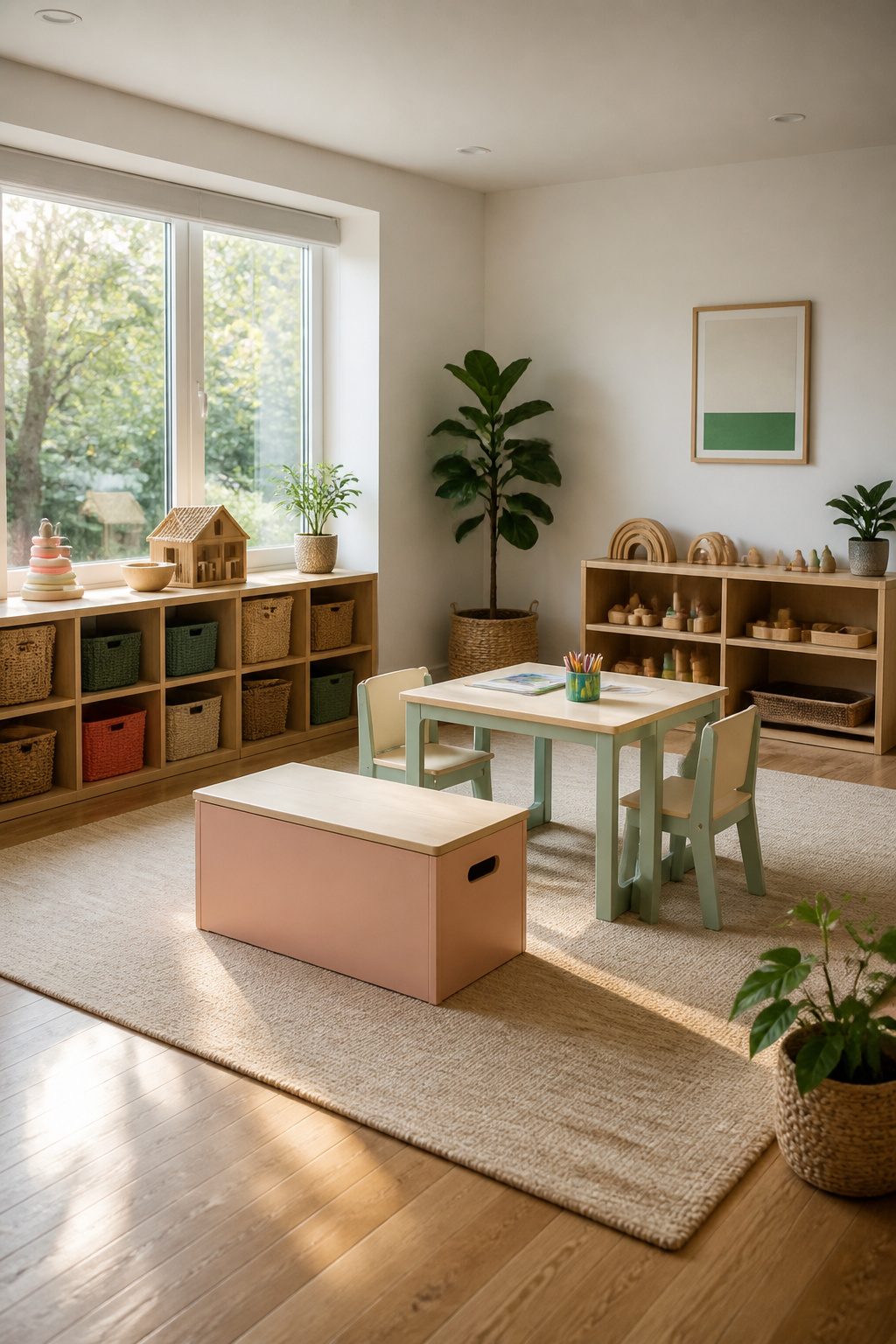
Child-sized furniture changes how a room actually gets used. We have watched kids ignore a full-size table pushed against the wall, then spend an hour at a surface scaled to their knees.
The independence is immediate: they pull out their own chair, reach the top without climbing, and put things away because the shelf sits at eye level instead of overhead.
Multi-functional pieces earn their floor space in a small playroom.
A low bench with a hinged lid stores dress-up clothes and becomes a stage for puppet shows. A play couch shifts from seating to fort to nap spot without a rearrangement.
Open shelving keeps toys visible and reachable, which means cleanup happens without a lecture on where things belong. The routine becomes obvious: this basket for blocks, that shelf for books, nothing hidden in a lid they cannot lift.
We skip anything that serves only one purpose.
A single-use table that cannot hold art supplies and snacks and puzzles will sit empty half the day. The same square footage given to a piece that handles two or three jobs keeps the room workable and the budget intact.

7-CUBE STORAGE: Tight on space but big on everyday clutter? This compact white bookshelf features 7 cube spaces, a narrow rectangular profile, and a closed-back design that keeps books, decor, and daily items neatly framed

BEAUTIFUL AND ORGANIZED - Make your kids playroom space neat and organized with this toy storage organizer with bookshelf and 12 white bins; Shelf Size: 52.3"W x 13.6"D x 31.5"H

Toy & Book Storage Organizer: This 5-section kids shelf includes 3 open shelves for toys, books, puzzles, and art supplies. Customize the layout to hold building block bins, stuffed animals, or even create a cozy reading nook
Art Supplies
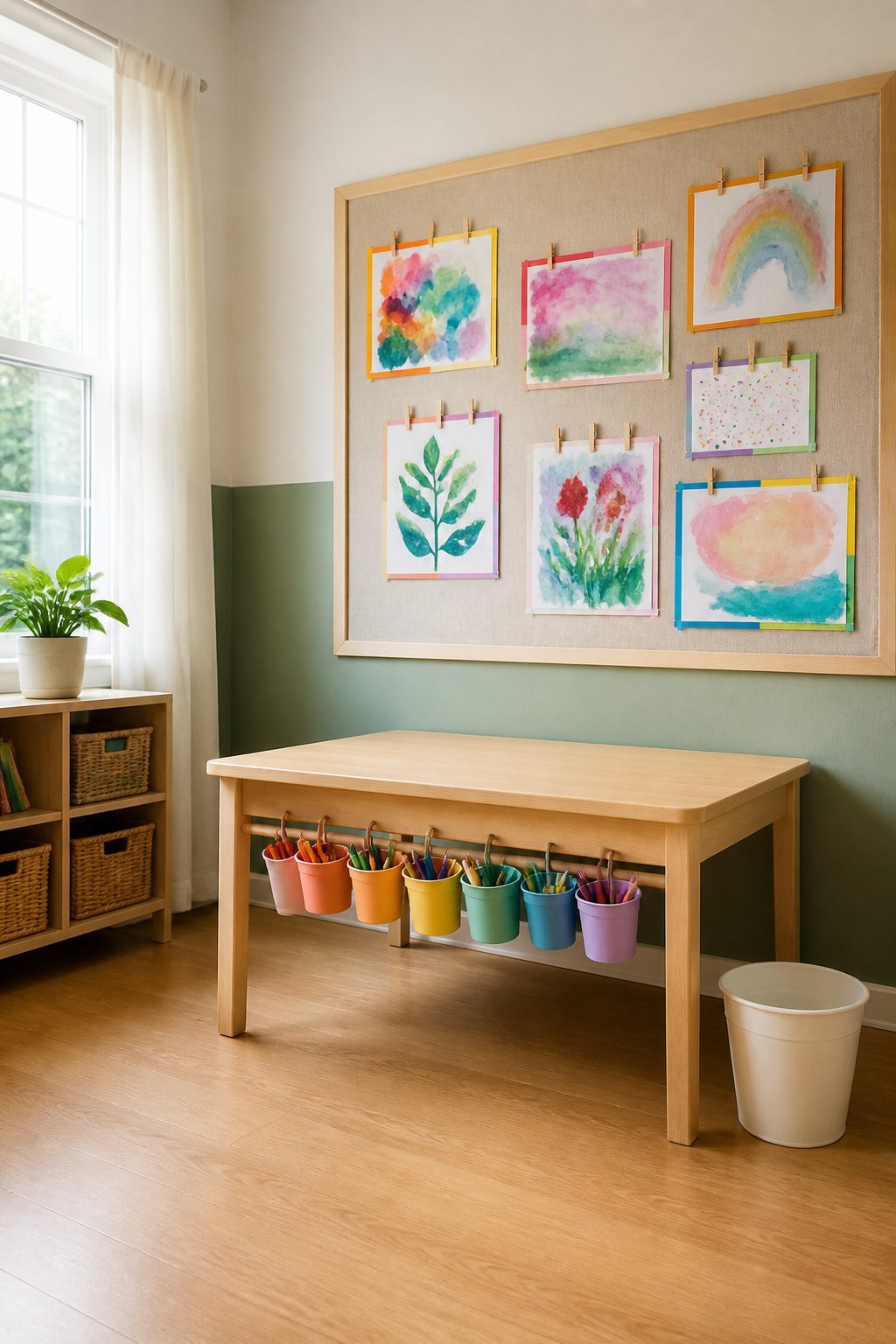
A kid-sized table that sits low enough for a three-year-old to plant both feet on the floor changes who uses the space.
We mounted a row of hanging cups above ours, one per supply, and the change was immediate. Crayons and markers stay visible, so they get picked up; out of sight really does mean out of mind with art supplies.
The bulletin board on the wall behind the table handles the rest.
Finished work clips up there instead of drifting onto every flat surface in the house. We added a small garbage can at the station last year, and the floor stayed cleaner.
Only what fits in those cups and that shelf lives at the table. Markers, glue, scissors, paints and brushes, paper, and coloring books; when something new arrives, something old rotates out.
The constraint sounds like deprivation, but our kids spent more time drawing, not less, once the fifty similar options were gone. Fewer supplies means each one gets known well enough to become a tool instead of clutter.

3 EMPTY SENSORY BINS WITH LIDS: Includes 3 empty storage bins with lids, each measuring 12.8"L x 8.5"W x 3"H. A practical low-profile size for sensory play tools, small toys, blocks, crayons, markers, flashcards, puzzle pieces, craft supplies and classroom materials.
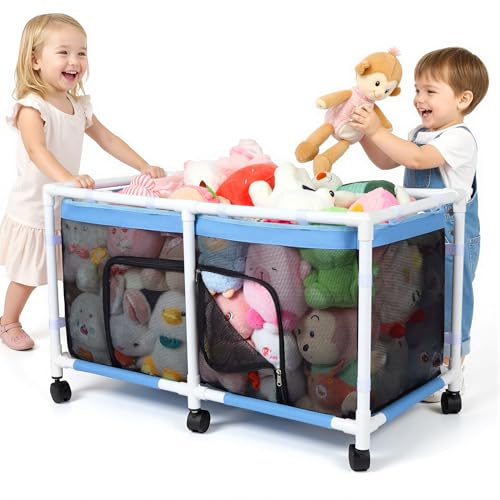
Fun Organization: The low horizontal design with large open top, FIOBEE toy storage box allows children to drop toys in like playing basketball, turning tidying up into a fun game; It can encourages you to develop the habit of organizing on their own while learning to manage their toys through play
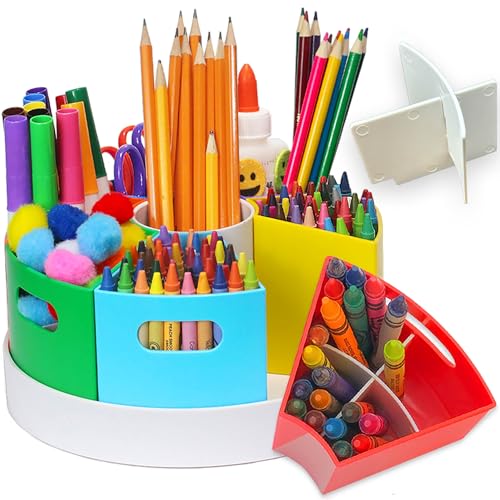
REMOVABLE DIVIDERS – Create smaller compartments to keep short or well-used crayons upright instead of tipping over, while separating markers, pencils, and other art supplies.
Neutral Color Palette
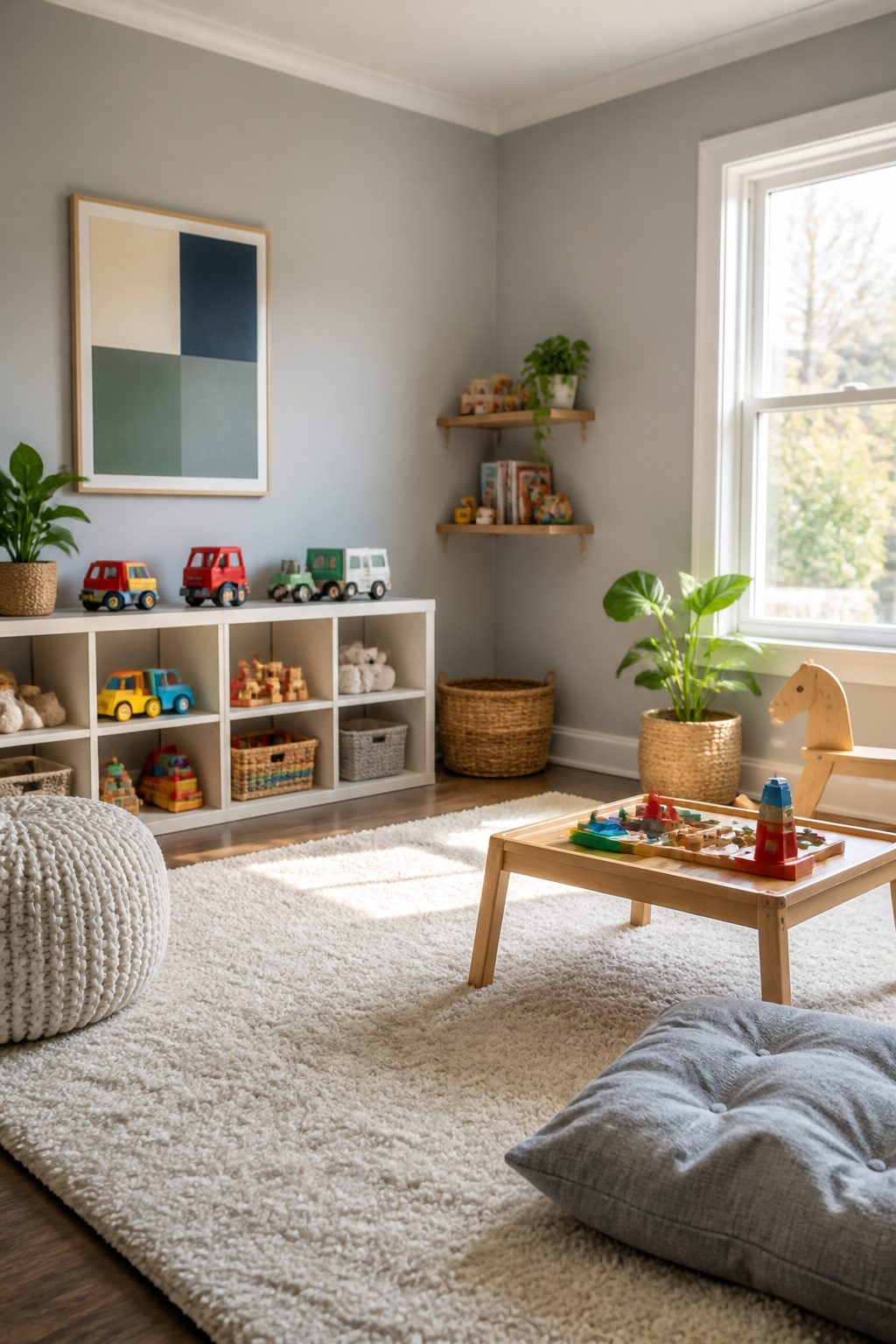
Benjamin Moore Classic Gray is the paint we keep coming back to when a playroom starts feeling like a visual shouting match.
It is warm enough not to read as institutional, gray enough to hide the scuffs that white collects in the first month, and it does the one thing a busy parent actually needs: it quiets the room down even when the floor is a minefield of blocks and dress-up clothes.
A neutral palette works here because the toys bring their own color. Bright plastic, picture-book covers, the red of a wagon, they all pop against a muted wall instead of competing with it.
The eye has somewhere to rest. What we noticed, running this store, is that parents who go bold on the walls end up fighting the room.
The same shelf of stuffed animals reads as clutter against lime green; against Classic Gray it reads as a collection. The difference is not tidiness, it is visual noise.
If you are painting this weekend, one coat of primer and two of the gray will get you there.
The payoff is a room that still feels calm at five o’clock on a Sunday, which is the test no design magazine photographs.

Premium Materials: This storage basket is crafted from premium natural cotton rope, featuring tightly woven construction. The soft, comfortable cotton rope is safe and non-toxic, ensuring both durability and longevity

Durable and Safe: SIXDOVE Soft Woven Storage Basket. Made of high-quality natural cotton rope, these storage baskets are exceptionally durable and can withstand regular use without losing their shape or structure. The rope material used in these baskets is soft to the touch and safe for children, pets, wooden floors

Multifunctional Storage Basket:13"x9.85"x8.7"inch, large capacity, convenient to store more daily necessities.Our baskets are handmade with flexible material, which may result in slight size variations. It is a perfect storage basket for living room, bedroom, bathroom, baby room, utility room, playroom, classroom. Store household items (towels, toiletries, etc.),Office Supplies, fruit, snacks , books, baby diapers or toys. Use for dog toy storage organization to keep your living space tidy
Indoor Play Equipment
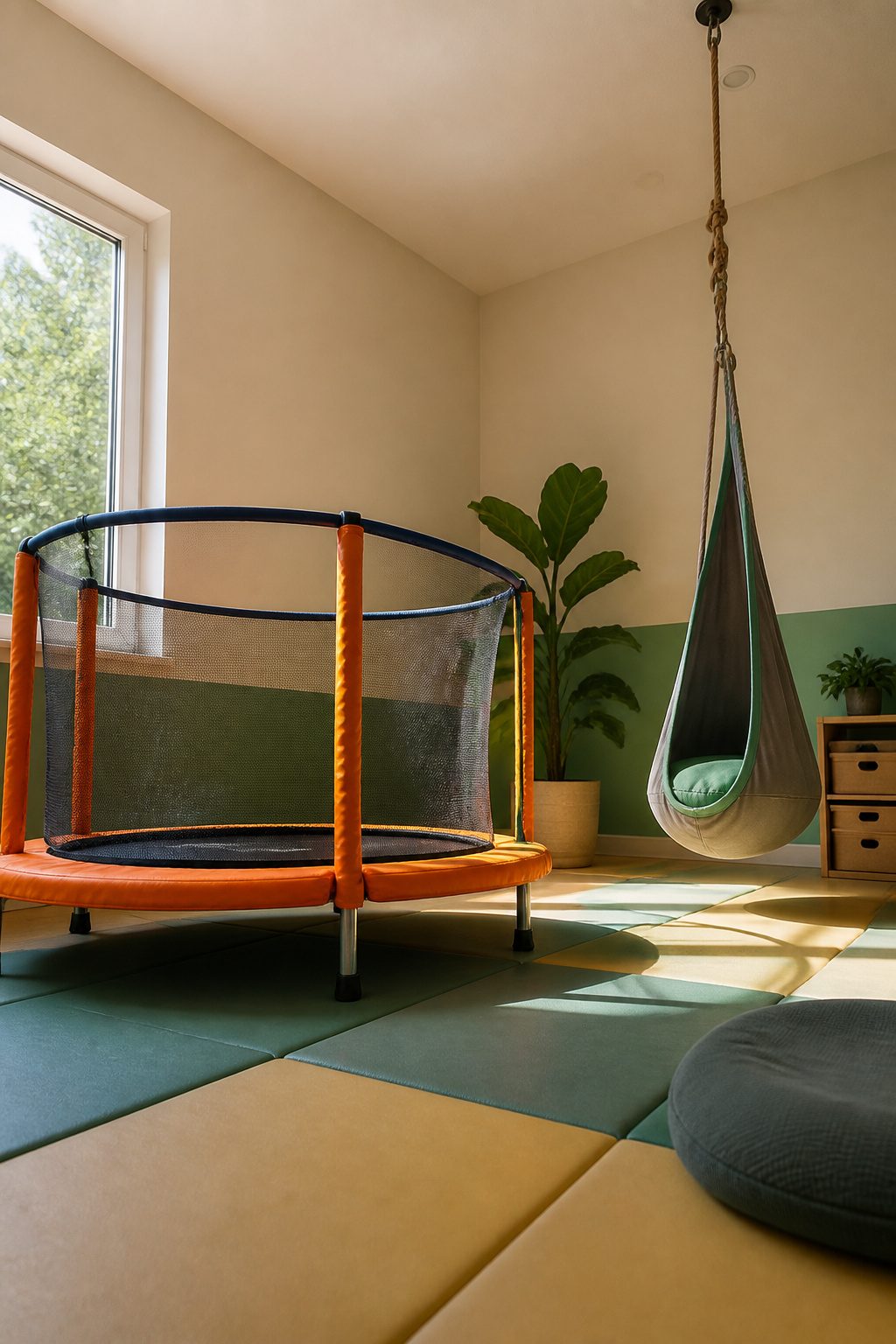
We learned the hard way that a single piece of physical equipment beats a basket of small active toys that scatter under the couch.
A mini trampoline does one job, does it well, and survives the winter without complaint. In a place where the cold keeps kids inside for weeks, ours gets daily use for burning off energy that otherwise turns into chaos.
The same logic holds for a sensory swing.
We moved ours to a central spot in the room after it sat ignored in a doorway for months, and that single change flipped the switch. Now it sees constant use: swinging, spinning, combinations we did not expect.
The one we use holds up to 190 lbs, which means it outlasts the phase where a parent gets talked into pushing. A simple strap nearby lets them power it themselves.
One hammock added as a second swing option rounds out the setup without adding clutter.
Three pieces, all active, none collecting dust. That is the minimalist playroom in motion: fewer things, more actual play.

TIDY-UP KIDS WANT TO JOIN: Bright handwoven rainbow tones make cleanup feel like play. This large round toy basket gathers stuffed animals, books, and toys in a nursery, playroom, or classroom, holding its shape through daily use.

DIMENSIONS: 11.70"L x 7.09"W x 5.85"H. Great size for arts, crafts, and office supplies such as chalk, building blocks, and notepads.

Multiple Functional Zones – One Complete Organization System: Books and blocks all mixed up? This organizer brings order to the chaos. It combines a bookshelf, a plush zone, 9 translucent bins and a sturdy bottom shelf - all in one unit. Unlike basic toy organizers with opaque bins, ours lets kids see exactly what's inside - no dumping, no digging. And we added a bottom shelf, a detail most racks overlook, purpose-built for larger toys. Trucks, block sets, and bulky play sets slide right in, off the floor and neatly displayed. Ideal for classrooms, living rooms, or children's play areas
Decor
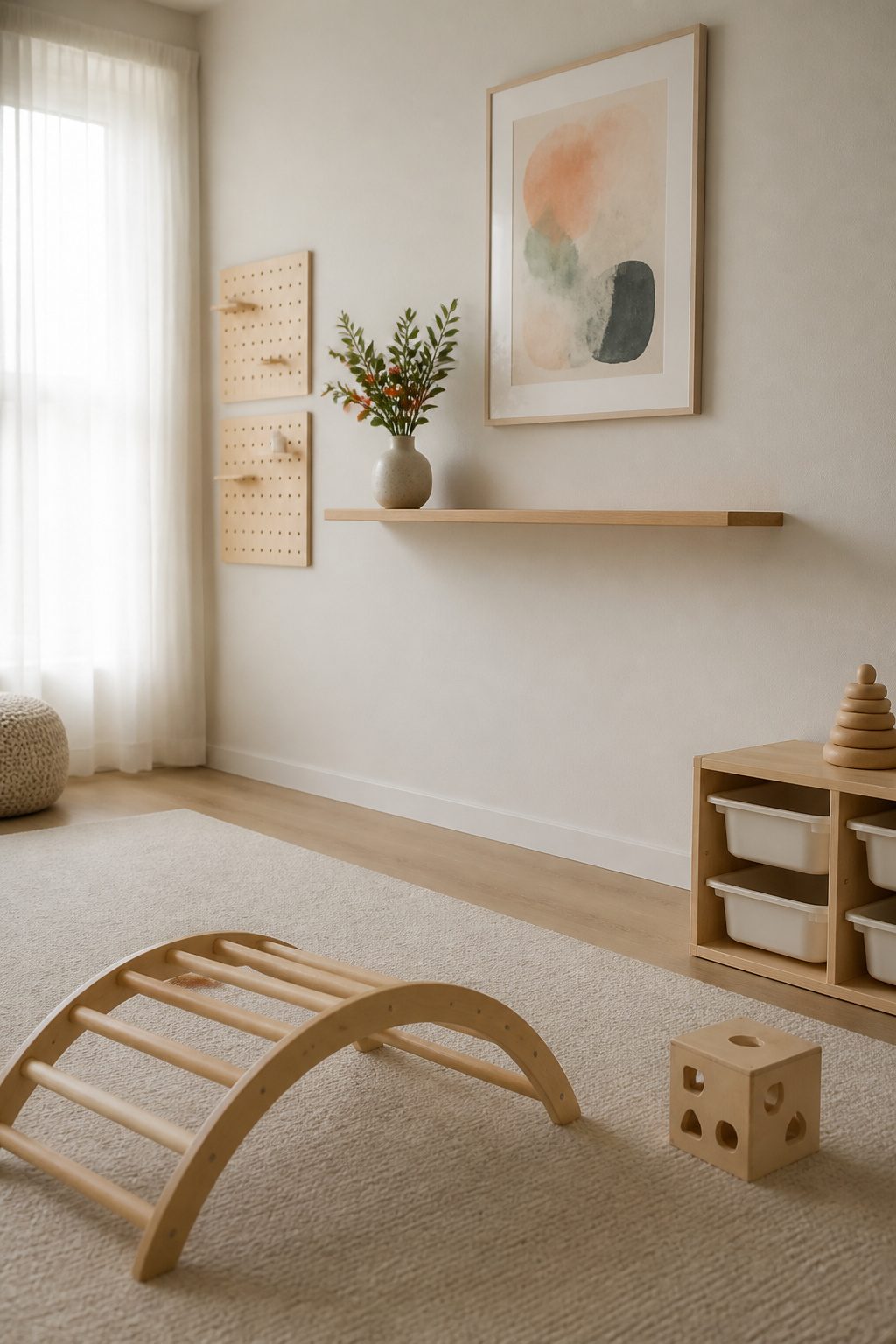
Decor in a minimalist playroom walks a tightrope: enough personality that the room feels like theirs, not a showroom, but quiet enough that it does not become clutter with a nail in it.
We have seen the mistake both ways. A friend hung a full alphabet banner, a growth chart, three name plaques, and framed art in a ten-foot span; the wall fought the toys for attention and the whole room felt busy.
The opposite error is just as real: bare drywall and a lone plant read as forgotten, not intentional.
The fix we like is one personal anchor per wall, maybe two in a larger room.
A single custom name plaque or a framed print the child actually chose beats a gallery. Floating shelves work if they hold a rotating object, a vase, a book, not a permanent collection.
Bulletin boards or pegboards keep daily art and found objects from migrating to every surface; pin up the leaf, the letter practice, swap it when the next thing arrives.
Plants help, real or fake, because they soften the geometry of bins and shelves without adding visual noise.
Rotating the decor matters as much as rotating toys.
A print swapped seasonally, a new pegboard display, keeps the child noticing the room without you buying more. The cost stays low; a few dollars for hardware-store pegboard or a thrifted frame does the job.
The rule we follow: if it does not reflect something the child currently cares about, it comes down. The room stays theirs, and it stays calm.
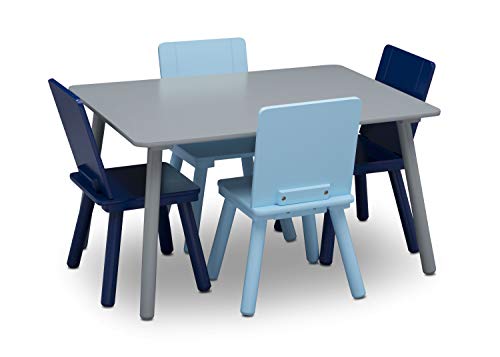
Perfect playroom furniture: Set includes (1) play table and (4) chairs

PERFECT PLAYROOM FURNITURE: Set includes one (1) play table and four (4) chairs | Four animal-shaped chairs featuring a leopard, lion, monkey and bear make this set extra-fun

WHAT’S INCLUDED: 4-Piece Playroom Solution Set by Delta Children includes a Table and 2 Chairs and 6-Bin Toy Organizer
Benefits of Minimalism
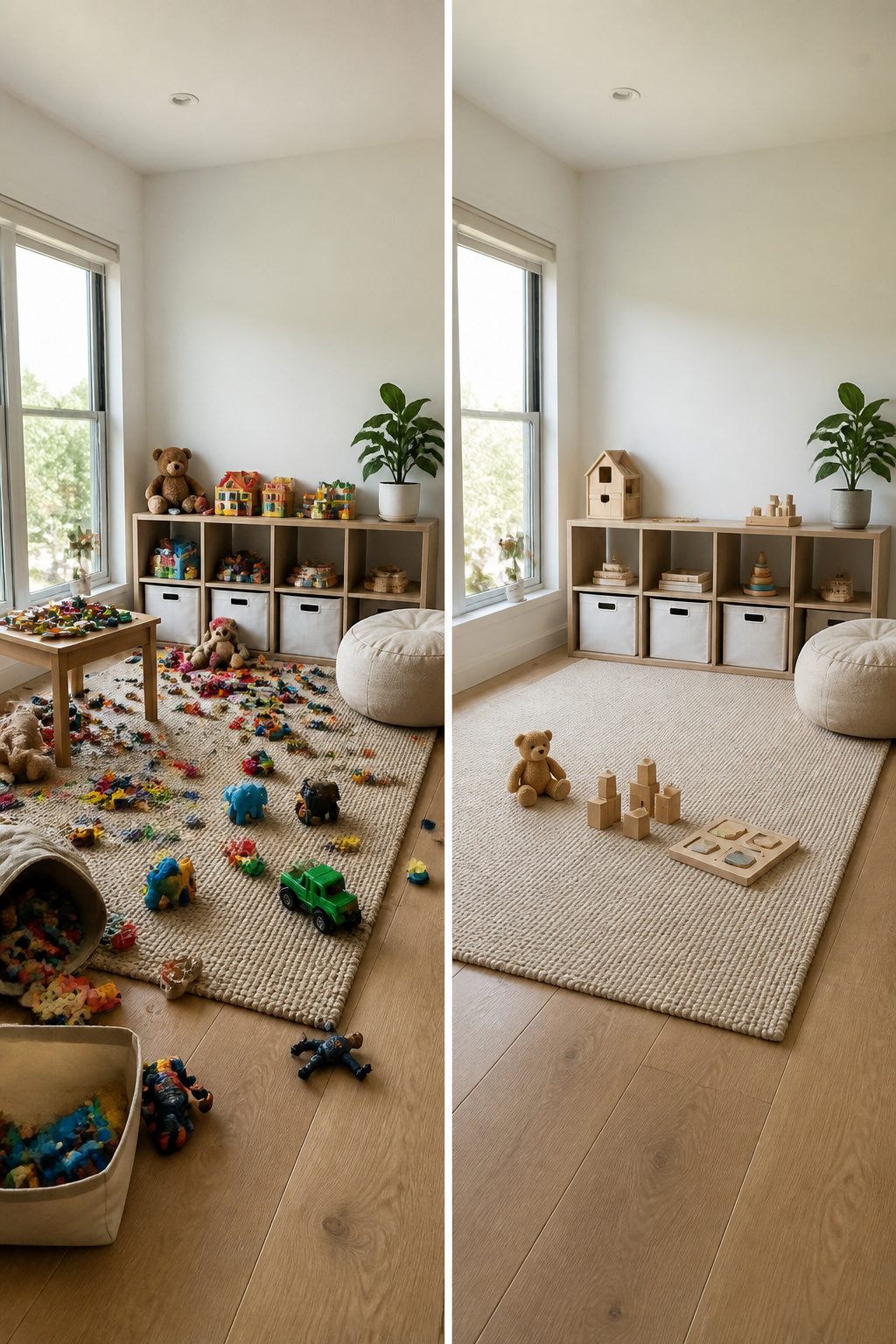
The average American child owns somewhere between 70 and 200 toys, yet typically plays with only about 12 on any given day.
We have seen this ratio play out in our own store: parents buy bins to contain the overflow, then buy more bins when those fill up. A minimalist playroom breaks that cycle by keeping only what a child actually uses.
Fewer toys out means deeper play. When the floor is clear and shelves hold just a handful of well-chosen items, children do not bounce between distractions.
They settle into building, pretending, or problem-solving with the materials in front of them. The visual calm helps them focus, and the limited selection pushes them to invent new uses for what they have.
For parents, the payoff is immediate.
Cleanup takes minutes instead of an hour. The room stops being a source of stress and becomes a space you actually want to walk past.
We have watched families shift from nagging kids to pick up to simply asking, "Where does this live?" because every item has a clear, reachable home.
The National Association of Professional Organizers found that parents who simplified their children’s play areas reported less stress and better family dynamics overall.
That matches what we hear at the counter: the parents who come back for a second storage bin are usually the ones who never filled the first.

12-Bin Plastic Categorized Storage System: Includes 8 small bins and 4 large bins to separate blocks, dolls, books, balls, art supplies, and everyday kids items, helping turn scattered toys into easy-to-see, easy-to-return sections for faster family cleanup

Multi-functional Toy Organizer: Stores toys, stationery, and books. Includes 12 removable, easy-to-clean bins (8 small, 4 large) for blocks, cars, and art supplies, plus 6 open shelves for stuffed animals, board games, puzzles, and books.Keeps everything visible at a glance. Ideal for nurseries, compact playrooms, kids' rooms, living rooms, or bedrooms.

Practical Multi-Layer Storage: Maximize your space with this versatile kids' storage organizer. Featuring a 3-tier forward-facing sling bookshelf and large open cubbies, it provides ample room for storybooks, building blocks, and plush toys. The slanted shelves allow children to see book covers clearly, fostering an early love for reading and helping toddlers develop a sense of organization.
Toy Rotation
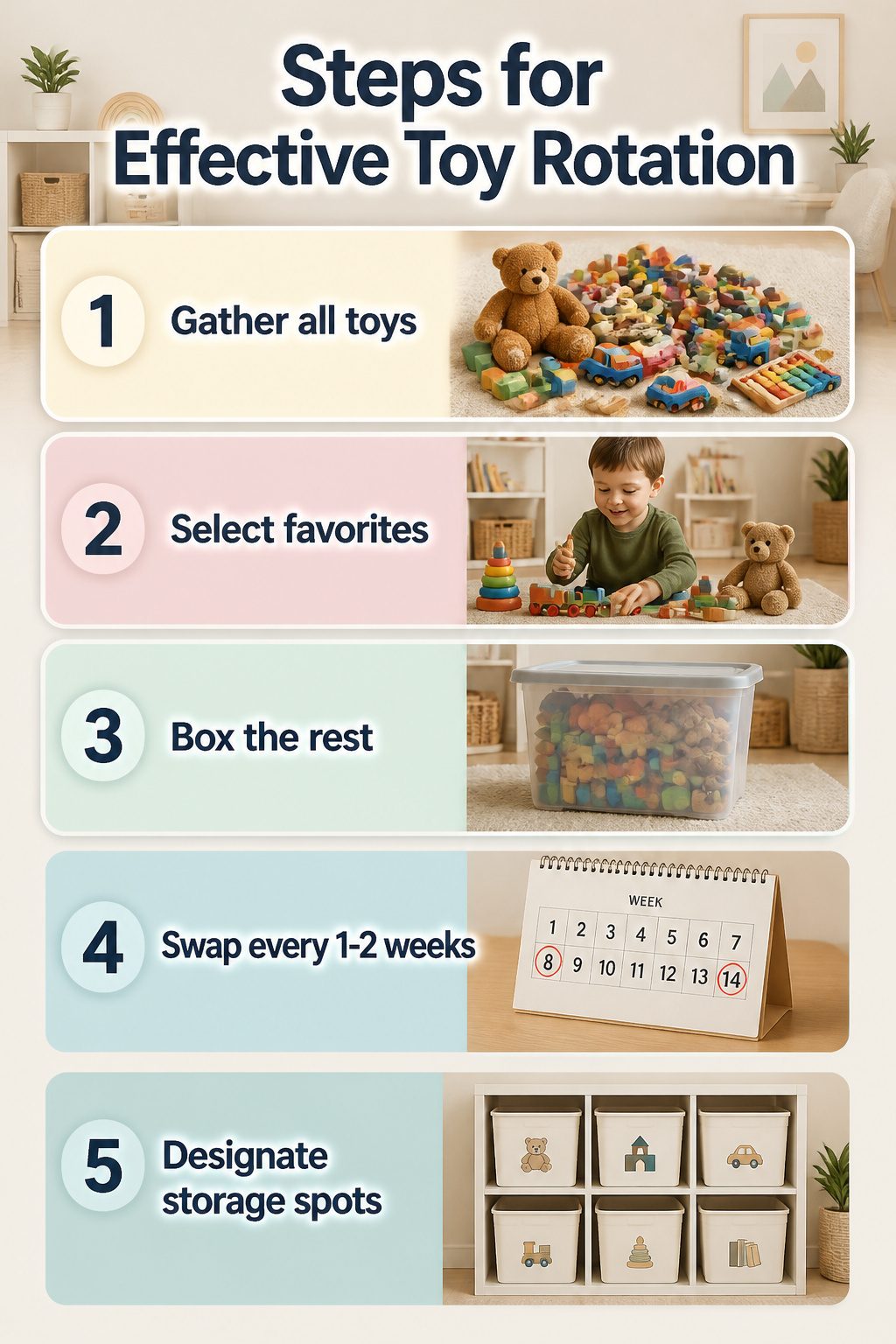
Toy rotation is the engine that keeps a minimalist playroom alive.
We keep eight to ten activities out at any given time, no more. That number came from watching what actually gets used: below it, kids wander; above it, they scatter.
The rhythm that works for most families is a swap every one to two weeks. We tried monthly for a while and the toys went stale; weekly felt like running a store instead of a home.
Two weeks hits the sweet spot where the "new" toys feel genuinely fresh but you are not constantly managing inventory.
Starting is simpler than the blogs make it look.
Pull everything into one pile, let your kids pick their current handful of favorites, and box the rest. When a rotated toy comes back out, it gets played with harder than if it had sat there the whole time.
We have seen a single wooden train hold a four-year-old for an hour simply because the other fifty vehicles were out of sight.
The mess stays manageable because everything left out has a designated spot. When cleanup takes five minutes instead of twenty, the room actually gets cleaned, and that matters more than any storage system.
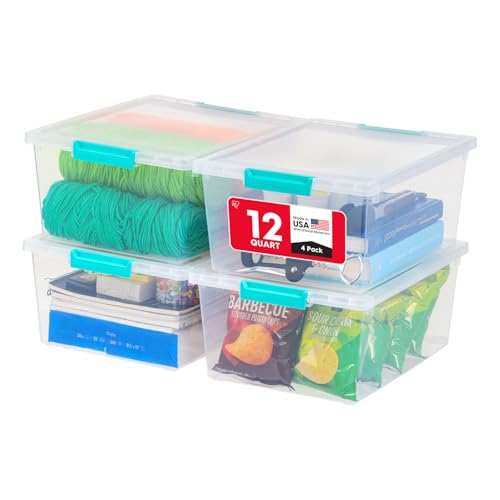
DIMENSIONS: 14"L x 10.88"W x 6.31"H. Perfect size for many items and uses. Great for notebooks, hand towels, and even paint supplies.

Corner Plush Toy Storage: Turns unused wall corners into visible stuffed animal storage for plushies, dolls, teddy bears, and small soft toys. Total length of 60 inches with installation space saved by 30% in comparison with other hammocks. No need to worry about insufficient space to store plush toys in your home.
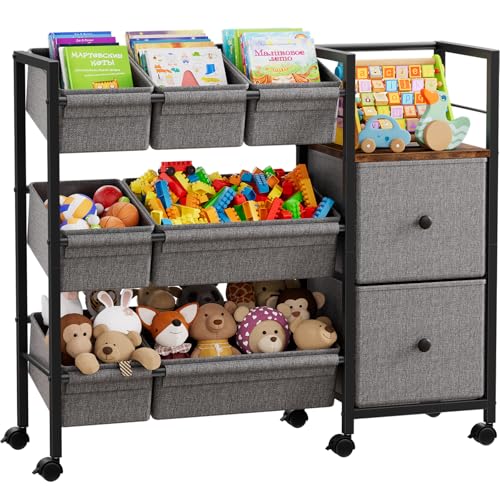
Optimum Size - Standing at a height of 33.5 ", width of 37.4 ", and depth of 11.8 ", Modanais cart for kids toy organizers with storage bins will keep kids playroom, bedroom and living room organized. The tactile fabric frame material can also be used to hold clothes, sheets, blankets, books and miscellaneous items
Emotional Attachments
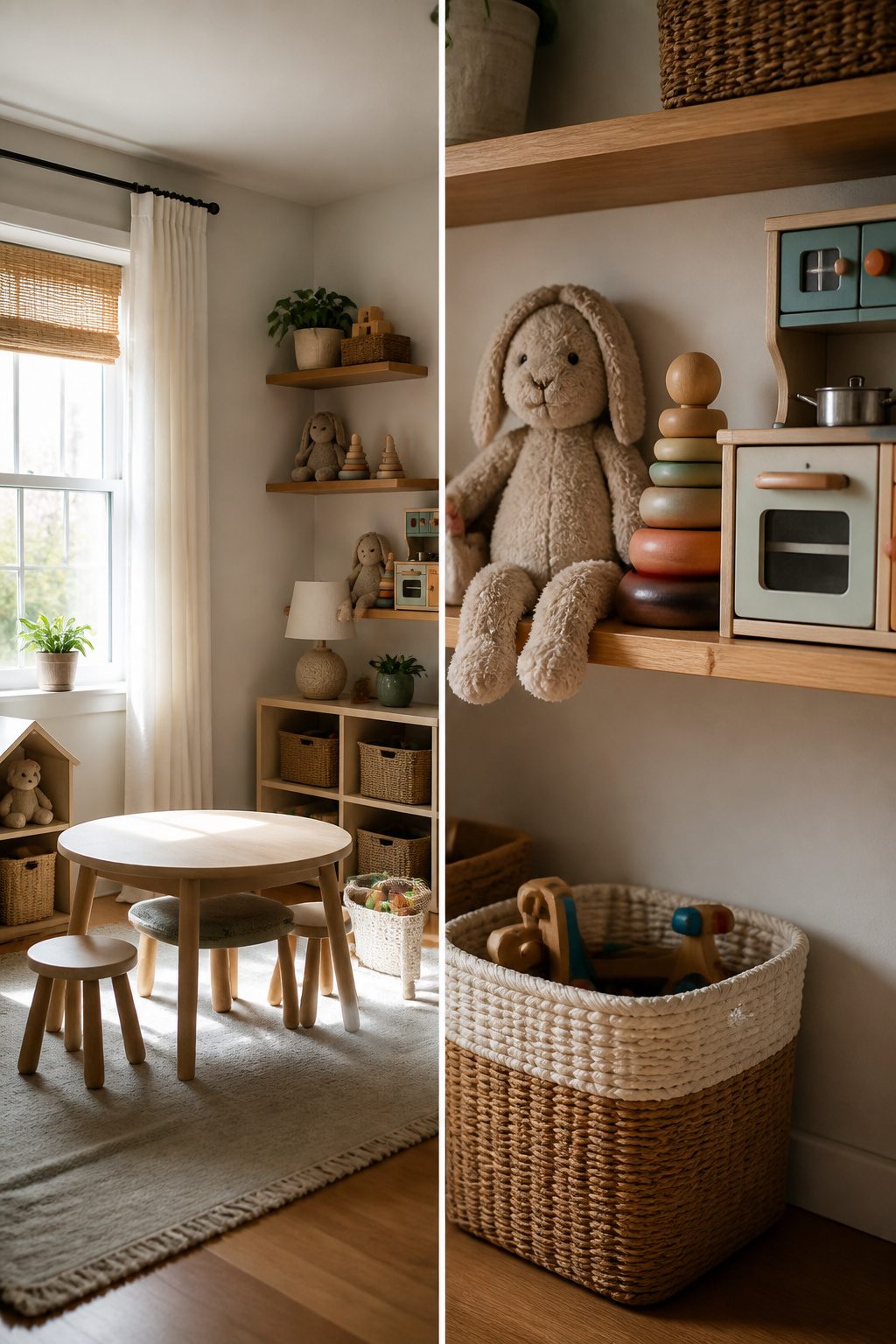
The hardest part of building a minimalist playroom is not the shelving or the bins.
It is the moment your child realizes the stuffed animal they have not touched in two years is about to leave the house. We have been there.
Our first attempt at cutting back gave each child twenty items and boxed the rest for giveaway or trash. That worked for our older kids, who played longer and argued less once the clutter dropped.
Our younger child treated the limit like a personal attack and refused to part with anything. We ended up packing toys into storage instead, telling her we would wait for her permission before donating.
A two-month experiment with only a handful of toys left out proved the point for both of us: she forgot most of what was boxed, and the ones that stayed got deeper, more creative use.
The Montessori approach backs this up with structure rather than sentiment. Limiting the total number of toys and keeping only what is age-appropriate right now lets a child concentrate instead of bouncing between options.
Open shelving at their height makes the choice visible and reachable, which builds the habit of putting something back before taking something else out.
Imaginative play setups like a toy kitchen do not fit strict Montessori practice, but the core principle holds: fewer accessible choices beat a crowded toy box.
When you involve kids in deciding what stays, you are teaching them to share and donate rather than simply taking things away.
The process is slower. It is also the part they actually remember.
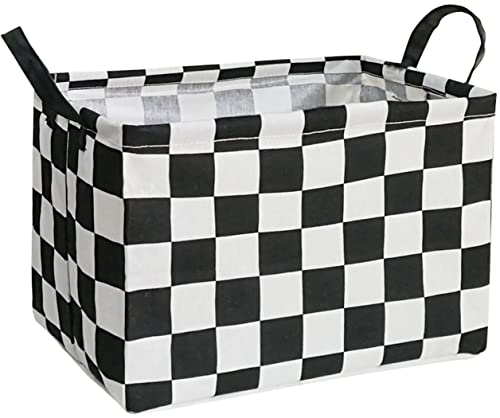
Checkered Basket Kids Baby Storage Bin SIZE: 14.2L x 10.2W x9.8H inches,Car Basket for Boys Baby toy basket great for storage bins,nursery hamper,car toys organizer.

Say Goodbye to Wrinkly Floppy Woven Baskets: No more dealing with permanently creased, flimsy storage basket, unlike others our rope basket stays firm and structured. With our unique folding method and quality rope, shaping is easy with our instructions!

Natural Cotton Rope Woven Basket: Crafted from natural cotton rope, this basket offers a safe and sustainable choice for your living space. The soft, breathable material is gentle for everyday use around the home, ideal for use in nurseries, living room, bathroom, bedroom, and around pets
Design Considerations
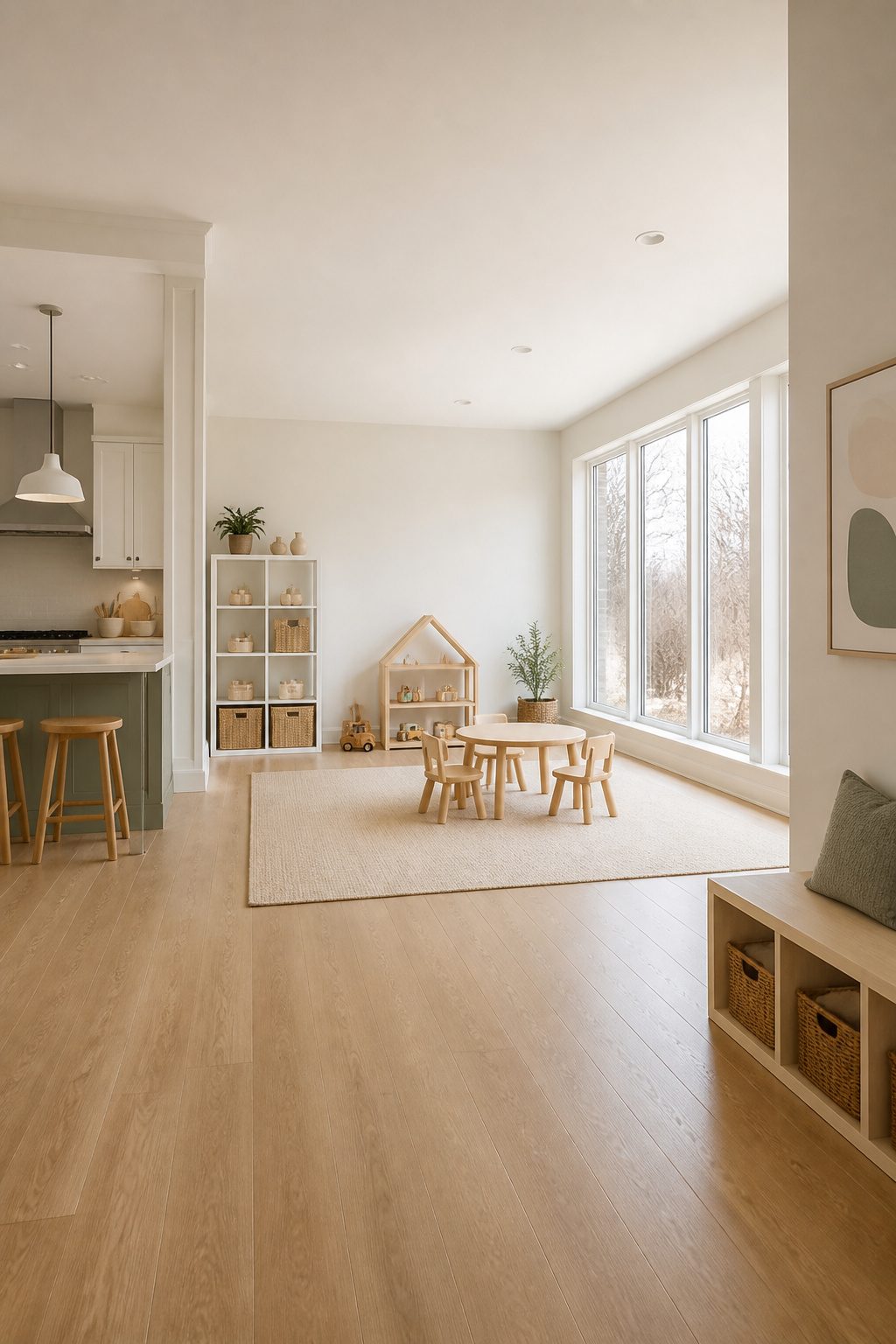
Pick a space your kids already pass through twenty times a day. A corner off the kitchen beats the finished basement every time; if they have to climb stairs or hunt for a light switch, the room dies.
We learned that after trying a back bedroom that looked perfect in photos and sat empty by Tuesday.
A cohesive design theme saves you from the toy-store explosion look. Start with a simple style board before you buy anything; use it as a hard filter for every purchase.
Neutral tones keep the chaos from overwhelming the room, but the theme only works if it still feels like your child lives there.
Rotate decor and a few toys seasonally to keep the space from going stale, and ask your kid what colors or activities matter to them. They will defend a room they helped shape.
Long winters demand a different layout.
When temperatures drop below freezing for weeks and roads turn bad, the playroom becomes your only outlet for active play. Plan open floor space for movement now, not after you are trapped inside.
A mini trampoline or similar gear can burn energy that otherwise ends up on your couch. We have watched ours turn a cramped February afternoon into something survivable.
Frequently Asked Questions
What are the benefits of a minimalist playroom?
A minimalist playroom reduces stress for both children and parents, promotes deeper and more creative play, and cuts cleanup time from an hour down to minutes.
Children settle into building, pretending, or problem-solving instead of bouncing between distractions, and parents report less nagging and better family dynamics overall.
The National Association of Professional Organizers found that parents who simplified their children’s play areas experienced reduced stress and improved family dynamics.
How do I implement a toy rotation system?
Keep eight to ten activities out at any given time, and swap them every one to two weeks.
Pull everything into one pile, let your kids pick their current favorites, and box the rest; when a rotated toy comes back out, it gets played with harder than if it had sat there the whole time.
The mess stays manageable because everything left out has a designated spot, so cleanup takes five minutes instead of twenty.
What is the best color scheme for a minimalist playroom?
A neutral color palette, such as Benjamin Moore Classic Gray, creates a calm atmosphere and lets the toys themselves provide the color.
Bright plastic, picture-book covers, and other items pop against a muted wall instead of competing with it, giving the eye somewhere to rest.
Parents who go bold on the walls often end up fighting the room, while gray tones hide scuffs and still feel calm even when the floor is covered in blocks and dress-up clothes.