
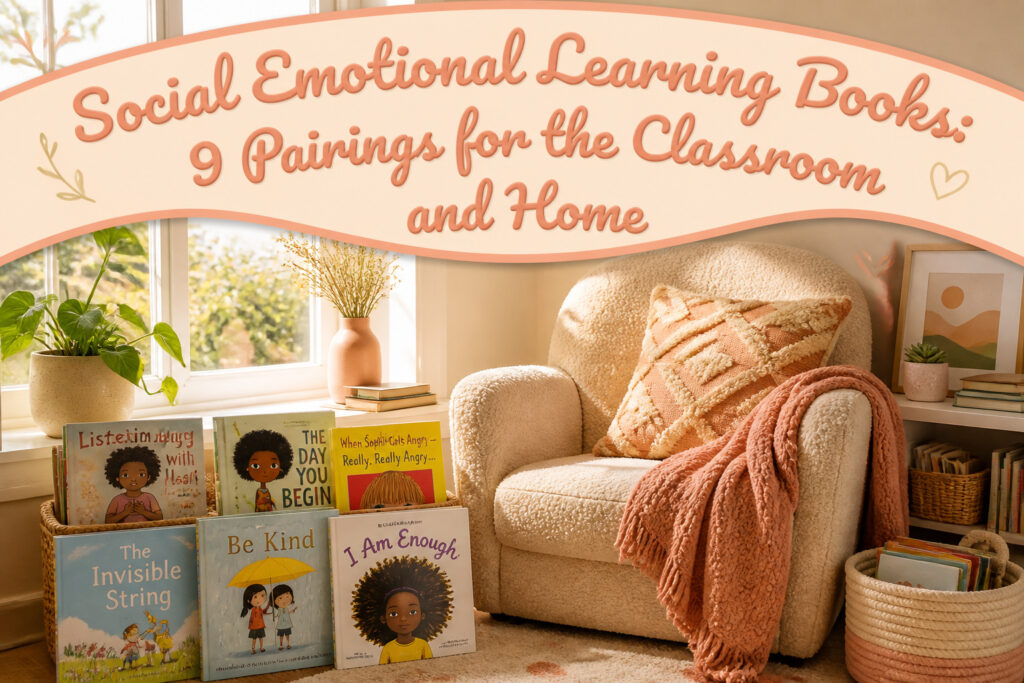
Social emotional learning books are picture books that teach children to name feelings, read social cues, and choose responses deliberately, but they fail when adults over-explain the moral instead of letting the child notice the lesson themselves. The Bad Seed works because the seed simply chooses differently on the last page; spell out "see, he learned to be good" and the joke dies.
[link-whisper-related-posts]The Bad Seed and The Good Egg

Jory John’s The Bad Seed and The Good Egg keep turning up on SEL lists because they tackle two different traps, both with the same blunt humor. The bad seed has a bad temper, bad manners, and a bad attitude; he cuts in line and never listens until he decides he wants to be happy. The good egg is verrrrrry good indeed, but cracks from the pressure of perfection while the other eggs behave badly. Both titles show in five sources apiece, which tells you teachers and parents have been road-testing them for years.
The humor lands squarely with ages 4–8. The seed’s "baaaaaaaad" and the egg’s drawn-out "verrrrrry" read aloud the way kids actually talk, not the way adults wish they would. The seed’s turnaround feels earned because the book never pretends he was secretly good all along; he chooses differently, which is the whole point for a kid learning that attitude is a choice.
Where parents trip up is over-explaining the moral. The seed’s last-page shift to wanting happiness works because the book trusts the reader. Spell out "see, he learned to be good" and the joke dies. Same with the egg: the lesson is balance and self-care over perfection, but the cracked shell does the teaching. Let the kid notice it.


The Rabbit Listened and Each Kindness
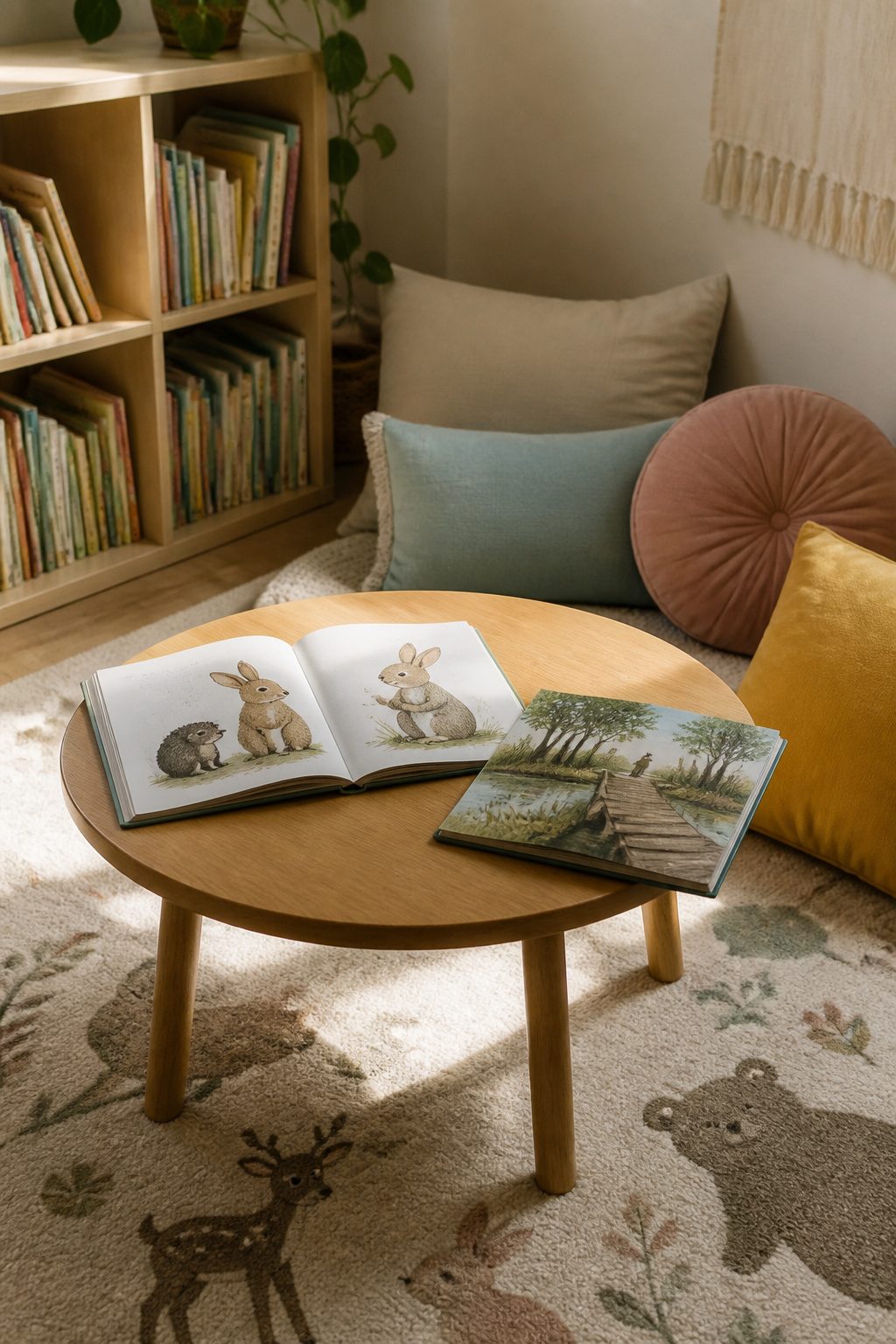
Cori Doerrfeld’s The Rabbit Listened lands on the younger end of social emotional learning books, aimed at ages 3 to 5, and it handles grief with almost no dialogue. Taylor’s block tower falls, and animal after animal barges in with fixes: the chicken wants to talk it through, the elephant wants to rebuild. Only the rabbit sits close, listens, and waits until Taylor is ready to talk or shout or plan. The message is quiet and practical: presence beats advice.
Jacqueline Woodson’s Each Kindness works as the counterweight. Chloe and her friends dismiss Maya, the new girl in worn clothes, day after day. When Maya leaves the school, Chloe realizes she missed her shot at kindness, and Woodson does not grant her a second one. The regret sits there, unresolved.
We pair these two because one gives children the script to follow and the other shows the cost of skipping it. Read The Rabbit Listened first, let kids name what the rabbit did right, then open Each Kindness and ask what a rabbit-style friend might have changed for Maya. The conversation writes itself.


Used Book in Good Condition

EMOTION LEARNING MADE SIMPLE: Introduce early emotional awareness with this beautifully illustrated board book that helps babies and toddlers identify feelings through familiar sky elements like the sun, clouds, rainbow, stars, and moon.
The Invisible Boy and I Am Enough
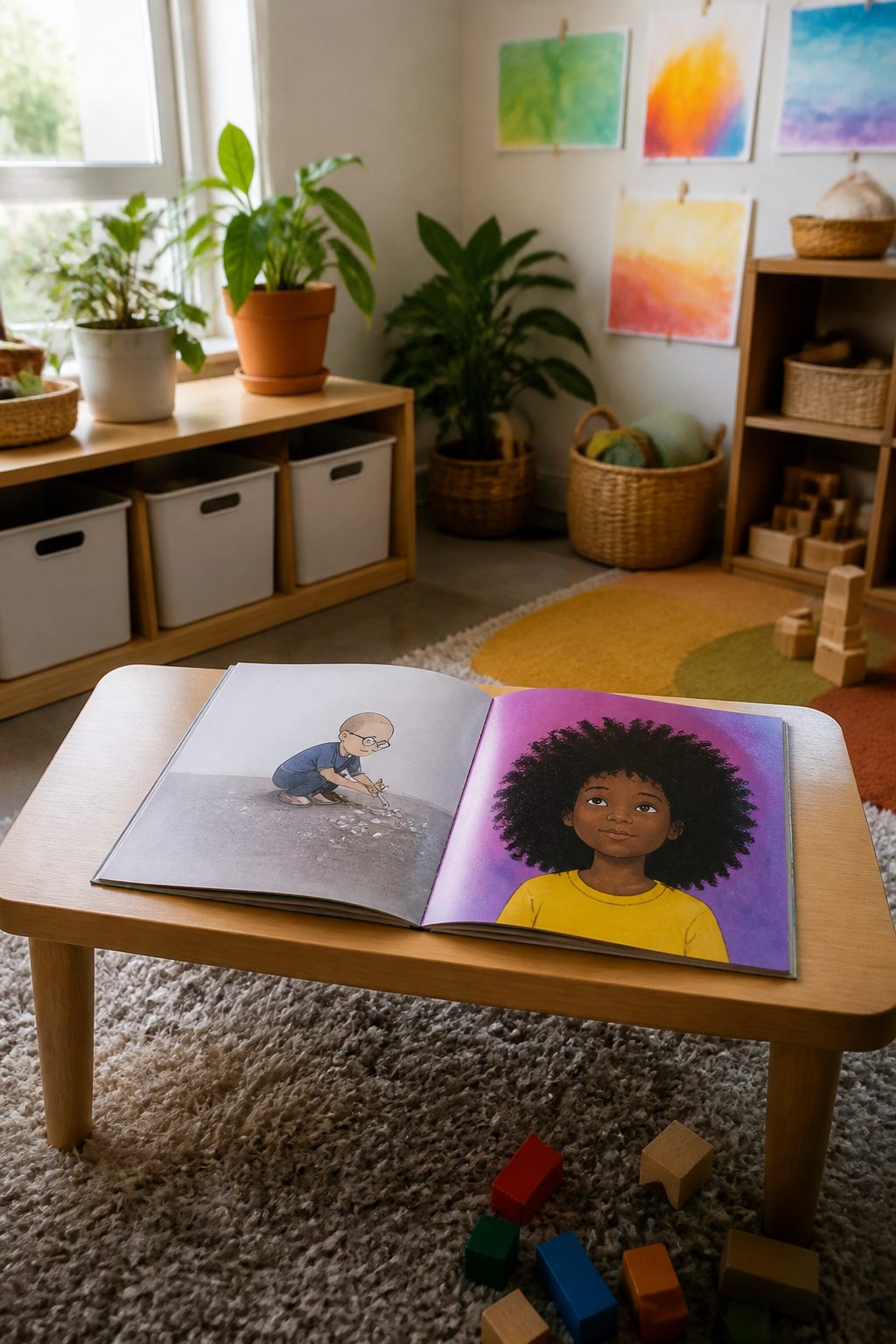
Trudy Ludwig’s The Invisible Boy and Grace Byers’s I Am Enough tackle the same hollow feeling from opposite directions. Ludwig follows Brian, a kid who sits outside every group project and lunch-table conversation until a new classmate named Justin finally notices him. The story earns its tension from what actually happens: the ignored wave, the unchosen partner, the teacher who looks right past him when hands go up. Byers’s book, illustrated by Keturah A. Bobo, never names a character or builds a plot. It states, line after line, that the child reading is worthy already: "I am enough," repeated until the declarative rhythm does the work that Ludwig achieves through scene.
The narrative reach of Ludwig’s book lands harder for children who need to see their own situation recognized before they can believe a fix exists. Byers’s direct address speaks straight to kids ready to hear the message but not yet convinced they deserve the microphone. We keep both in the store because the same insecurity does not respond to the same medicine every day. A child who has just transferred mid-year and eats alone may need Brian’s story first; a child shrinking from a classroom presentation may need Byers’s unflinching mirror. Neither book wastes space on the idea that confidence arrives easily. Ludwig shows the cost of invisibility in pages where Brian barely speaks; Byers acknowledges the work of self-worth in the very act of repeating it like practice.
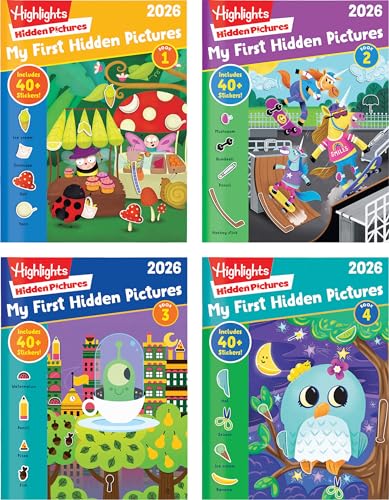
4-BOOK SET OF HIDDEN PICTURES FUN – For younger kids ages 3-6 who want to get in on the Highlights Hidden Pictures fun, the 2026 My First Hidden Pictures 4-Book Set is just the thing; it’s a customer favorite every year


Jabari Jumps and The Name Jar
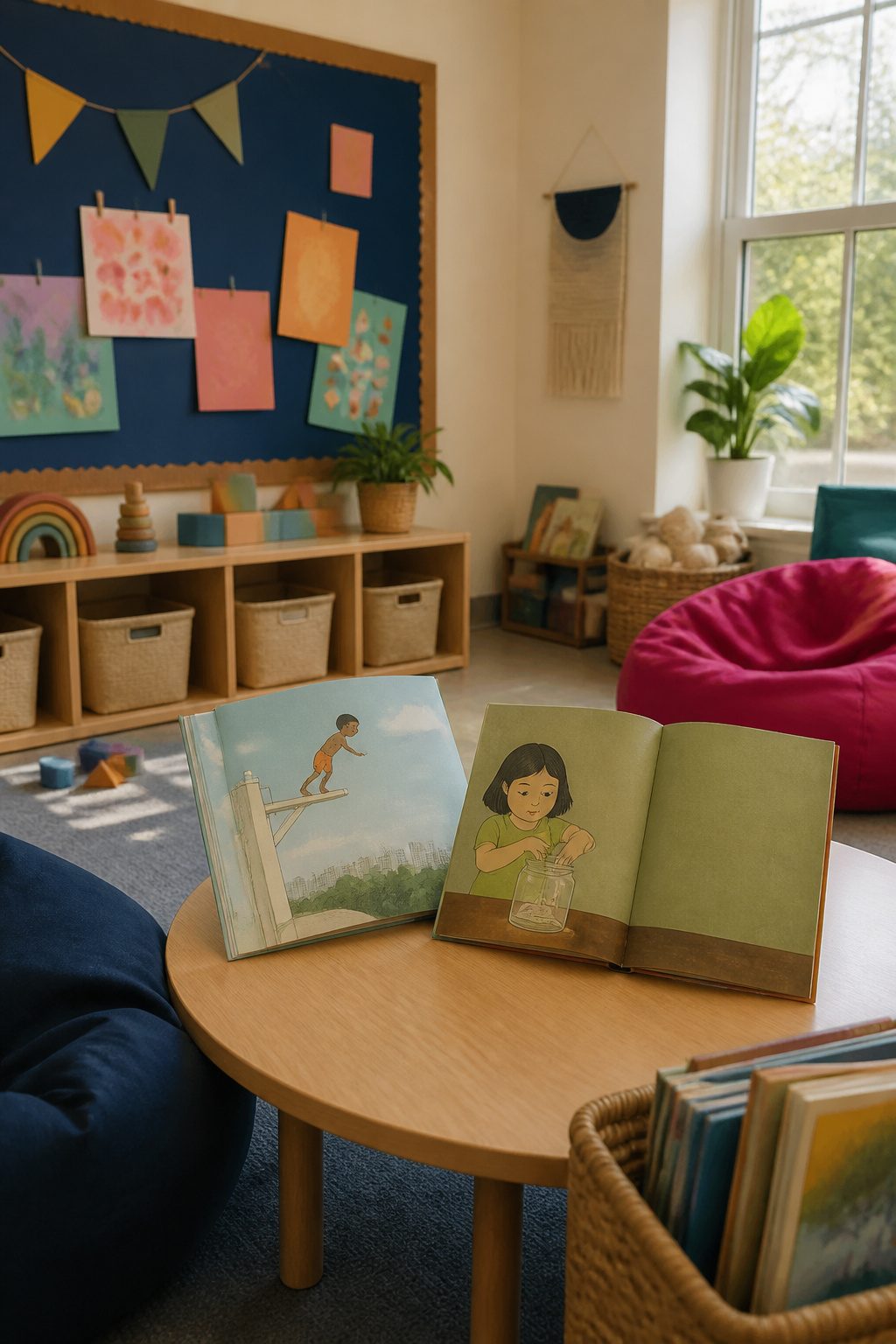
Gaia Cornwall’s Jabari Jumps and Yangsook Choi’s The Name Jar both put a child at the edge of something terrifying, and that is where the pairing lives. In Cornwall’s story, Jabari stands on the high-dive board, telling his father he is not scared when his toes say otherwise. Choi’s Unhei has just immigrated from Korea and faces a classroom jar full of name suggestions, each one a small vote against the one her grandmother chose. The risk is physical in one book, social in the other, and children feel both in their bodies the same way.
We have read these aloud back-to-back in store story hours, and the conversation writes itself once you point it out. After Jabari climbs down, then up again, we ask what Unhei’s equivalent moment is: not the jar itself, but the morning she decides to introduce her real name. The parallel works because you do not force it. Let the child notice that Jabari’s father does not push him off the board, just as Unhei’s mother does not storm into the classroom. Both adults stay nearby and trust the child to close the gap.
Where parents can draw this out without over-explaining: ask which felt scarier, the height or the first day of school, and let the answer be personal. Some children will reverse the two risks entirely. The books hold up either way.

Classic and Versatile Design: The frame measures approximately 7.9” x 5.7”. This timeless frame keeps the focus on your cherished photos while blending seamlessly into any space.


What Does It Mean to Be Present and I Can Help
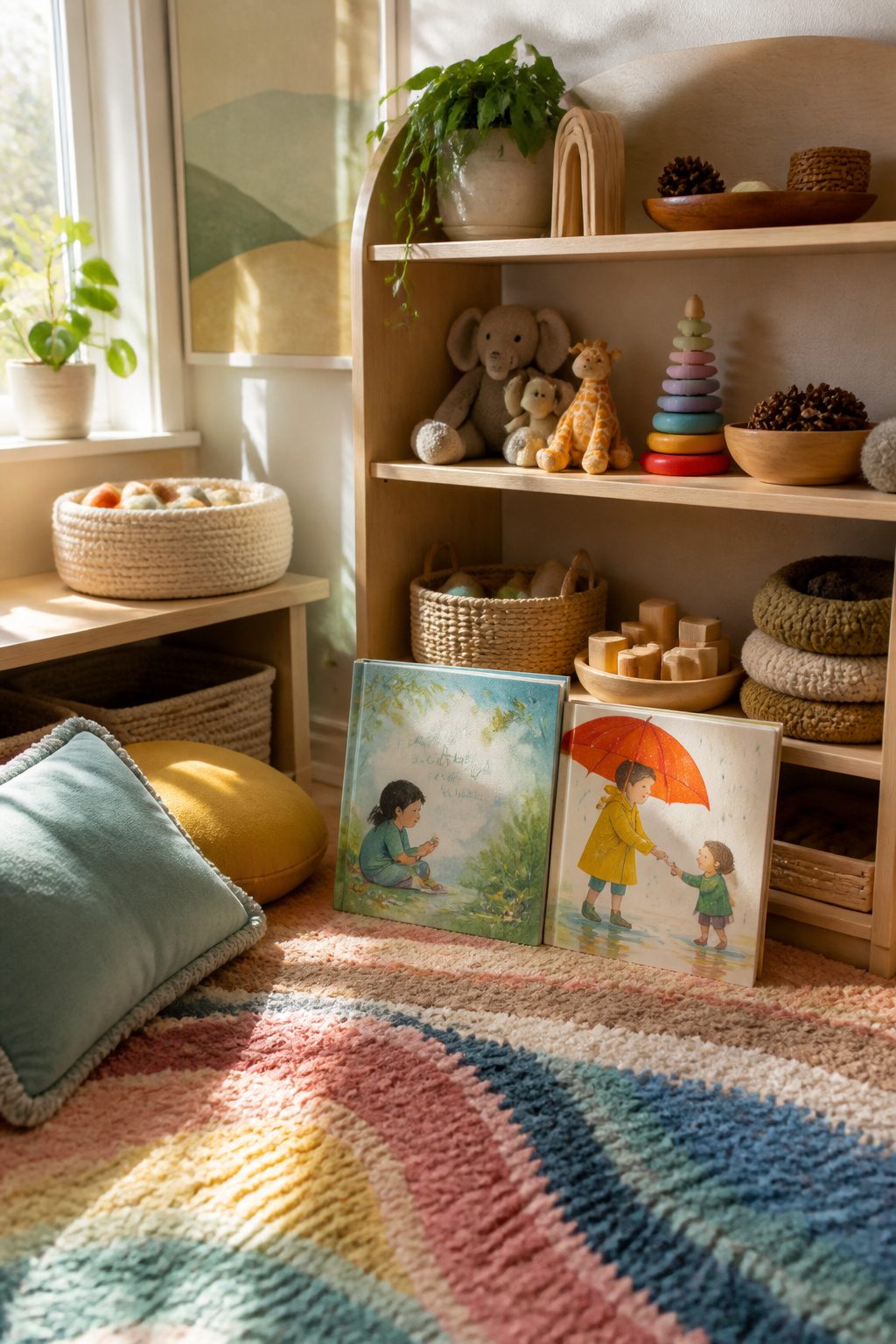
What Does It Mean to Be Present by Rana DiOrio and Eliza Wheeler gives younger readers a direct line into mindfulness without the abstract language that usually loses them. The book names the moment: the feel of your breath, the sound in the room, the thing in front of you right now. That concrete approach lands with kids who cannot sit still for a guided meditation, because it asks only that they notice what is already happening. We keep this one near the wiggly end of the reading rug, where a longer story would unravel.
Pair it with I Can Help by David Hyde Costello, which works the same way for empathy. A small animal wants to assist and keeps trying the wrong thing until the right help appears. The sentences run short, the action moves quick, and the emotional beat is visible on the page. For a child who is still learning to name feelings, this is an easier entry point than a book that talks about kindness in the abstract.
Together these two function as SEL training wheels. They do not preach a lesson; they show a situation and let the child feel the shift. That is the gap a lot of mindfulness and empathy books miss, especially for early readers who need the concept in motion before they can discuss it in words.

COMPLETE CBT SEQUENCE - Comprehensive anger management for kids: Card Game opens discussion, Flip Board connects thoughts, emotions and behavior, Memory Game explores coping responses.

My Many Colored Days and The Color Monster

Both of these social emotional learning books use color as a language for feelings, but they land at different developmental stages. Dr. Seuss’s My Many Colored Days keeps things abstract, with moods shifting through oranges and purples and grays without pinning each one to a named emotion. A three-year-old can feel the swing of it even when they do not yet have words like "anxious" or "joyful." Anna Llenas’s The Color Monster does the opposite, sorting feelings into jars, yellow for happy, blue for sad, green for calm. It gives children the concrete labels they are starting to crave around four or five.
We reach for Seuss when a child is still mapping the territory inside them. We hand over Llenas once they are ready to organize what they found. Neither book does the full job alone, which is why they work as a pair across a year or two of growth.
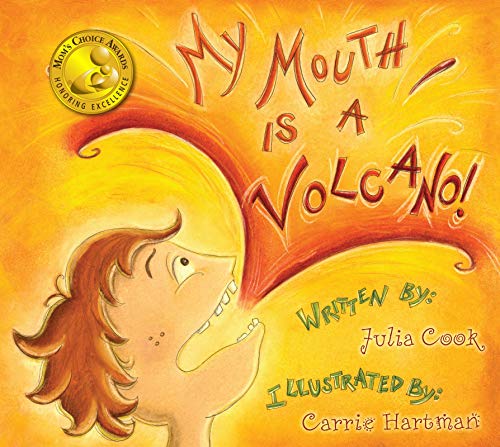

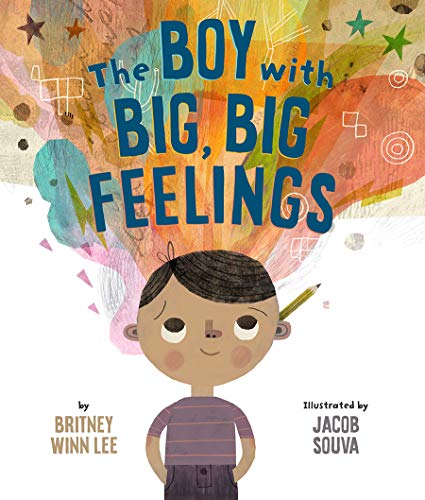
I Feel and Big Feelings
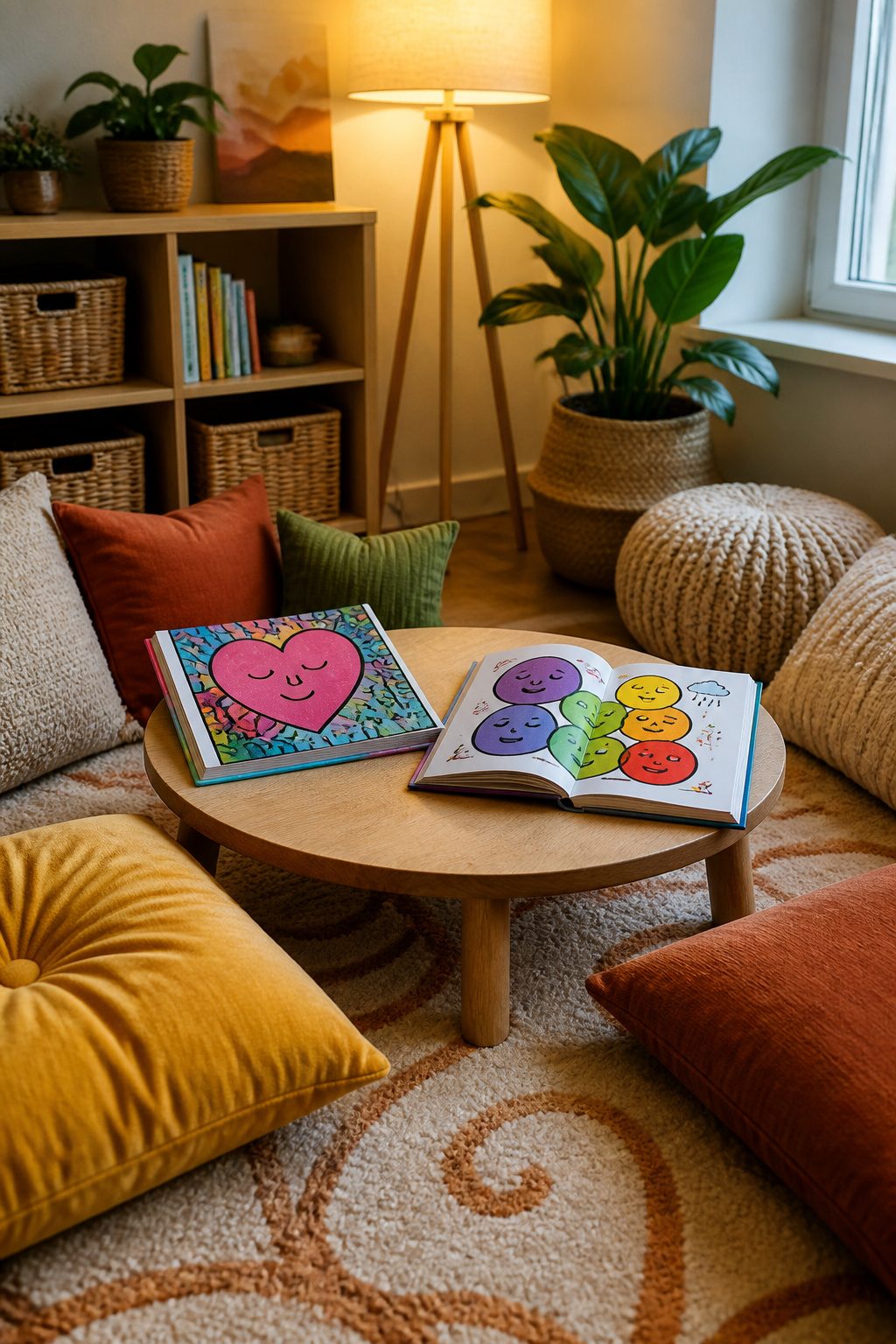
Romero Britto’s I Feel runs through the basic emotions, happy, sad, calm, shy, brave, proud, giving young readers and the adults with them a shared vocabulary to name what is happening inside. That naming matters. A child who can say "I feel worried" has already done something a child who cannot name the feeling has not.
Alexandra Penfold and Suzanne Kaufman’s Big Feelings moves one step past that starting point. The book acknowledges the hard feelings that surface during ordinary days and offers ways to express them and move on. Where Britto builds the map, Penfold teaches the navigation.
We see both skills in our own kids and in the children who come through the store. A child who can label every feeling but has no strategy for the overwhelming ones stalls out just as often as a child who is simply overwhelmed and silent. The pair works because one gives the words and the other gives the motion through them. Start with Britto for the younger set still learning the names, add Penfold once those names are in place and the child needs to know what to do when the feeling does not fade on its own.


Create Self Awareness: Toddler Emotions Busy Book your child will experience learning about emotions and different feelings. Great counseling tool for parents, teachers, therapists, and kids with autism to use and reduce conflict over misunderstood behaviors

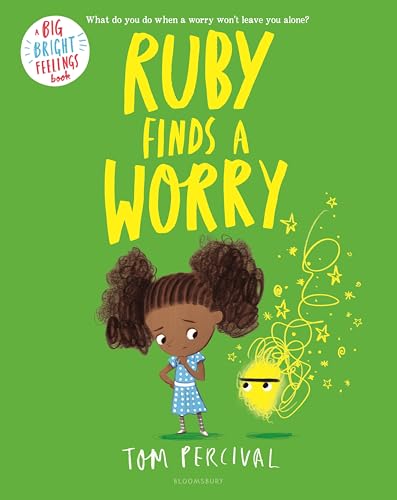
Don’t Worry, Murray and The Day You Begin

David Menzies’s Don’t Worry, Murray tracks the internal mechanics of anxiety: rain, barking dogs, fireworks, each worry named and then answered with a small concrete action. A raincoat. A new friend. The book stays inside the child’s head, which makes it the right pick when a kid is already worked up and needs to see worry as something you can step through one motion at a time.
Jacqueline Woodson’s The Day You Begin turns the camera outward. The protagonist’s summer was caring for her sister while classmates traded vacation stories. The tension is not inside her body but in the gap between her experience and the room’s, and the resolution comes when she speaks her story into that gap and finds it holds.
We reach for Murray when a child wakes up scared of the day itself, and we reach for Woodson when the day goes fine but the child comes home quiet because nobody saw them. The two pair well on a classroom shelf because the same child often needs both in the same week, and the teacher rarely knows which until the moment arrives.


The Pigeon Has Feelings, Too

Mo Willems’ The Pigeon Has Feelings, Too! works because the pigeon throws a tantrum first and names the emotion second. Kids who glaze over when a book opens with "Today we are learning about anger" will laugh at a bird stomping his foot and yelling "I AM NOT ANGRY!" The humor slips the lesson past their defenses.
This one belongs in a stack, not on its own. Pair it with something calmer like The Rabbit Listened so the same child sees a feeling handled straight after seeing it mocked. The pigeon books, including The Pigeon Finds a Hotdog and The Pigeon Wants a Puppy, show up on preschool SEL lists for exactly this reason: they let a kid feel smart for spotting the joke, which is the first step toward spotting the feeling in themselves.


Material: wooden, size: 7.9*5.7inches, suitable for 4 x 6 photo frames, similar size with postcards, greeting cards and birthday cards, or you can assemble the beautiful photo into the picture frames
Why SEL Books Matter Now
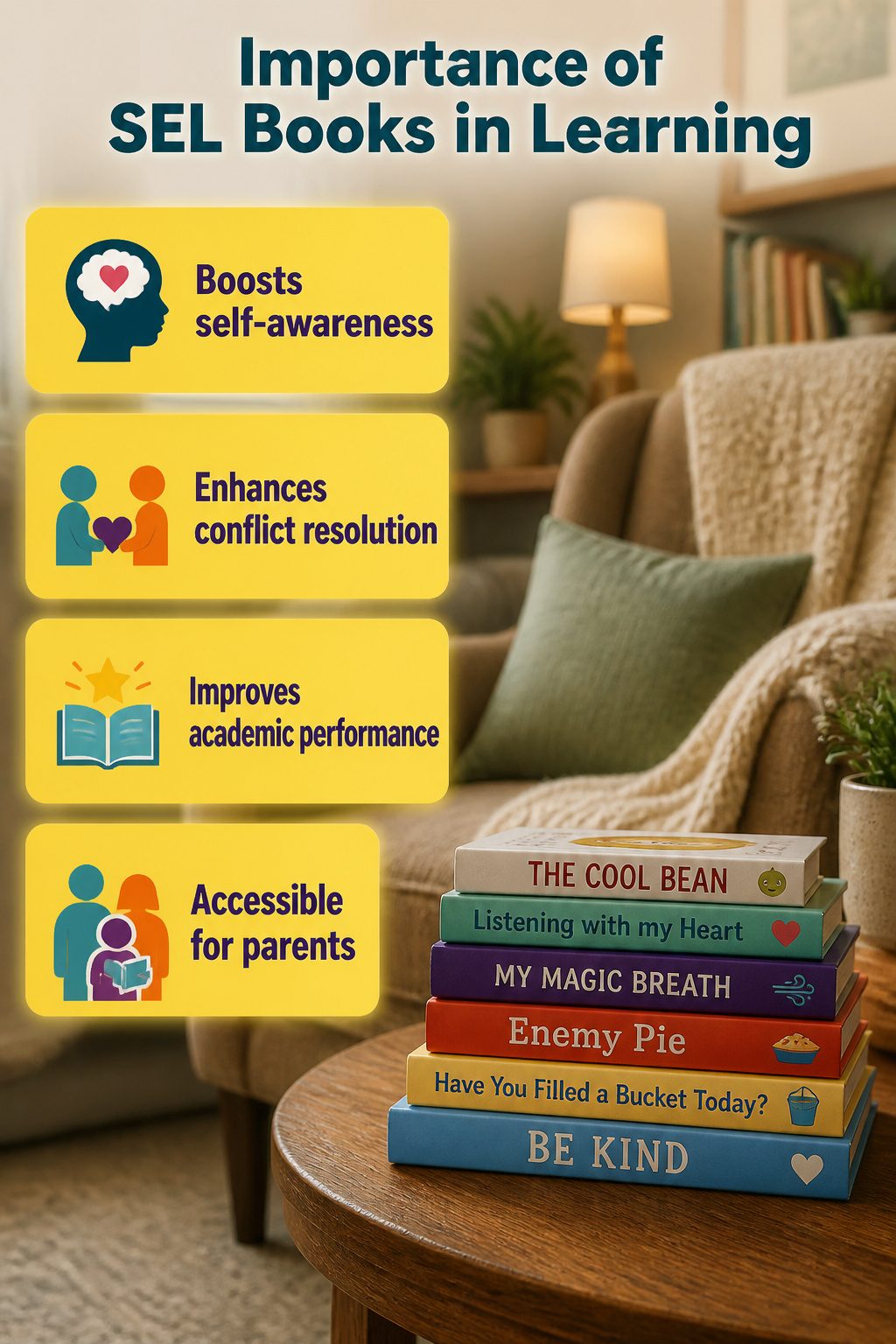
Social emotional learning books are doing more heavy lifting than we realized when we first started stocking them. The research tracks: kids who develop self-awareness, problem solving, and conflict resolution early carry those skills into stronger relationships and better academic performance. Many districts now treat emotional intelligence as comparable to math and reading in their daily curriculum.
What convinced us, reading through how teachers actually use these titles, is that stories do work facts and figures cannot. A child who watches a character navigate a hard feeling sees the strategy in context, not as an abstract rule. Lower school teachers we follow anchor entire SEED classes around picture books, then build discussion, activities, and written projects from there. The books become tools for real-time classroom issues, not just scheduled lessons.
For parents without district resources, this matters. Read alouds are the most accessible entry point if you are starting from zero. A book that helps a child name what they are feeling, ask whether they must act on it, and notice how their actions land on others covers the same ground school programs do. The gap in formal SEL support keeps widening; the books are a way to close it yourself, a few pages at a time.


Themes That Run Through the Best SEL Books
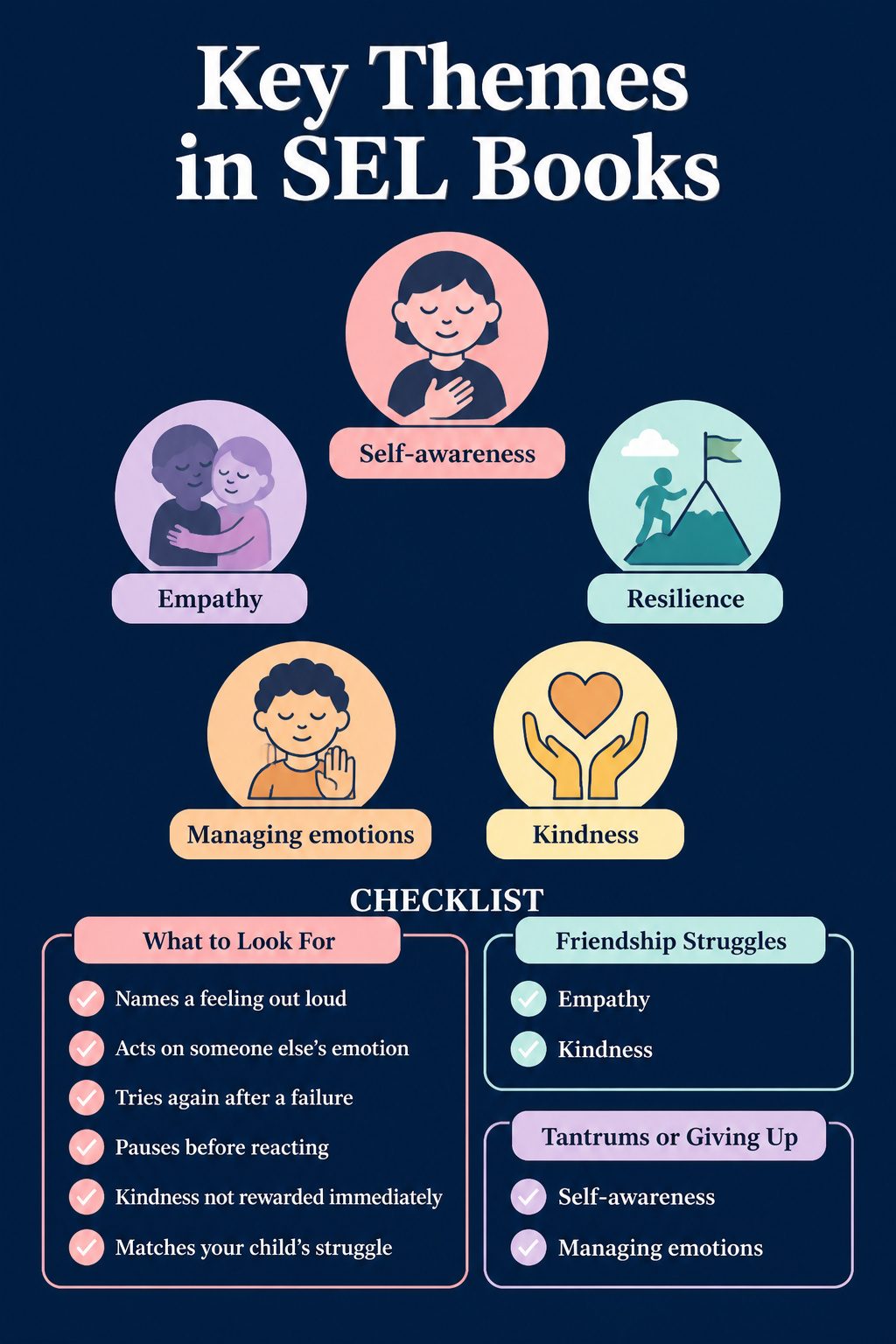
The best social emotional learning books usually circle back to five or six ideas, and spotting them before you buy saves a shelf of untouched titles. Self-awareness shows up when a character names a feeling out loud, not when the narrator simply tells the reader the child is sad. If your own kid melts down but cannot say what triggered it, that is the gap to fill. Empathy is harder to fake; look for a scene where a character acts on someone else’s emotion rather than just noticing it. Resilience and managing emotions often travel together, but they split in the details. A resilient character tries again after a failure. A character managing emotions pauses before reacting. One book may do both, yet most lean toward one or the other. Kindness is the easiest theme to spot and the hardest to do well; avoid titles where kindness is rewarded immediately, because that sets up an expectation real life does not meet. If your child is struggling with friendships, prioritize empathy and kindness pairings. If the struggle is tantrums or giving up, look for self-awareness and managing emotions first.
Age Ranges and When to Read What
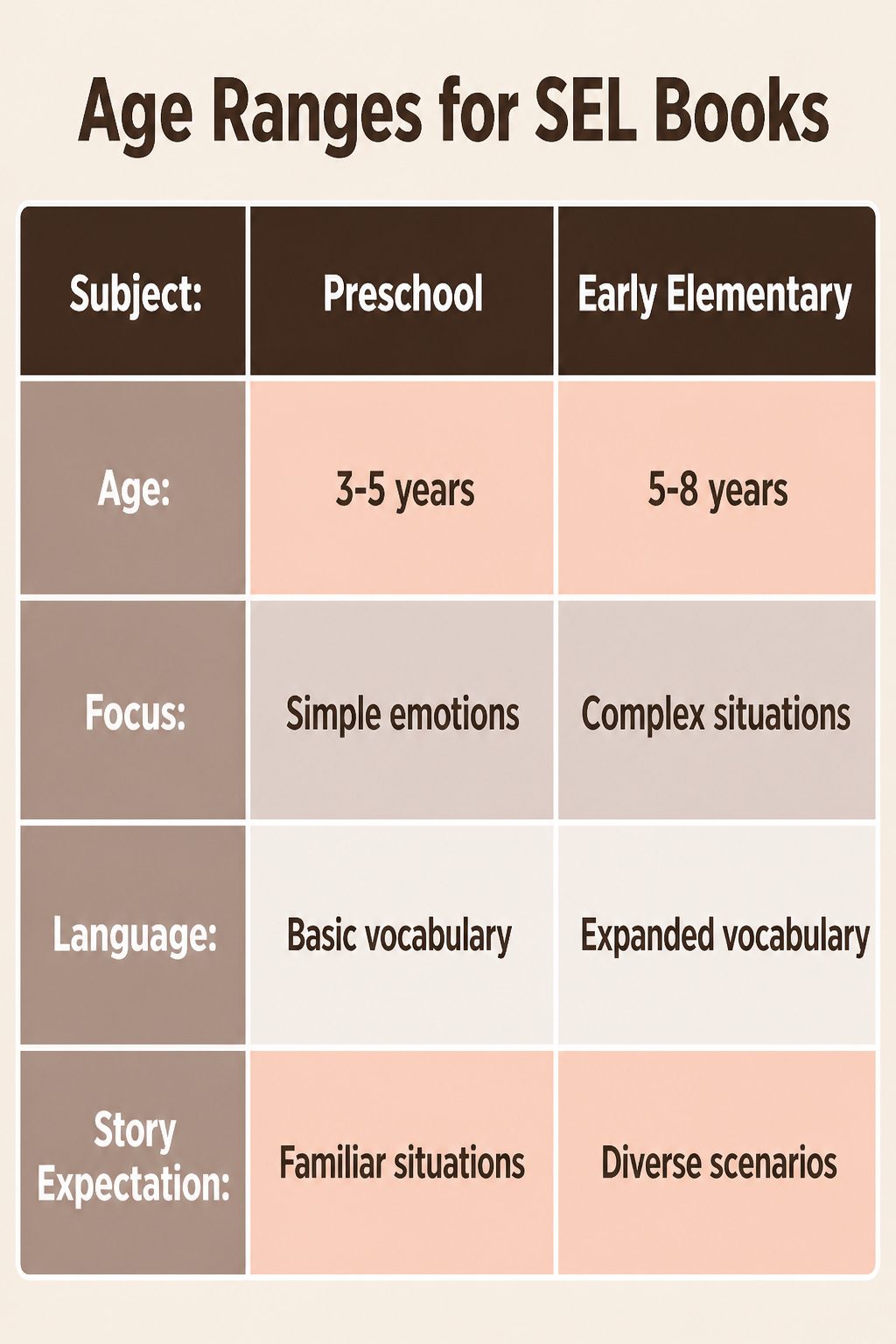
Most social emotional learning books land in the preschool to early elementary window, roughly ages 3 to 8, and the labeling on the back is more suggestion than law. We have watched a four-year-old sit riveted through a book written for seven-year-olds because the topic, friendship, happened to match what was happening on the playground that week. The vocabulary was over her head, but the story was not. Read for the emotional situation, not the grade level printed on the spine.
When a child reads ahead of the labeled range, the risk is not confusion; it is missing the nuance because they are still decoding words rather than feeling the scene. You can bridge that by reading aloud and pausing to ask what the character might be feeling. When a child is behind the range, say a second grader with a first-grade reading level, the simpler language can still work if the emotional stakes are real enough. A book about worry does not need complex sentences to land; it needs a moment the child recognizes. Match the theme to the child’s life, then adjust the support you give, not the book itself.
Using Discussion Guides Without a Teaching Degree
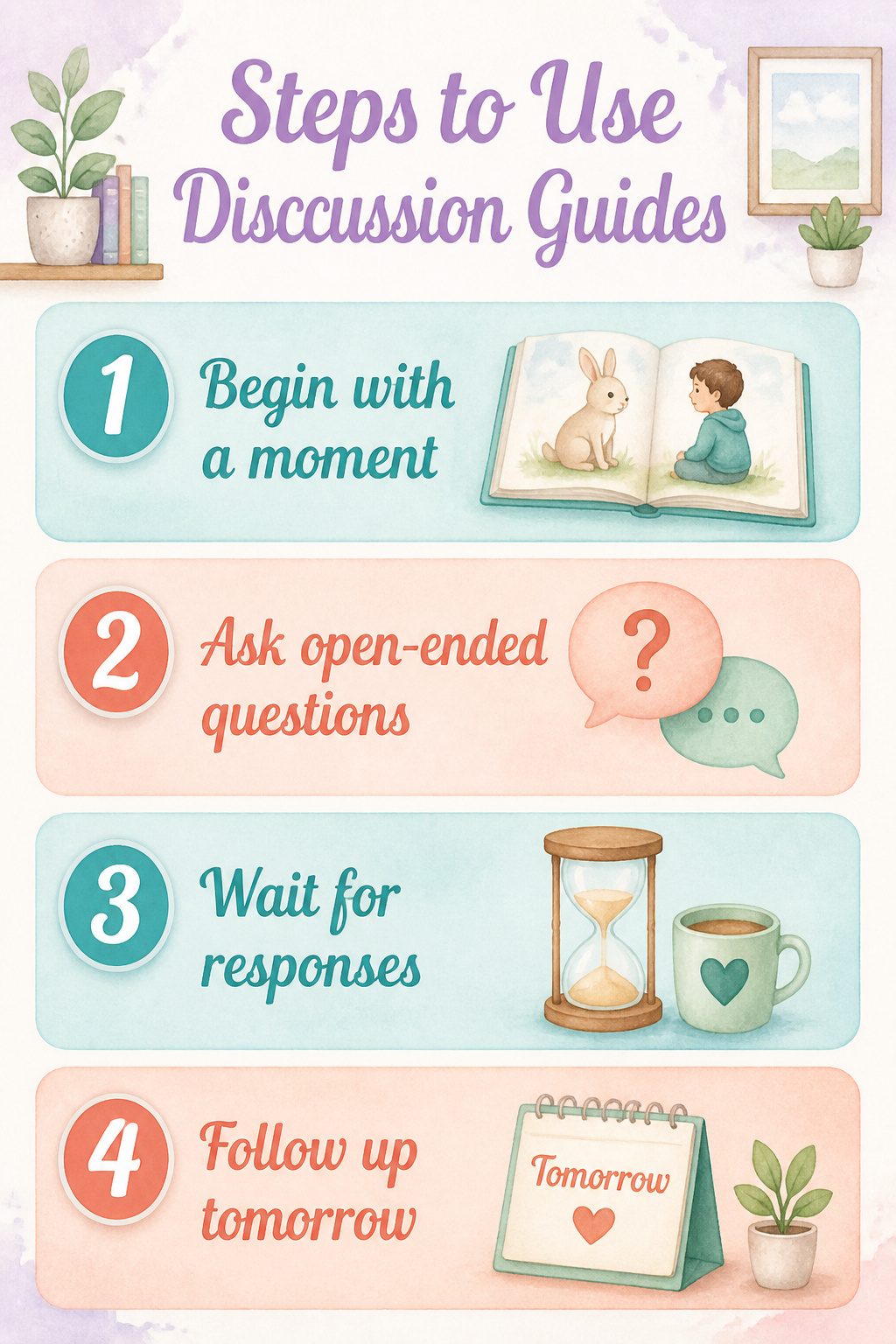
You do not need a teaching degree to talk through a book with your child. We have watched parents freeze at the kitchen table, afraid to "do it wrong," when the whole point of social emotional learning books is simply to name what happened and ask how it felt.
Most publishers now include a one-page guide at the back, or a printable on their website. We treat these as conversation openers, not lesson plans. "What would you have done?" works better than "What is the theme?" The first invites a story; the second sounds like homework.
Start with one concrete moment from the page you just turned. "The rabbit sat beside him and said nothing. Has anyone done that for you?" Then wait. The silence is where the learning lives, and filling it with your own answer is the mistake we still make half the time. If your child shrugs and asks for a snack, that is also an answer. You can pick it up tomorrow.
Diversity and Representation in SEL Stories

A child learning to name their own feelings needs to see that skill practiced by kids who look like them, and by kids who do not. That is the specific work diverse SEL stories do: they let a reader practice empathy across difference while still finding a mirror for their own experience. When every character handling anger or loneliness looks the same, the lesson narrows to "people like this have feelings," which is not the same as teaching that feelings are universal.
Auditing your shelf takes about ten minutes. Pull every book that addresses a specific emotion or social situation and sort by whose story is centered. If your books on courage all feature boys and your books on kindness all feature one neighborhood, you have a gap, not a judgment. The fix is not to discard what you own but to add the next title deliberately, so that a child practicing self-regulation sees that skill modeled by a range of families, bodies, and backgrounds.
Frequently Asked Questions
What are some good social emotional learning books for kids?
Strong titles include The Bad Seed and The Good Egg for choice and perfectionism, The Rabbit Listened and Each Kindness for empathy and regret, The Invisible Boy and I Am Enough for self-worth, and Jabari Jumps and The Name Jar for courage. Each pairing tackles a specific skill from two angles so children see both the problem and a way through it.
How can I teach social emotional learning at home?
Read aloud and ask what the character felt, then wait. You do not need a teaching degree; the publisher guides work as conversation openers, not lesson plans. A question like "What would you have done?" invites your child to tell a story, while "What is the theme?" sounds like homework. Start with one concrete moment from the page you just turned, then let the silence sit.
What age group are social emotional learning books suitable for?
Most land in the preschool to early elementary window, roughly ages 3 to 8, though the label on the spine is a suggestion. Read for the emotional situation, not the grade level. A four-year-old riveted by friendship will follow a book written for seven-year-olds; a second grader with a first-grade reading level still gains from a simpler book if the emotional stakes are real.
Why is social emotional learning important?
Children who develop self-awareness, problem solving, and conflict resolution early carry those skills into stronger relationships and better academic performance. Many districts now treat emotional intelligence as comparable to math and reading. Stories do work facts and figures cannot, because a child watching a character navigate a hard feeling sees the strategy in context, not as an abstract rule.