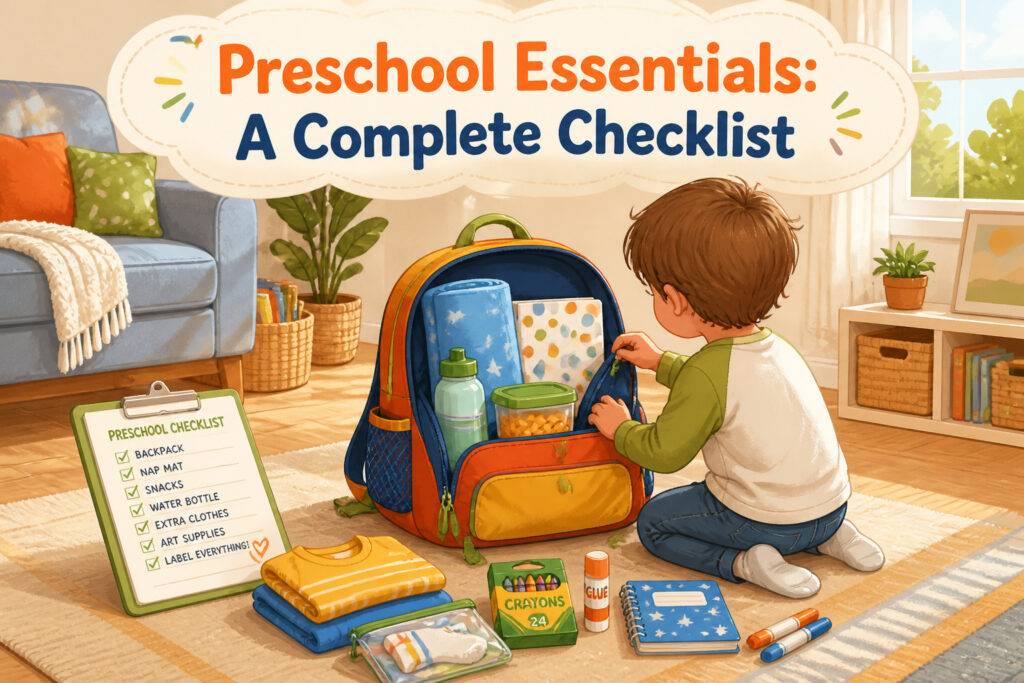
The two weeks before preschool starts are when most families either get ahead or end up paying rush shipping for a sold-out nap mat. Starting early lets a three-year-old practice zipping their own backpack on the living room floor instead of fumbling it while the car idles. That calm, unhurried window is what this checklist covers, and working through it takes about the same time as a load of laundry.
[link-whisper-related-posts]Start Two Weeks Before the First Day
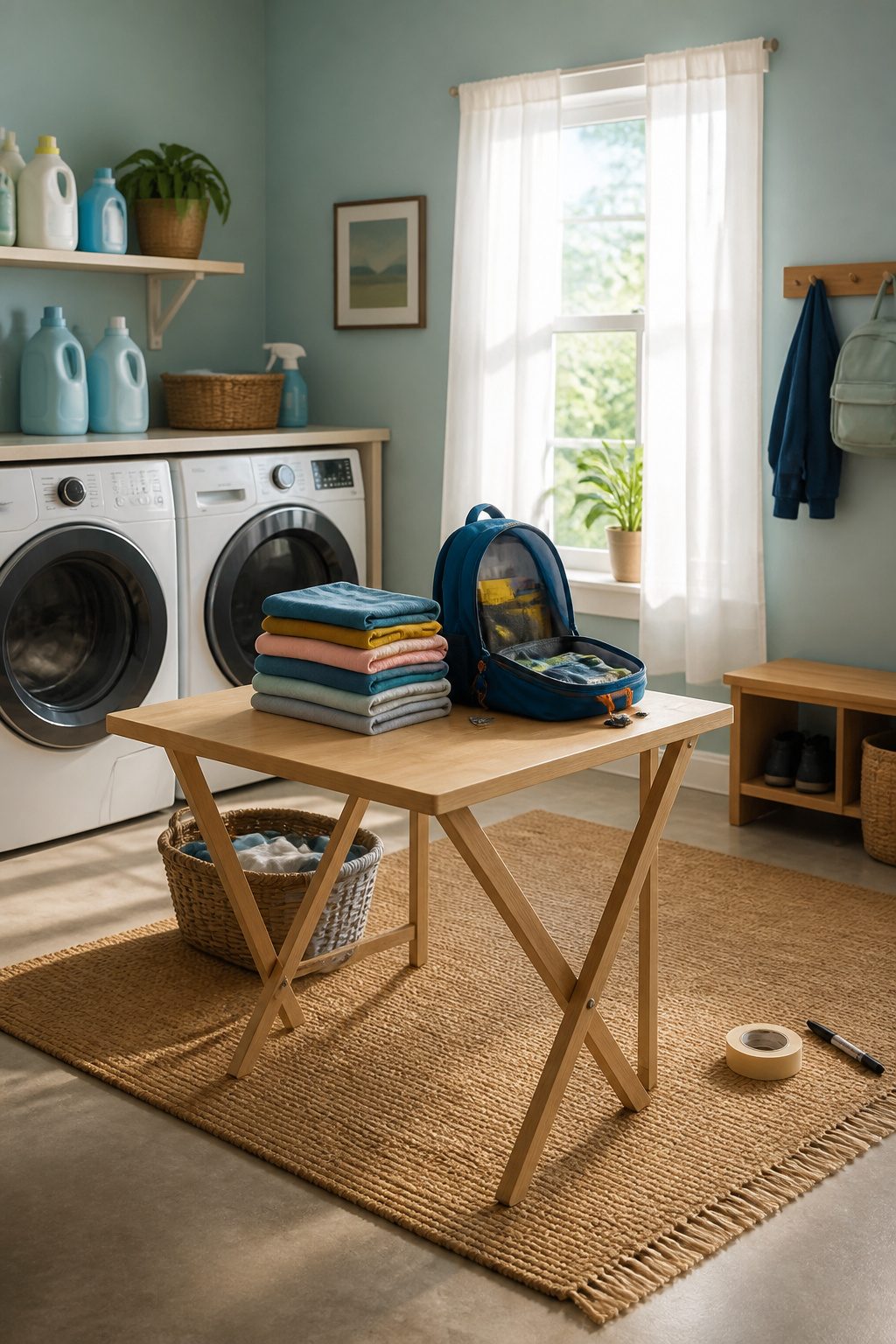
We start gathering preschool essentials about two weeks before the first day. That window sounds generous until you account for the small jobs that pile up: running everything through the wash to remove sizing chemicals from new fabrics, letting the child work the zipper on their backpack until they can manage it without looking down, and finding the permanent marker when you still have counter space for labeling.
Starting early also catches the out-of-stock item that every parent in your class seems to want the same week. We have watched the nap mat pattern sell out at two local stores and reappear only in the wrong color. Two weeks leaves room to order a replacement without paying rush shipping or settling for whatever is left on the shelf.
The real benefit is the lack of pressure on the child. A three-year-old who fumbles a snap closure while the car is running feels failure. The same child practicing on the living room floor, with no clock running, builds competence they will actually use.

【Lightweight & Comfortable】Designed for little explorers! With a size of 12*10*4(H*L*W) inches (cannot fit an A4 folder), this toddler backpack is super lightweight, reducing shoulder strain. Padded adjustable straps and a chest buckle ensure a snug fit for boys & girls aged 2-4 years old. We also provide another option with a larger size of 15*11*6 (H*L*W) inches and more pockets for kids aged 5-8.

Elegant Crafted Insulated Pocket: BTOOP litter girls backpack with thermal pocket is right up front for quick access to snacks and drinks, it keeps your snacks fresh, no matter the weather. Hidden surprise, A secret zipper pocket under the rain flap for extra fun!
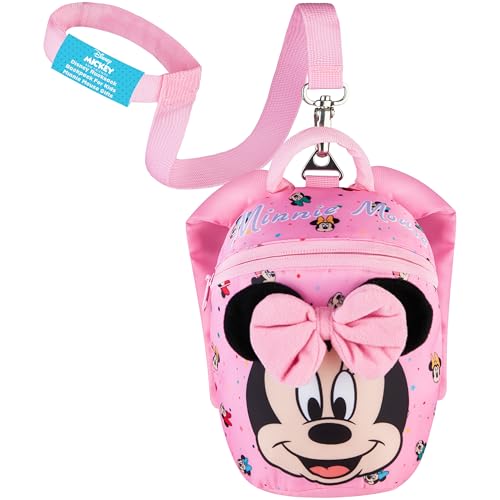
Stay Close with Confidence: This toddler safety harness features a detachable leash and chest strap to help keep toddlers secure in busy places like malls, parks, or airports with comfort and ease.
1. Child-Sized Backpack
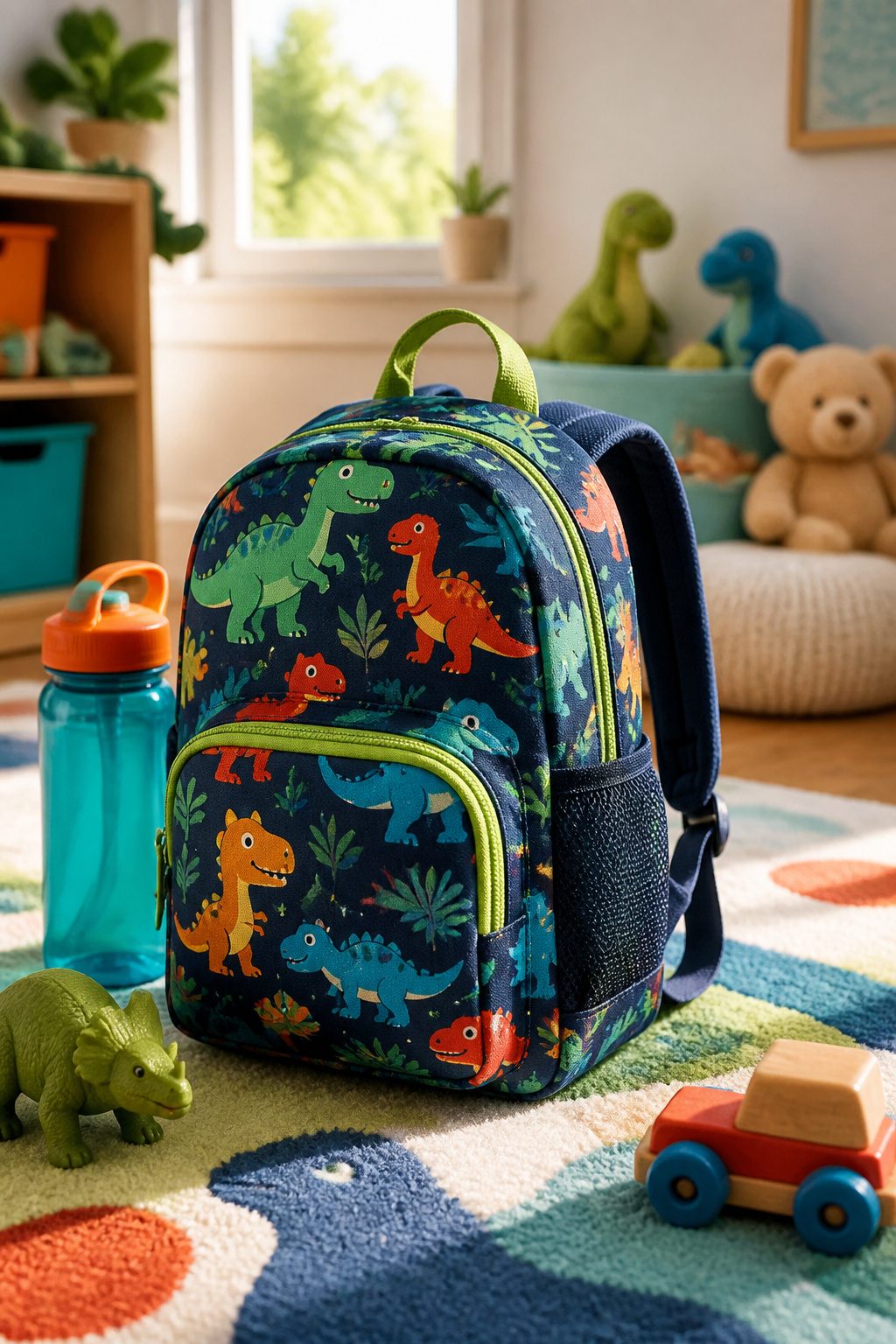
A preschool backpack needs to be lightweight and child-sized, not a scaled-down school bag meant for bigger kids. We look for padded straps that adjust so the weight sits on their shoulders, not hanging low against their spine, plus zippers they can work with mitten fingers in winter. Buttons and clips look cute but turn into a morning bottleneck; easy zippers win every time.
Letting your child help pick the color or print builds ownership in a way that carrying it for them never will. We have watched kids who refused to put on their shoes cooperate instantly when they chose the dinosaur pair. The same applies here. A bag they picked is a bag they will carry, and that independence cuts down the last-minute handoff at the door.

NAP MAT SHEET ONLY – NAP MAT NOT INCLUDED: Includes one Minnie Mouse nap mat sheet, carefully designed to fit standard preschool nap mats measuring 19” x 44” x 1”. The nap mat shown in photos is for display purposes only and is not included. This soft, comfortable cover keeps your child’s nap space clean, cozy, and stylish — ideal for parents who already own a mat and need an extra or replacement sheet.

Spiderman to the Rescue Preschool Nap Pad Sheet features Spiderman in a fun allover pattern!

Material: these nap mat covers are designed with exquisite craftsmanship, ensuring durability and long lasting use; The microfiber material offers a soft and comfortable feel for a restful nap, ideal for many girls or boys looking for some added comfort during their nap time
2. Change of Clothes
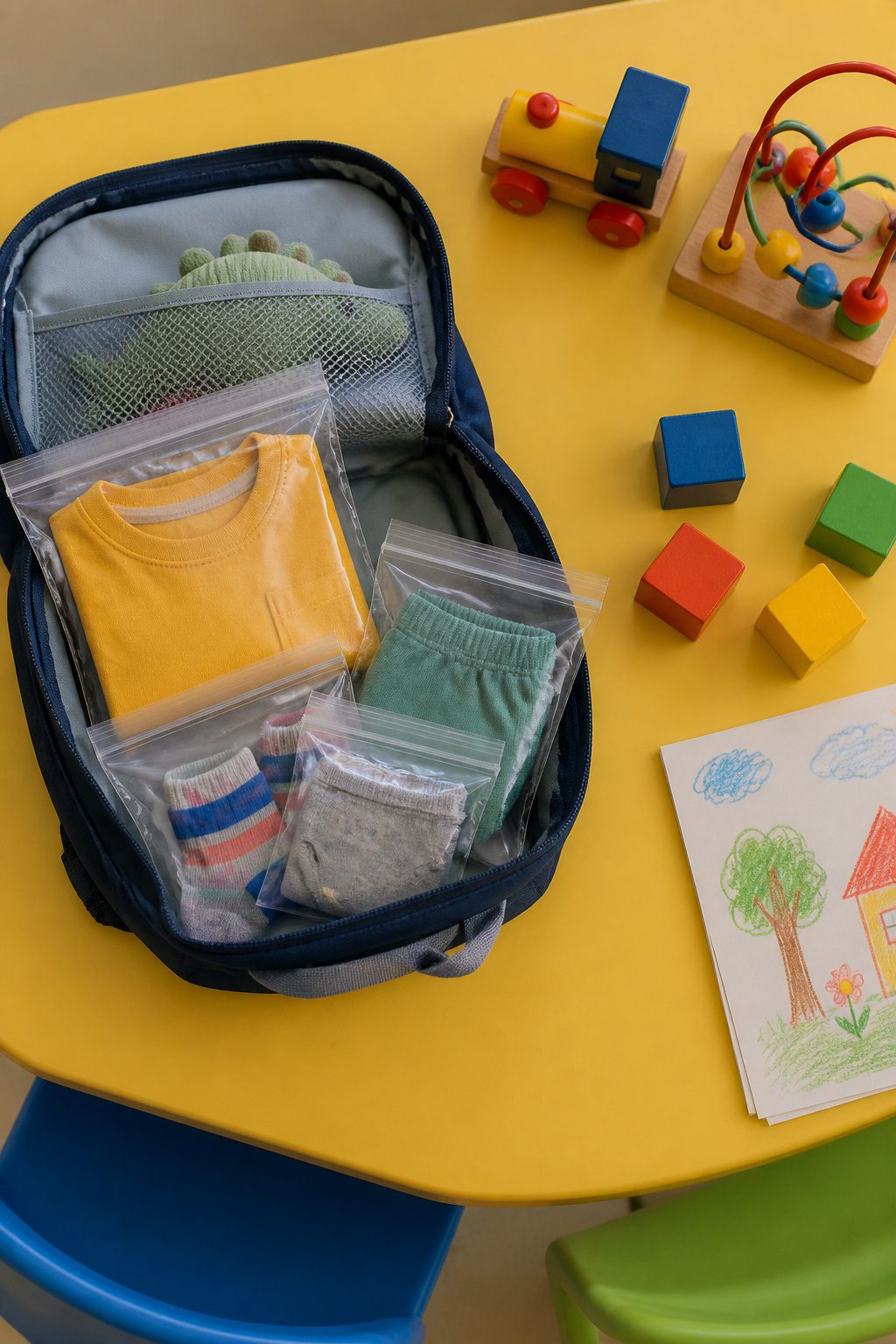
Spills happen at the water table, paint smears across a shirt, and suddenly your child needs a full reset before pickup. We keep a complete change of clothes at the bottom of the backpack: shirt, pants, underwear, and socks, every piece labeled with the child’s name. Two zip-top bags do the job. One holds the clean set. The second stays empty, ready for the soiled clothes to go back home without leaking onto anything else. Teachers have enough to manage without hunting for whose wet socks belong to whom, so we write the name on tape inside the collar and waistband where it won’t wash off or itch. That extra bag also means you’re not handed a soggy paper towel bundle at the door. Pack it once, check it monthly, and the whole system runs quiet.
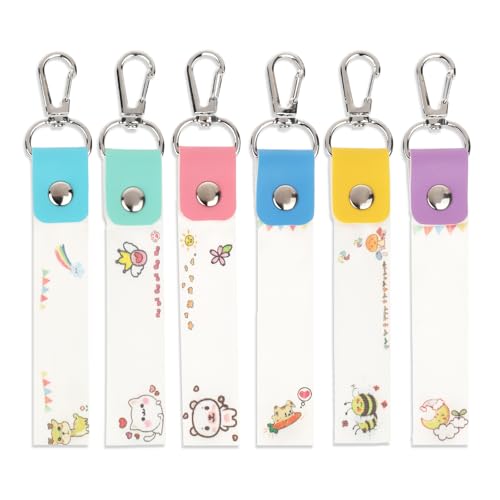
Design Diversity: The name labels for kids boasts six unique, cute patterns on both the front and back, offering a delightful visual appeal for kids and adults alike.

PACKAGE INCLUDING- A set include 2 pieces cute luggage tags: 1 blue,1 orange.

【Multiple Color Labels】: You will receive 30 pcs daycare labels, 10 pcs each of white, orange and blue, and 30 pcs nylon rope in 6 colors. Bright colors and sufficient quantity. If you have more than one child, different colored rubber rings and nylon ropes make it easier to distinguish multiple children's items.
3. Water Bottle
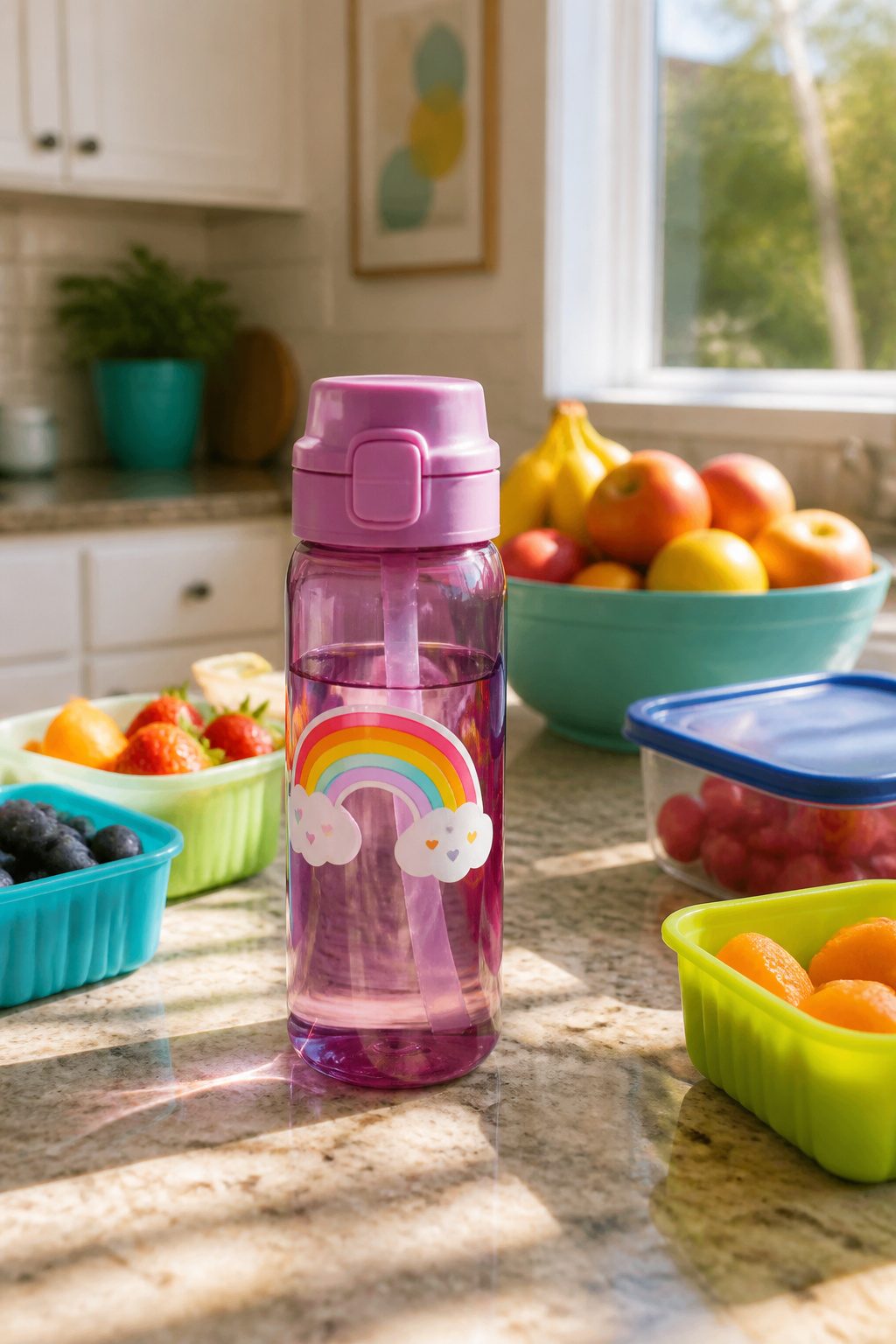
We have watched a full water bottle disappear into a backpack and come back two hours later untouched because the lid was too stiff for small hands. That defeats the whole point, so spill-proof and kid-openable are not separate features; they are the same requirement.
Look for a lid with one moving part, maybe a push-button flip top. The fewer seals and gaskets, the less there is to misalign when a four-year-old snaps it shut at a table already crowded with paint cups. We like lids that stay attached rather than unscrewing completely, because detached lids go missing by Wednesday.
Label the bottle with a waterproof sticker or a permanent marker on the body, not the lid. The lid is what gets left on the drinking fountain or swapped with a classmate’s. Refill it with fresh water each morning before school; sending yesterday’s half-full bottle back is how you grow things you do not want to smell at pickup.
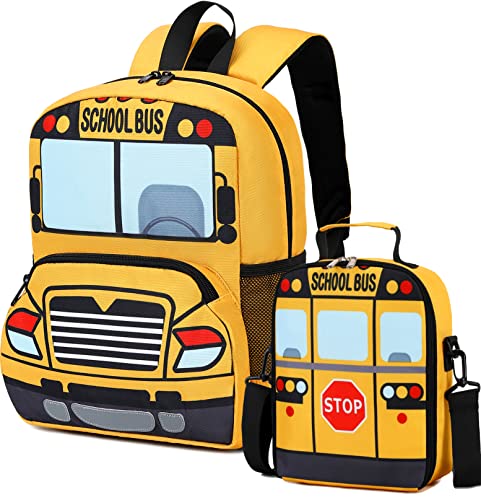
3D Cartoon bus Backpack with lunch bags - This toddler backpack designed for children ages 2-4. Solid, adorable, multi-purpose backpack with bright and attractive colors. backpack size:10.03*4.53*12.2inches, 9.09L

TODDLER BACKPACK - Made for mini adventurers ages 2-4 years old! Features adjustable padded straps to accommodate every pint-sized explorer. Size: 10 Liters - 12inx11inx5in.

Whimsical details and durable materials make this animal backpack the perfect pack for on-the-go!
4. Healthy Snacks
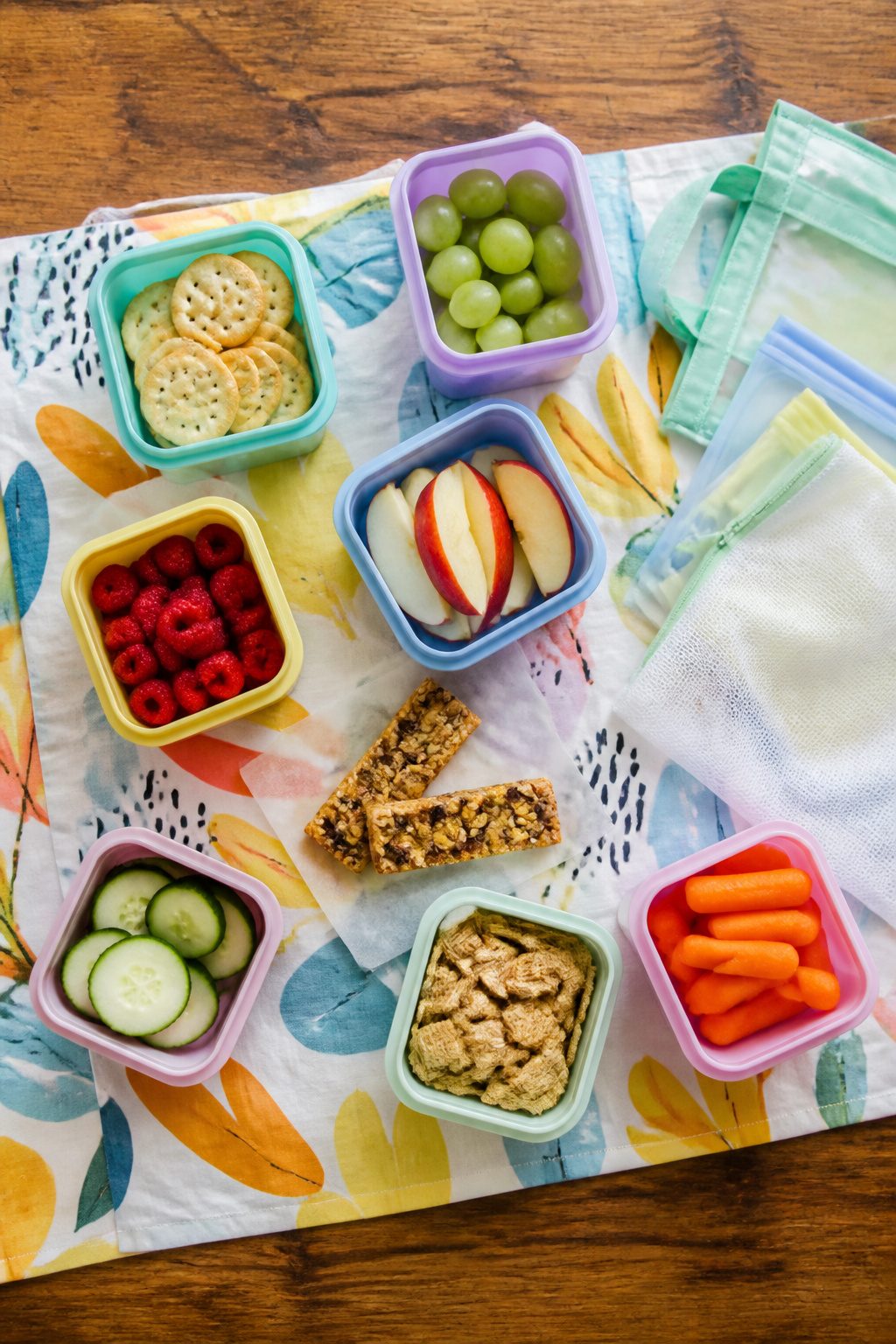
If your preschool allows snacks from home, we keep it simple: crackers, fruit slices, or granola bars hold up fine in a cubby until morning break. Reusable containers or snack bags make cleanup easier and cut down on the daily trash, which teachers notice and appreciate.
The allergy policy is where this can go sideways fast. We learned to check that policy before packing anything, not after. Some classrooms ban nuts entirely; others flag specific allergens by child. A quick read of the school handbook or a note to the teacher saves you from being the parent who sends home a whole bag of suddenly-contraband trail mix. Non-perishable helps, but classroom-safe is the actual rule.
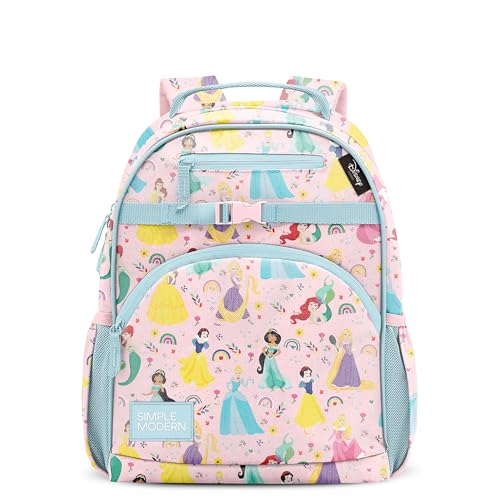
KIDS BACKPACK FOR SCHOOL & DAYCARE: Sized for toddlers, preschoolers, and kindergartners ages 3 and up - the right fit for little shoulders carrying snacks, a tablet, and a lunch box to school, daycare, or weekend trips.

This preschool backpack for girls is lightweight, with adjustable chest strap, multiple pockets, fits 11.8"ipod/ Mac and accessories, 3" binder/folders, school supplies and lunch box, etc.

Elegant Crafted Insulated Pocket: BTOOP litter girls backpack with thermal pocket is right up front for quick access to snacks and drinks, it keeps your snacks fresh, no matter the weather. Hidden surprise, A secret zipper pocket under the rain flap for extra fun!
5. Nap Mat or Blanket
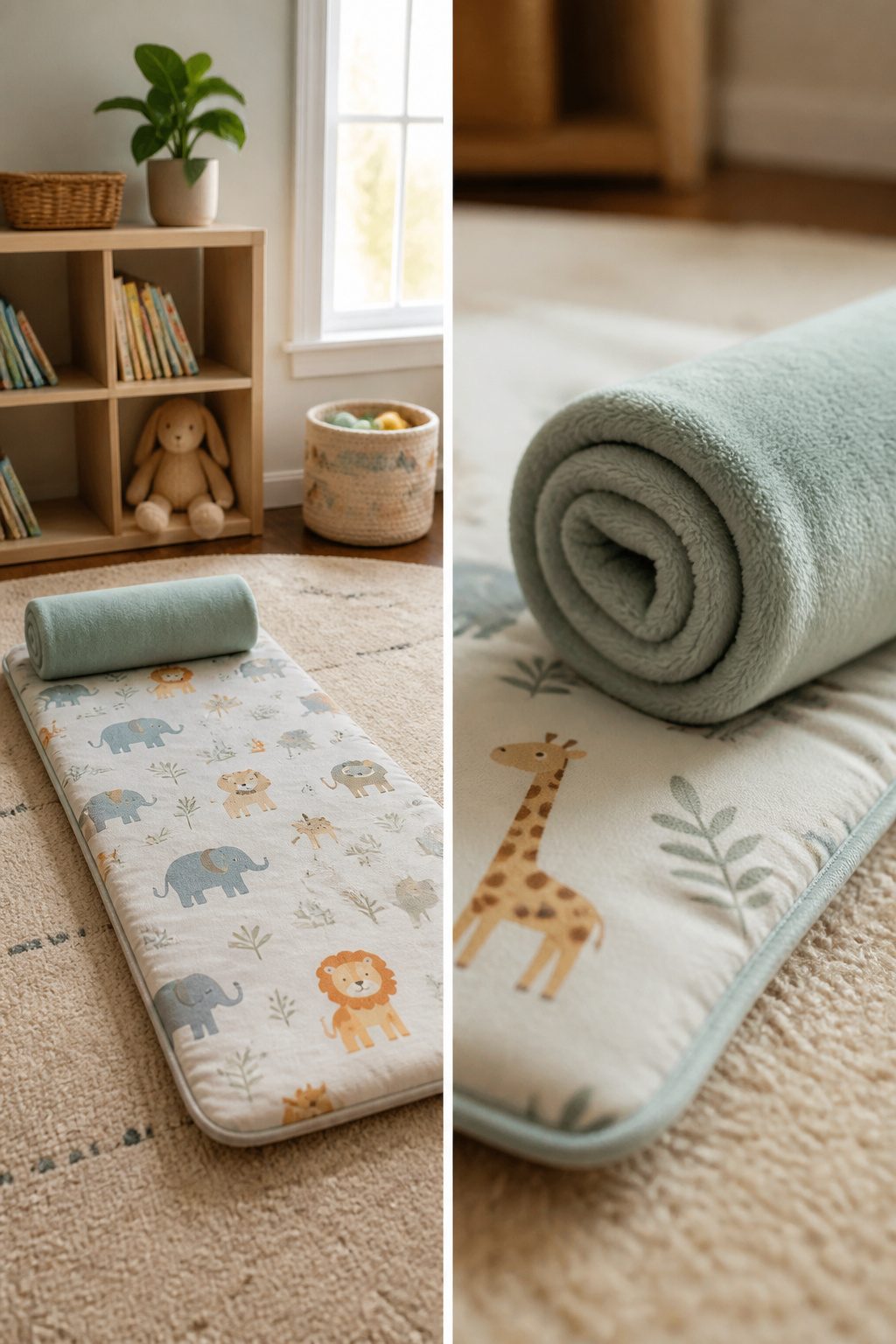
Not every program still runs a nap period, so check your handbook before you buy anything. If they do, you will usually need a fitted crib sheet and a small blanket, and some classrooms also ask for a nap mat or a soft pillow. We have seen teachers who prefer the mat because it gives each child a defined space on the floor, and others who are fine with a blanket the child already knows. Either way, label it. The same marker you use on the backpack works here, stitched onto a corner or written on the tag. A familiar blanket smells like home, and that matters more than whether it matches the rest of the gear.
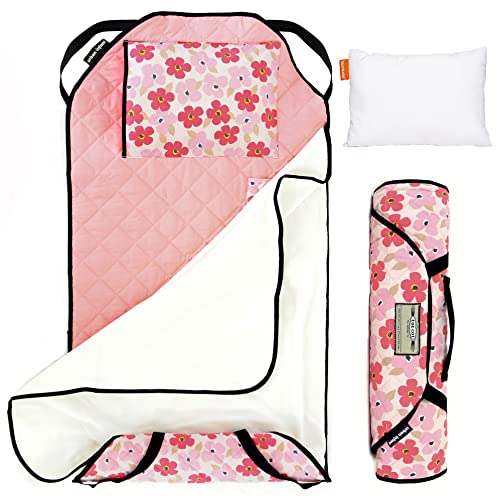
BUILT FOR PRESCHOOL / DAYCARE NAPPERS — portable all-in-one bedding solution for modern on-the-go parents of children attending preschool or daycare – includes removable pillow, sewn-in blanket, and name tag. Premium Features: Removable pillow is now 100% machine-washable, and blanket has been upgraded to a premium double-sided no-pill fleece

Soft & Cozy Microfiber Fabric: Made from high-quality microfiber, this fitted nap/rest mat sheet offers a soft, gentle surface that adds comfort and warmth during nap time in daycare and preschool settings.
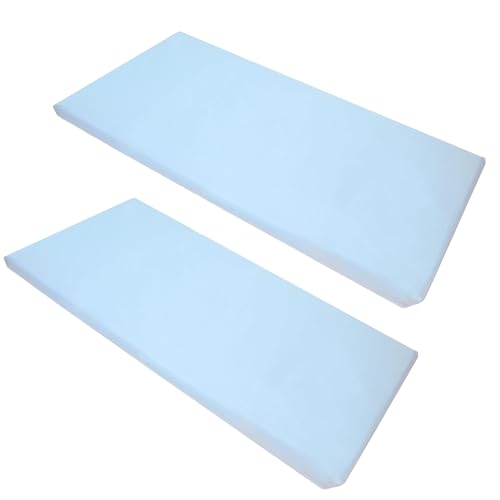
Soft & Cozy Microfiber Fabric: Made from high-quality microfiber, this fitted nap/rest mat sheet offers a soft, gentle surface that adds comfort and warmth during nap time in daycare and preschool settings.
6. Comfort Item
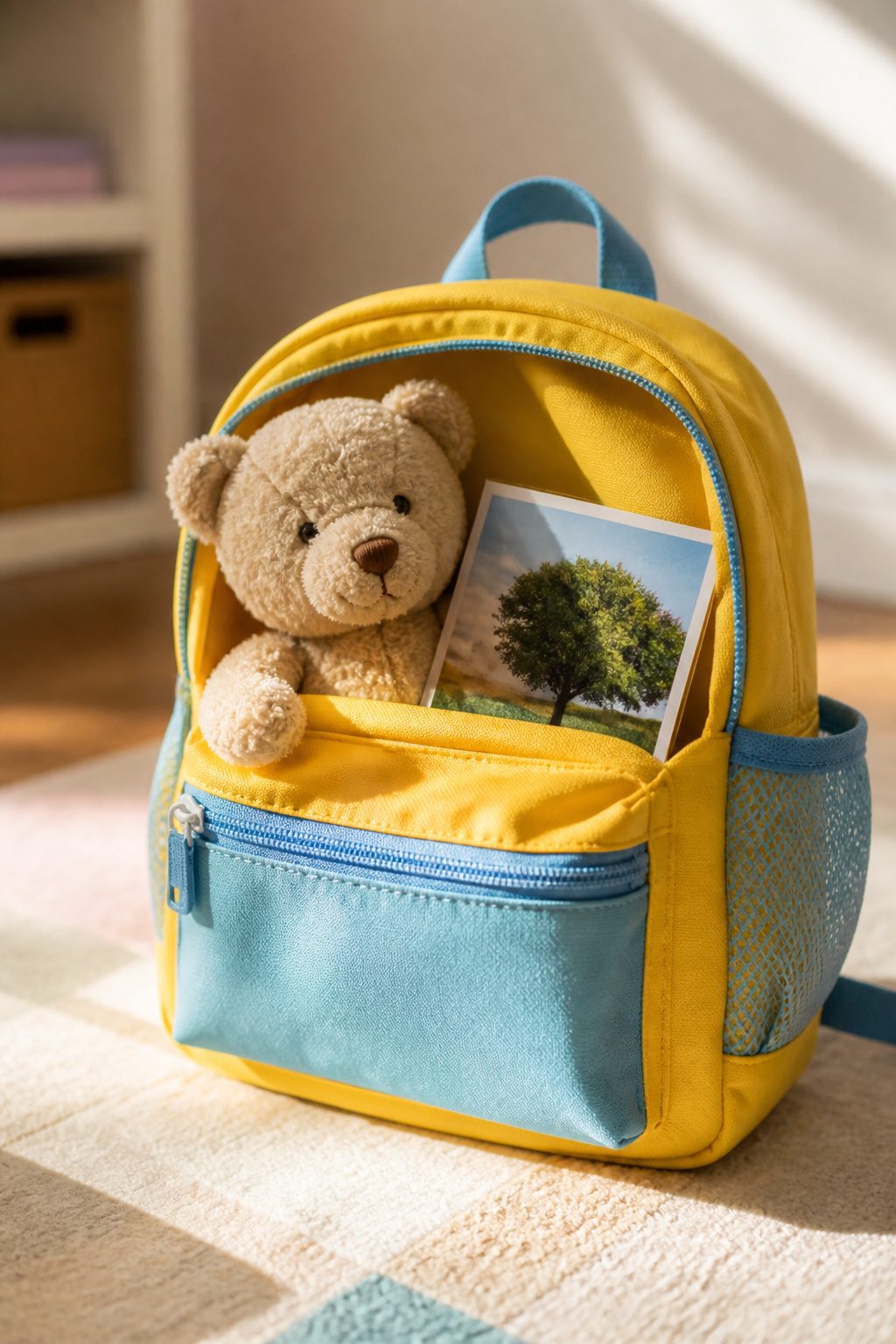
A small stuffed toy or laminated family photo tucked into the backpack can make the difference between a child who walks in alone and one who freezes at the door. We have seen it work both ways. Some teachers allow a soft lovey at nap time but not during active play, so ask before you send one. If toys are not permitted, a laminated family photo takes almost no space and gives the child something to hold during transitions. Keep it compact enough that it does not become a distraction or get left behind on the playground. The photo also helps teachers comfort a child who cannot yet explain what they need, and it costs nothing beyond a few minutes at a print shop.

VALUE 6 PACK: Includes 6 premium write-on bag tags. 2X more than others.

Product Includes: You will receive 6 pieces personalized name tags with cute and different patterns in the front and back. Sufficient quantity meets your daily use and replacement needs.
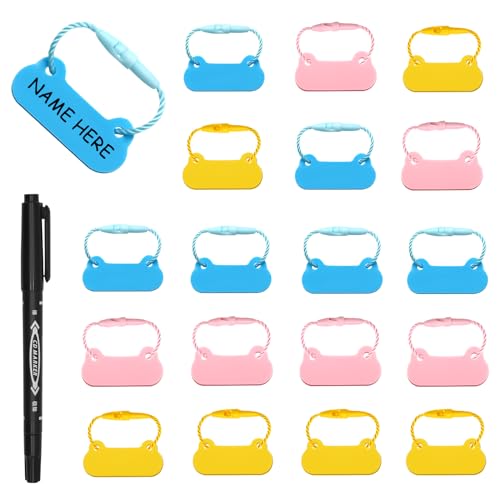
【What You Will Receive】: 18 PCS waterproof shoe name tags in 3 colors, 6 of each, with nylon rope and 1 marker.
7. Weather-Appropriate Outerwear
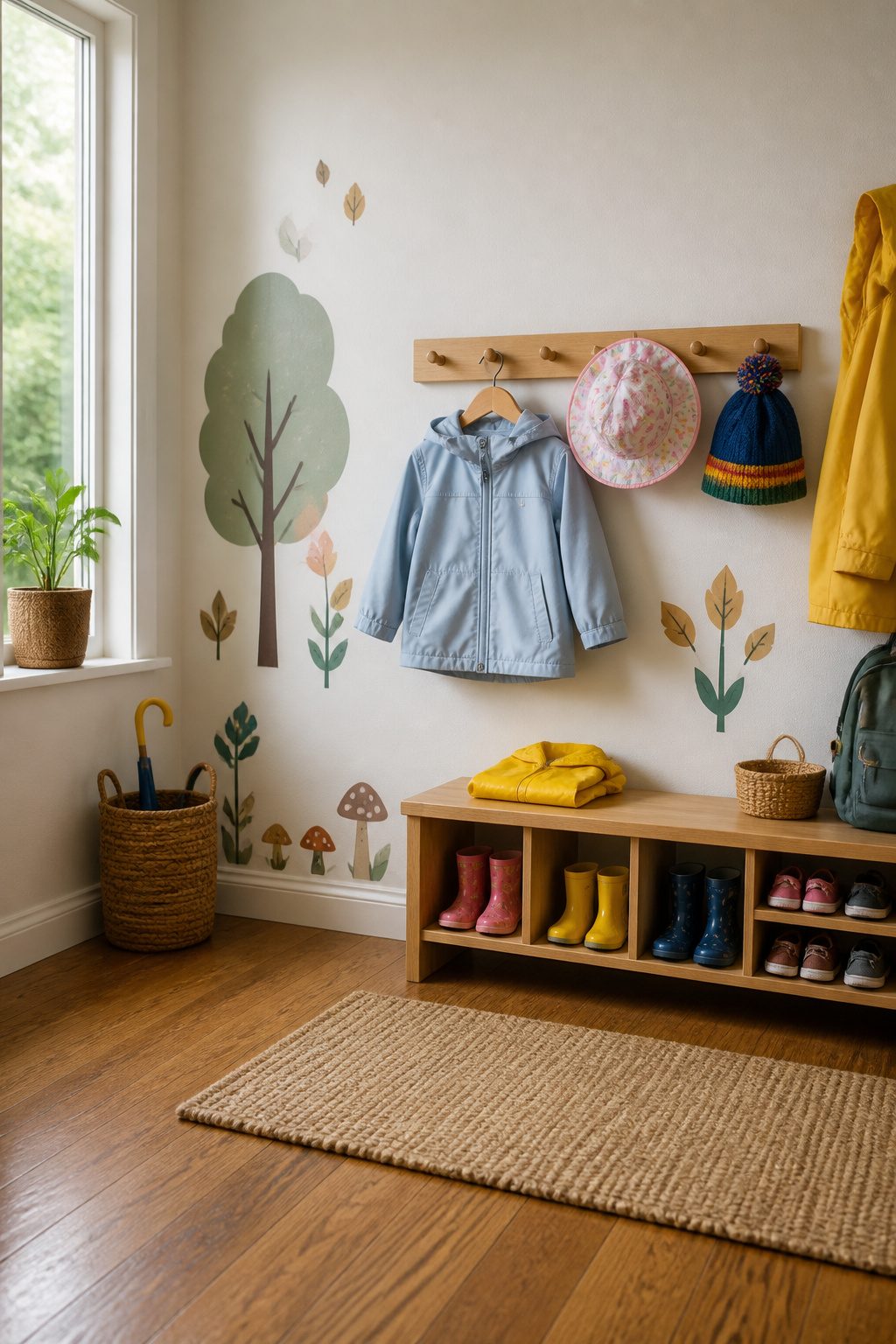
Preschoolers spend time outside daily, so the outerwear you pack needs to match the season without turning their cubby into a closet. We keep a light jacket, sun hat, or beanie in rotation depending on the forecast, and we always tuck in a compact raincoat or poncho when clouds look likely. Dressing in layers helps them stay comfortable through morning chill and midday sun without needing a full wardrobe change. A child-sized raincoat beats an adult poncho every time; the extra fabric on a grown-up version trips them up on the playground. We learned that after one muddy March morning. Skip the umbrella, though. Teachers do not need ten preschoolers swinging spokes at knee level.

【Perfect for 2-4 Year Old Girls:】 This 12" toddler backpack is specially designed for young girls aged 2 to 4, ideal for preschool or kindergarten. It’s the perfect size for your little one to carry their essentials in a comfortable, lightweight bag.

RADIANT RAINBOWS PRINT BACKPACK: Make magic of your day - make it sparkle, shine, commute and travel with this fun rainbow magic printed backpack!

Size: The size of toddler backpack is 8.3*3.9*10.2 inches for kids whose age is from 3-6 years
8. Folder or Communication Notebook
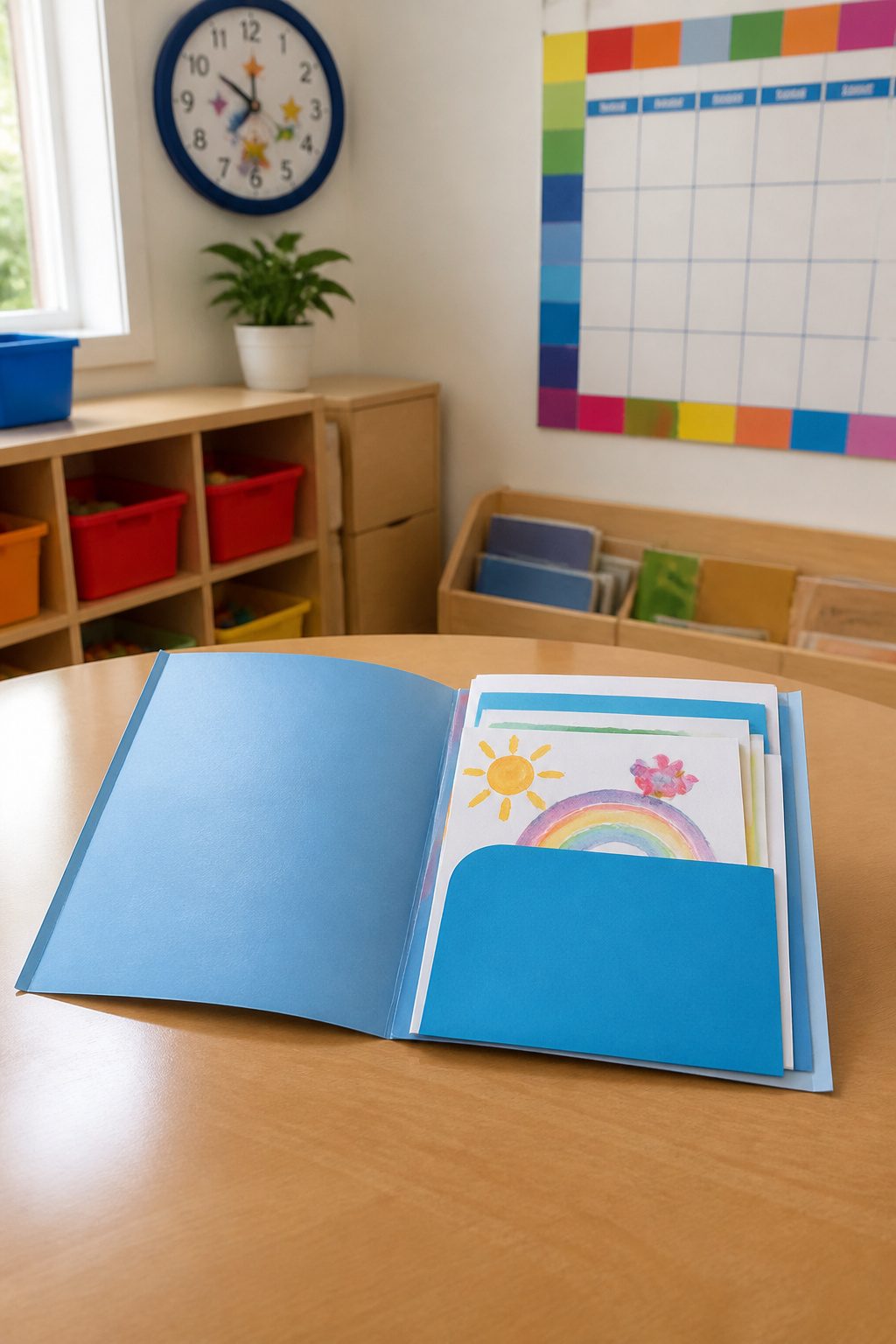
Most preschools still run on paper, and the folder or communication notebook is where that paper lives. Check it daily for notes from the teacher, reminders about upcoming events, and the artwork or worksheets your child brought home. We have seen mornings fall apart because the folder stayed on the kitchen counter, so we build the check into the bedtime routine instead: empty the backpack, sign whatever needs signing, repack the folder, and set the whole bag by the door. It takes under two minutes and it saves the scramble of trying to find a permission slip while the car is running. If your school does not use a folder, they will tell you at orientation; until then, buy a simple two-pocket folder and label it with your child’s name. The system only works if the folder travels both directions, so teach your child to hand it to you directly rather than letting it sink to the bottom of the bag.

【DIMENSIONS】:Size:13.7" x 11" x 5",Our backpacks come in a variety of colors and designs.They are perfect for children, make them excited to use them every day,for 3+years old kids

【SIZE&STRUCTURE】This toddler boy backpack measures approximately 12" x 10" x 4". One main compartment, front pocket, two side pockets. Roomy to fit books, pens, pencil case, snacks, and toys, water cups, umbrellas. Fit your kids' daily essential needs. Lightweight and easy to carry.

Elegant Crafted Insulated Pocket: BTOOP litter girls backpack with thermal pocket is right up front for quick access to snacks and drinks, it keeps your snacks fresh, no matter the weather. Hidden surprise, A secret zipper pocket under the rain flap for extra fun!
9. Sunscreen and Lip Balm
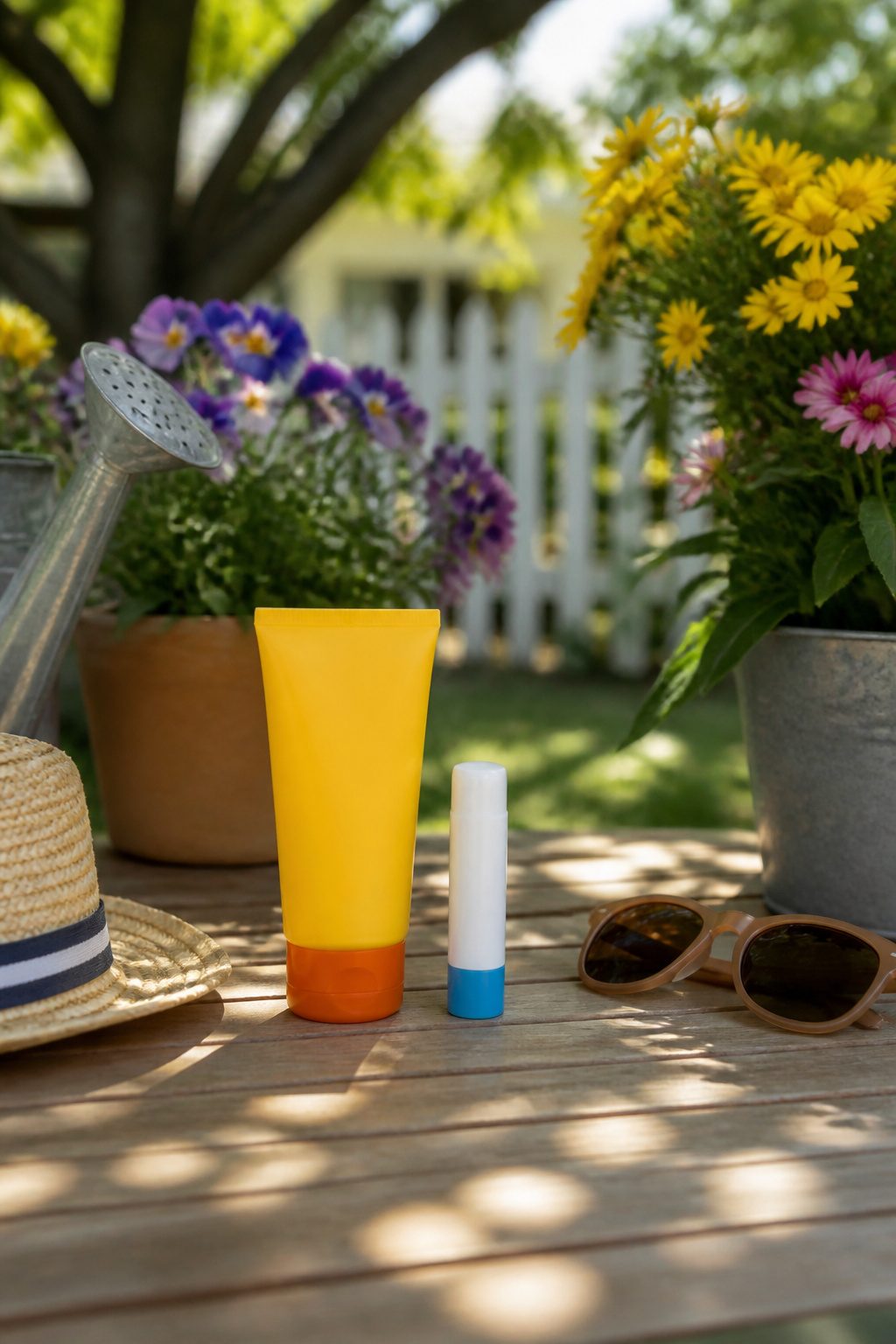
Most preschools keep a stock sunscreen for outdoor time, but that generic formula can sting a child with sensitive skin or eczema. We learned this the hard way after picking up a red-faced kid one May afternoon. Now we send a clearly labeled tube of our own sunscreen and flag the teacher at drop-off so it actually gets used. The same goes for lip balm on dry, windy days when the playground turns lips chapped before snack time. Check your school’s policy first; some require a permission form for staff to help with application, and a few will only let you send a small, labeled tube rather than a full family bottle. A three-dollar stick of plain balm beats a week of cracked, sore lips, and it takes up less room than a crayon in the cubby.

Featuring a blue ground with Spider-Man, Spiders and Spider Webs in colors of red, blue, black and some white

Soft and High-Quilaty: The quilted toddler nap mat comes with soft blanket and pillow. The surface of nap mat is made with high-quality poly microfiber, and an interior lining made of soft and warm plush, materials are free of harsh chemicals. With our nap mat, parents can rest assured that their children have a restful and enjoyable nap time wherever they go.

100% Cotton for Softness & Durability: Made from premium 100% cotton percale, this fitted nap/rest mat sheet provides a soft, breathable surface for young children during nap time. Ideal for daycare, preschool, and kindergarten use.
10. Diapers or Pull-Ups
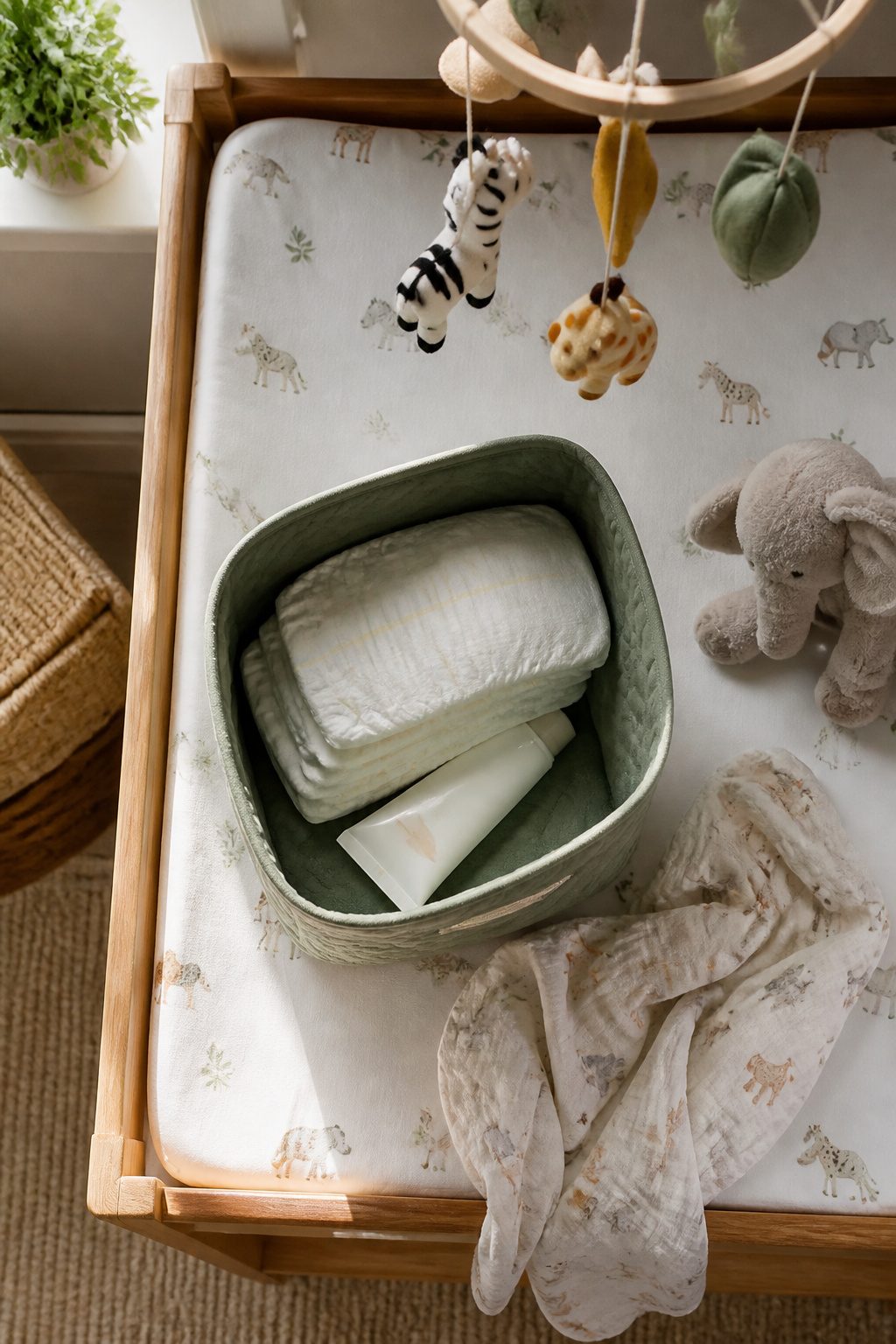
Most preschools expect you to send a full day’s supply if your child is not yet toilet-trained. We learned the hard way that "a few extras" does not cut it. Pack enough diapers or pull-ups to last from drop-off to pickup, plus a separate zippered pouch with baby wipes and a travel-size diaper cream if the school allows it. Label everything with your child’s name, not just the bag. Staff handle dozens of changes daily, and a clear name tag saves them from hunting through identical plastic bins at the worst moment. Some schools stock their own supplies; most do not. Call ahead and ask directly, because the answer changes your packing list completely.
Label Everything
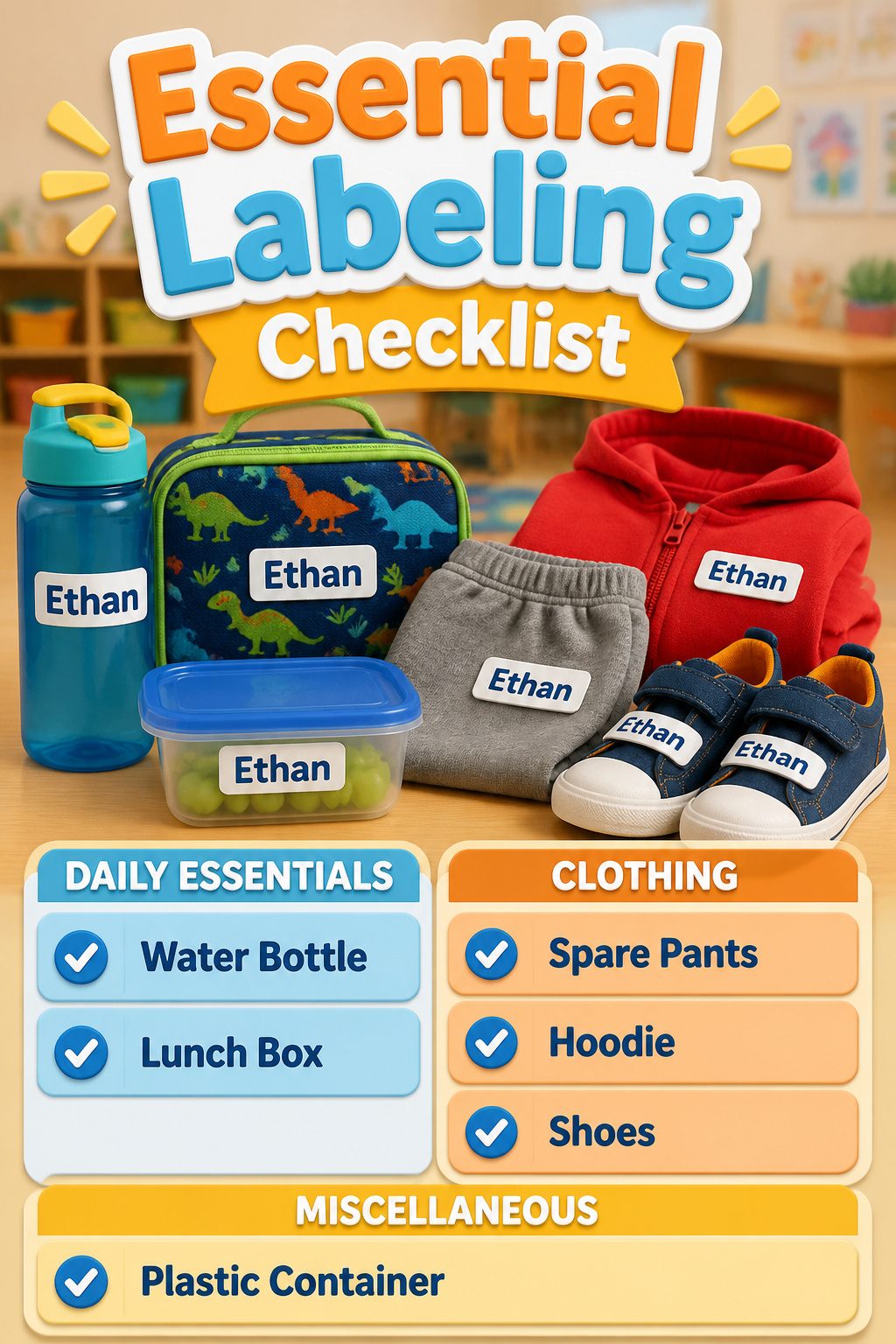
We learned this the hard way after one too many mornings digging through the lost-and-found bin. If it leaves your house, it needs a name on it. That means the water bottle and lunch box, yes, but also the spare pants, the hoodie, the shoes, even that random plastic container you tossed in as an afterthought. Preschool is where belongings go to disappear into the collective pool; durable, waterproof labels are what pull yours back out. We stick them on everything now, and future us has stopped making those 7 a.m. replacement runs. A permanent marker works in a pinch, but it bleeds on fabric and wears off plastic. Spend the few dollars on labels that can survive the dishwasher and the washing machine both.
Pack Snacks and Lunch That Comply
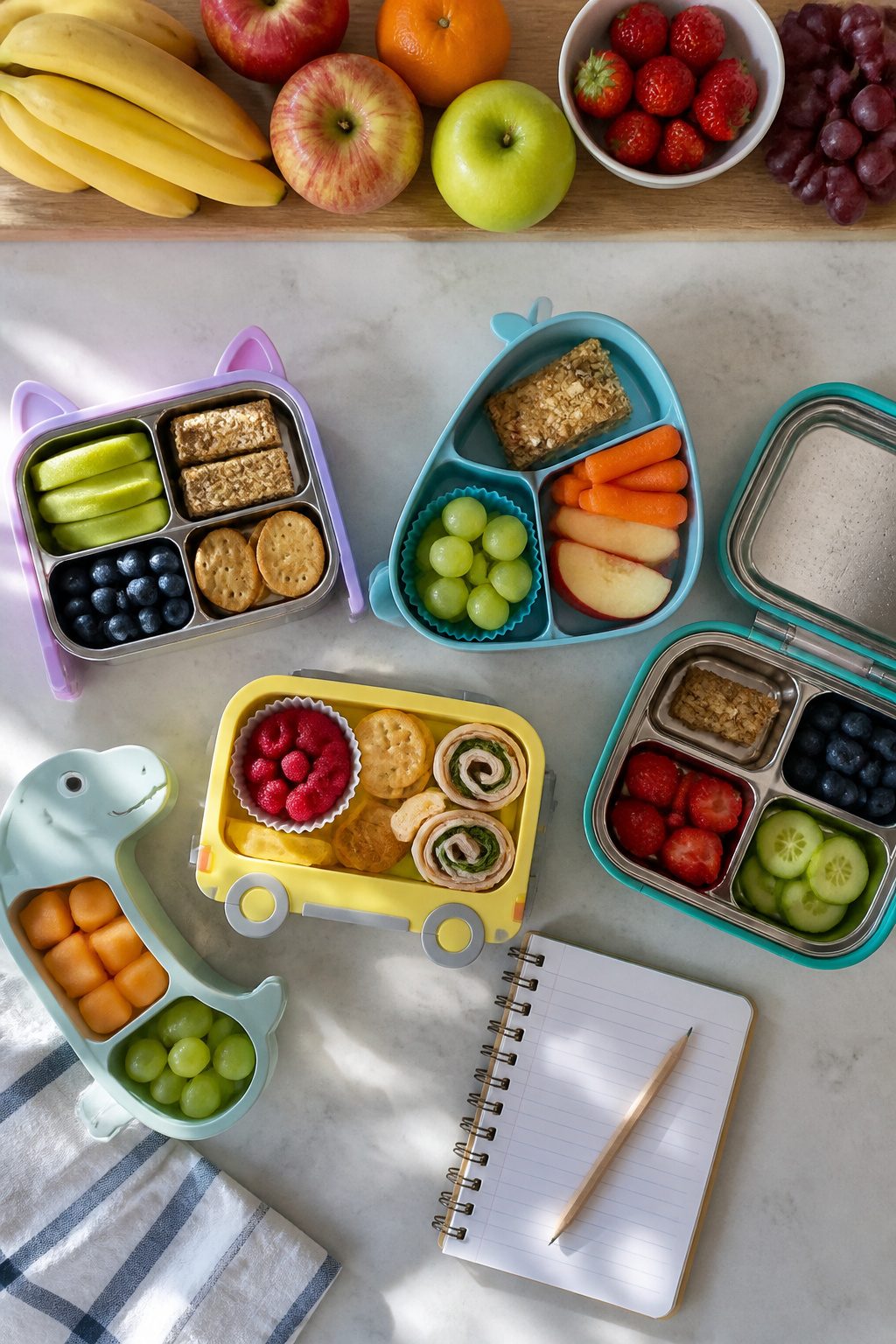
If your preschool allows snacks from home, stick with simple, non-perishable options: crackers, fruit slices, or granola bars. These hold up in a backpack until morning snack time and do not require utensils your four-year-old will lose by Tuesday.
Always check the school’s allergy policy before you pack. Most classrooms ban peanuts or tree nuts outright, and some extend the list to dairy or eggs. A granola bar you bought without reading the label can turn a normal morning into a phone call from the front desk. We keep a photo of the allergy policy on our phones; it saves standing in the pantry second-guessing every package.
Use reusable containers or cloth snack bags. They cut down on the trash your child has to manage alone, and teachers notice which families make cleanup easier. Skip anything messy, anything sugary enough to wreck focus before lunch, and anything you would hate to see left behind on the playground.
Frequently Asked Questions
What should I pack for my child’s first day of preschool?
Pack a child-sized backpack, a full change of clothes, a spill-proof water bottle, weather-appropriate outerwear, and any required nap supplies. You also need to include diapers or pull-ups if your child is not yet toilet-trained. Checking the school handbook beforehand tells you exactly which items the classroom requires.
Do all items need to be labeled?
Every item leaving your house needs a clear name tag. Preschool belongings disappear into a collective pile fast, and durable waterproof labels are what pull yours back out. A permanent marker works in a pinch, but spend the few dollars on labels that survive both the washing machine and the dishwasher.
What if my child refuses to wear their preschool gear?
Letting your child pick the color or print builds a sense of ownership that carrying it for them never will. A bag they chose is a bag they will actually carry, which cuts down on last-minute handoff struggles at the door.