Nursery Essentials
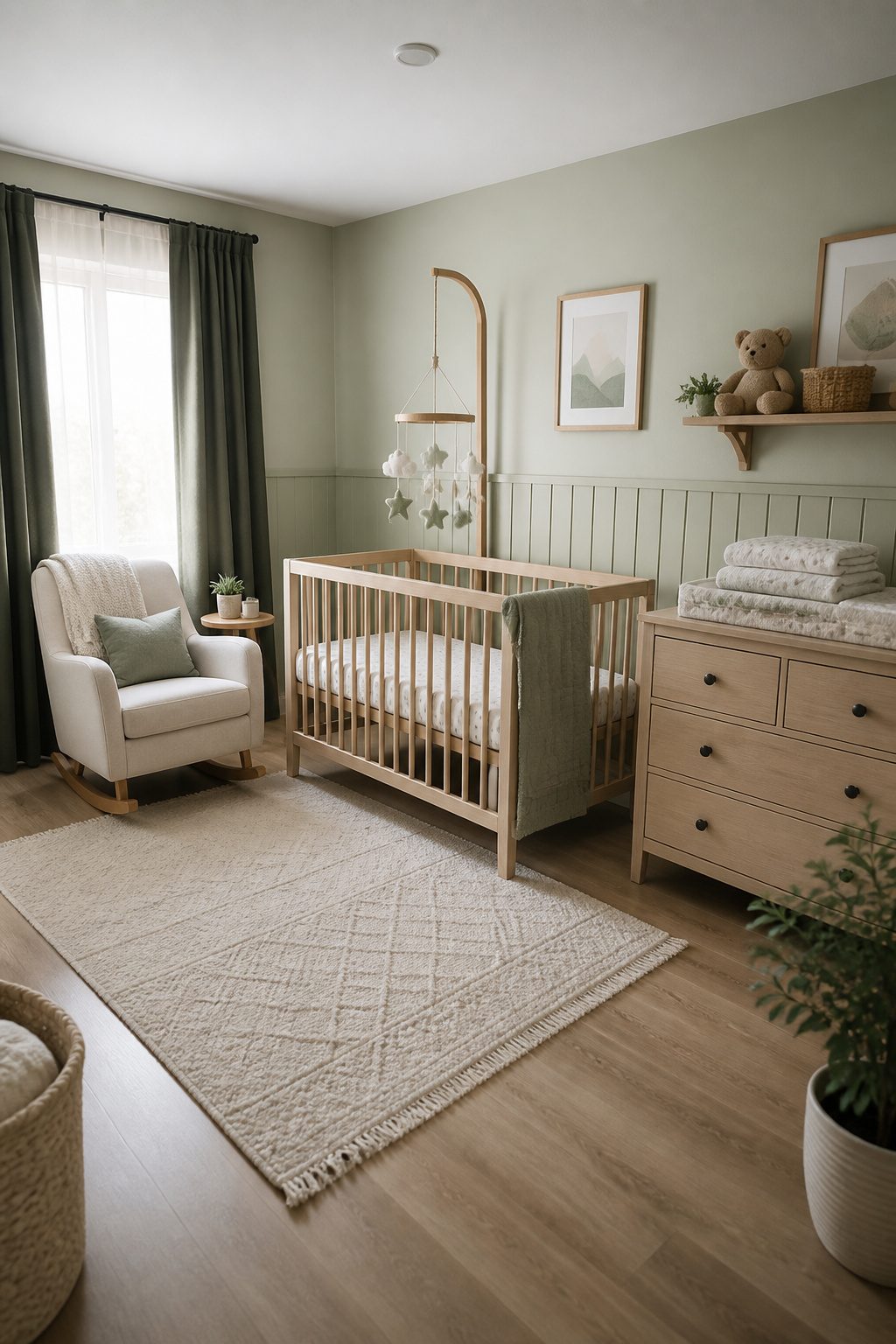
A safe crib is the non-negotiable center of the room. Current federal standards ban drop-side cribs, so buy new and compliant rather than accepting a hand-me-down with an older rail style.
Pair it with a firm crib mattress that fits snugly, no gaps at the edges, and add two waterproof protectors plus three or four fitted sheets so one can always be clean.
A bassinet is optional but useful for the first six months of room-sharing. If you go that route, buy sheets sized to that specific model.
For furniture beyond sleep: a dresser with a changing pad on top replaces a dedicated changing table and stores clothes as sizes rotate.
A glider or rocker earns its place, you will log real hours there. Blackout curtains are the cheapest nap upgrade you can buy.
A baby monitor is recommended for safety.
Audio-only works; video is preference, not requirement. Add a cool-mist humidifier for cold-and-flu season, and skip the sound machine if your monitor handles audio, or grab a Hatch Rest style that doubles as nightlight and grows into toddler years.
Skip: crib bumpers, inclined sleepers, pillow loungers for sleep, and matching crib bedding sets, the comforter never goes in the crib anyway.

PREMIUM MATERIALS & WELL-CRAFTED: The crib mattress protector is made of food-grade material with good water-resistance (TPU) and comfortable touch (super soft microfiber surface). Besides, the nice quilting process makes the crib mattress protector stable, elegant, and prolongs the life of your crib mattress.

Flexible Fit: Fits mattresses up to 6 inches thick with deep pockets for security.

100% Waterproof Protection: Our crib mattress protector offers a reliable shield against spills, accidents, and stains, keeping your baby's crib mattress clean and dry.
Diapering Supplies
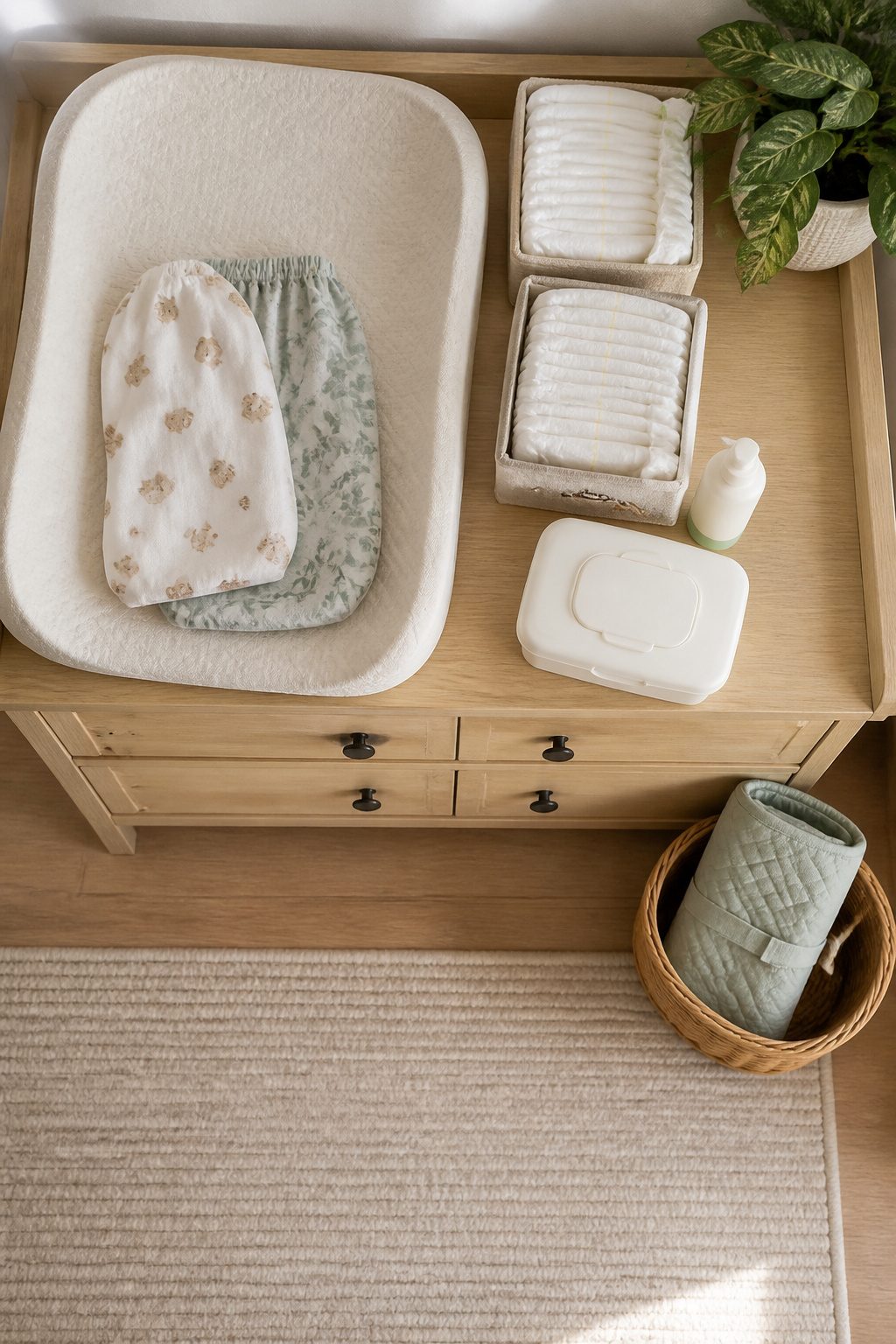
You will change roughly 2,500 diapers in the first year, so this is the category to stock generously and the one where gift cards help most.
- 1–2 boxes of newborn diapers only; many babies outgrow them in two to three weeks
- 2–3 boxes of size 1; this is where the real volume goes
- Water-based, fragrance-free wipes; the safest default for newborn skin
- One zinc-based diaper cream and one petroleum-based; you will learn which your baby’s skin prefers
- A contoured changing pad strapped to the dresser top, plus 2–3 covers, or choose a wipeable pad and skip covers entirely
- A diaper pail that takes regular trash bags; this saves real money over cartridge systems
- A portable changing mat that lives in the diaper bag permanently
We would skip the wipe warmer; babies adapt to room-temperature wipes within days. A dedicated changing table also outlives its usefulness fast, while the dresser-plus-pad combo works for a decade.

STAINLESS STEEL: The Ubbi Diaper Pail is made of stainless steel, providing superior odor control. This high quality stainless steel and rubber seal design ensures that unpleasant smells are contained within the pail, keeping your nursery smelling clean

Convenient Diaper Disposal Anywhere: designed for quick and easy cleanup during diaper changes at home, in the car, at daycare, or while traveling with baby

STAINLESS STEEL: The Ubbi Diaper Pail is made of stainless steel, providing superior odor control. This high quality stainless steel and rubber seal design ensures that unpleasant smells are contained within the pail, keeping your nursery smelling clean
Feeding Supplies
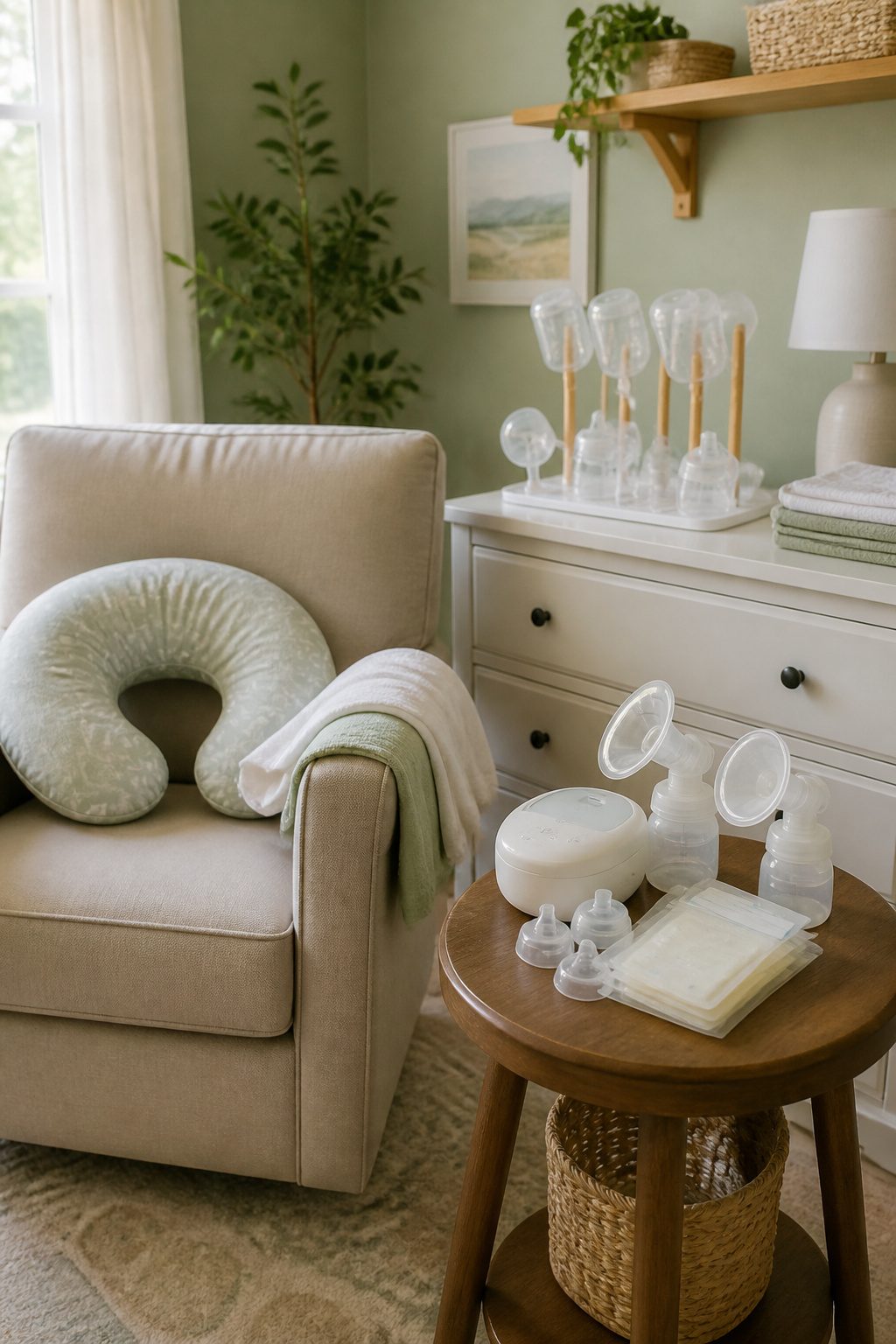
Feeding covers three phases, and the registry needs to flex across all of them. Here is what we would actually put on ours.
- 4 to 6 bottles to start, all one brand. Babies reject certain nipple shapes, so ten bottles of a dud brand is money in the trash. Extra slow-flow nipples for newborns, a dedicated bottle brush, and a drying rack that corrals the multiplying parts.
- Breast pump: call your insurance before you register. Most U.S. plans cover the pump itself at no cost, so you may want to ask for spare flanges, milk storage bags, and a cooler bag instead. If you are pumping at 2 AM, spare parts beat washing the same set on repeat.
- Nursing pillow, 8 to 12 burp cloths, and nursing pads. The burp cloths are the single most-reached-for textile in the house; the pillow saves your shoulders across months of feeds.
- High chair when solids start around six months. A footrest matters more than gadgets; simple wipeable models win.
- 5-plus cloth bibs for the drool months, 2 to 3 silicone catch-pocket bibs for the messier solids phase, and baby food storage containers for batching purees ahead.

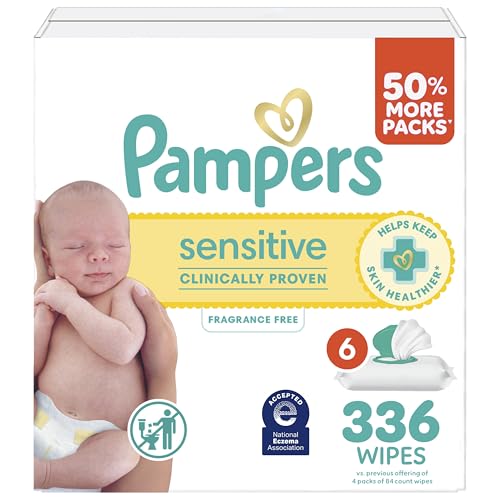
336 Wipes in 4 Packs of Pampers Sensitive Baby Wipes, Water Based, Hypoallergenic and Fragrance Free

12 flip-top packs of 64 Huggies Natural Care Sensitive Baby Wipes, Unscented (768 wipes total), packaging may vary
Clothing
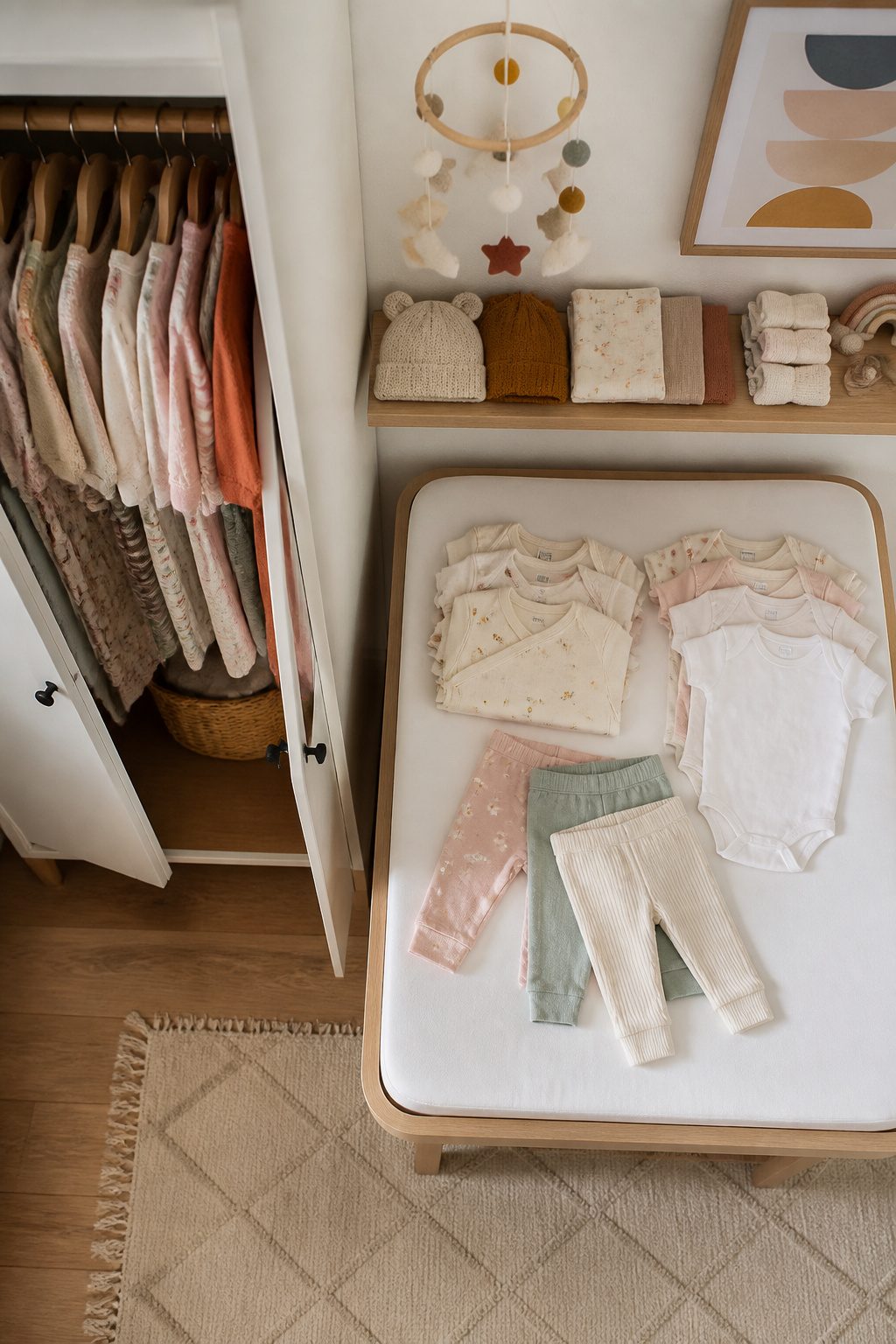
Clothing is where registries usually overflow, and where we think restraint pays off. 6–8 onesies for newborns is the workable minimum; you will do laundry every few days anyway, and babies outgrow that size in about two weeks.
Register for short- and long-sleeve sets in both newborn and 0–3 months so you are not caught without the next size up.
- 4–6 sleepers or footed pajamas, mixing newborn and 0–3 months
- 3–5 soft, stretchy pants or leggings
- 4–6 pairs of socks; they disappear faster than you expect
- 2–3 hats: a newborn cap plus a sun hat or winter version by climate
- 1–2 sweaters or jackets for layering, maybe one snowsuit if you are wintering in Salt Lake City
- 2–3 swaddles or sleep gowns if you prefer them to footies
Skip the dress-up outfits unless you want them; you will get plenty as gifts. Same for mittens: register for scratch mittens if you want them, but expect winter mittens to come from someone else.
We like 100% cotton, organic when we can find it, and we are not shy about used pieces for the newborn stage. Blowouts stain.
Growth spurts outpace them. The money you save here buys the car seat you actually need.

𝟰𝗟 𝗟𝗮𝗿𝗴𝗲 𝗧𝗮𝗻𝗸 𝗳𝗼𝗿 𝗖𝗼𝗻𝘁𝗶𝗻𝘂𝗼𝘂𝘀 𝗖𝗼𝗺𝗳𝗼𝗿𝘁: Enjoy quiet sleep without congestion, coughing, or dry mouth, DREO baby humidifier's ultrasonic atomization brings noise down to 28dB, while its 4L tank provides up to 36 hours of moisture without the need to refill.

𝙁𝙖𝙨𝙩 𝙃𝙪𝙢𝙞𝙙𝙞𝙛𝙞𝙘𝙖𝙩𝙞𝙤𝙣 𝘼𝙡𝙡 𝙉𝙞𝙜𝙝𝙩: Runs for up to 25 hours on low thanks to its SUPER LARGE capacity of 2.5 liters. The soothing moisture helps quickly relief congestion and dry throat.

【25H Runtime & Rapid Relief】The 2L tank provides 25 hours of continuous mist on low. Use high-output mode (200ml/h) for instant relief from dry throat and congestion within minutes. (Note: Use on hard surfaces; avoid carpets.)
Bathing Supplies
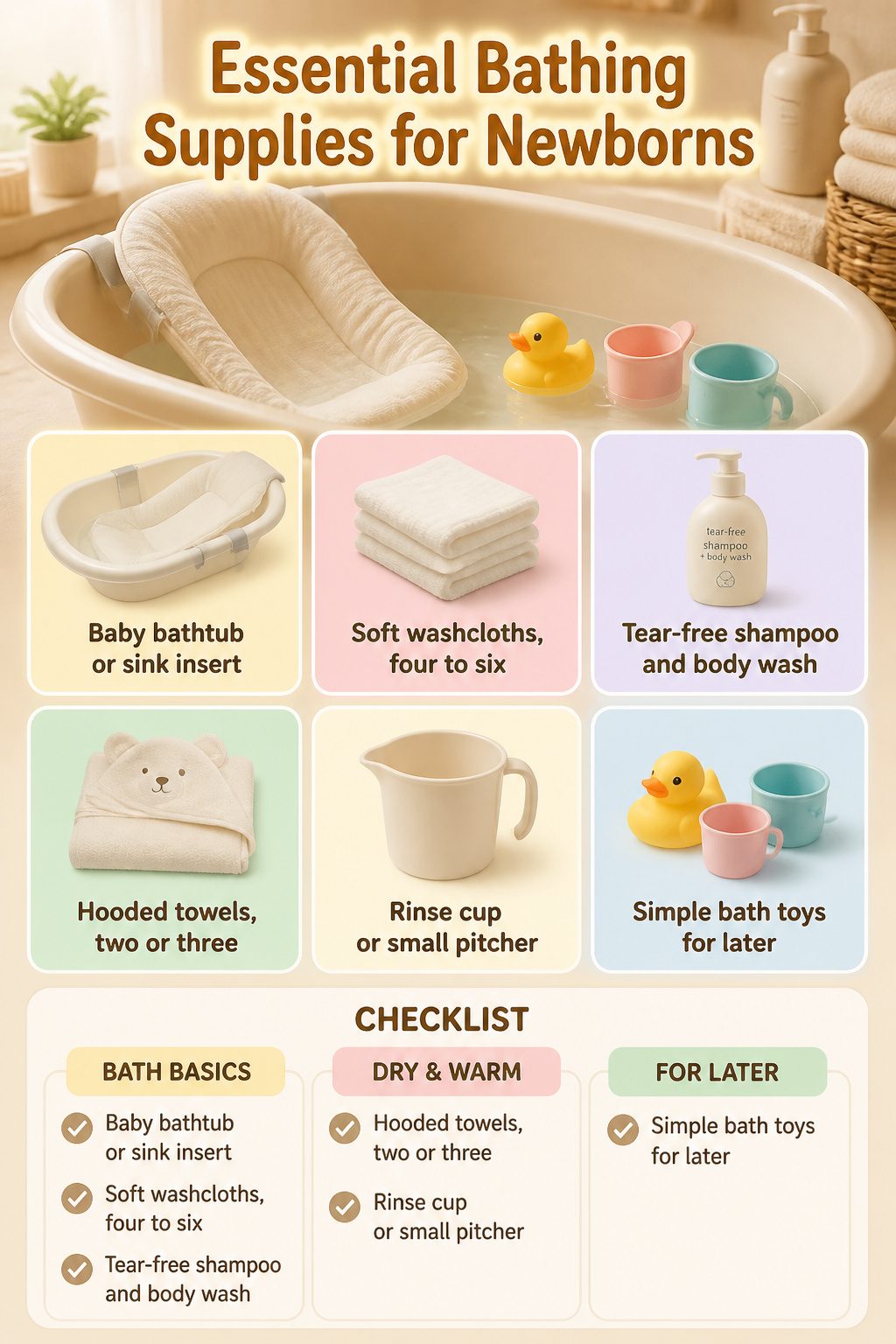
Bath time with a newborn is mostly about keeping them warm and not dropping them, and the gear reflects that. We keep our list tight to what actually gets used before they start sitting up on their own.
- A baby bathtub or sink insert gives you one free hand back. The sink works fine for the first few weeks, but a small tub with a sling or padded recline saves your wrists once they hit eight or nine pounds.
- Soft washcloths, four to six. You will use these for more than bathing, so the count is not generous. Cotton muslin or thin terry, nothing thick that holds water and chills against them.
- Tear-free baby shampoo and body wash in one bottle. One less thing to fumble with when they are slippery and you are alone. Skip the separate conditioner and the bubble bath for now.
- Hooded towels, two or three. The hood matters more than the towel thickness. A wet baby loses heat fast, and the hood buys you the thirty seconds it takes to get from tub to diaper.
- A rinse cup or small pitcher. You can use your hand, but a cup with a soft lip lets you pour while supporting their neck.
- Simple bath toys for later. Rubber ducks and small pouring cups wait in the drawer until they can sit, usually around six months. No need to register them now unless you want to fill a gift slot cheaply.
We skipped the bath thermometer after the first month.
Your elbow works fine, and the digital ones fog up or get lost. The FridaBaby 4-in-1 tub grew on us for the recline, though any tub with a sling buys the same time.

Relieves discomfort fast: This Maximum Strength Boudreaux's Butt Paste diaper cream helps treat and prevent diaper rash, providing fast relief and instantly protecting irritated skin with first use; this product is FSA & HSA eligible in the USA

A multi-action 3-in-1 diaper cream clinically proven to prevent diaper rash while soothing, relieving and restoring delicate baby skin at every diaper change. Supports healthy skincare for newborns and babies with sensitive skin.
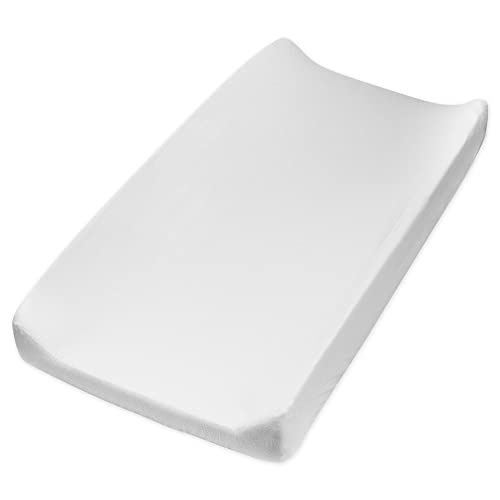
100% ORGANIC COTTON certified by GOTS: GOTS is the leading world-wide standard for products made in sustainable manufacturing facilities without the use of synthetic pesticides, are non-toxic, PVC free and made without heavy metal phthalate dyes
Travel Gear
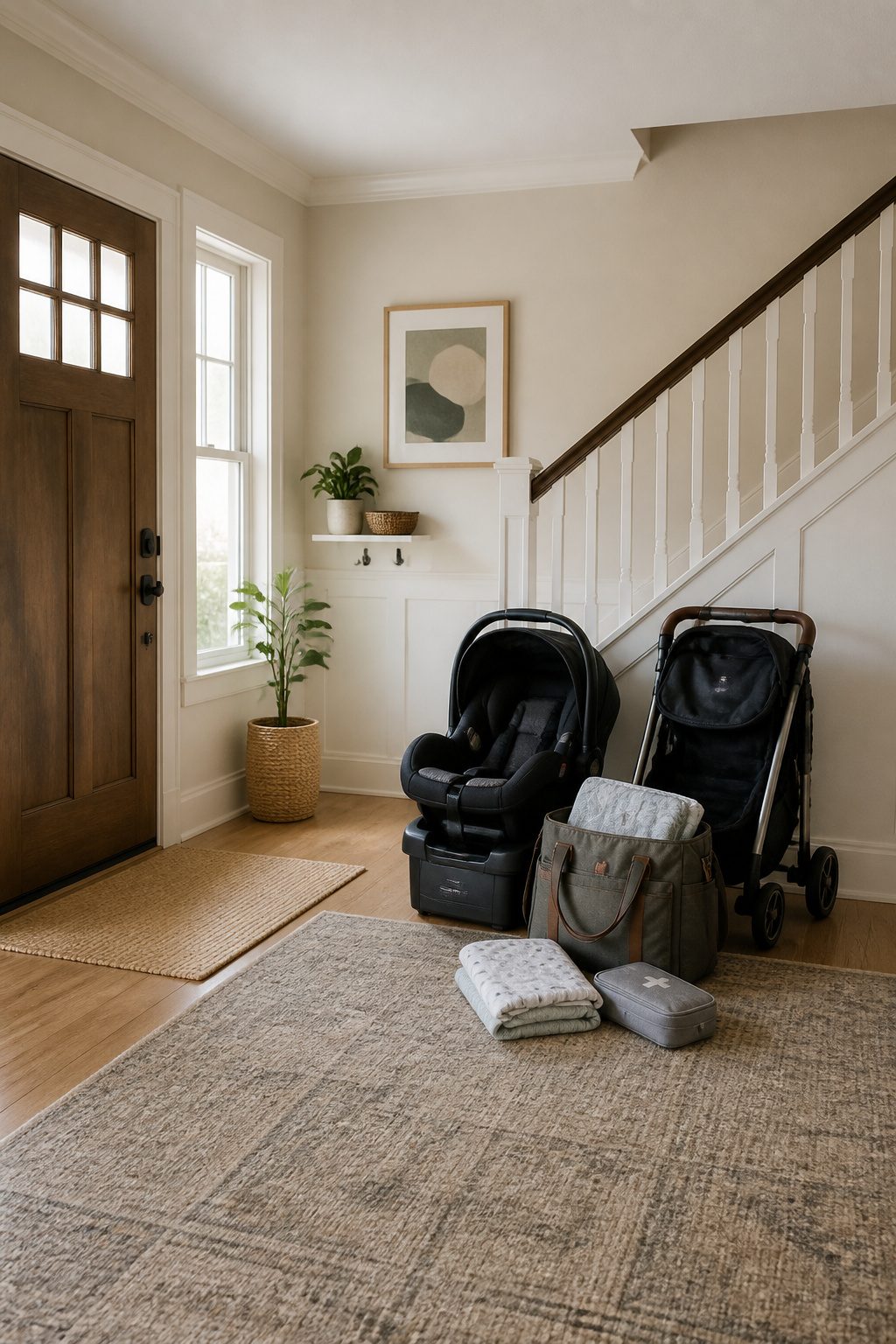
We learned the hard way that travel gear is where registries go lopsided: you either get three diaper bags and no car seat, or you forget the carrier entirely and end up holding the baby through every airport queue.
Here is what actually belongs on the list.
- An infant car seat, rear-facing with base, is non-negotiable before the baby leaves the hospital. Most parents register for the seat and stroller together as a travel system so the car seat clicks straight into the frame without waking anyone.
- A stroller that fits your lifestyle matters more than the most expensive model. Test fold it one-handed in the aisle; if it does not collapse while you are holding a diaper bag and your keys, it is not the one.
- Register for 3–5 swaddles. That is enough to rotate through wash cycles, and they double as stroller covers, nursing covers, or impromptu change pads when you are out.
- A hands-free baby carrier saves your arms during errands, travel, or just calming a baby who will not sleep flat. We recommend adding this even if you think you will use the stroller for everything; there are always stairs, crowds, or a baby who wants to be held.
- A diaper bag with washable wet/dry compartments keeps blowout clothes separate from bottles. Toss the whole bag in the wash, not just the contents.
- A travel crib or play yard folds small enough for weekends at grandparents’ houses. The Guava Lotus now comes as a bassinet option, so you can consolidate instead of buying two pieces.
- A SlumberPod or similar cover makes room-sharing at hotels or relatives’ houses workable, and you will use it into the toddler years.
- A car mirror for rear-facing seats lets you see whether the baby is sleeping or fussing without pulling over.
- A compact first aid kit lives in the diaper bag permanently; you will reach for it more than you expect.

360° Coverage Protection - Fits 28 inches by 52 inches crib size mattress up to 7 inches deep, fully encasing all sides. The stretchy fabric slips on easily and stays securely in place without shifting. Refer to the installation video below for step-by-step guidance

Reliable Cover – KeaBabies Waterproof Crib Mattress Protector Sheets shield your baby crib mattress from spills, leaks, and accidents, keeping it clean and dry. Good for layering under fitted crib sheets for ultimate protection without adding bulk.

Wide Application & Great Fitness: Biloban crib mattress protector measures 28 x 52 x 5 inches, fitting snugly onto most standard mattresses up to 6 inches. Our crib mattress pad feels amazingly soft and will surely create a cosy environment for your little one to sleep on.
Health and Safety
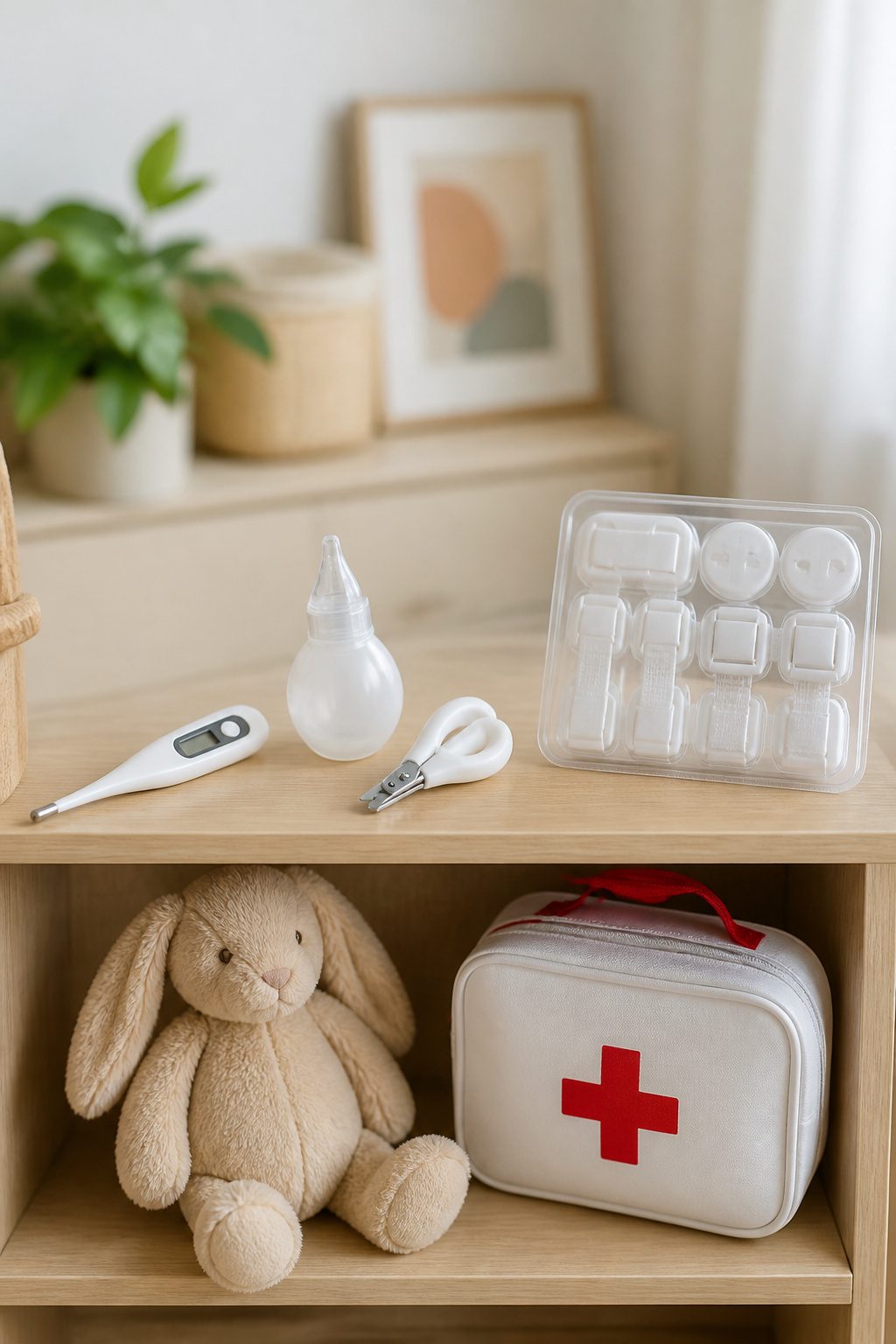
Health and safety items are the ones you will reach for at 2 a.m. when you realize you need them, so we put them on the registry before the cute stuff.
- Digital thermometer: A rectal thermometer still gives the most accurate read for infants, and accuracy matters when you are deciding whether to call the pediatrician.
- Nasal aspirator: Babies cannot blow their noses for a long time. Pair it with saline drops; the aspirator works poorly without them.
- Baby nail clippers or file: Newborn nails grow shockingly fast, and they scratch. We skipped the file and regretted it; clippers alone felt risky on wiggly fingers at first.
- First aid kit: Build your own or buy pre-made. Either way, check that it includes a medicine syringe or dropper for accurate dosing, plus bandages and gauze.
- Baby-proofing supplies: Register for safety gates, cabinet and drawer latches, outlet covers, furniture wall straps, and edge and corner cushions. You will not need them immediately, but you will not want to shop for them once the baby is mobile.
Skip the single-purpose gadgets. A pot of boiling water and soap sterilizes pacifiers fine; cotton swabs for ears are not safe for the ear canal; talc-based powders are out.

STAINLESS STEEL: The Ubbi Diaper Pail is made of stainless steel, which provides superior odor control. This stainless steel and rubber seal design ensures that unpleasant smells are contained within the pail, keeping your nursery smelling fresh and clean

TRIPLE-SEAL ODOR Control, FROM DROP TO REMOVAL:The triple-seal system helps contain odors through diaper disposal, storage, and bag removal. Turn the rotating chamber after each drop to close off the opening and seal used diapers below. For better odor control, keep the top lid OPEN between uses with the rotating chamber in the ready position.*

72 Bags Total: Includes 12 bags in each refill; 72 bags total for convenient diaper disposal bags at home or on the go
Playtime Essentials
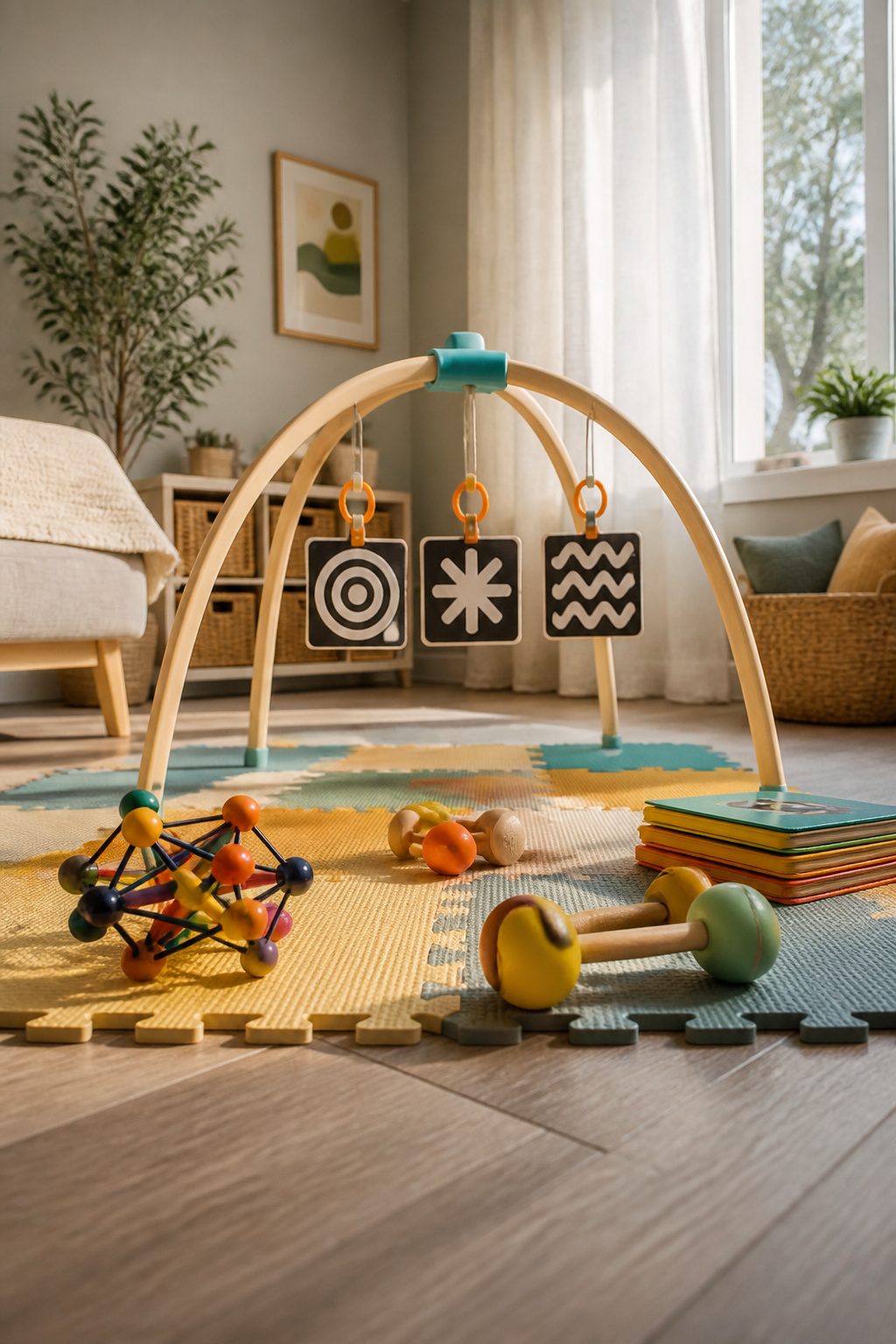
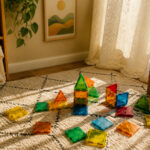
Newborn play is simpler than the toy aisle implies: high contrast for developing eyes, varied textures and sounds for developing hands and ears, and a safe place to do tummy time.
- Play gym – the workhorse of months zero through six. We like having one that folds flat for storage, since it sits out daily.
- Foam play mat – a clean, cushioned tummy-time surface anywhere in the house. Easier on your knees too if you’re down there with them.
- High-contrast cards or soft book – black-and-white patterns are what new eyes see best. We skipped the fancy sets and used a simple fold-out card set someone gifted us.
- Rattles and grasping toys (2–3) – lightweight, graspable, mouthable. Two was enough for us; three meant one was always clean.
- Cloth or crinkle books – chewable first "reading." The crinkle noise held our baby’s attention longer than anything electronic.
- Board books (5+) – reading aloud from birth builds language long before words. Register for a mix: one or two interactive touch-and-feel books, a couple bedtime stories, and a classic you won’t mind reading two hundred times.
- Soft chime or musical toy – sound-tracking practice that does not need batteries. The wind-up ones last longer and the tone is gentler.
Skip the "educational" electronic toys for newborns; lights and sounds out-stimulate without out-teaching. One bouncer or seat is plenty, and nothing plush goes in the crib for the first year.

896 Wipes in 16 Packs of Pampers Aqua Pure Baby Wipes, 99% Water, Fragrance Free

1008 Wipes in 18 Packs of Pampers Sensitive Baby Wipes, Water Based, Hypoallergenic and Fragrance Free

1 flip-top pack of 56 Huggies Natural Care Sensitive Baby Wipes, Unscented (56 wipes total), packaging may vary
Postpartum Care for Parents
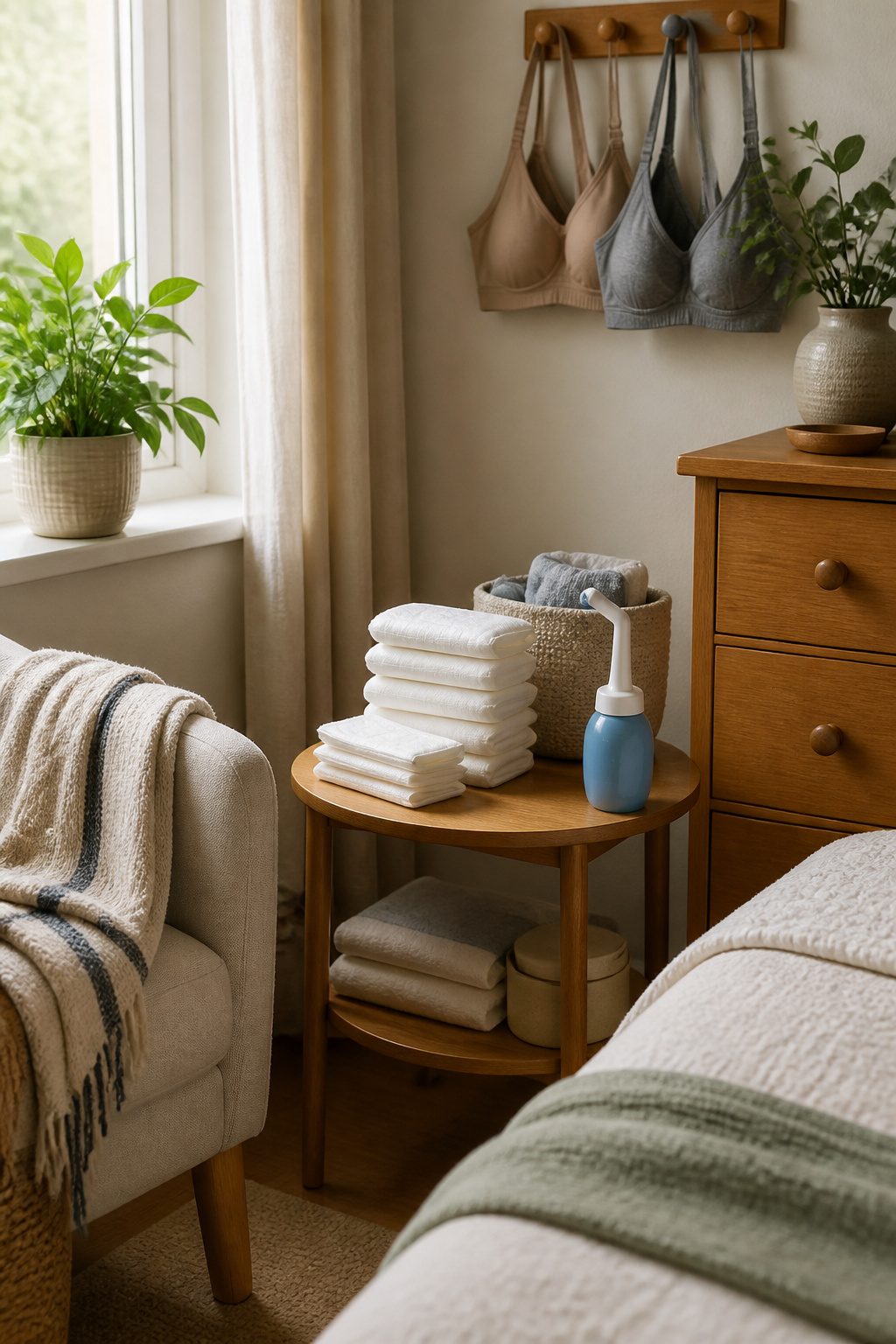
Postpartum recovery gets overlooked on most registries, but the first weeks home are when parents actually need the gear. We learned this after watching friends cobble together supplies at midnight.
- Nursing bras need to be soft, stretchy, and easy to open one-handed. Skip anything with underwire at first; your rib cage is still shifting and pressure spots turn painful fast.
- Postpartum pads are not the same as overnight period pads. You want the thick, hospital-grade ones for the first week, then taper down. Buy more than you think; bleeding lasts longer than most people expect.
- A peri bottle sounds clinical until you are too sore to wipe comfortably. The angled-tip bottles rinse without reaching, and they beat any workaround you try to rig from the bathroom sink.
- Mesh underwear or disposable briefs pair with those pads and save your regular laundry from stains you do not want to treat.
- A sitz bath or healing spray soothes without requiring a full bath setup you may not have time for.
Add these to the registry so someone else covers the cost. You will not want to shop for them later.
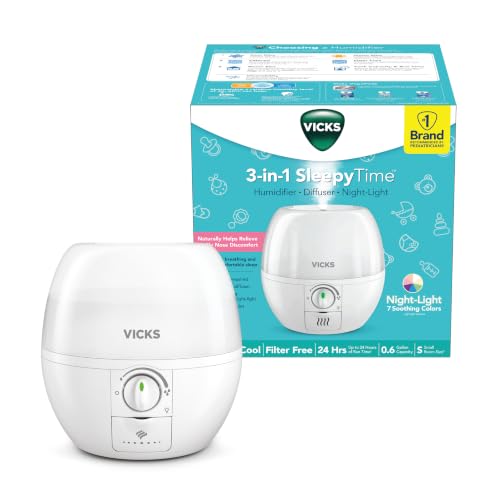
Use as a cool mist humidifier, essential oil diffuser and night light: small humidifiers for bedrooms are an essential part of a good night’s sleep for better breathing and more comfortable sleep for the entire family

A Must-Have For Parents: Help your children breathe easier throughout the night with this 2-in-1 cool mist humidifier and night light. Thoughtfully designed and rigorously tested, it’s perfect for your baby’s nursery, kid’s bedroom, or any space up to 250 sq ft where you need extra humidity.

【25H Runtime & Rapid Relief】The 2L tank provides 25 hours of continuous mist on low. Use high-output mode (200ml/h) for instant relief from dry throat and congestion within minutes. (Note: Use on hard surfaces; avoid carpets.)
When to Start Your Registry
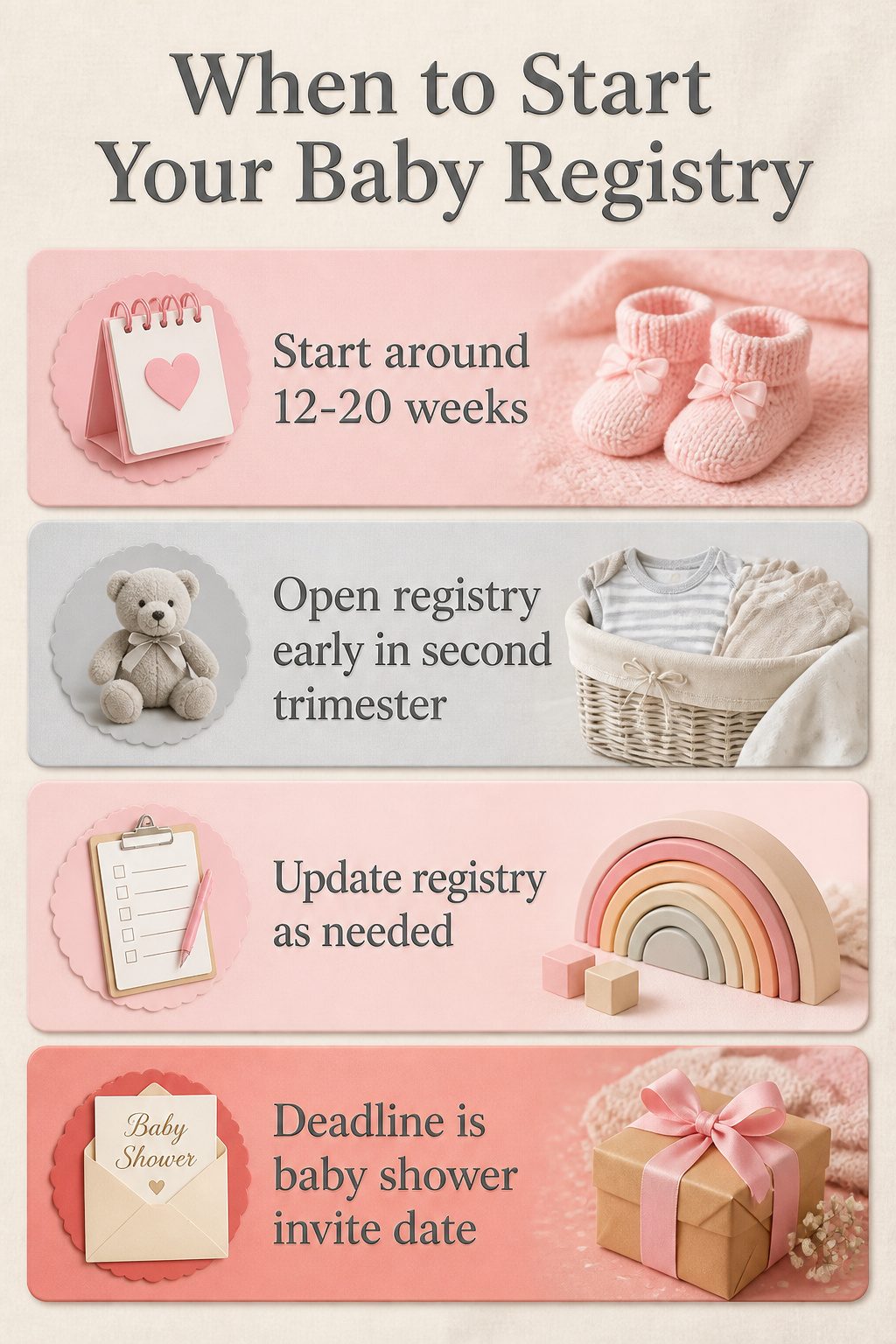
Most sources suggest starting your baby registry around 12 to 20 weeks of pregnancy. That window gives you enough runway to add items gradually without the last-minute scramble that turns list-building into a chore.
We like to see it as two phases: open the registry early in the second trimester, then let it sit while you figure out what you actually need.
By week 20, when many parents learn the baby’s sex, you can shift into higher gear on nursery colors and clothing choices.
The real deadline is your baby shower, not your due date.
Most showers happen in the sixth or seventh month, with invitations going out four to six weeks ahead. Your registry link needs to live on that invite, so working backward from the party date keeps you honest.
Start too late and you squeeze your gift-givers; too early and you risk adding things you’ll later realize you do not want. The sweet spot is that 12-week mark, with a plan to update as you go.

Relieves discomfort fast: This Maximum Strength Boudreaux's Butt Paste diaper cream helps treat and prevent diaper rash, providing fast relief and instantly protecting irritated skin with first use; this product is FSA & HSA eligible in the USA
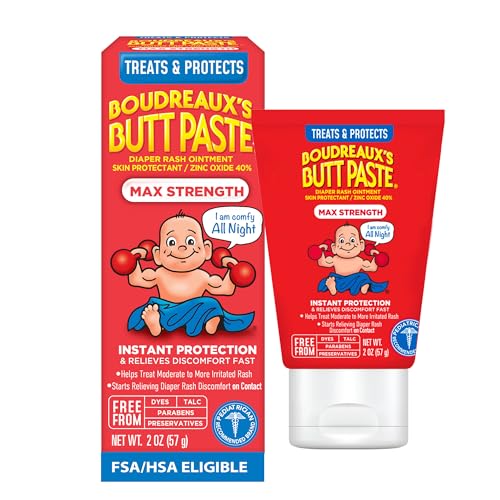
Relieves discomfort fast: This Maximum Strength Boudreaux's Butt Paste diaper cream helps treat and prevent diaper rash, providing fast relief and instantly protecting irritated skin with first use; this product is FSA & HSA eligible in the USA

HIGH LEVEL SKIN PROTECTION: New packaging, same product. Formerly Medline SensiCare Skin Protectant Barrier, this thick paste is made for extremely fragile, sensitive and geriatric skin damaged by prolonged exposure to wetness
What to Skip
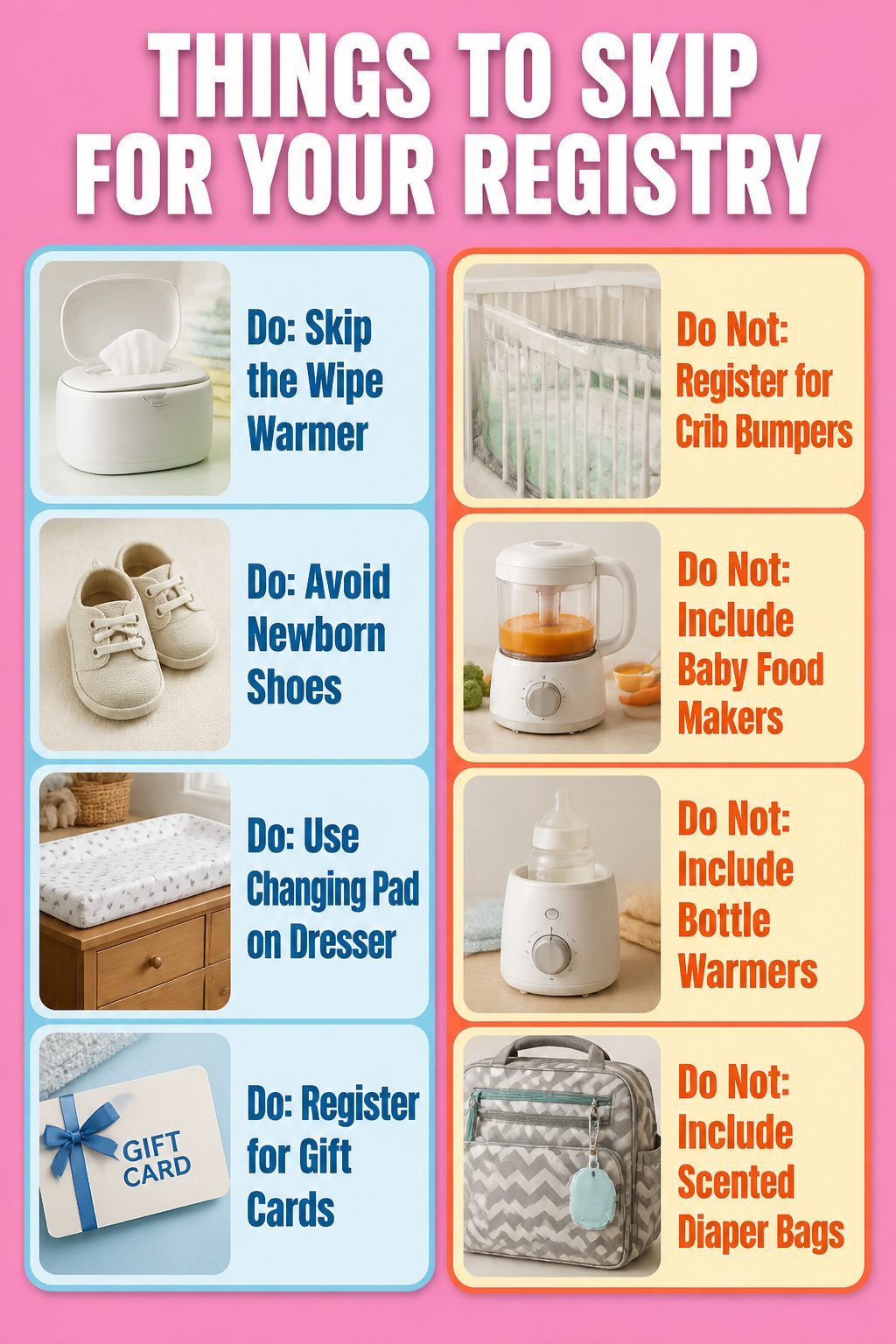
We skip the wipe warmer, and we skip it for the same reason every experienced parent we read eventually does: a baby who gets used to warm wipes will scream through the room-temperature ones you pull from your bag at the pediatrician’s office.
The warmer also dries out the pack faster, shortening shelf life for a product you already bought.
Newborn shoes derail foot development when used daily, not just when they look cute in photos. Bare feet and socks handle the job until walking starts.
A dedicated changing table eats floor space a changing pad on a dresser handles fine. Crib bumpers, pillows, and quilts go on the skip list too; they have been linked to suffocation deaths and are banned in some states.
Baby food makers, bottle warmers, and scented diaper bags are single-purpose gadgets a regular blender or a plain trash can already replace. Register for a blender if you do not own one, not a machine that purees and nothing else.
A few sources push the minimalist registry hard: gift cards, returns, and hand-me-downs fill gaps better than guessing at specialized gear.
We lean that direction ourselves, especially for toys and clothes. People buy those regardless of what you list, and most babies ignore anything beyond rattles and teethers until toddlerhood anyway.
Registry Strategies
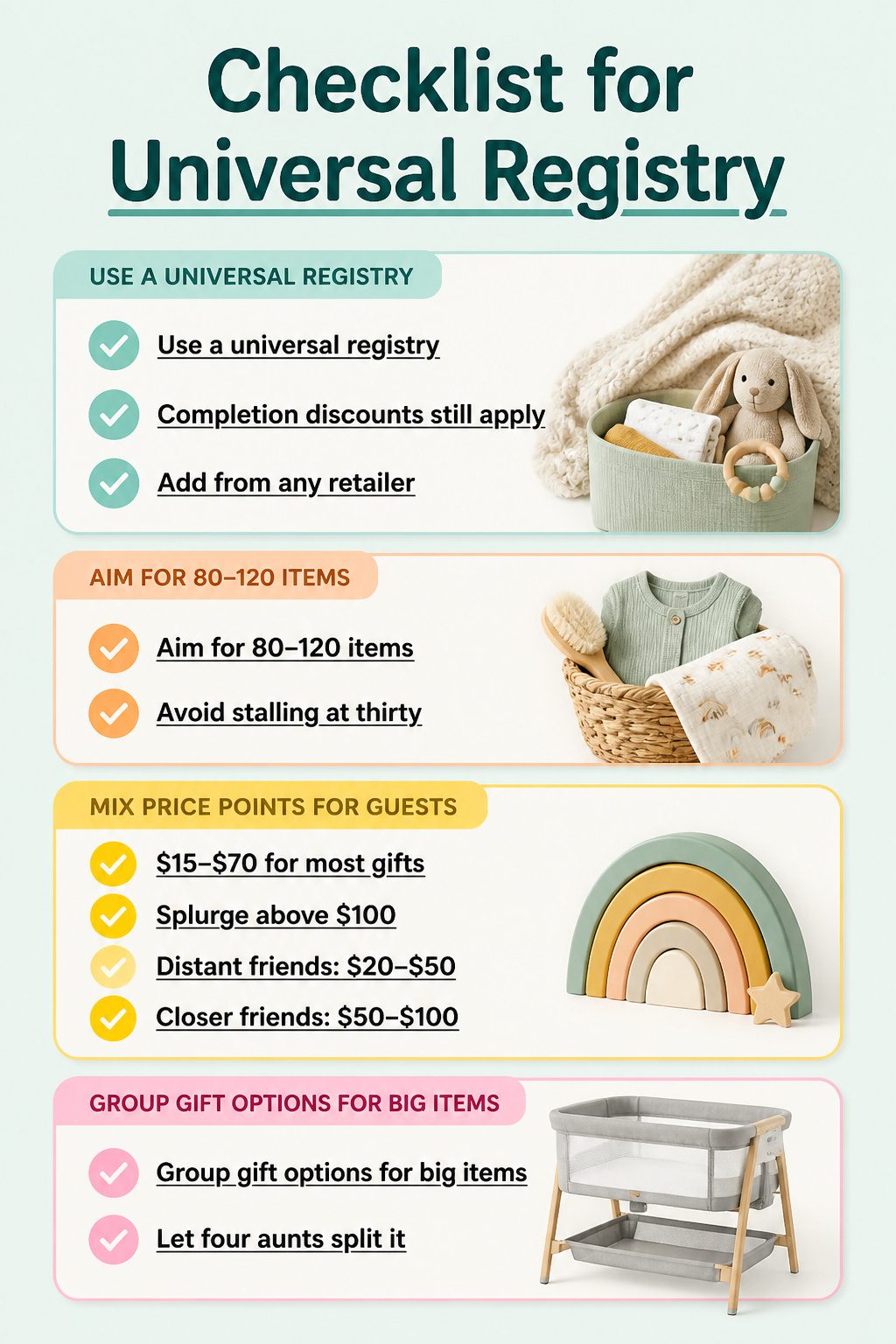
A universal registry is what we settled on after watching too many friends juggle three different store lists and lose track of who bought what.
Babylist, Amazon, and Target all offer versions that let you pull items from any retailer into one spot, which means you can add that hand-knit blanket from the Etsy shop in Portland alongside the bulk diaper subscription from the big box store.
The perk most parents miss: some universal registries still qualify you for completion discounts at individual retailers, so you are not giving up the 10–15 percent off just to keep everything in one place.
Aim for 80–120 items total, mixing price points so every guest has an option. We have seen registries stall out at thirty big-ticket pieces and watched relatives drift away because nothing felt pickable.
The range that actually gets used is $15–$70 for most gifts, with a few splashes above $100 for grandparents or group gifts. Distant friends typically land in the $20–$50 band, closer friends in the $50–$100 range.
Spread the big stuff around: car seats, strollers, and cribs are fair game when the registry allows group gifting, and letting four aunts split a $300 bassinet beats pretending you will buy it yourself later.
Handling Gift Returns and Exchanges
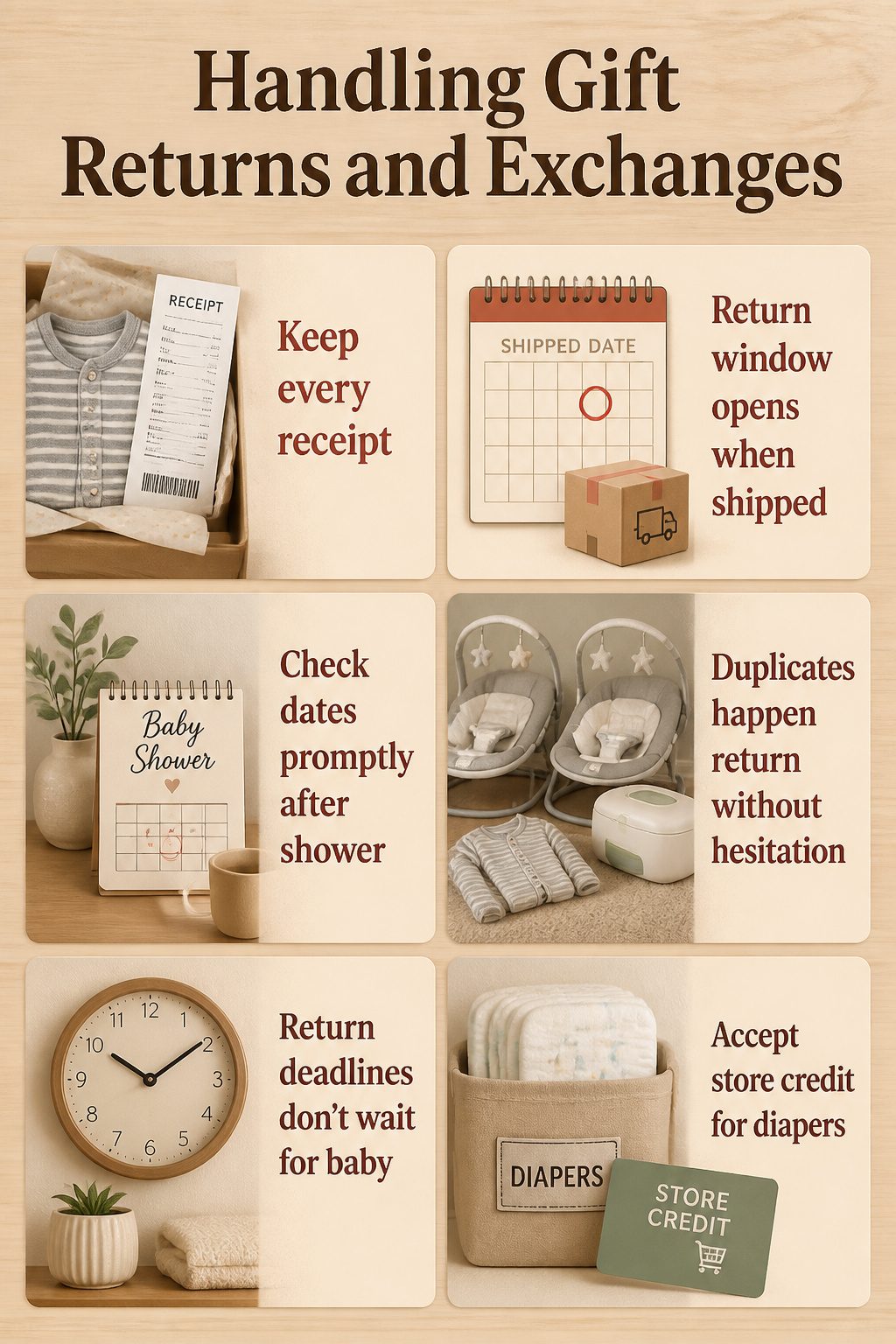
Gift returns are the part of a registry no one plans for, which is why almost no checklist mentions them.
We have seen the aftermath: a closet shelf of duplicate sleepers, two identical bouncers, a wipe warmer from a well-meaning aunt who shopped early. Keep every receipt, even the ones that come tucked inside the gift box.
Most big retailers will let you return registry items without a receipt if the purchase was logged to your list, but that system fails when someone buys the same item off-registry or from a different store entirely.
The return window usually opens when the item ships, not when the baby arrives, so a gift bought two months early can already be past deadline by the time you unwrap it.
We learned to check dates the week after the shower, not the week before the due date.
If a store offers store credit only, take it and use it for diapers; cash back is rare on registry returns, and fighting that battle with a newborn at home is not worth the hour.
Our Picks From the Shop Floor
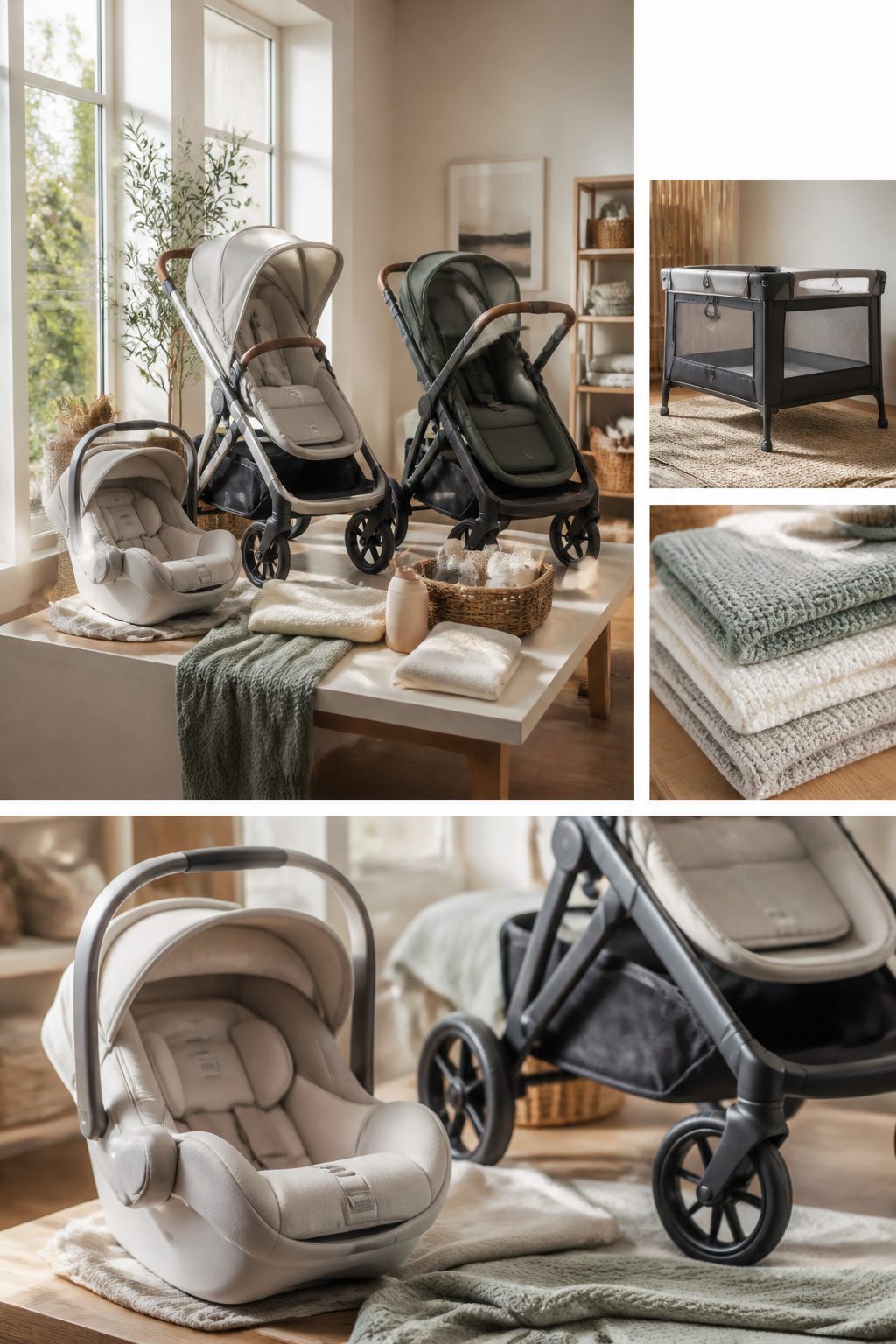
We have watched the UPPAbaby Vista V2 and V3 hold up through Chicago winters and the daily grind of city living.
The weight is real, but the storage basket underneath and the ability to add a second seat later make it the stroller we point people toward when they ask what actually lasts.
The Nuna MIXX Next wins for compactness and a smoother push in tight spaces, so the choice depends on whether your hallway has a closet or a landing.
For the car seat, the Clek Liing is what we keep in stock because the load leg actually changes how the base sits in the seat.
It is compatible with the Vista strollers, so you can move a sleeping baby from car to sidewalk without waking them.
On playpens, we have learned to tell people to wait for a sale. The full price is not the price.
They fold flat for storage, work indoors or out, and we have seen them used at the beach more than we expected, but do not buy at full price unless you are up against a due date with no backup plan.