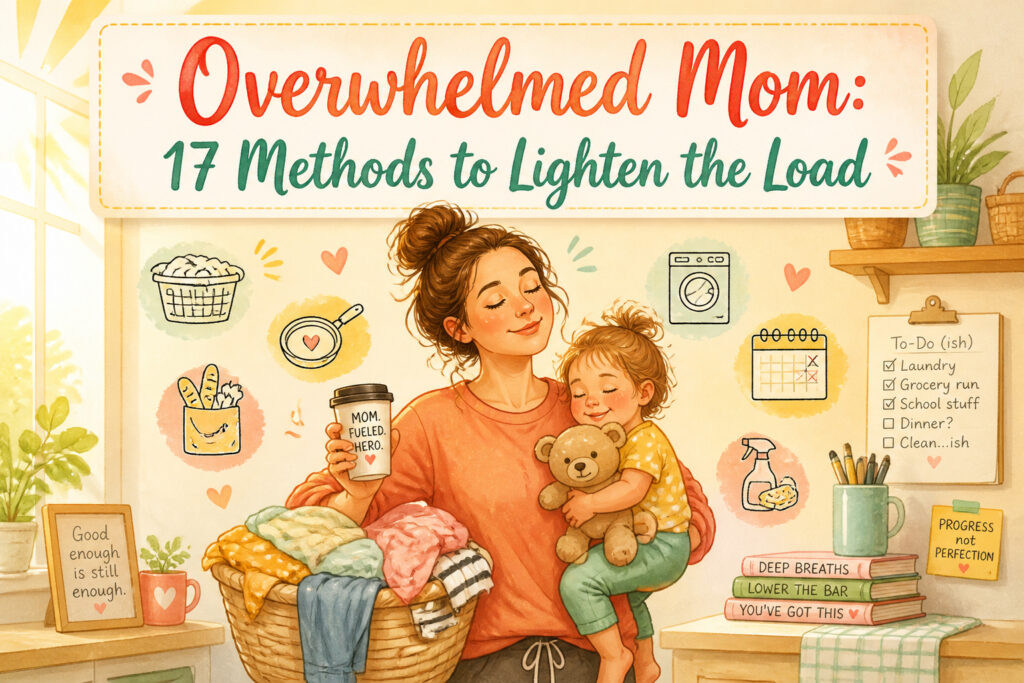
An overwhelmed mom is a mother carrying more cognitive, emotional, and physical labor than one person was designed to hold, and the breaking point is not weakness; it is the predictable result of a system that assigns 71–73% of household mental load to one brain while demanding flawlessness from it. The fix is not more effort. It is structural relief: lowering the bar from "protein, vegetable, starch by six" to "cereal at nine thirty without shame," and treating that standard as a practical tool rather than a fallback.
[link-whisper-related-posts]Lower the Bar
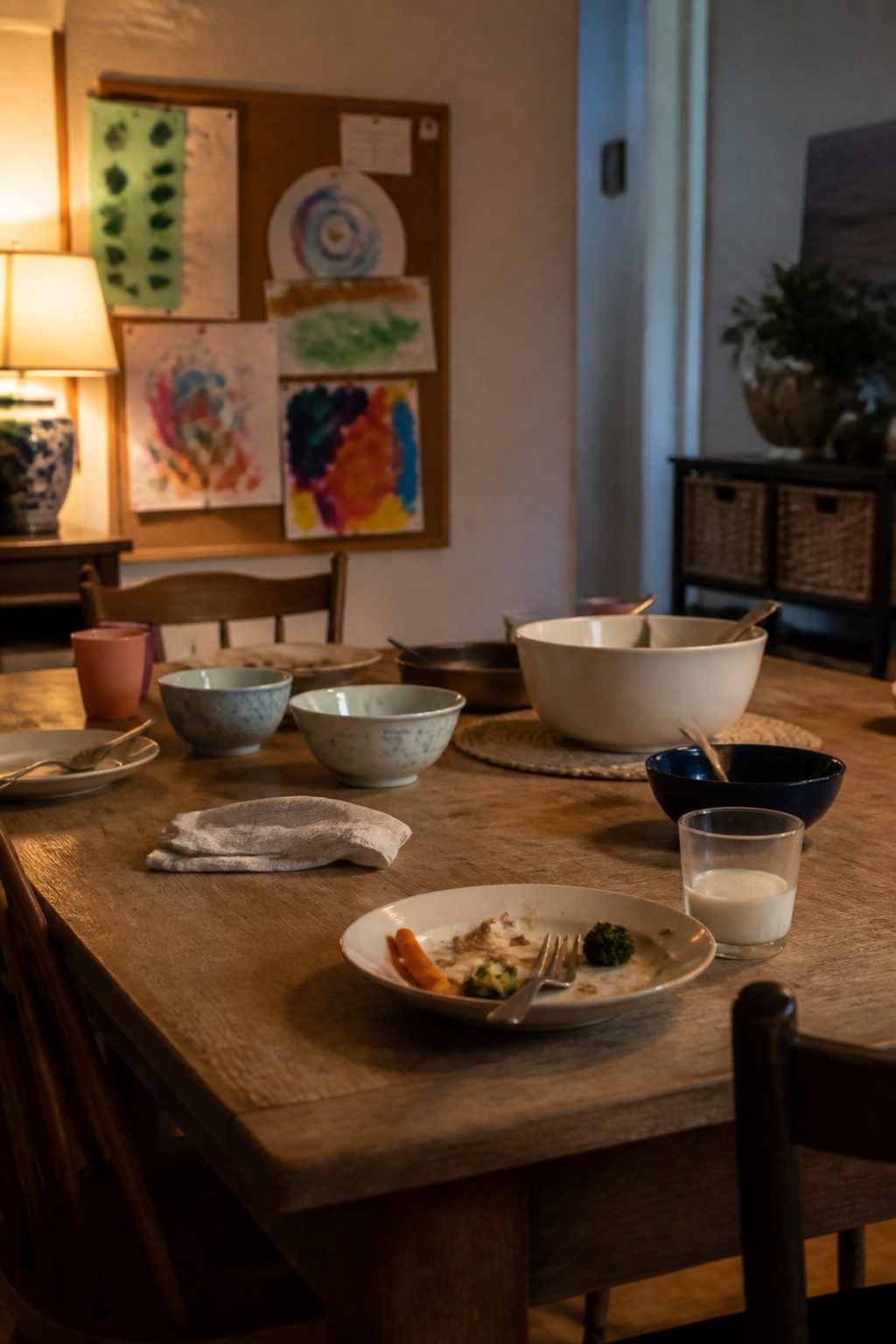
We used to think a successful evening meant a protein, a vegetable, and a starch on the table by six, with the dishes done before bedtime. Then we tried that for three straight weeks and ended up eating cereal at nine thirty more nights than we care to admit. Good enough is good enough, and that standard is not a fallback. It is a practical tool.
Perfectionism is not a personality quirk in motherhood. It is a load that makes the other loads heavier. In 2023, 41% of parents reported stress so high they could not function most days, and 57% reported burnout. Those numbers climb when we treat every task as a test we are failing. Dinner does not need sides. Laundry can stay unfolded. The craft project does not need googly eyes and emotional stamina.
The mental work of remembering, planning, and anticipating for a whole family already fills one brain past capacity. Adding an expectation of flawlessness to that invisible labor turns exhaustion into something worse. Ask what the simplest version of a task looks like, then do that version. The bar was never meant to sit where you placed it.

MENTAL LOAD MANAGEMENT: Designed specifically for parents to unload the overwhelming mental burden of daily tasks and responsibilities, featuring a dedicated brain dump section to capture every to-do item in one place


BEST STRESS RELIEF TOOL: Expertly crafted, research based prompts guide you to express and release pent-up stress and anxiety, promoting a sense of calm and clarity. Daily mood tracking helps you identify patterns and triggers, leading to a more balanced life.
Start Your Day With One Grounding Thing

The morning starts pulling at you the second your eyes open, sometimes before. We have found that one small anchor before the chaos begins does more for the day than any elaborate routine we ever tried and abandoned. Sip coffee while standing in sunlight. Breathe deeply for 60 seconds before waking the kids. Listen to a short meditation while brushing your teeth. It does not need to be profound, and it does not need to last long. Ten minutes taken like a meeting, because a nervous system on constant alert needs the off switch. Not self care theater. Just a single moment that belongs to you before the day belongs to everyone else. Small moments of calm, rest, connection, and slowing down can help create more peace for both parents and children. The overstimulation many moms carry looks like irritability, emotional exhaustion, difficulty relaxing, or craving silence at the end of the day. That one grounding thing is where you begin to interrupt it.

🧠 Introducing (6) Ambient Nature Sounds: the addition of crashing waves, birds chirping or a strong breeze can enhance your guided breathing experience by combining visual slow breathing exercises with a soothing backdrop of nature’s melodies. A complimentary tag team of sensory self care that can help manage or reduce stress & anxiety, increase focus, and improve sleep. A simple & fun meditation tool that can also cultivate mindfulness to help you live in the present moment.

MINDFULNESS NECKLACE: Our deep breathing tool is designed with the perfect opening and two-flow airway to provide the ideal resistance for your exhalation,which is scientifically researched to have a calming effect on the human brain, relaxing the brain, balancing the body's energy, and relieving stress, thus improving the quality of sleep and relieving anxiety

🧠 WHAT IT'S FOR: Daily guided breathing to help calm & focus your mind during the day or promote a peaceful night sleep, improving overall wellness. Continued practice can help manage or reduce stress & anxiety in all ages and can help improve symptoms of depression. A simple & fun meditation tool that can also cultivate mindfulness to help you live in the present moment.
Create a Bare Minimum Checklist
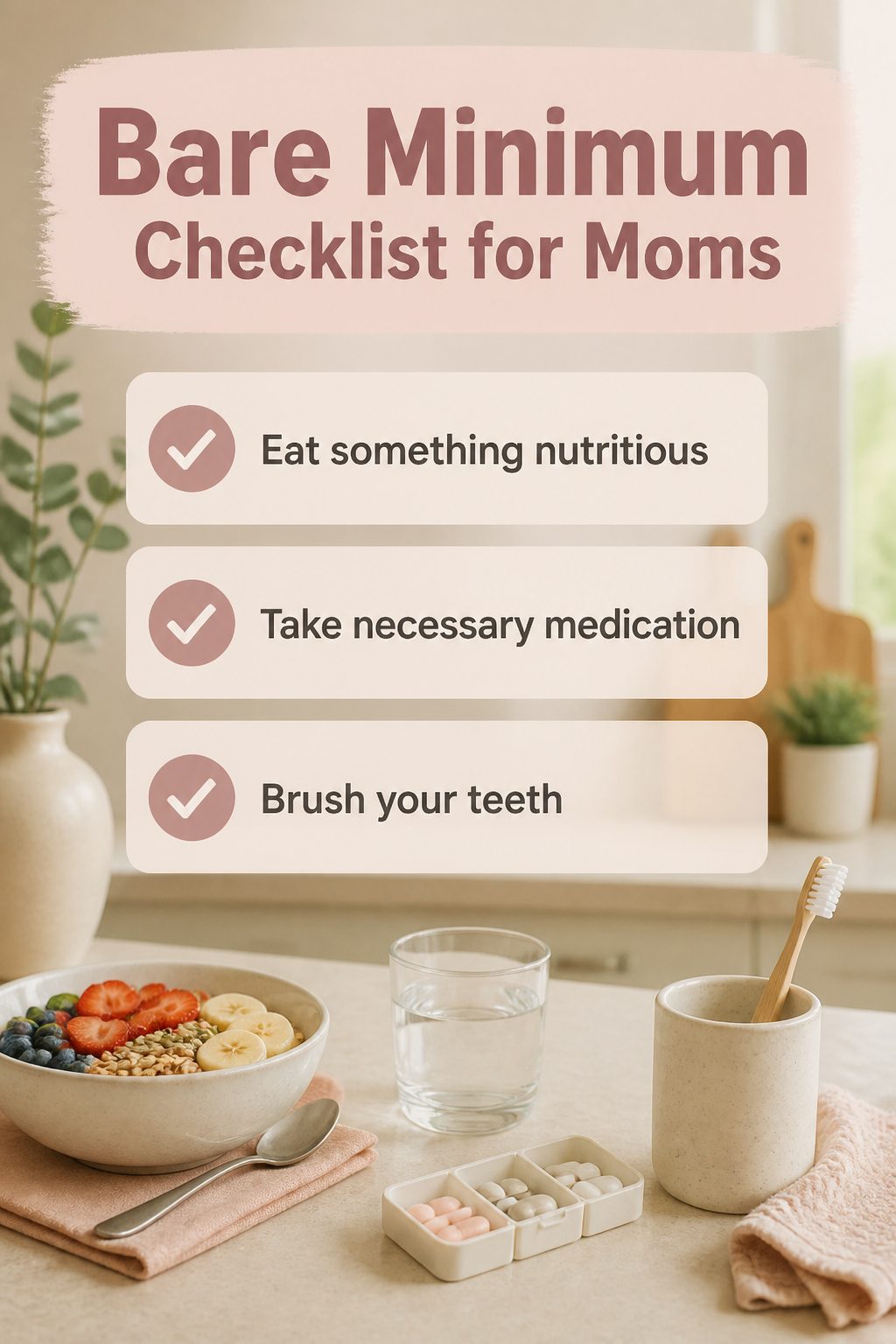
A brain dump gets the loops out of your head, but the list itself can become another weight to carry. We have watched this happen: ten minutes of writing produces forty items, and suddenly you are managing a catalog instead of a morning. The bare minimum checklist works the other way. You pick the three things that keep the day from going sideways, and you write only those down. Eat something with actual nutrition, take any meds you need, brush your teeth. That is the list. Everything past it is extra credit, not obligation.
The difference is permission. An endless to-do list asks you to keep adding until you fail. A bare minimum checklist gives you a place to stop. We have found that seeing proof of even three small finishes feels like a psychological exhale, especially when the rest of the house is still standing and nobody is crying. The tasks do not shrink, but your grip on them does.

Organize Tasks Efficiently: This versatile To-Do List Notepad, a must-have office tool, features multiple sections with ample space for essential task tracking. Perfect for daily task management, helping you prioritize and manage office supplies effectively.

Ultimate To Do List with Multiple Sections: A to do list lover’s dream, our notepad offers multiple sections with ample space to write all your important tasks so you can organize and track your tasks better than with a regular list. Each page has a to do list as well as sections for top priorities, for tomorrow, and appointments/calls, making it easy to prioritize and stay organized. Say goodbye to feeling overwhelmed and hello to a more organized and productive you!

Plan Ahead & Stay Organized: Forget stressing out about deadlines and last-minute tasks. The daily to do planner helps you organize your daily tasks and make sure you stay focused on the right things. This to do list pad is perfect for organizing your day and stay on top of your plans.
Ask for Help When You Need It

41% of parents report feeling so stressed most days they cannot function, and 1 in 4 working moms cry alone at least once a week. We have watched this pattern in our own store, where mothers pause mid-aisle, phone in hand, remembering something they forgot to handle. The asking is what stalls them. Offer something small, tangible, and specific rather than waiting for her to name what she needs. "I am picking up kids from practice; yours can ride with mine" lands better than "let me know if you need anything," which puts the burden back on her depleted plate.
The shame is real, and it is also ordinary. Everyone needs help sometimes. If you are the one drowning, text one person with one task. If you are watching someone else, just show up.

【ADHD-Friendly Adhd Cleaning Planner System】Adhd Cleaning Planner Specifically designed to support neurodiverse needs, this cleaning planner features clear visual layouts, progress tracking, and manageable task breakdowns that help maintain focus and motivation. Perfect for those who struggle with executive function.

Great Design of Chore Chart - This chores chart for kids are useful for organizing tasks, which can help children and adults follow their daily routines. Every day the kids just need to check their chart once in the morning and in the evening. They can slide chore chart to check and mark the tasks they finished on their checklists. The kids chore chart is also a great tool for kids with ADHD. Also The RV checklist memo board can help the adults complete all the necessary details in an order.

【Value Set】: This package includes 3 visual schedule keychains in green, orange, and purple. Each unit comes with a detachable memo board and DIY stickers, providing a versatile and colorful organization tool for multiple users or different task categories.
Make Peace With the Mess
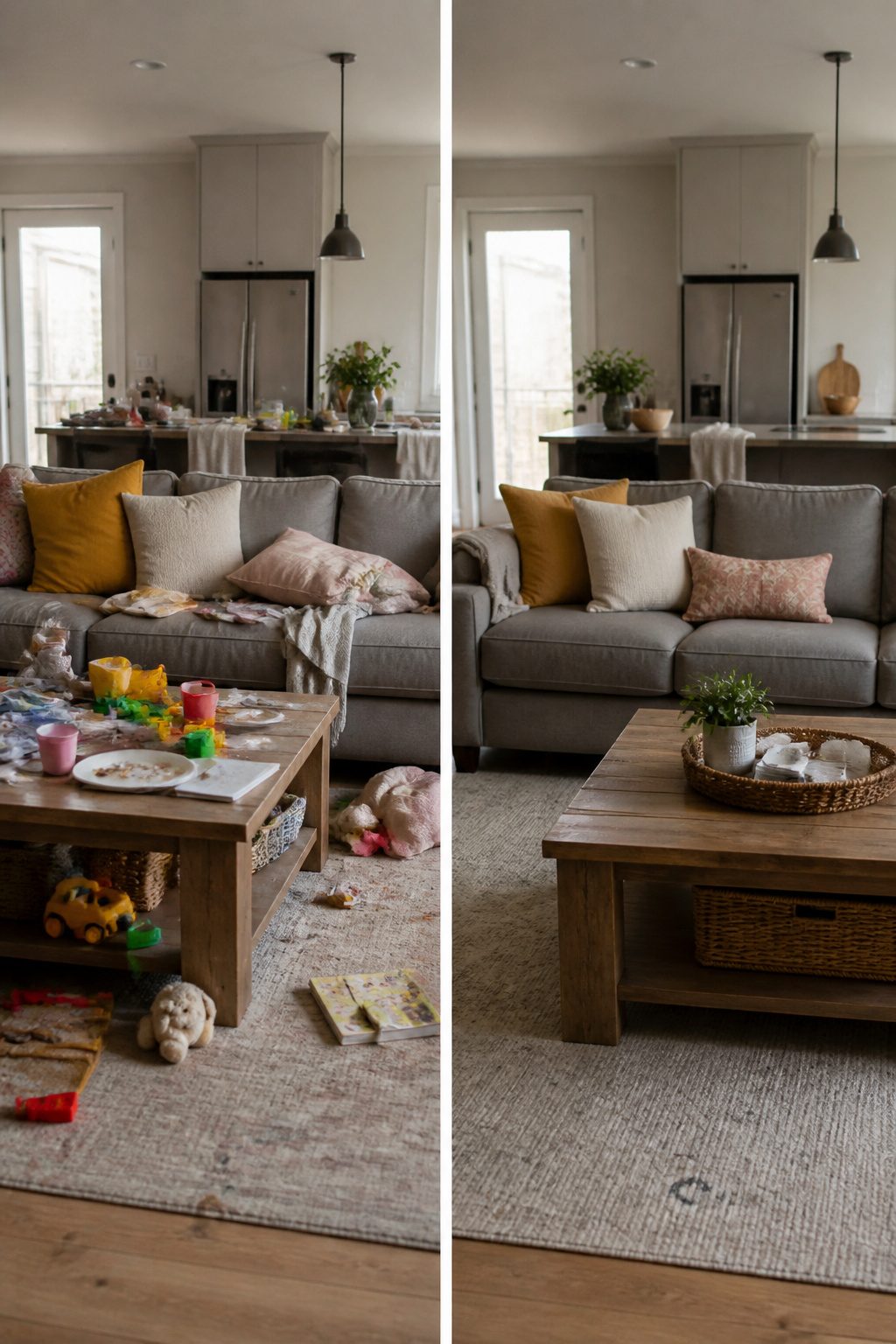
We spent years picking up the same toys three times before lunch, and the only thing that changed was our mood. The house looked no better, but we were exhausted and short with the kids. That was the cost.
Now we keep one corner clean: the kitchen table after dinner, nothing more. The rest carries a five-minute timer. When it rings, we stop, even if the couch is still buried in Duplo. The timer protects your afternoon more than the tidy room ever would.
The mess is not laziness. In 2023, 41% of parents reported stress so constant they could barely function, and 57% hit burnout. Much of that weight is invisible: the appointments, the negotiations, the effort to appear on top of it all. A spotless living room feeds that performance. A lived-in one frees you to sit on the floor and actually play.
Children do not need perfect order. They need to feel the adults around them slow down, reconnect, and repair after a hard moment. They notice tension far more than dust. Let the mess be what it is, and spend the saved energy on something they will remember.

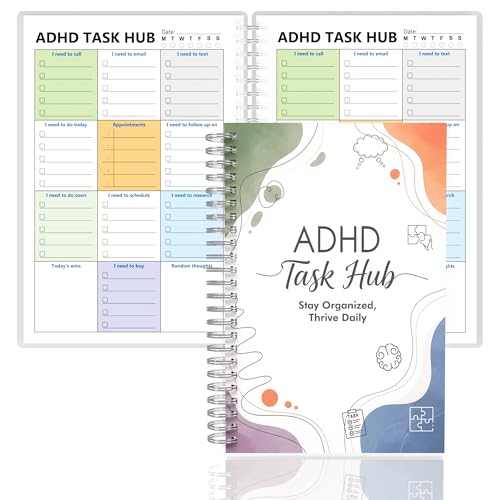
✅ SCIENTIFICALLY STRUCTURED FOR ADHD - Designed specifically to combat ADHD-related challenges, our "ADHD Task Hub" uses color-coded sections and categorized tasks (calls, emails, appointments, to-dos) to reduce overwhelm, enhance focus, and improve daily productivity.

Create a Boredom Basket for Emergency Decompression
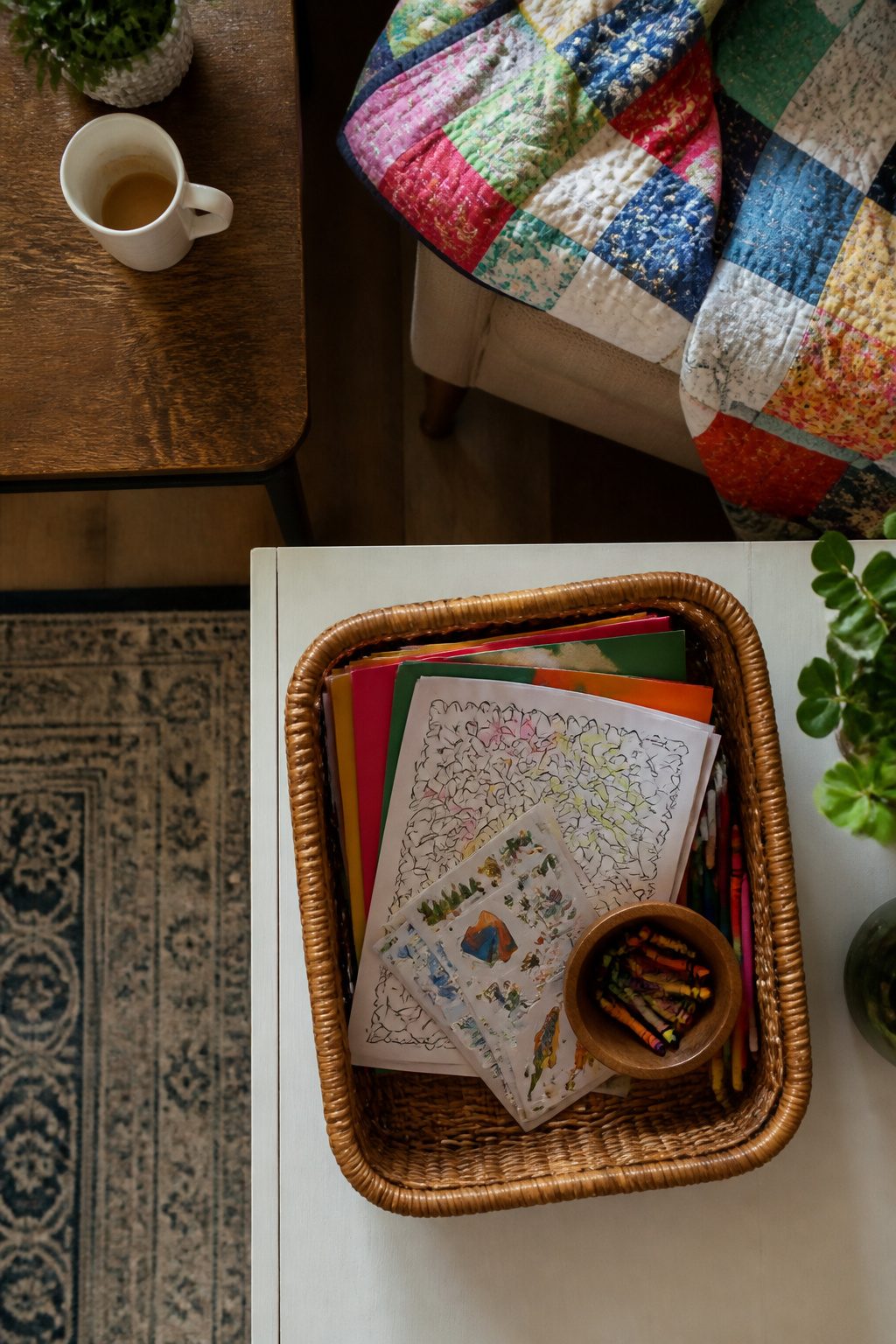
We keep a basket on the laundry shelf that only comes out when one of us hits a wall. Inside are a few coloring books, a small stack of reusable sticker scenes, and an old phone loaded with audiobooks. Nothing needs setup, nothing needs explaining, and nothing makes noise we have to answer to. The rule is twenty minutes: long enough to sit down with coffee that actually cools before we drink it, short enough that the kids do not forget we exist.
Rotate the contents weekly, same day you swap the towels. The kids stay interested because the sticker scenes feel new again, and you spend zero extra money chasing novelty. We learned the hard way that a basket left alone becomes invisible; the rotation is what makes it work, not the stuff inside it.

Mindful Breathing Tool: Our breathing lamp serves as a visual meditation aid to help slow your breathing and calm your mind for ultimate relaxation and mindfulness.

no premium options to buy, no ads, no subscription, no credit card asked, no online purchase

🧠 WHAT IT'S FOR: Daily guided breathing to help calm & focus your mind during the day or promote a peaceful night sleep, improving overall wellness. Continued practice can help manage or reduce stress & anxiety in all ages and can help improve symptoms of depression. A simple & fun meditation tool that can also cultivate mindfulness to help you live in the present moment.
Drink Water Like Your Life Depends on It

Your brain runs on water, and when the tank is low it does not send a polite memo. It sends irritability, fog, and the sense that every small sound is too much. We have watched this happen in our own store on busy Saturdays: staff who skip their bottle end up snappy by two o’clock, while the ones who sip steadily keep their patience through the closing rush. The difference is not willpower. It is physiology.
A visible bottle changes the habit. We keep ours on the counter, not in a bag or a fridge across the room. Out of sight means out of mind, and out of mind means you are running dry before you notice. The goal is not perfection. It is keeping dehydration off the list of reasons you feel like you are losing your grip by mid-afternoon.

Desk pad layout: Plan your week at a glance with this 5.5 x 8.5 inches size notepad, designed for daily task management, weekly to-do, and errand tracking right on your desk or bag

MESMERIZING BLUE OMBRÉ DESIGN - The notepad boasts an eye-catching Blue Ombre Colors design that's both stylish and fun. The blue colors are not only visually appealing but also inspire a sense of calm and focus, making it the perfect backdrop for your daily tasks.

3 PACK - The notepads flaunt a design that's simple, stylish and fun, making it the perfect backdrop for your daily tasks.
Use Screen Time as a Tool
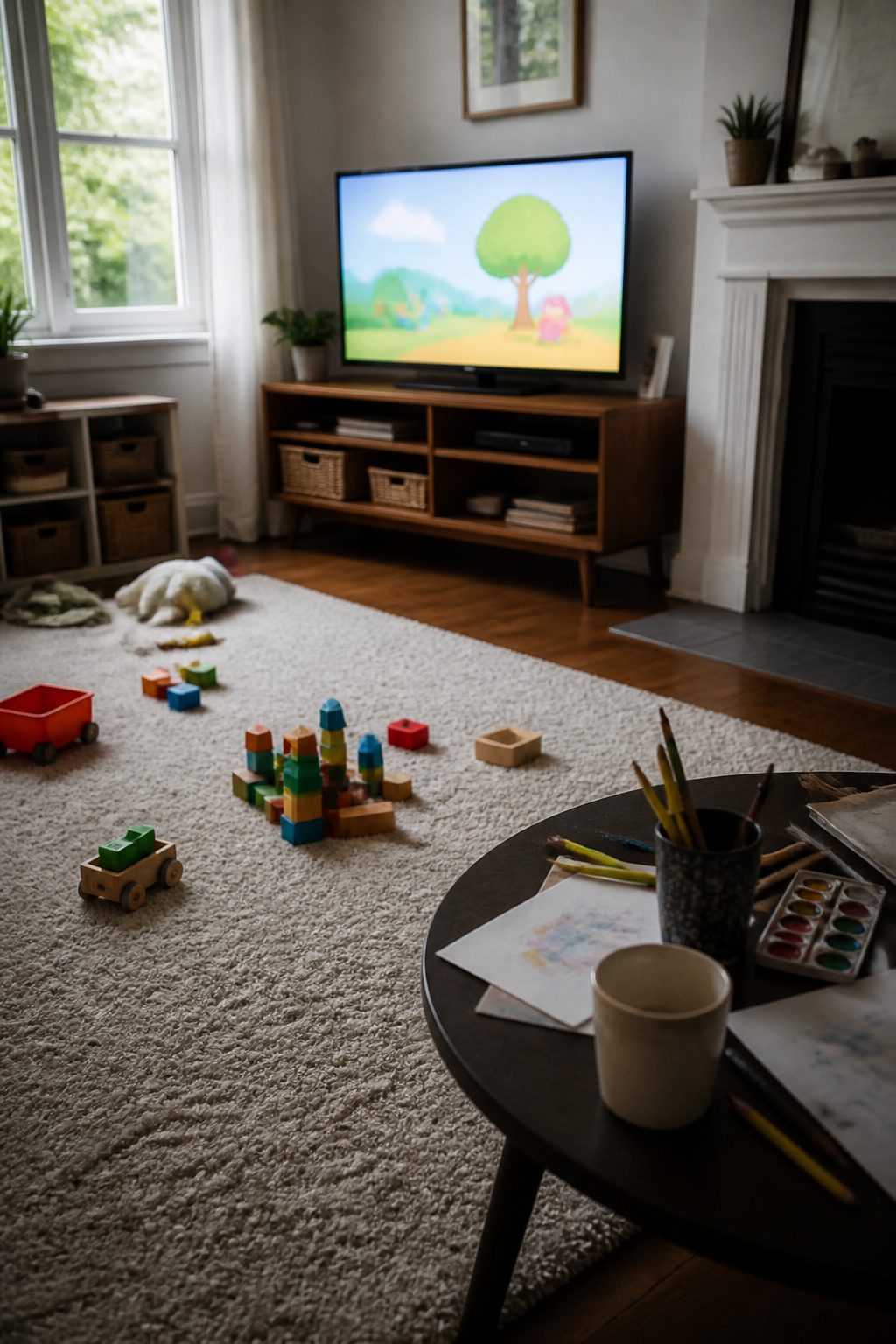
We used to treat any TV time as a personal failure, something to hide from the pediatrician and apologize for at dinner parties. That changed when we started tracking what actually drained us versus what gave us twenty minutes to finish a task without a toddler hanging off our hip. Screen time works when you name the job before you press play, not when it becomes the background hum of the day.
The U.S. Surgeon General’s 2024 advisory on parents’ mental health put numbers to what we already felt: the constant stimulation, the loneliness, the pressure to perform motherhood correctly. Screen time is part of that overstimulation when it runs endless and unplanned. Used intentionally, it is a reset tool, not a parenting style.
We keep ours to decompression windows: dinner prep, the twenty-minute meltdown stretch before nap, or when we are one interruption away from reacting badly. The timer goes on before the show does. When it ends, we switch to something physical or social, even if that just means the kid dumps Legos on the floor while we sit nearby. The guilt fades when you can point to what you gained: a meal assembled, a breath taken, a worse outcome avoided.

Includes: one (1) notepad, 6 x 9-inches, 40 sheets + 1 sticker sheet. Knock Knock Kids Can-Do Pads have hard chipboard backing, and are printed on FSC-certified paper

Effortless Erasable Whiteboard: Chore board features a whiteboard in the to-do area that's easy to erase, and it comes with a whiteboard pen. No need for paper replacements; simply wipe with a damp cloth for a fresh start.
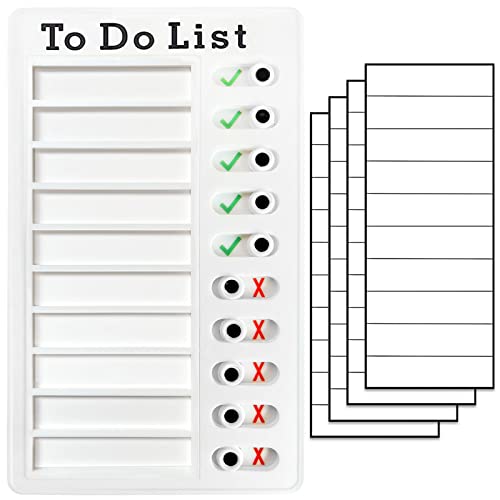
PACKAGE CONTAINS-1 4.8x7.9" chore chart with a cardstock and 4 sheets of underlined blank cardstock, 2 sheets of double-sided tape.
Find or Build Your Mom Crew

57% of parents self-report burnout, and that number lands harder when you are counting nuggets for dinner again and nobody around you admits to the same math. We have watched the difference between a mom who texts "rough morning" into a thread that answers in ten minutes and one who swallows it and scrolls alone. The first one moves through it faster, not because the problems shrink, but because the load splits across people who normalize it.
You do not need a new best friend. We have seen one text thread with moms who will not judge the chicken nuggets do more than a packed calendar of playdates ever could. Start small: DM someone you follow and actually admire, invite another mom to walk after drop-off, or join a social media group and lurk until you have something to say. The point is not to be pulled out of the mess. It is to stand in it beside someone else who is also there.


TWO COMPLETE STICKER COLLECTIONS Includes both Busy Mom and Every Gal planner sticker sets to organize family schedules, personal plans, and everyday life.
Say No Without a Paragraph of Guilt
Most refusals we hear are padded with half a paragraph of apology. We catch ourselves doing it too: "I’m so sorry, I wish I could, things are just crazy right now…" The other person stopped listening three sentences back. A clean no needs one sentence, maybe two. "I can’t take that on this week" or "No, I’m not free for the bake sale." The guilt that follows is the habit talking, not the truth.
Mothers over-apologize because we have been conditioned to soften every boundary until it sounds like a favor we are asking for ourselves. We treat our own time like a resource we have to justify keeping. The fix is mechanical: drop the explanation, deliver the refusal, and let the silence sit. If someone pushes, repeat the same sentence. You do not owe a ledger of your obligations.
Practice on low-stakes requests first. The neighbor who needs a cup of sugar she could walk to the store for. The committee email you can delete instead of answering. Each time you skip the apology, the next no comes easier. The goal is not to become unkind. It is to stop performing exhaustion before you are allowed to protect your own hours.

GUIDED BREATHING & VISUAL MEDITATION: Your Breathing Buddy is a Mindfulness Tool for Stress & Anxiety Relief, Focus, and Sleep Meditation. Follow Calming Light cues: Blue (Inhale), Violet (Hold), Green (Exhale) to practice mindful breathing anytime.

🧠 SLOW-IT-DOWN SLOTH: Daily guided breathing to help calm & focus your mind during the day or promote a peaceful night sleep, improving overall wellness. Continued practice can help manage or reduce stress & anxiety in all ages and can help improve symptoms of depression. A simple & fun meditation tool that can also cultivate mindfulness to help you live in the present moment.

►[Breathing Lamp for Mindfulness]:Science verified,4-7-8 Calming breath/5-5 Balance breath/4-4-4-4 Box breath,With Speaker,Volume +/-,Visual Meditation tool for Anxiety Relief
Make a Done List Instead of a To-Do List
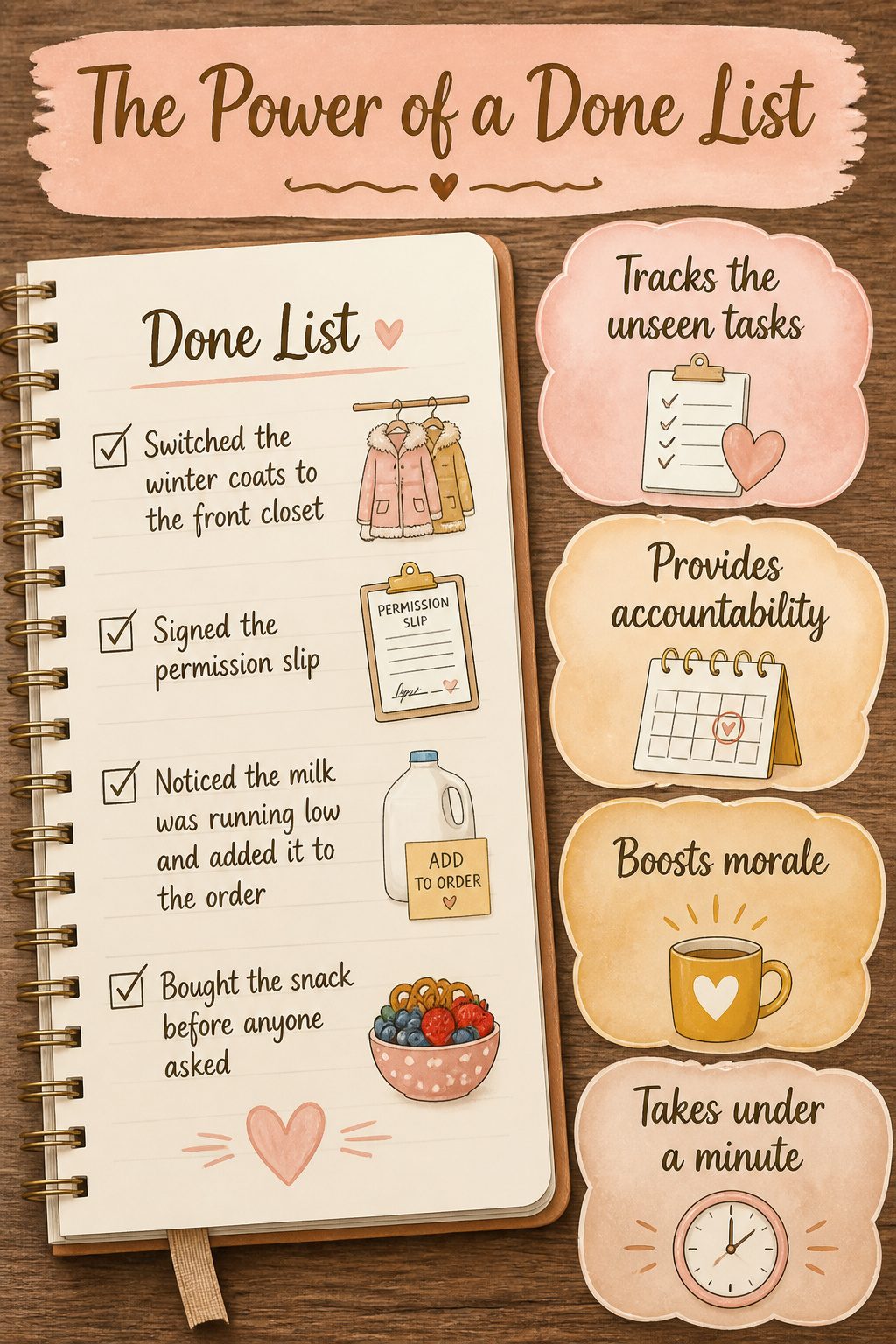
Mothers carry roughly 73% of the household cognitive labor, and none of it shows up on a standard to-do list. The appointments you remembered, the snack you bought before anyone asked, the field trip form you caught in time, it all stays invisible unless you deliberately mark it down. We started keeping a done list for exactly this reason. At the end of a day that felt like nothing got accomplished, we’d write three things that actually did: switched the winter coats to the front closet, signed the permission slip, noticed the milk was running low and added it to the order before breakfast became a crisis. The list takes under a minute. What it changes is the evidence. You stop measuring yourself against a fantasy checklist written by someone with a full-time staff and start seeing the real work you already did. For a practice this small, the payoff is the proof: on hard days, you have written proof that your labor existed, and that you were the one carrying it.
Sneak in Micro-Rest

Thirteen percent of mothers experience high burnout, and the other eighty-seven are not far behind. The breaks you think you need, a nap or a whole evening off, rarely arrive on schedule. What does arrive is two minutes in a parked car before grocery pickup, or sixty seconds with your eyes closed while a show holds the kids’ attention. We treat these moments like failures, evidence we could not get the real rest, and miss that they are the real rest.
Your nervous system does not measure breaks in half-hour increments. A body paused against a wall, feet grounded, breath slowed, registers the shift. Stack three of those opportunistic pauses through a day and the accumulated effect is measurable: lower cortisol, less reactivity, fewer evenings where spilled milk triggers a snap you regret.
The mistake is waiting for permission or a clear calendar. Ten minutes taken like a meeting, because nobody needs you, works better than self-care theater that never happens. Two minutes works when ten is fiction. Lie on the floor and breathe while they play. Lean against the wall. Close your eyes in the car. The recharge is partial, but partial is what keeps the circuit from frying entirely.
Automate, Batch, or Delegate
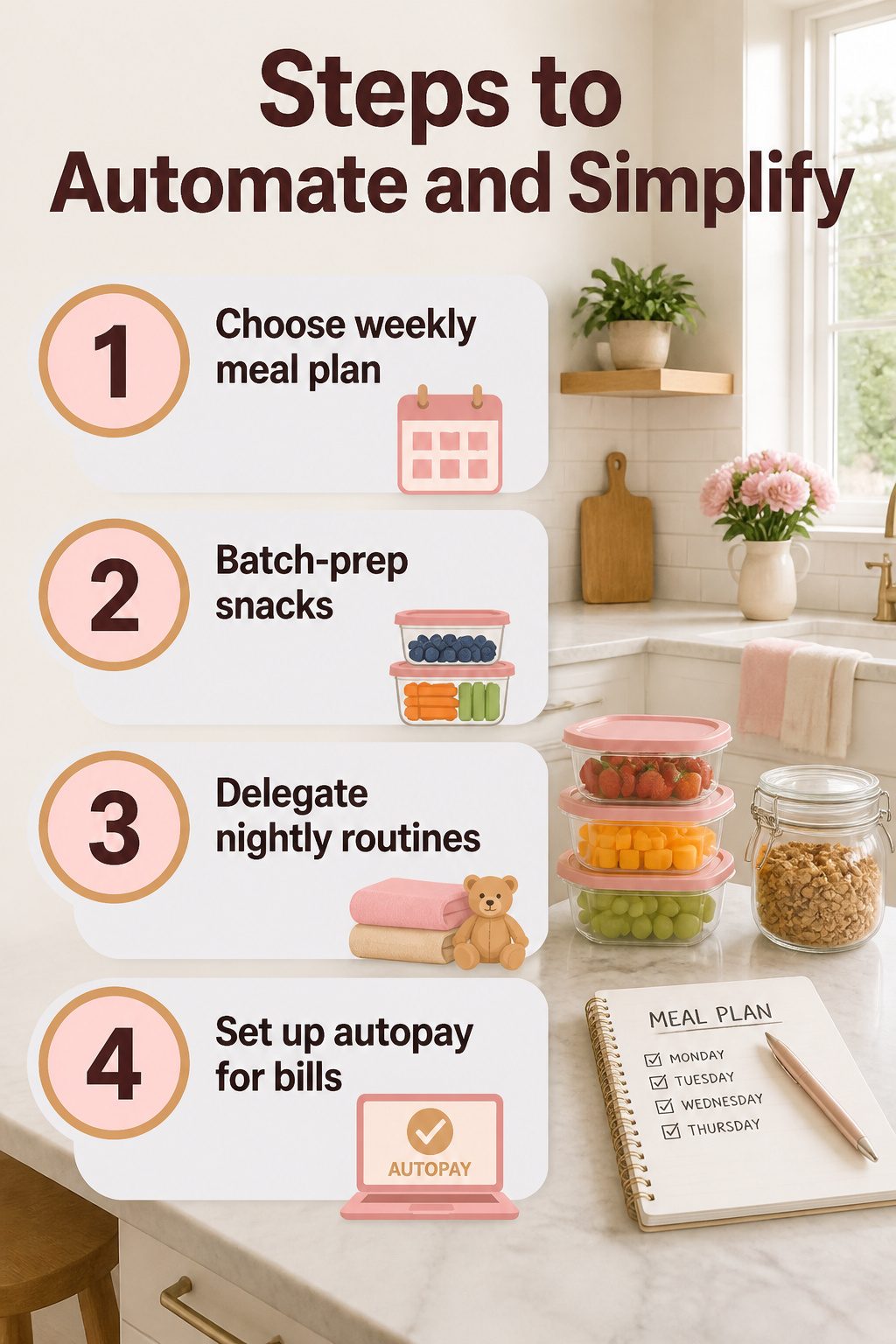
Decision fatigue is real, and for most moms the drain is not the big choices but the endless small ones: what is for dinner, who pays which bill, whether there are clean socks. We have found that the same meals on repeat is the single biggest relief. Taco Tuesday is not a joke; it is a system. When Tuesday is always tacos, you buy the same six ingredients, the family stops asking, and your brain stops planning. We run four weekly dinners on loop, enough variety that nobody revolts, few enough that grocery shopping takes fifteen minutes.
Batching works the same way. One hour on Sunday fills a shelf of pre-portioned lunches and snacks. The time saved is not the win; the win is that Monday through Friday, nobody opens the fridge and stares.
Delegation means moving whole chunks off your plate, not just the physical task. If your partner handles bath and bedtime, let them own it fully: the timing, the towels, the negotiation. The mental load shrinks only when you stop tracking whether it got done. Autopay the bills that are the same every month. The ones that fluctuate, keep manual, but the fixed ones should move without you.
What convinced us, reading through a dozen of these systems, is that efficiency is not the goal. Reclaiming mental space is.
Allow Yourself to Feel Joy
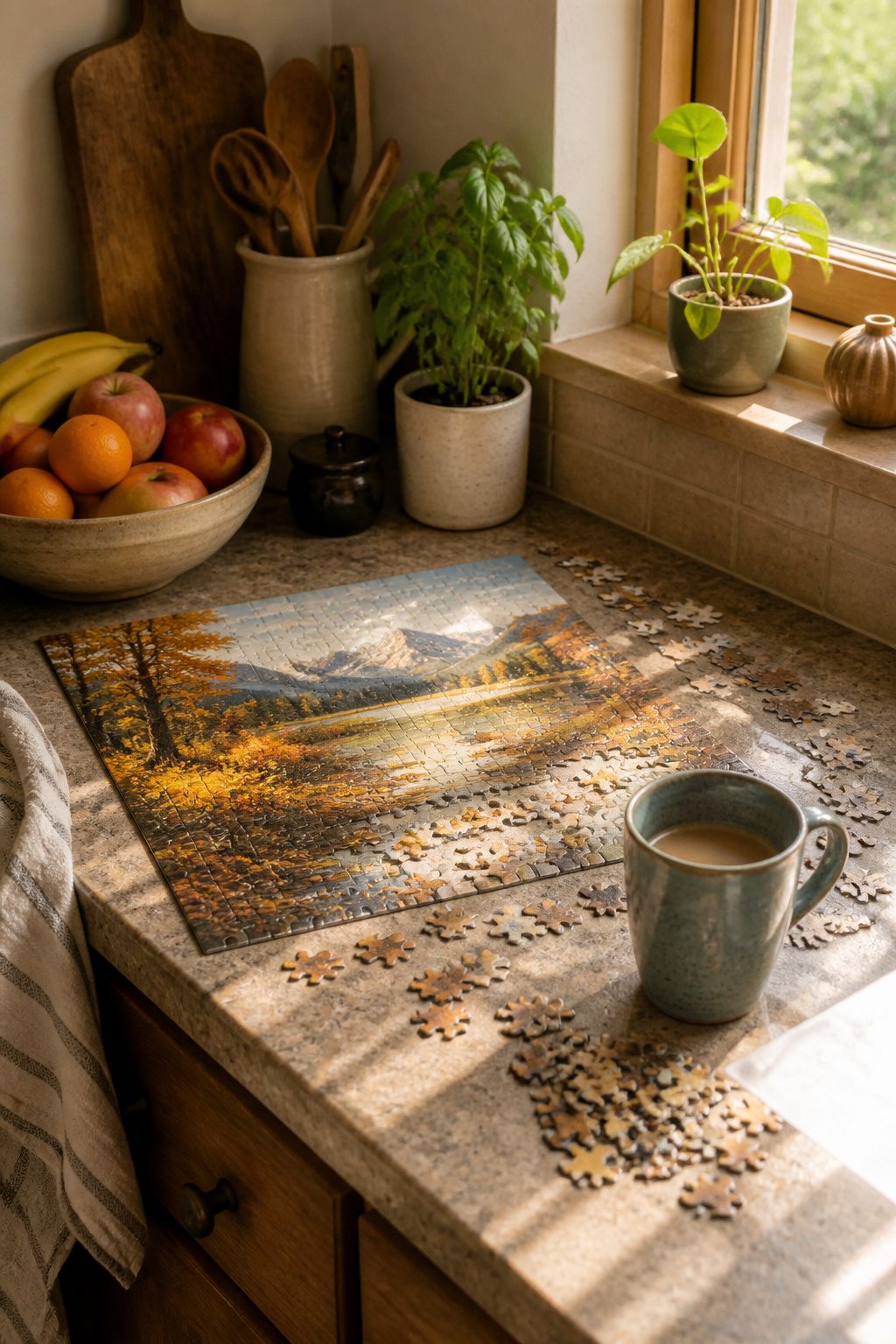
Guilt and exhaustion have a way of turning even good moments into background noise. You sit down with coffee that is actually hot, and within thirty seconds you are mentally inventorying what you have not done. The coffee goes cold while you rehearse the grocery list.
We have watched this happen in our own store, especially around the holidays, when mothers apologize for browsing, as if wanting ten minutes to look at a puzzle is a confession. Permission to enjoy something is not a reward you earn after everything is finished. It is what keeps the system running. Children do not need a mother who has optimized every minute; they need one who can slow down enough to reconnect. They feel the tension in a rushed house, and they feel the safety in a calm one.
The STOP technique works here exactly as it works in conflict: stand up, breathe, name what outcome you actually want. Sometimes the outcome is just "I want to feel like myself for twenty minutes." That pause interrupts the pattern where rest becomes guilt and guilt becomes more exhaustion. Burnout recovery takes more energy than prevention, and the prevention is a small, deliberate yes to something you like, done without apology.
Let One Thing Go Every Single Day
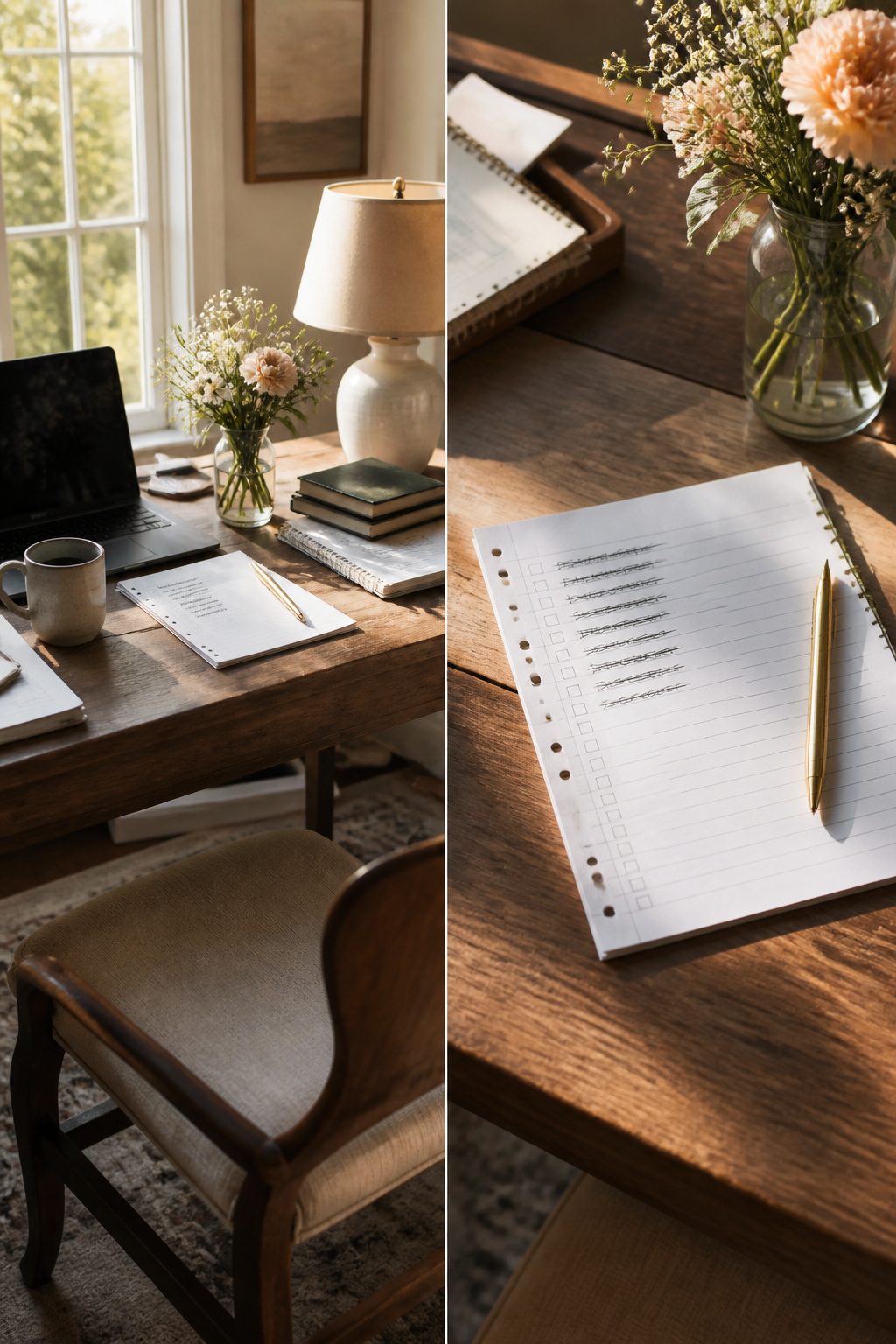
Some nights we stare at the ceiling running tomorrow’s list like a ticker: baths, dishes, that text from the PTA mom. Let one thing go guilt-free. We started small. One evening we skipped the bath, just wiped faces and called it clean. Another night we left dishes in the sink and sat on the porch instead. The guilt lasts about ten minutes, then it fades. What builds is the habit of choosing. We keep a scrap of paper on the counter now. When the loop starts, we write every task down, pick the one actually urgent, and let the rest wait in ink instead of in our heads. After a few weeks the pile of released things stops feeling like failure and starts feeling like proof we are still deciding, not just drowning. The kids do not remember which nights the sink was full. They remember we were there, not scrubbing.
Ground Yourself When Anxiety Takes the Wheel

When the thoughts start racing and your hands are shaking a little, the 5–4–3–2–1 method pulls you back without any props. Name five things you can see, four you can touch, three you can hear, two you can smell, one you can taste or even just one thing you like about yourself. We have used this in the store back room after a shipment came in wrong and the floor needed coverage all at once. It takes under a minute and it works because it forces your brain to catalog instead of catastrophize.
Another move we keep in our pocket is the STOP technique. Shift your position or stand up, say "stop" in your head, take one deep breath, ask what outcome you actually want, then praise yourself for pausing instead of snapping. The praise part sounds silly until you try it. That small acknowledgment interrupts the stress loop just enough to choose your next move instead of reacting on autopilot.
These are free, they take seconds, and nobody else even has to know you are doing them. That matters on a playground, in a carpool line, or at 2 a.m. when you are the only adult awake.
Remind Yourself This Season Is Not Forever

The week your toddler will not sleep through the night feels like it has already lasted six months and has six more to go. This intensity is temporary, and naming that out loud changes how you carry it. We are not talking about toxic positivity or pretending the 3 a.m. wake-ups are charming. The difficulty is real right now. The mistake is letting the right now become your whole story.
Burnout can lock you into autopilot, irritable and moody, unable to enjoy the moments you used to love. Time-bound thinking breaks that loop. Say it plainly: this age, this noise, this clinginess, it shifts. You are growing alongside your kids, not standing still while they change around you.
When the spiral starts, step outside if you can. Fresh air will not fix sleep deprivation, but it can interrupt the closed circuit of hopelessness. Keep the questions at bay. Not "what is wrong with me," but "what do I truly need to do right now for myself and my family." The season passes. You do not have to become it.
Understanding the Mental Load
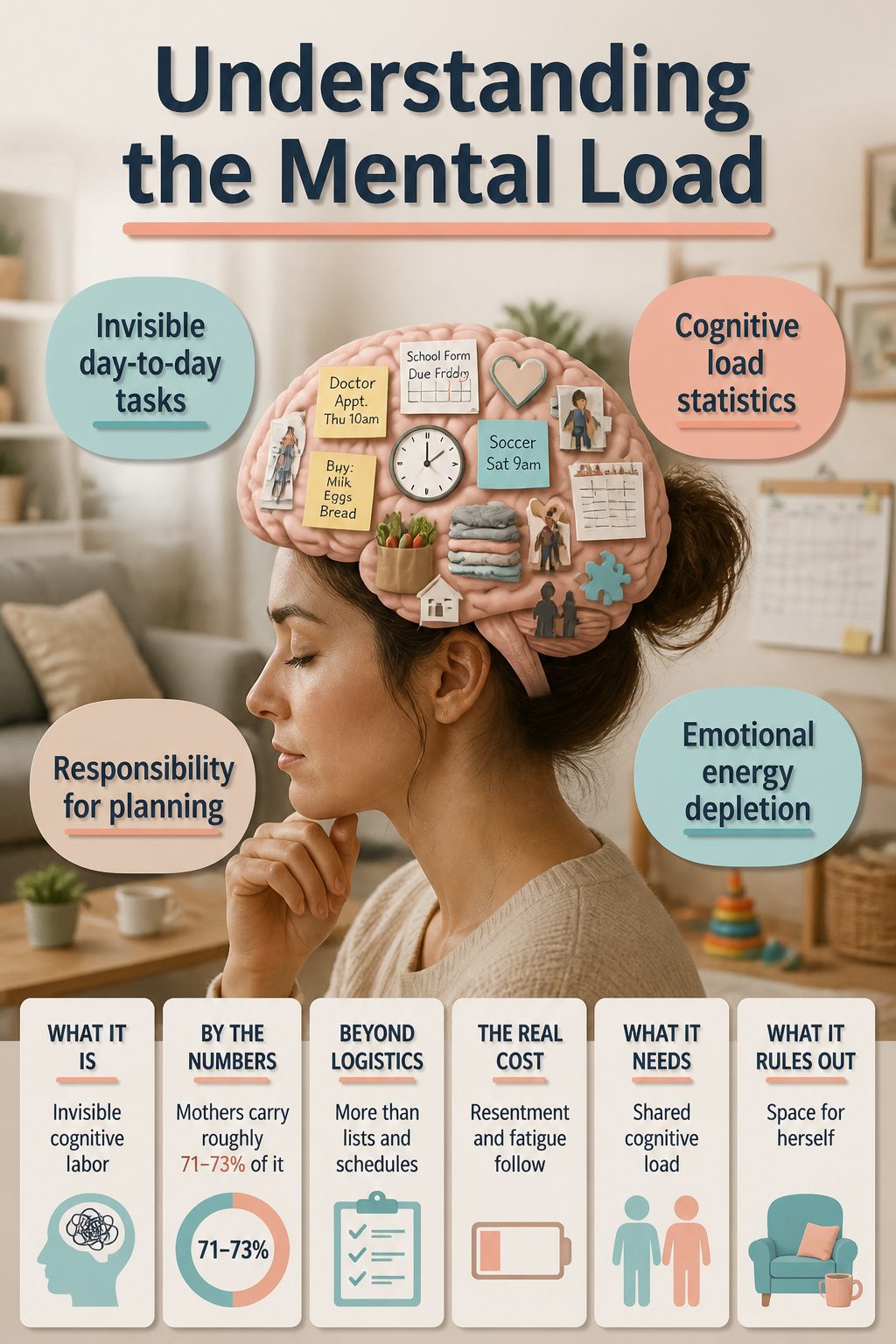
The mental load in motherhood is the invisible work of remembering, planning, anticipating, and monitoring everything for everyone. It is the appointment you track while folding laundry, the school form you mentally note at midnight, the grocery item you add to a running list while driving. This cognitive labor occupies space that never fully empties, and mothers carry roughly 71–73% of it in most households, on top of paid work and physical care.
That statistic is not a rounding error between sources; it is the range research has landed on, and either end of it means one person is holding most of the family’s operational memory. The load includes not just logistics but the responsibility of knowing what to do and when: which article to read about a toddler’s sleep, how to approach a teen about anxiety, whether the pantry is actually stocked or just looks full.
When this labor is unshared, it runs continuously without acknowledgment. Resentment and fatigue follow not because a mother is mismanaging her time, but because the system assigns her more cognitive threads than one person can hold without dropping a few. Overwhelm is the predictable output, not a personal flaw.
Recognizing Burnout Signs
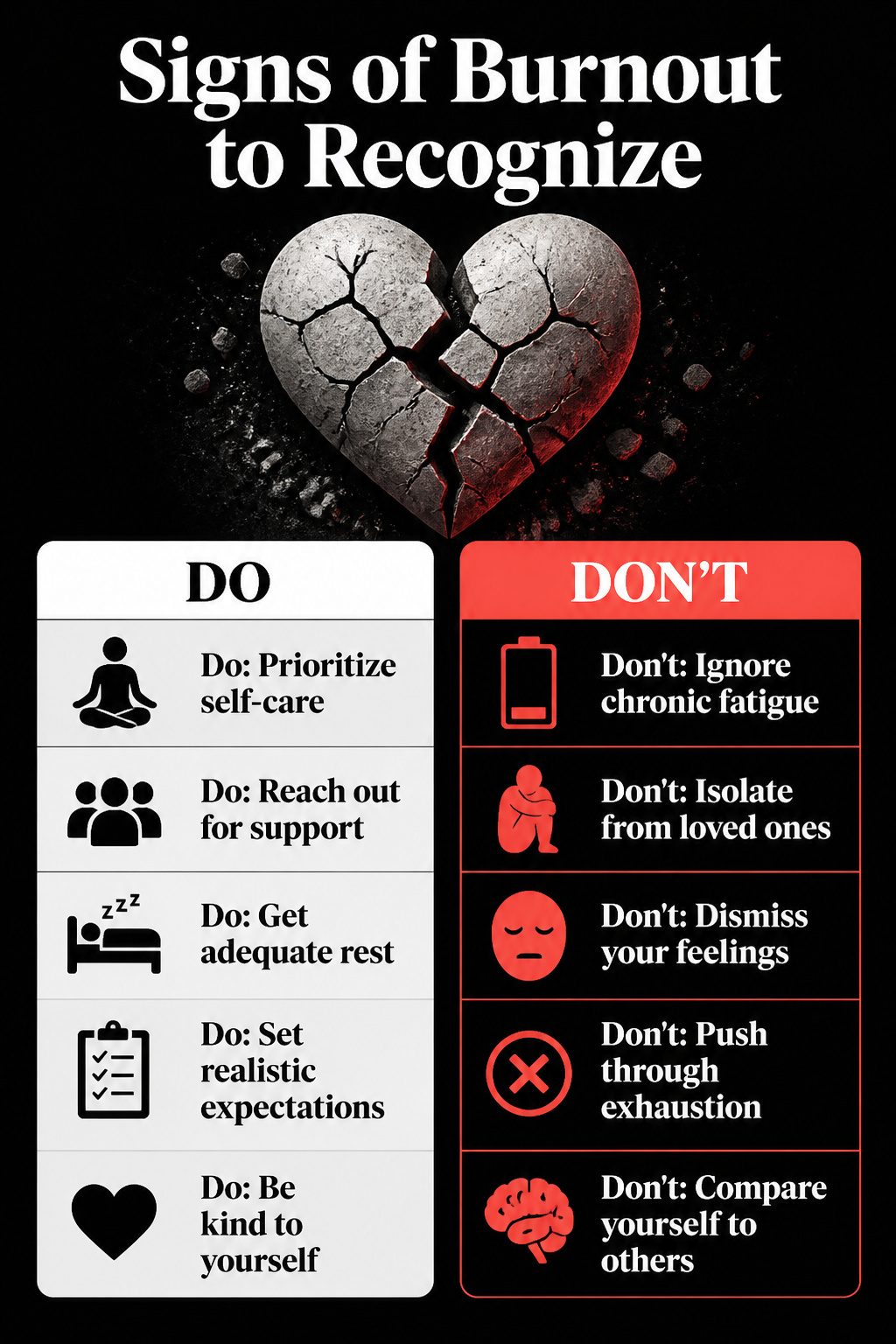
Ordinary tiredness lifts after a night’s sleep. Burnout does not. It settles in as a chronic exhaustion that still weighs on you after a nap, and it shows up in ways that are easy to dismiss until they become the norm. You might find yourself snapping over spilled milk or feeling numb during bedtime stories, even when you are trying your best. The irritation bubbles up anyway. The sense that you can never catch up, let alone rest, becomes background noise.
The signs run deeper than mood. More than half of parents, 57%, self-report experiencing burnout. That figure matters because it tells you this is common, not a personal failing. The pattern includes emotional exhaustion, disconnection from your kids during moments that used to matter, and a persistent feeling that you are no longer good at the job. Some women describe having too little energy to speak with friends, less interest in sex, erratic eating, and self-deprecation that becomes automatic. Underneath it, researchers find fear: fear of being a bad parent, of losing control, of losing your sense of self entirely.
This is not a diagnosis. It is a self-check. If the exhaustion is chronic, the irritability is constant, and the disconnection is growing, you are not weak. You have been doing too much for too long without a break.
Building Your Support System

"Let me know if you need anything" sounds kind, but it hands the work back to the person who is already drowning. We have been on both sides of that text, and we have learned that specific offers land where vague ones bounce off. "Can I drop off coffee or lunch on Friday?" or "I’m going to the grocery store. What can I grab for you?" removes the decision fatigue. The overwhelmed mom does not have the bandwidth to invent a task for you.
Receiving help takes practice too. Be exact about what would actually help: "Can you grab milk while you’re at the store?" or "Would you take the kids for an hour so I can regroup?" or even "I just need someone to listen, no fixing." People generally want to show up; they just need the roadmap.
There is no prize for doing it all alone. Whether you are a new mom, a single parent, a stepmom, or a grandparent doing it all again, the load lightens when someone else simply hears you. The mom crew does not have to be large. It can be one person who folds laundry while you talk, or a group that meets you with compassion rather than judgment. Start with one concrete ask this week.
Overstimulation and Sensory Overload
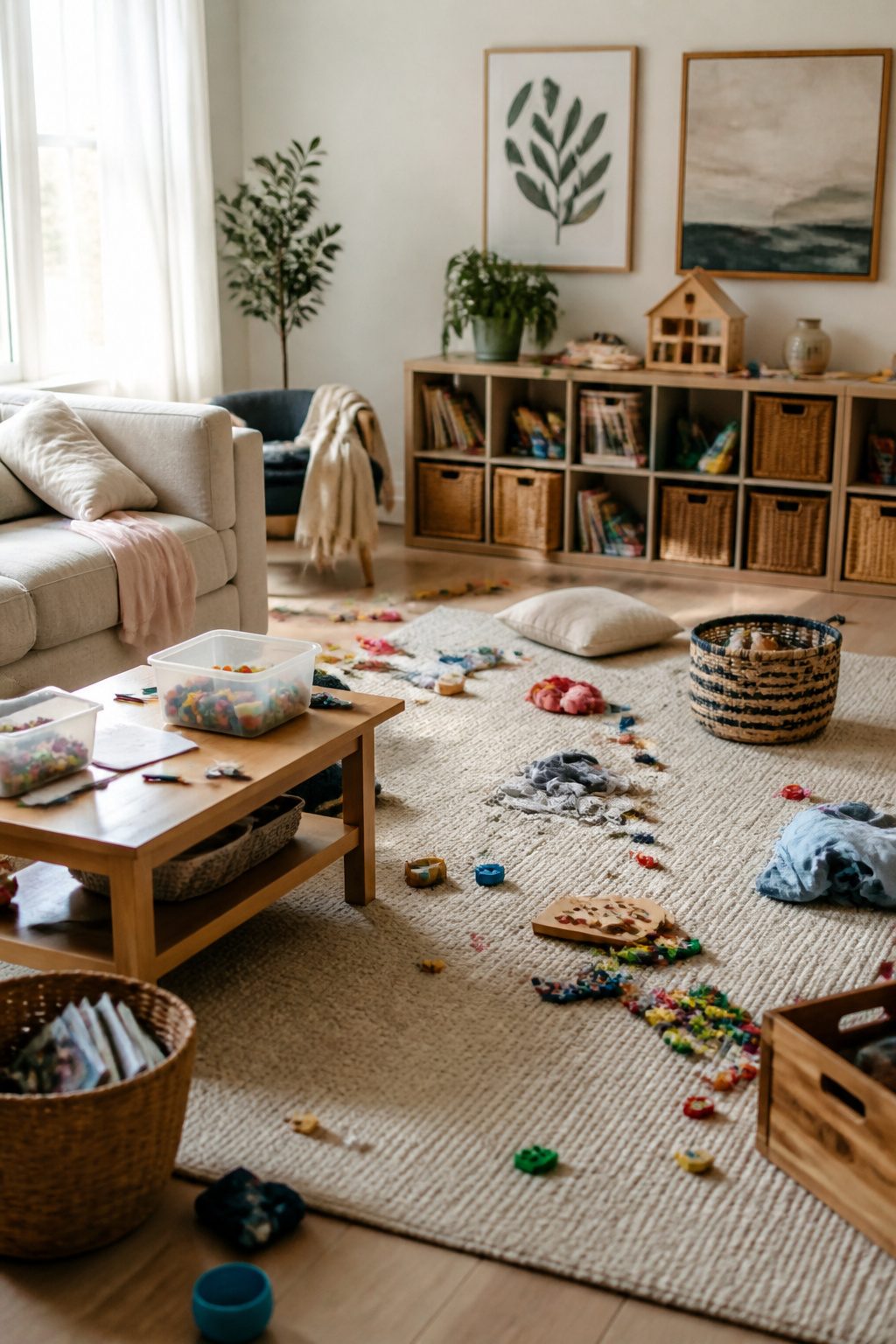
The noise is the first thing that hits, before the emotions even register. A child shrieking, a cartoon blaring, someone tugging at your sleeve while you step on a stray Lego. Your nervous system processes every input as a physical event, and the body does not sort "just a kid being a kid" from actual threat. Heart rate climbs, shoulders lock, and you snap over a spilled cup of juice because your filter is already full.
This is not the same as feeling sad or worried about motherhood. Emotional stress lives in thoughts about the future or the past. Sensory overload is immediate, bodily, and cumulative. A morning of constant touch and sound leaves you raw by lunch in a way that no amount of positive thinking resets.
We noticed this in our store when parents would freeze in the aisle, eyes glazing over at the bright displays and chirping demo toys. The kids were fine. The adults needed the exit. Your home works the same way: the visual clutter of scattered toys, the unrelenting soundtrack of small children, the skin contact that never stops. Each input is minor. Together they demand recovery time you are not getting.
What helps is treating the senses as a system to manage, not a weakness to overcome. Noise-canceling headphones during a safe moment, a single cleared surface to rest your eyes, a bathroom break with the door locked. These are not luxuries. They are the physical equivalent of catching your breath.
Frequently Asked Questions
What causes overwhelm in moms?
Overwhelm in motherhood is the natural result of one brain holding dozens of invisible responsibilities at once: remembering, planning, anticipating, and worrying for a whole family. Mothers are expected to constantly multitask and show up perfectly through it all, often without consistent support. Add sleep deprivation and a culture that tells moms they should enjoy every moment, and the load outgrows the capacity of one person.
What are signs that I might be experiencing mom burnout?
Signs include chronic exhaustion that does not lift after rest, irritability over small things, feeling numb during moments that used to matter, and a persistent sense that you are no longer good at the job. More than half of parents, 57%, self-report burnout. Other signals include perfectionism, mom guilt, losing interest in activities you once loved, sleep issues, rising anxiety, and feeling resentful about daily tasks.
How can I help a mom who is overwhelmed but won’t ask for help?
Offer something small, tangible, and specific rather than waiting for her to name what she needs. I am picking up kids from practice; yours can ride with mine lands better than let me know if you need anything, which puts the burden back on her depleted plate. The shame of needing help is real and ordinary, so just showing up with a concrete offer removes the asking from her plate entirely.
Is it okay not to enjoy motherhood all the time?
It is completely normal not to enjoy every moment of motherhood. Nobody enjoys every second of every activity all the time. There will be beautiful moments, but also rage, boredom, grief, and the occasional desire to run away. None of that makes you a bad mom; it makes you a real one.