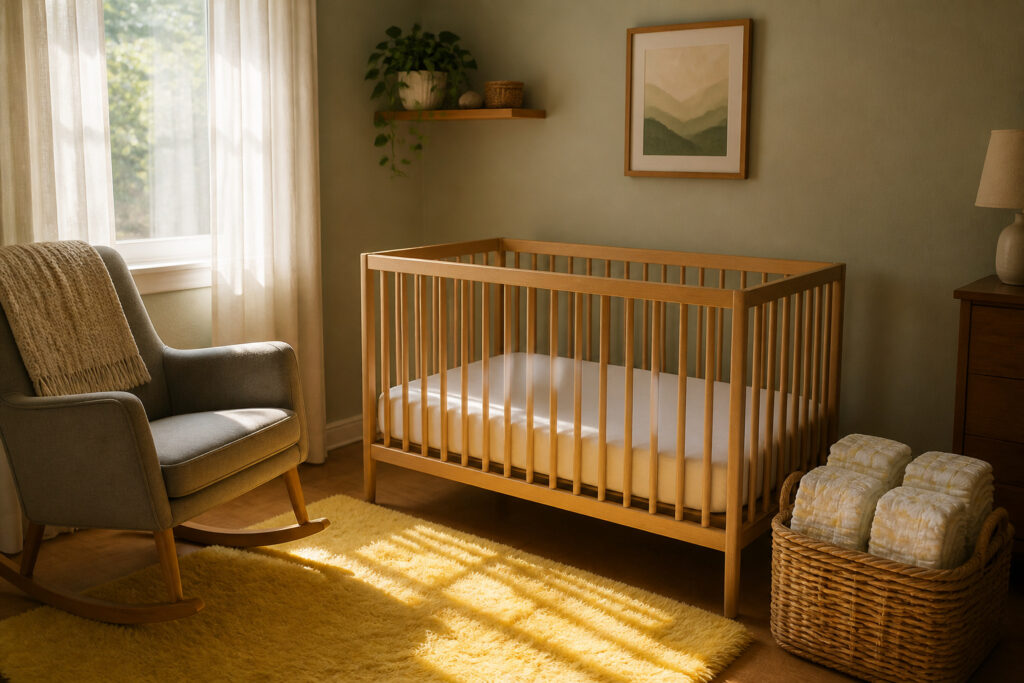
A newborn baby essential list is a narrow inventory of what you will actually use in the first weeks, not a registry of everything marketed to anxious parents.
What belongs on yours depends on your living space more than most guides admit: a monitor is unnecessary in a small apartment where you hear every cry through the wall, but worth buying if the nursery sits down a hallway or on another floor.
Start with a firm crib mattress with tight-fitting sheets, an infant car seat checked by a fire station before your due date, and two to three large boxes of diapers in newborn and size 1.
The rest, from bottles to carriers, should wait until you know what this particular baby tolerates.
[link-whisper-related-posts]Safe Sleep Space

The first thing we noticed when we started looking at safe sleep guidance is how little it actually says about setup. Most sources list the items and stop there, so we had to piece together the specifics ourselves.
A crib or bassinet is your starting point. If you go with a crib, the slats must be no more than 2 3/8 inches apart; anything wider and a baby’s head can slip through.
The mattress needs to be firm, not cushioned, and it should fit tight enough that you cannot slide a finger between the mattress and the crib wall. Bassinets follow the same rule: firmer is safer.
Soft bedding is where parents often slip up. No pillows, no bumpers, no loose blankets in the sleep space.
The AAP guidelines are clear on this, and the sparse look is intentional. A fitted sheet is all that belongs in there, and you will want at least two so you can swap while one is in the wash.
Skip the positioners, decorative pillows, and anything marketed as filling the space. A clear crib is what actually reduces SIDS risk, not the accessories.
Car Seat

You will not be allowed to leave the hospital without an infant car seat installed and ready. The nurses check.
We have watched friends scramble to install one in the parking garage while their partner waits with a discharge folder, and it is not a scene you want.
Buy new if you can. Car seats expire six to ten years from manufacture, and any impact, even minor, makes a seat unsafe.
If you do buy used, only buy from someone you trust and verify the seat has never been in an accident. Get the installation checked before your due date.
Many fire stations do this free.
The harness matters more than most people realize. Try the pinch test at your baby’s collarbone.
If you can pinch a fold of strap fabric, pull tighter. Loose harnesses are one of the most common mistakes we see, and it is an easy one to fix.
Keep your baby rear-facing until they hit the seat’s height or weight limit, and longer if you can. Their neck and spine need that protection.
Diapers

Newborns burn through 10 to 12 diapers a day in those first weeks, so a single box disappears fast.
We learned to keep two or three large boxes of newborn size on hand and to buy the next size up before the first ran out; babies outgrow newborn diapers quicker than the labels suggest, and running out at 2 a.m. is a mistake you make once.
On brands, we side with Huggies for fit and containment, with Kirkland as the runner-up if you are already in a Costco rhythm. Pampers and Honest worked but leaked more often for us.
Budget about eight to ten diapers daily once the initial rush settles, changing with each feeding.
Wipes pair with the diapers, unscented if the skin shows any sensitivity.
Two large tubes of diaper rash cream should sit right there in the changing station; you will use less than you fear but want it within arm’s reach every single change.
Wipes

Unscented baby wipes are the only kind we would keep in the house. Fragrance is a common source of irritation on newborn skin, and there is no real benefit to paying for it.
Stock up with at least two to three large boxes before the baby arrives. Newborns go through ten to twelve diaper changes a day, so the wipes disappear faster than you expect.
We have seen parents run out at 11 PM and make a desperate pharmacy run; that is a situation worth avoiding with a little advance planning.
Buy in bulk if the per-wipe math works out, but do not let a "great deal" on scented wipes tempt you. The irritation they can cause is not worth the few dollars saved.
Feeding Essentials

We learned the hard way that starting with just a few bottles saves you from a cabinet of rejects. Babies are picky about nipple shape and flow, and what works for your friend’s newborn may make yours furious.
Pick three or four different brands in the 4-ounce newborn size and let the baby vote before you commit.
If you are nursing, a breast pump is non-negotiable for building a stash or handling a blocked duct. Check your insurance first: many US plans cover an electric pump at no cost, replacement parts included.
We have seen parents pay out of pocket only to find their plan would have shipped one free with a phone call.
Formula follows the same rule as bottles. Two or three small containers of different brands get you through the first weeks without waste.
One common mistake is stocking up on a 30-day supply before you know if the baby tolerates it. Expiration dates run faster than you think, and the money is better spent elsewhere once you know what works.
Clothing Basics

Onesies are the workhorse of a newborn wardrobe, and we learned the hard way that 6 to 10 is the right number to own, not the twenty-some we started with.
Zipper onesies beat gowns for us; gowns are convenient for diaper changes, but they bunch and tangle in car seats, swings, and carriers.
We tried Gerber, Kyte, and Old Navy, and the least expensive set, a Gerber pack of 3 at $15.00, held up the best through daily washing.
Pajamas should match your onesie count, one for one, so you can rotate evening sets and run a single laundry load. Skip anything fussy.
Dressy outfits and fancy dresses look adorable in the photos you take before birth, but they collect spit-up and fight you during 2 a.m. changes. Footed sleepers and simple bodysuits are what actually get used.
Buy 0 to 3 month sizes to start, unless your baby is notably small. Newborn size is tempting, but most babies outgrow it within days or never fit it at all, and you will end up exchanging piles of untouched clothing.
If friends ask what to give, tell them 3 to 6 month or 6 to 12 month sizes. Everyone gifts the tiny stuff; you will drown in it and run short later.
One seasonally appropriate hat is enough. A soft cap for warmth or a brimmed hat for sun, not both unless your climate demands it.
And skip shoes entirely before walking. They restrict the foot movement babies need for proper development, and they serve no real purpose in the first months.
Baby Carrier

A baby carrier earns its spot on the newborn baby essential list for one reason: your hands get free while the baby stays close and calm.
Some guides skip past this or treat it as optional, but we have seen the difference it makes in those early weeks when a newborn needs motion to settle and you still need to eat, answer the door, or just stand upright for ten minutes.
The carrier becomes especially useful during the witching hour and for travel, though every baby responds differently to being worn.
One parent may find it is the only way their newborn sleeps; another may use it mainly for transport and settling.
Learn how to use a carrier correctly before the baby arrives. Newborns have specific safety needs around airway and fit that are not obvious from looking at the straps.
Spend ten minutes with a video from the manufacturer or a local babywearing group. That preparation keeps you from fumbling with buckles while the baby cries and you have not slept in two days.
Bath Essentials

For bath time, keep the list short. A small tub or a newborn insert for your sink gets the job done, and three soft hooded towels will cover the first few months without constant laundry.
Some parents skip the tub entirely at first and sponge-bathe on a towel-lined counter. That works fine until the umbilical cord stump falls off.
Keep the water around 100°F (37.8°C). A bath thermometer takes the guesswork out of it, though testing the water on your wrist works if you are careful.
Warm, not hot, is the point.
We skip soap for the first weeks. Newborn skin keeps its own protective barrier, and plain water handles most of what needs cleaning.
If you want washcloths, use them warm. Lay one across the baby’s stomach during the bath so they do not feel exposed; that trick has saved more than one of us from a mid-bath meltdown.
Health and Grooming Kit

A digital thermometer belongs in your hand before the baby comes home, because a fever in the first weeks is one of those small signs that turns urgent fast.
We keep ours in the same drawer as the nail clippers and the nasal aspirator, since all three get reached for at odd hours.
Baby nails grow faster than you expect and come out sharp; the clippers or a soft file see use more often than most new parents predict. The nasal aspirator handles the stuffy nights that otherwise leave everyone awake.
Hospitals usually send you home with some basics, so check what you already have before buying. If dry skin shows up, skip the heavily marketed lotions; a simple tallow balm does the work without the long ingredient lists.
Baby Monitor

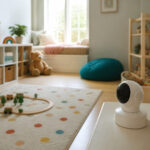
A baby monitor lands in a gray zone on most newborn baby essential lists, and we think that is fair. In a small apartment where you can hear the nursery from the main living areas, you can skip it entirely.
The walls are thin, the distance is short, and your own ears do the job.
We have seen parents in studio apartments try to justify a video monitor with breathing alerts, then realize they are watching a screen for sounds they already hear.
Move to a larger home or a floor plan with the nursery down a hallway, and the math changes. An audio monitor at minimum is worth having.
You want to know the cry started before you are halfway up the stairs. Video monitors are popular, especially for first-timers who need the visual confirmation that a blanket has not shifted, but they are not strictly essential.
Buy for your layout, not for the feature list. The expensive models sell peace of mind more than function, and a mid-range audio unit covers the actual need in most houses.
What to Buy Before Birth

The car seat needs to be in the car and buckled correctly before you drive to the hospital; most fire stations will check the install for free if you are unsure whether you got it tight enough.
For sleep, a bassinet or crib with a firm mattress and fitted sheet is enough; skip the blankets, bumpers, and pillows until later.
Buy newborn and 0 to 3 month sizes, not a full wardrobe, because you will not know the baby’s length or weight until birth and growth in those first weeks is unpredictable.
Diapers in newborn and size 1, plus unscented wipes, will get you through the first month; scented products irritate newborn skin more often than not.
Feeding supplies depend on your plan: a nursing pillow and manual pump if you are breastfeeding, bottles and formula if you are not, though many parents wait on formula to see what the baby tolerates.
A soft-structured carrier or wrap keeps your hands free during the long hours the baby will want to be held. A basic health kit with a thermometer, nasal aspirator, and nail clippers rounds out the pre-birth list.
Everything else, from the breast pump to the stroller rocker, can wait until you know what this particular baby actually needs.
Changing Setup Without a Table

A changing pad on top of a dresser works perfectly and saves space. We skipped the dedicated changing table entirely and never missed it.
The pad keeps the baby contained, the dresser height saves your back, and you already own the furniture.
Stock the station with diapers, wipes, and diaper rash cream within arm’s reach. Newborns need 10 to 12 changes a day, so keep two to three large boxes of diapers and the same of unscented wipes close by.
Unscented matters: fragrance is a common source of irritation on newborn skin. Two large tubes of diaper cream should handle the first weeks.
A diaper pail is optional. We tried one and found it more hassle than it was worth.
A small lidded bin emptied regularly works as well with less fuss.
When a Monitor Matters

In a small apartment where the nursery shares a wall with your bedroom, you can hear every snuffle without help, and a monitor can wait or stay off the list entirely.
We have talked with enough new parents to know the temptation to buy the full video setup anyway, just to feel prepared. That money is usually better spent elsewhere in those first weeks.
The need changes fast once you add distance. In a larger home with the nursery down a hall or on another floor, an audio monitor at minimum is worth having.
You want to know the cry is starting before you are already behind on soothing. Video monitors are popular now, but they are not strictly essential; the audio tells you what you need to know for a middle-of-the-night check.
Buy what fits your layout, not the most expensive model on the shelf.
Feeding Pathways

Bottles are where we always tell people to start small, not big.
Pick up four to six in a couple of different shapes, glass or BPA-free plastic, and see which nipple flow your newborn actually takes before you commit to a full set.
The wrong bottle means a gassy, frustrated baby at 2 a.m., and no return policy fixes that.
For nursing, a breast pump is often covered by US insurance at no cost, so check your plan before you buy. Many parents do not realize this until after they have already paid out of pocket.
If you are going that route, add milk storage bags, nursing pads, and lanolin cream to your list. A nursing pillow is worth spending on properly; you will use it constantly, and your shoulders will notice the difference.
On formula, buy a few containers to start, but watch the expiration dates and do not stock up. Babies are picky about brand and type, and a closet full of the wrong formula is money you cannot get back.
Four to eight burp cloths or bibs handle the spit-up either way, and a basic bottle brush keeps the cleanup honest. Pick one feeding path to prep for first; you can add the rest later.
Start with the one you plan to use, and send someone for the backup supplies only if your body or your baby changes the plan.
Home Size and Setup

Where you live changes what you actually reach for. In a small apartment, you hear the baby cry through the wall.
A monitor is optional there, and the money stays in your pocket. A larger house with a separate nursery is different.
An audio monitor at minimum becomes worth having, just to keep an ear out from another room.
We have watched renters in Salt Lake City stack the crib into a corner of their bedroom and skip the monitor entirely, while first-home owners down the block with a finished nursery two floors up use one daily.
The carrier shifts the same way. Tight quarters, it is an occasional help for a doctor’s visit.
Spread-out space, it turns into the daily tool that gets you from the nursery to the kitchen without waking the baby. Buy what fits your layout, not the most expensive model on the shelf.
Frequently Asked Questions
What are the main baby essentials?
The main newborn baby essentials are a safe sleep space, something to help your baby settle, an infant car seat, feeding supplies, diapers and a changing setup, basic clothing, a baby carrier, bath items, a health and grooming kit, and a baby monitor.
These ten categories cover everything a newborn genuinely needs in the first three months. Everything else can be bought as the need becomes clear.
What do you actually need to buy for a new baby?
Before the birth, focus on the non-negotiables: a car seat installed and ready, a sleep space set up, basic clothing in newborn and 0 to 3 month sizes, diapers and unscented wipes, feeding supplies, a carrier, and a health kit.
The car seat must be buckled correctly before you drive to the hospital, and nurses will check it before discharge.
Everything else, from the breast pump to the stroller rocker, can wait until you know what this particular baby actually needs.
Do I really need a baby monitor?
It depends on your home. In a small apartment where you can hear the nursery from the main living areas, a monitor is optional and the money is better spent elsewhere.
In a larger home with the nursery down a hallway or on another floor, an audio monitor at minimum is worth having so you know the cry started before you are halfway up the stairs.
Video monitors are popular but not strictly essential; buy for your layout, not for the feature list.
What are the essential needs of a newborn baby?
Newborns need safety, warmth, nutrition, and closeness.
That translates to a firm sleep surface with no loose bedding, a properly installed rear-facing car seat, frequent feedings every few hours, diapers changed 10 to 12 times daily, simple clothing in soft fabrics, and a way to be held close like a carrier or your own arms.
Their neck muscles are weak, their skin is sensitive, and they cannot regulate their own temperature well, so everything you choose should account for those vulnerabilities.
What is the 3-3-3 rule for newborns?
The 3-3-3 rule refers to three hours of sleep, three hours awake, and three hours of fussy cluster feeding that many newborns cycle through in their first weeks.
It is not a rigid schedule but a pattern parents notice: roughly three hours between feeds, about three hours of total alert time in a day, and often a stretch of evening fussiness lasting around three hours.
What are the best essentials for a newborn baby?
The best essentials are the ones that fit your specific space and your baby’s preferences, not the most expensive or most marketed.
Start with a firm crib mattress with tight-fitting sheets, a new infant car seat with a correctly tightened harness, unscented wipes and two to three boxes of newborn diapers, six to ten zipper onesies in 0 to 3 month sizes, a few bottles in different shapes to test, a carrier you learned to use before birth, and a digital thermometer.
Buy small amounts to test before committing to bulk, especially for bottles and formula.
What are 10 things you need for a newborn baby?
You need a safe, firm sleep surface; a way to help your baby settle such as motion or white noise; an infant car seat; feeding essentials like nursing supplies or formula and bottles; diapers and unscented wipes; basic clothing in the right sizes; a baby carrier; bath essentials including a small tub or sink insert; a health and grooming kit with thermometer and nail clippers; and optionally a baby monitor depending on your home layout.
These ten items cover the first three months without excess.