
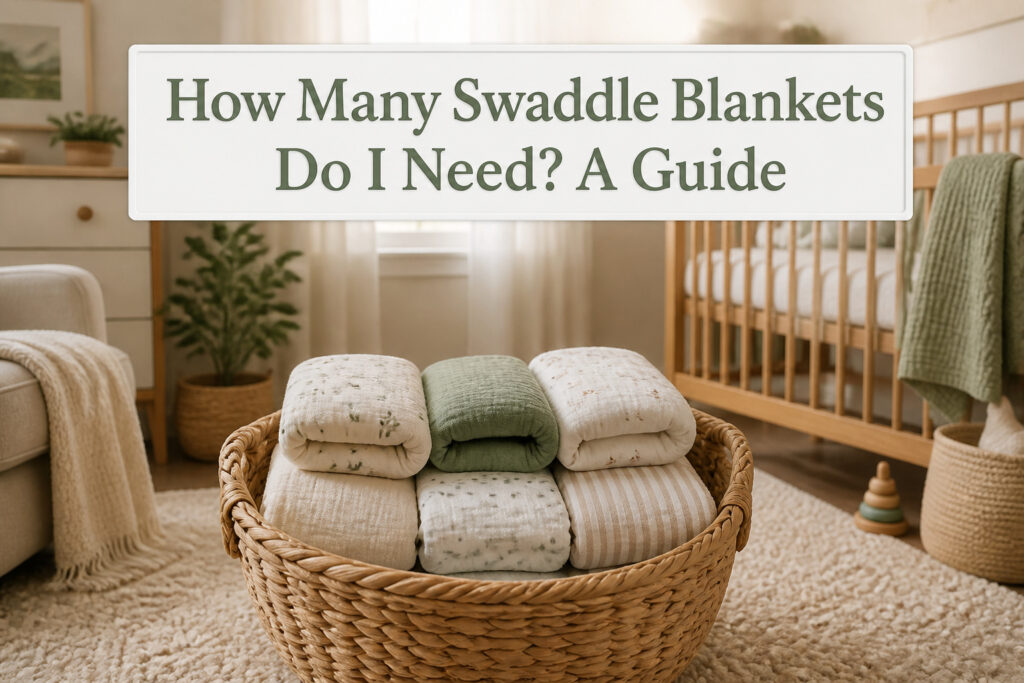
Most parents need 4 to 8 swaddle blankets, but the number that actually works depends on how often you run laundry, not what the registry suggests. Wash daily and 4 to 5 gets you through; stretch to every 2 or 3 days and you will want 6 to 8 to avoid wrapping a baby in damp fabric at 2 a.m. We started with 6 and added more after week three once we saw our daughter’s pattern with spit-ups.
[link-whisper-related-posts]How Many Swaddle Blankets You Actually Need
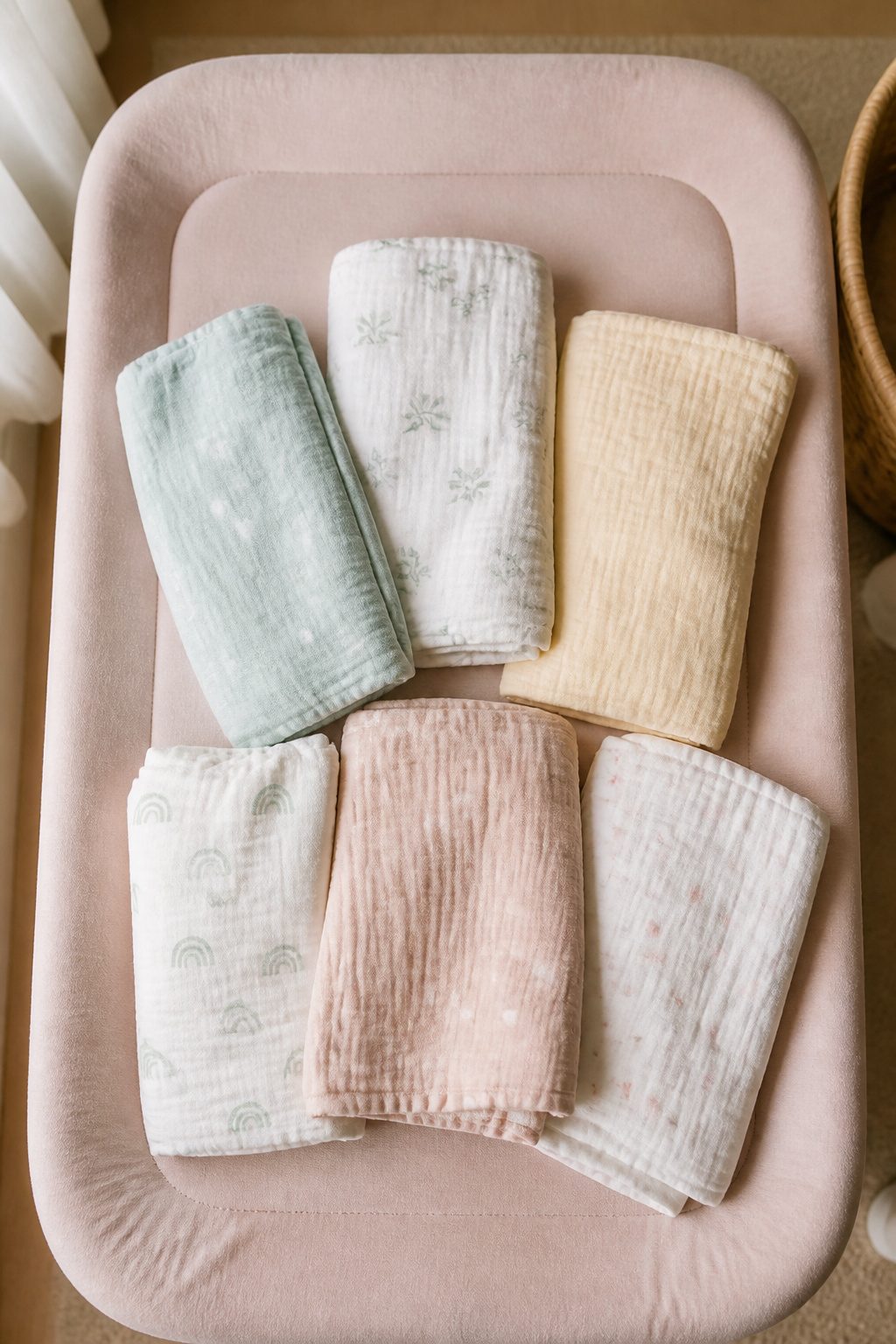
Most parents find 4 to 8 swaddle blankets is the practical range, depending on how often you run laundry and what your baby actually needs. If you wash daily, you can get by with 4 to 5. Stretch that to every 2 or 3 days and you will want 6 to 8 in rotation. This is not registry guesswork; it is the count that keeps working once the baby arrives and the spit-up starts.
Daily washers have a simpler math. One blanket on the baby, one in the wash, one drying, one clean and ready. That is four, with a spare fifth for the blowout that always hits right after you start the machine. Wait longer between loads and the pile grows fast. Two in use, two dirty, two waiting for the cycle, plus the emergency backup. That lands you at six to eight, and the breathing room is worth it at 2 a.m. when you reach for a fresh one and do not have to think about whether the dryer is done.
Some parents start with 3 to 6 and add more only if the baby takes to swaddling. That works if you are testing the waters, but it means an extra trip to the store or an overnight order when you are already short on sleep. We would rather have the eighth blanket sitting unused for a week than be caught with every layer in the laundry at once.

Set includes seven flannel blankets. Measures 30x30 inches.
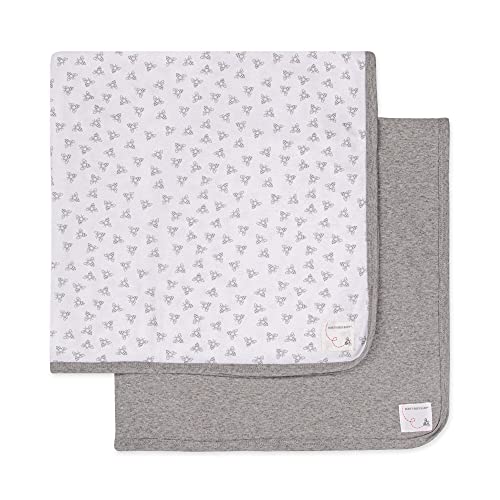
Honey Bee Organic Cotton Receiving Blankets: Our adorable blankets are the perfect registry items for swaddling, clean-ups, burp cloths, nursing covers, and playtime.

Set includes seven flannel blankets. Measures 30x30 inches.
What Changes the Count
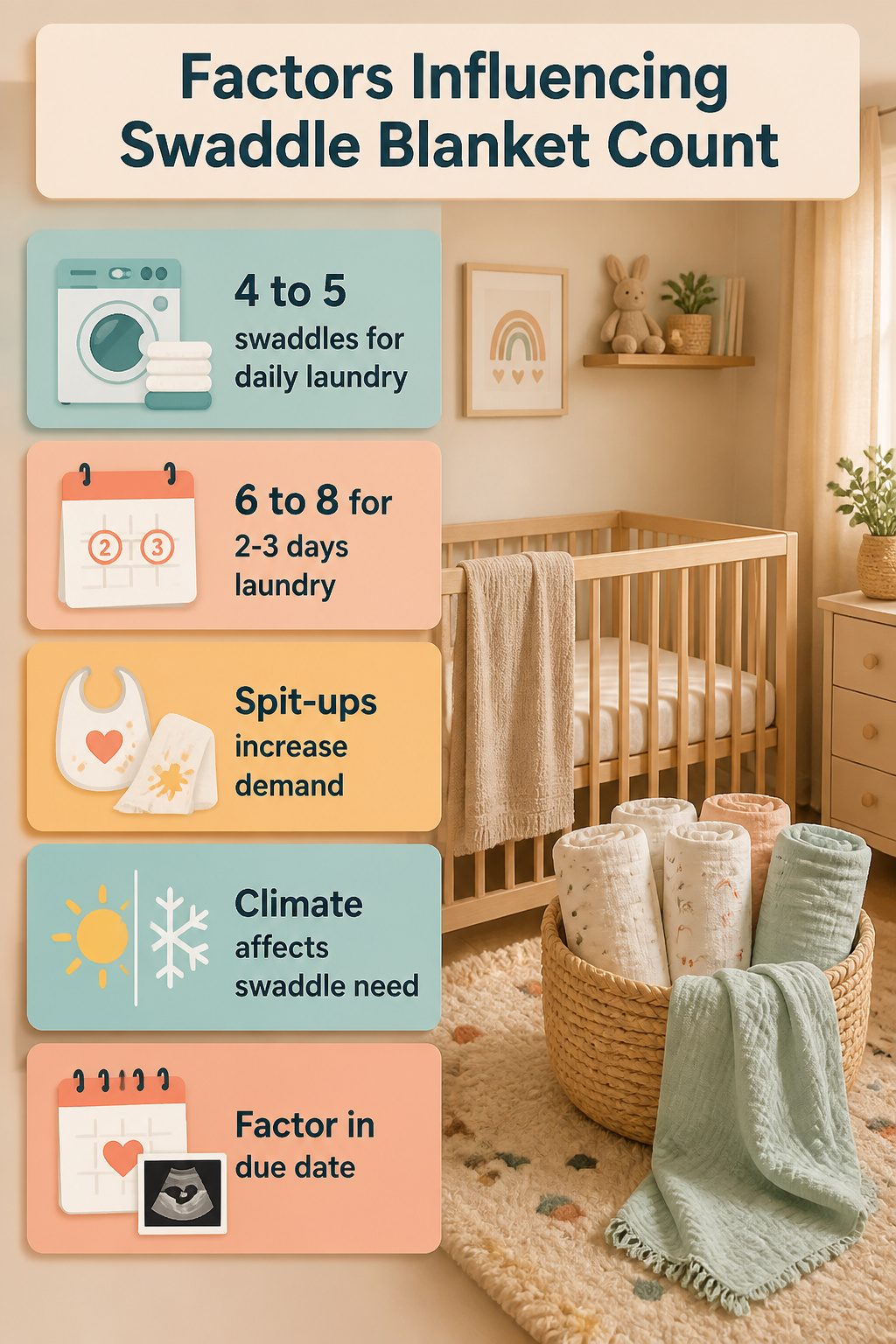
Laundry frequency is the first thing that moves the number. If you wash daily, 4 to 5 swaddles gets you through. Most of us find laundry slides to every 2 or 3 days once the baby arrives, and at that pace 6 to 8 keeps you out of crisis.
Spit-up and diaper leaks push you toward the higher end no matter how often you wash. A "happy spitter" can burn through two or three swaddles in a morning, and a blowout at 2 a.m. doesn’t wait for your laundry schedule. We started in the middle at 6 and added more after week three once we saw our daughter’s pattern.
Climate matters more than the registry lists let on. Warm weather means sweat and overheating checks, so you’re changing swaddles more often for freshness. Winter babies might stay cleaner longer, though some parents layer swaddles for warmth and end up rotating just as fast. Factor your due date into the count you pick.

Set includes seven flannel blankets. Measures 30x30 inches.

Set of coordinating flannel blankets. Measures 30x30 inches.

EVERYDAY ESSENTIALS: Includes five 30" x 30" cotton flannel receiving blankets for an easy-to-reach supply throughout the day
How Often Swaddles Get Changed
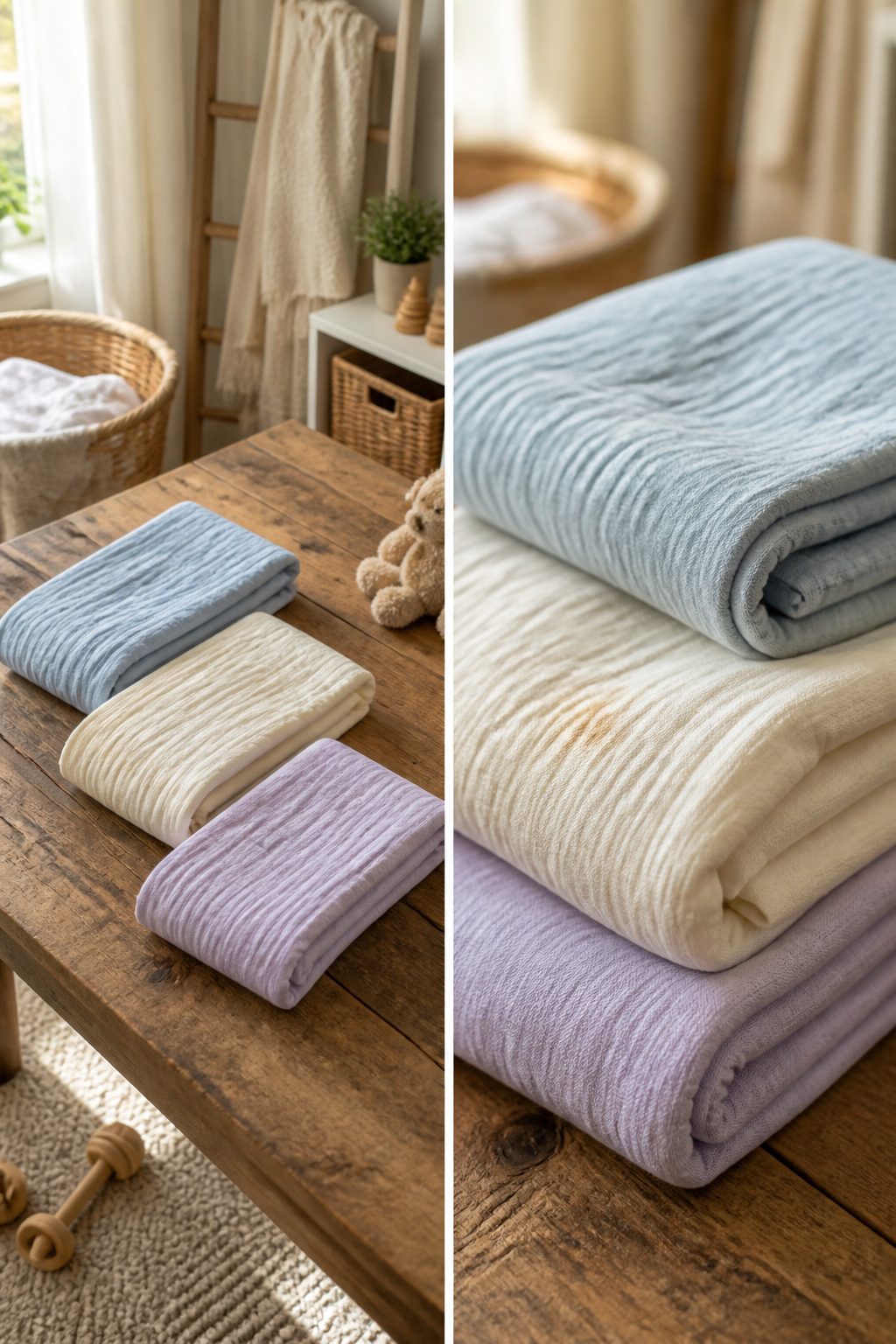
A swaddle that looked fine at 2 a.m. turns out to have a dime-sized spot by morning. Another makes it through breakfast, then catches spit-up mid-burp. In those first weeks, most parents change a swaddle two to three times a day, not because they’re fussy but because the mess arrives on its own schedule. Blowouts climb the back, drool pools in the fold, and a baby who sleeps warm leaves a damp ring you don’t notice until you unwrap them.
The registry math says four or five blankets. The laundry math says otherwise. If you’re washing every two to three days, four wet or soiled swaddles sitting in the hamper means you’re already short by day two. Six to eight is the number that lets you miss a laundry cycle without wrapping a baby in a blanket that’s still half-damp from the dryer. Some babies spit up constantly; others stay clean for twelve hours. You won’t know which you have until they’re here, so the extra two swaddles are insurance against your own sleep-deprived laundry habits, not the baby’s.

SUPER SOFT TO BABY’S SKIN: It is made of safe, natural and pure muslin 100% organic cotton cloth with high-density fabric, which is very suitable for daily baby swaddling. Suitable for sensitive skin, non irritating, free from any harmful substances.
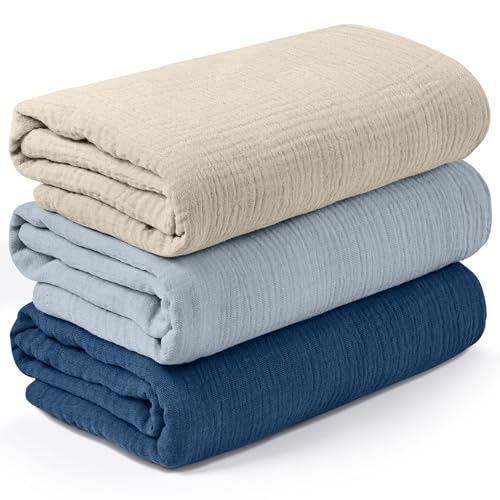
SUPER SOFT TO BABY’S SKIN: It is made of safe, natural and pure muslin 100% organic cotton cloth with high-density fabric, which is very suitable for daily baby swaddling. Suitable for sensitive skin, non irritating, free from any harmful substances.

【SLEEP LONGER, CRY LESS】 Recreates the secure, cozy feeling of the womb to calm your newborn instantly. Our snug design effectively suppresses the startle reflex (Moro reflex), helping your baby sleep soundly through the night without unexpected awakenings.
Traditional Swaddle Blankets
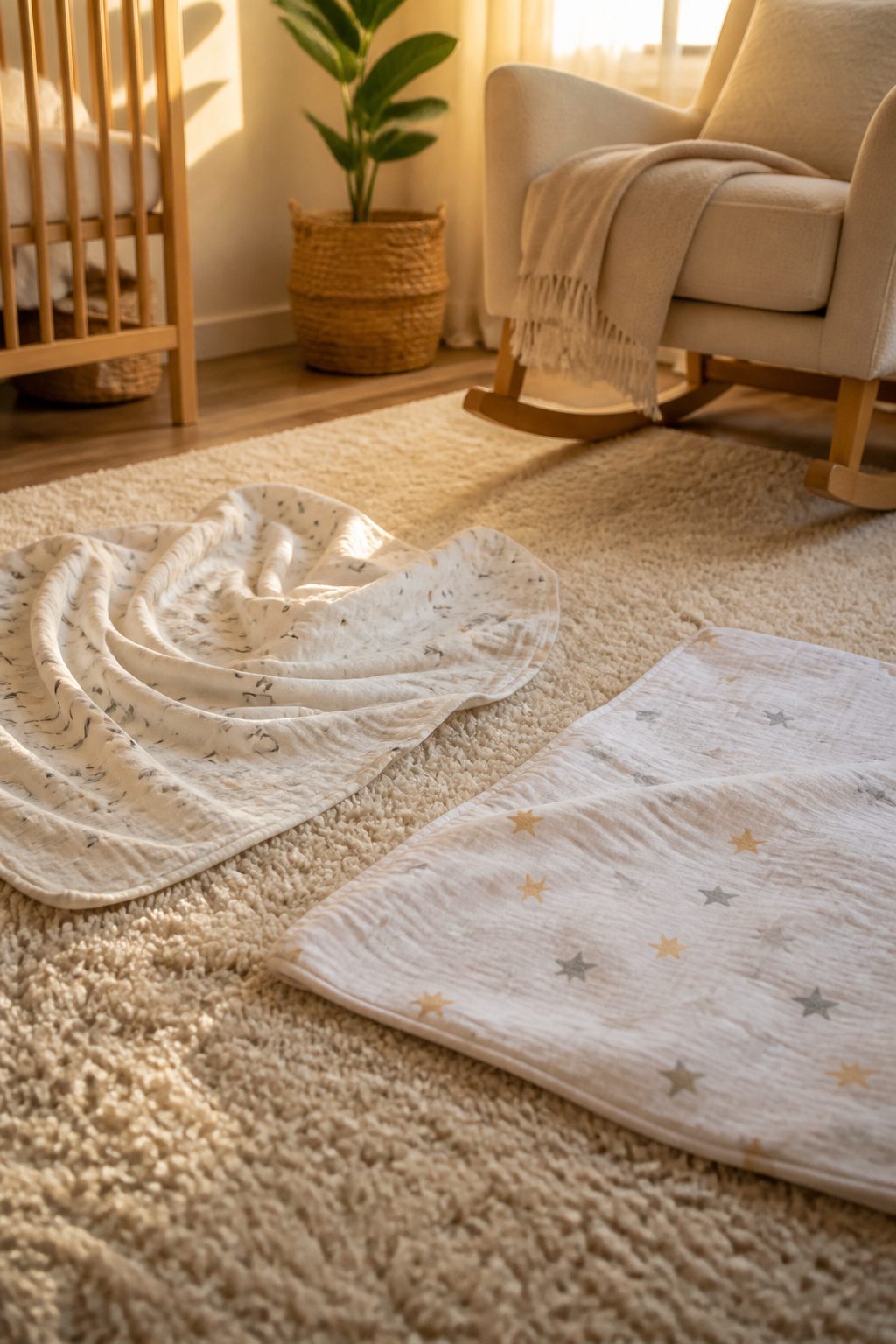
Traditional swaddle blankets are large, thin squares, usually muslin or cotton, that you fold and tuck yourself. The technique has a real learning curve. At 2 a.m., with a crying baby and three inches of loose fabric you cannot account for, the appeal of a zipper or Velcro closure becomes obvious fast. Some parents abandon these blankets within the first week.
Others love the control. You decide exactly how snug the wrap is, and the generous size means the same blanket later works as a nursing cover, burp cloth, stroller shade, or playmat. That versatility is the main reason to keep 2–3 on hand even if you switch to wearable swaddles for sleep. The fabric is lightweight and breathable, which matters for overheating, but the skill is not optional — a loose traditional swaddle is a loose blanket in the crib. If you have the patience to practice the fold during daylight, the payoff is a tool that outlasts the swaddling months. If not, plan to use these as backup utility blankets while Velcro or zipper swaddles handle bedtime.

Ultra Soft Fabric: Our baby receiving blanket is composed of stretchy, ultra soft, lightweight jersey fabric, and made of high quality viscose fibers. It's perfect to wrap your child in softness, warmth, and a feeling of security. Baby and toddler will love the blankets, as they are safe, comfortable and super soft on their skins.

3-PACK: Includes two 100% organic cotton muslin swaddle blankets

Super Soft and Cozy: Our personalized baby blankets are composed of stretchy, soft and breathable fabric, made from high quality jersey knit. Baby and toddler love our swaddle blankets, as they are safe, comfortable and super soft on their skins.
Two-in-One Swaddles
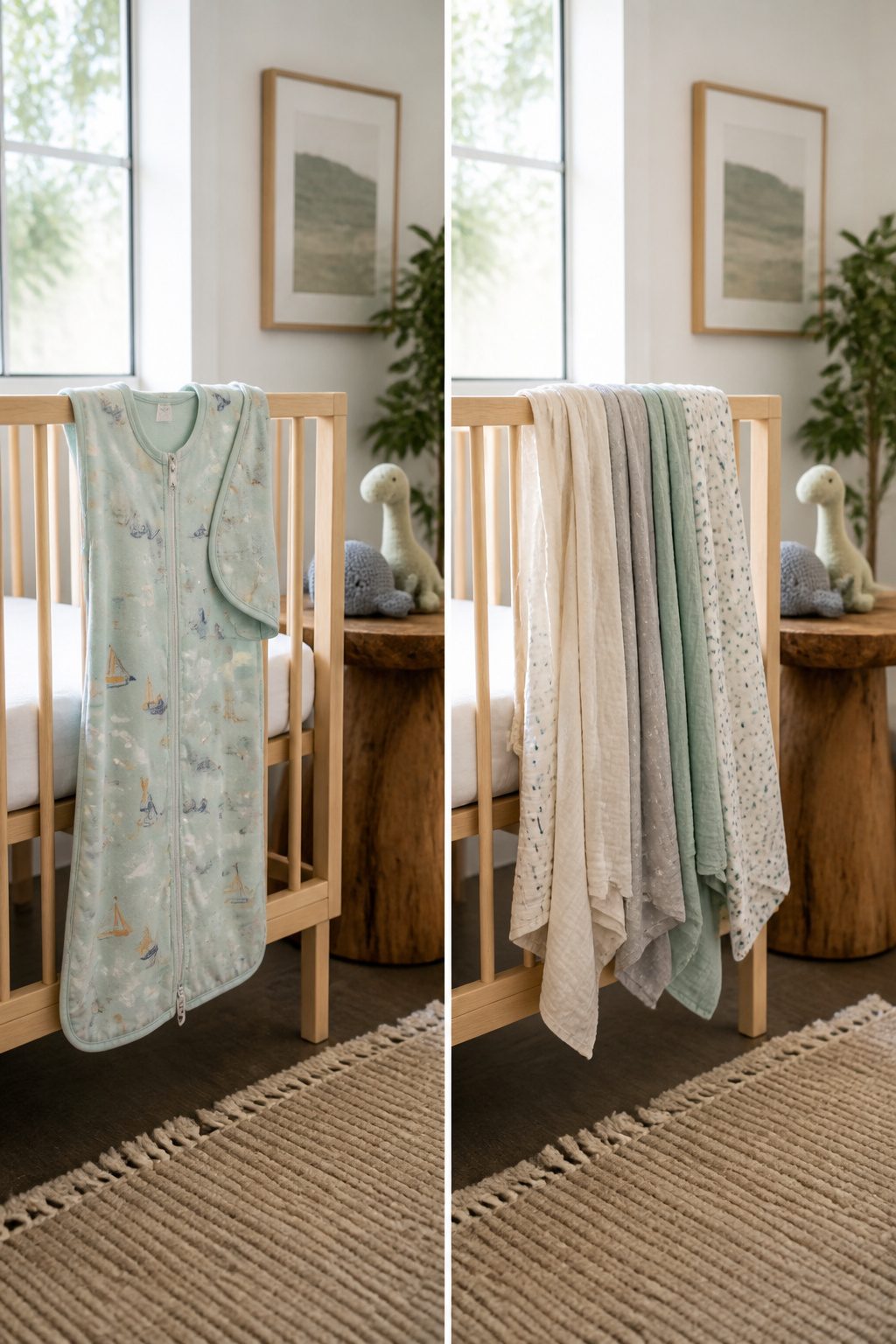
A two-in-one swaddle lets you keep one product through the whole transition instead of buying twice. The design wraps the torso snug while giving you the choice to leave one arm out, both arms out, or keep them tucked in.
The moment it pays off is around two months, when your baby starts fighting the swaddle but still needs that wrapped feeling on the body to sleep. You will notice the blanket coming undone more often, or more squirming during put-downs. That is your cue to try one arm out for two or three nights, then both arms if sleep holds steady. The Halo swaddle we kept in our shop works this way; the zipper wings let you convert it without unwrapping the whole baby and starting over. Once both arms are free, the same piece becomes a sleep sack, so you are not staring at a drawer of outgrown wraps at three in the morning.

3-way adjustable swaddle that adjusts to your baby's sleep style. Swaddle arms in, hands-to-face, one or both arms out to ensure baby's best sleep and an easy transition to the SleepSack wearable blanket when it is time to stop swaddling.

Comfy Warmth: Made from soft wool fleece with plush acrylic filling, this baby swaddle blanket wraps your little one in breathable, cloud-like warmth. Gentle on skin, it's a soothing essential for peaceful naps and comfy nights

Care: Due to vacuum packaging, the blanket may wrinkle and crease. We recommend that you wash and iron before use, it will be back to normal and fluffy again.
Wearable Swaddles
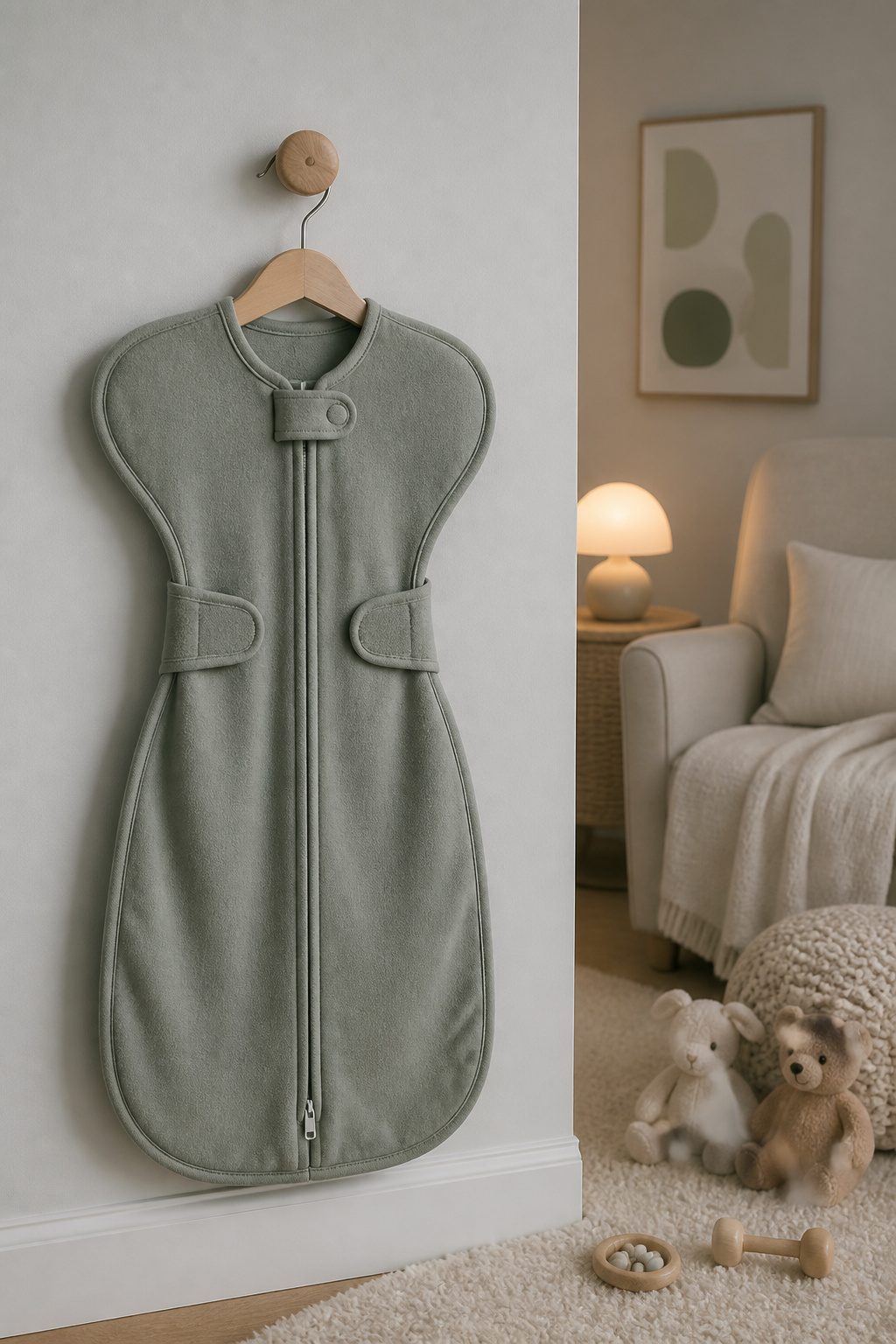
Wearable swaddles with zippers or Velcro strips are the ones we hand to grandparents at 2 a.m. when they offer to take a shift. There is no origami to memorize, no chance the wrap will loosen into loose fabric near the baby’s face. The tradeoff is sizing that runs tricky between brands. We sized up too fast once and the neck gap worried us enough that we put it back in the drawer and went back to the smaller size for another two weeks. Plan on 3–4 of these for sleep, but keep 2–3 traditional square blankets in the mix for nursing covers, stroller shades, and the days when laundry is behind.

Receiving Blanket: Wrap your new baby in one of our swaddle blankets to ensure they’re comfortable, warm and perfectly snug. Great for packing in your hospital bag so you have them on-hand once they’re born, for making them comfortable at nap time and bedtime and for keeping them snug when they’re in their pram or stroller. They’re a must have for any new parent

EVERYDAY ESSENTIALS: Includes five 30" x 30" cotton flannel receiving blankets for an easy-to-reach supply throughout the day

Premium 100% Cotton Material: This blanket is meticulously crafted from pure cotton, ensuring a soft, breathable, and gentle touch for your baby's delicate skin, promoting a cozy and comforting experience.
Swaddling Safety
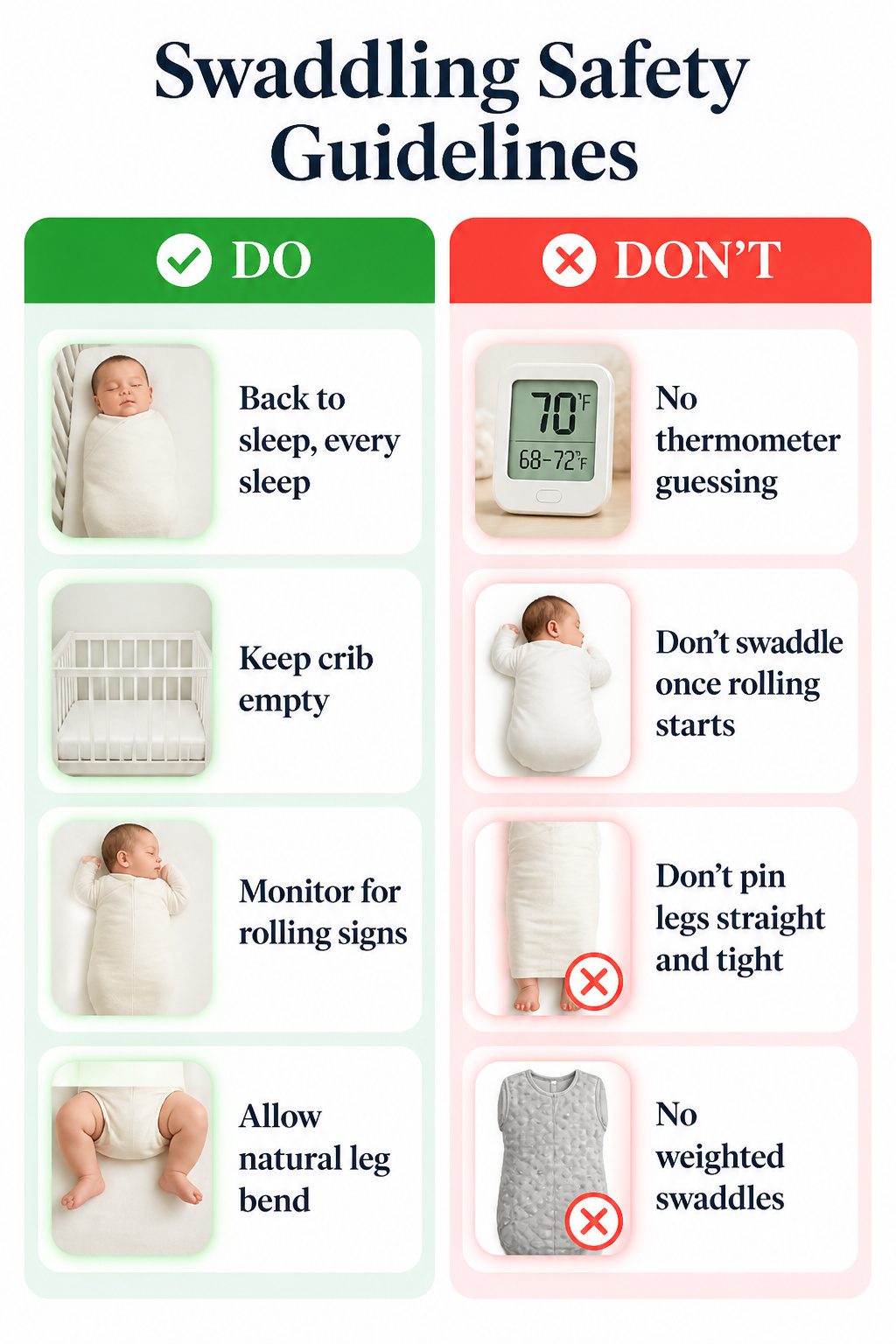
The American Academy of Pediatrics is clear: back to sleep, every sleep, swaddled or not. We keep the crib empty and the room between 68 and 72 degrees Fahrenheit, because overheating is a risk we can control with a thermometer, not guesswork.
Swaddling ends the moment your baby shows any sign of rolling, typically somewhere between two and four months. The signs are small at first: breaking an arm or leg free, waking in a different position than you placed them, or sudden frustration with being wrapped. We watched for these cues with our own stock, and they matter because a swaddled baby who rolls onto their stomach cannot push themselves back up.
Leg position is another detail that looks minor but is not. Hips need to bend and move; pinning legs straight and tight raises the risk of hip dysplasia. A proper swaddle keeps arms snug while letting legs fall into a natural bend.
Weighted swaddles are off the table entirely. The extra material sounds comforting to an adult, but for an infant the added restriction is a hazard, not a help. We do not carry them, and we do not recommend them.
Get this part right, and the question of how many blankets to buy becomes a simple math problem. Get it wrong, and the count does not matter.

Ergonomic for Newborn Growth - Certified as a hip-healthy product by the International Hip Dysplasia Institute (IHDI), the KeaBabies Soothe Baby Swaddle Sack provides ergonomic hip support for an infant's first 6 months of growth.

HOSPITAL GRADE Our receiving blankets are just like the ones that are trusted by hospitals across the US.

Set of coordinating flannel blankets. Measures 30x30 inches.
Uses After the Swaddling Phase
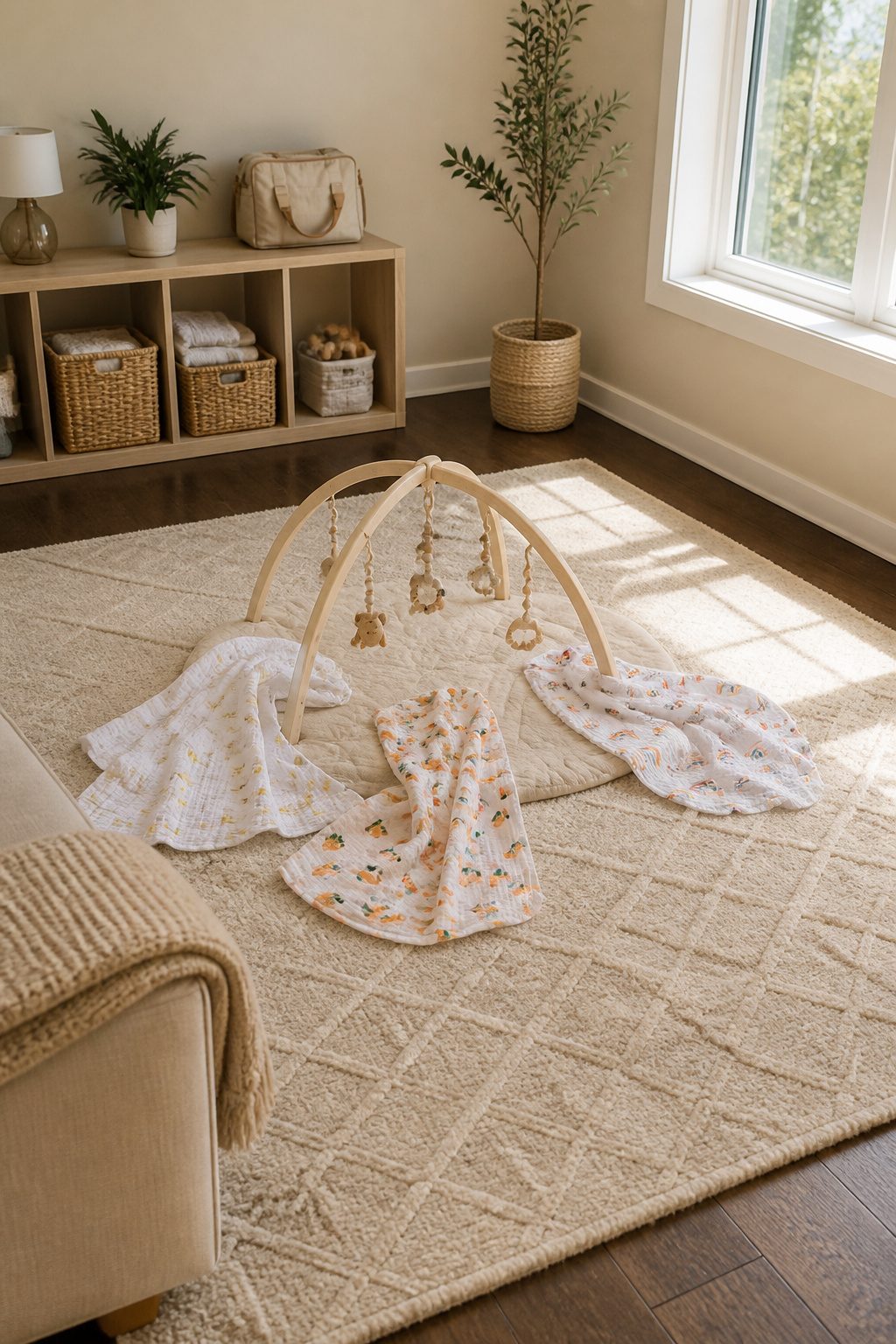
By month four, when the swaddle itself is history, those same squares are probably still in rotation. We kept one in the diaper bag as an emergency changing pad in the car, laid another on the floor for tummy time, and draped a third over the stroller when the afternoon sun hit hard. The muslin breathes, so it shades without turning the seat into a greenhouse.
A couple of the ideas we read about never materialized. Nursing cover, for one; we tried it twice and found it too fiddly to arrange while holding a hungry baby. Burp cloth sounds practical, but a swaddle is oversized for that job and we already had smaller cloths that fit the shoulder better. We also never used one as a changing pad cover at home, since the actual cover was right there.
What did stick was the sheer volume of backup. Four to eight starts feeling sensible, not excessive, once you realize you have one in the wash, one in the bag, one on the floor, and one you forgot was still in the car from Tuesday. The square muslin blankets pull that double duty in a way the zip-up sleep swaddles never will, which is why we kept the traditional ones around long after the Velcro ones got packed away.
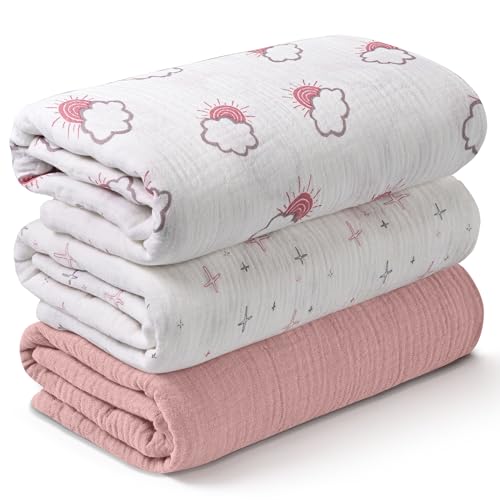
SUPER SOFT TO BABY’S SKIN: It is made of safe, natural and pure muslin 100% organic cotton cloth with high-density fabric, which is very suitable for daily baby swaddling. Suitable for sensitive skin, non irritating, free from any harmful substances.

【SLEEP LONGER, CRY LESS】 Recreates the secure, cozy feeling of the womb to calm your newborn instantly. Our snug design effectively suppresses the startle reflex (Moro reflex), helping your baby sleep soundly through the night without unexpected awakenings.

SUPER SOFT TO BABY’S SKIN: It is made of safe, natural and pure muslin 100% organic cotton cloth with high-density fabric, which is very suitable for daily baby swaddling. Suitable for sensitive skin, non irritating, free from any harmful substances.
When to Stop and What Comes Next
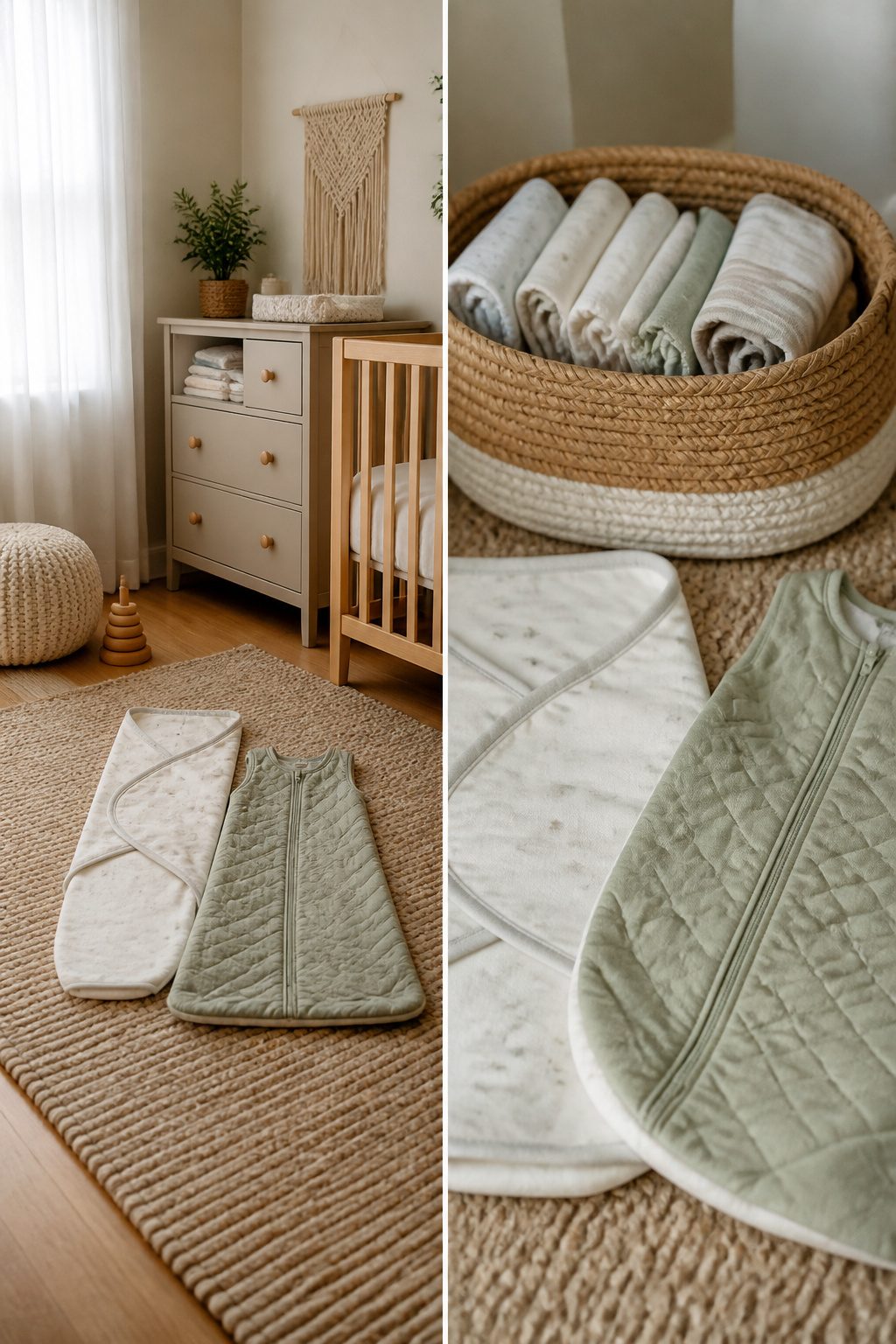
Babies usually show the first signs of rolling somewhere between two and four months, and that is the moment to start the transition, not the moment to stop cold. We like the three-step method because it keeps sleep from falling apart all at once. Leave the dominant arm out for two or three nights. If sleep holds steady, free the second arm. Once both arms are loose, move to a sleep sack. The whole shift takes about a week if your baby cooperates.
The timing is almost cruel. Right when you think you have a system, the four-month sleep regression tends to arrive, and a baby who was swaddled one week is suddenly breaking out of the wrap or waking up sideways in the crib. That frustration you are seeing, the extra squirming, the swaddle coming undone, is not defiance. It is the signal. Start the arm-out transition then, not after a perfect night. The sleep sack waiting in the drawer is what you bought those extra swaddles for: you will use the same stack through the transition, just folded differently.
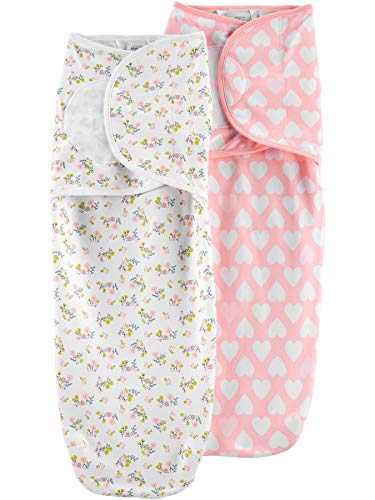
Convenient 2-Pack: Two swaddle blankets in each set for added value and convenience.
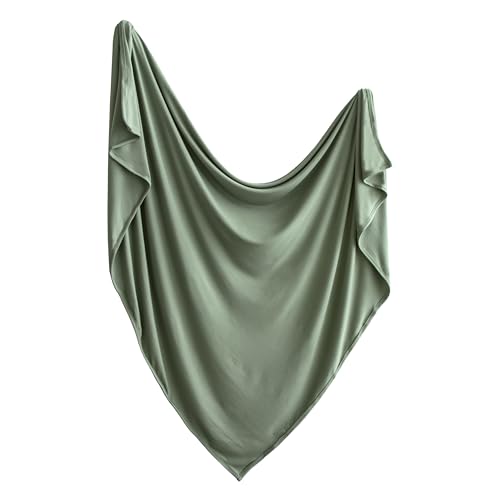
Soothe your baby with extra soft material and ensure a snug fit while staying breathable and cool to the touch. Stretchy Swaddle fabric: 95% Modal, 5% Spandex. Stretchy Swaddle measures: 47 x 47" (119 x 119 cm)

Ultra Soft Fabric: Our baby receiving blanket is composed of stretchy, ultra soft, lightweight jersey fabric, and made of high quality viscose fibers. It's perfect to wrap your child in softness, warmth, and a feeling of security. Baby and toddler will love the blankets, as they are safe, comfortable and super soft on their skins.
Babies Who Hate Being Swaddled
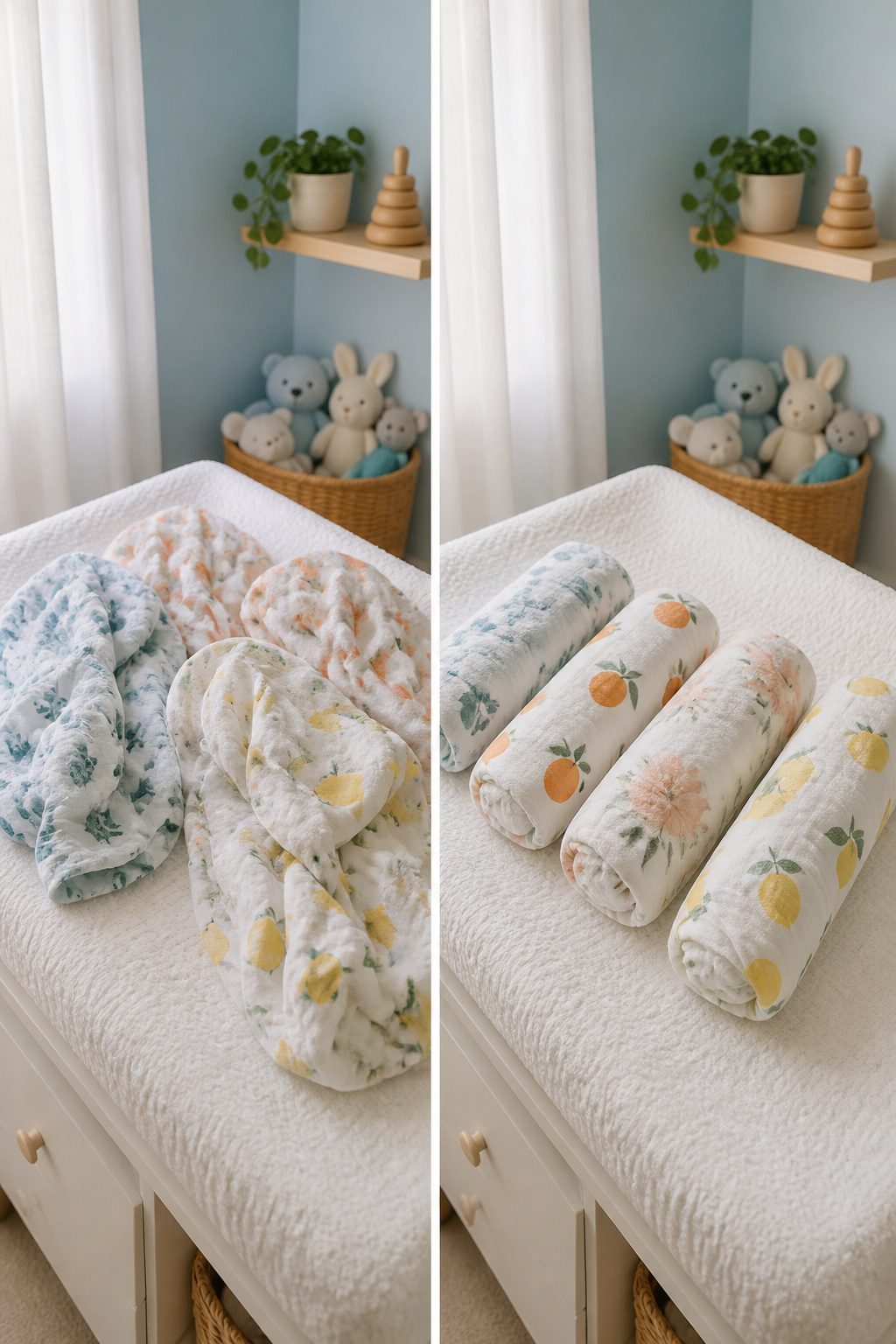
Some babies never take to swaddling at all, and the sooner you spot it, the fewer blankets you waste money on. We learned this the hard way with our second, who fussed and fought the wrap from day one while our first had been impossible to settle without it. For that second baby, we switched to a sleep sack immediately and never looked back. Arms-out swaddles are another middle path if your baby just wants the legs tucked. The real point is that a baby who hates being swaddled does not need you to keep trying; the safe alternatives start from birth, not after some mandatory trial period. Those rejected swaddles still earn their keep as nursing covers, burp cloths, stroller shades, and light blankets, so the money is not lost. We kept ours in rotation for two years after the swaddling phase ended. You might even find a baby who rejects swaddling early comes around at three or four weeks, but do not buy your full stash betting on that change. Start with two or three and let your baby tell you what the actual count should be.

100% Organic Cotton: Made with GOTS-certified organic cotton that is gentle on delicate newborn skin. The premium combed and ring-spun organic yarn feels noticeably softer and more durable than traditional sleep sacks, holding up wash after wash.

Soft and Comfortable Materials:Our newborn winter swaddles 0-3 months using non-fluorescent baby material to effectively eliminate allergies and allergens, safe and non-irritating. The newborn fleece Swaddle Blanket is made of cozy plush material,amazing softness, warm-keeping, sweat-absorbent, gentle on baby's sensitive skin.

Cozy Swaddle Design: Perfect for newborns, this blanket is designed as a swaddle, providing a secure and comforting environment for your little one
Frequently Asked Questions
How many swaddle blankets do I need?
Most parents find that 4 to 8 swaddle blankets is the practical range. If you wash daily, 4 or 5 will get you through. If you stretch laundry to every 2 or 3 days, you will want 6 to 8 in rotation. The extra blankets are insurance against the blowouts and spit-up that do not follow your laundry schedule.
When should I stop swaddling?
Stop swaddling the moment your baby shows any sign of rolling, usually between two and four months. Watch for early cues: breaking an arm or leg free, waking in a different position than you placed them, or sudden frustration with being wrapped. Start the transition then, not after a perfect night.
What types of swaddles are available?
There are three main types. Traditional swaddle blankets are large squares you fold and tuck yourself. Wearable swaddles use zippers or Velcro and are easier for nighttime changes. Two-in-one swaddles let you adjust from arms-in to arms-out, then convert to a sleep sack so you do not need to buy twice.
Is swaddling safe?
Yes, when you follow the American Academy of Pediatrics guidelines. Always place your baby on their back to sleep, keep the crib empty, and maintain the room between 68 and 72 degrees Fahrenheit. Swaddle arms snug but let legs bend and move naturally. Avoid weighted swaddles entirely.