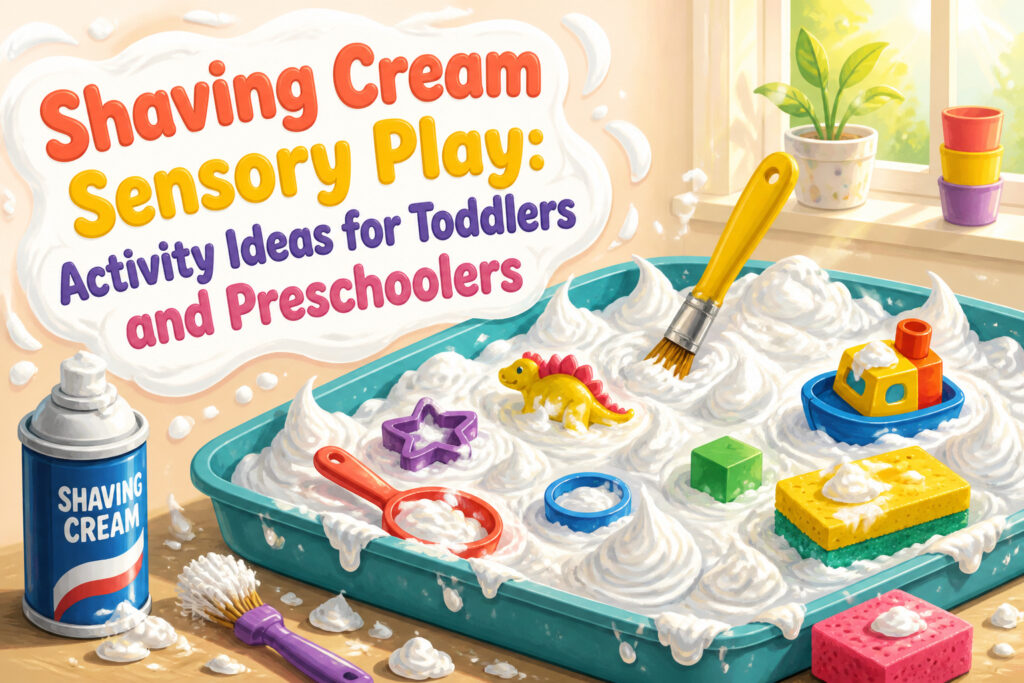
Shaving cream sensory play is open-ended mess-making with a can of foam, a tray, and whatever else you have on hand. The catch is cleanup: once water hits the foam, it spreads instead of wiping away. A 100-liter bin keeps several toddlers from elbow-fighting, and a dry rag used before anyone reaches the sink saves the floor.
[link-whisper-related-posts]1. Shaving Cream Bakery
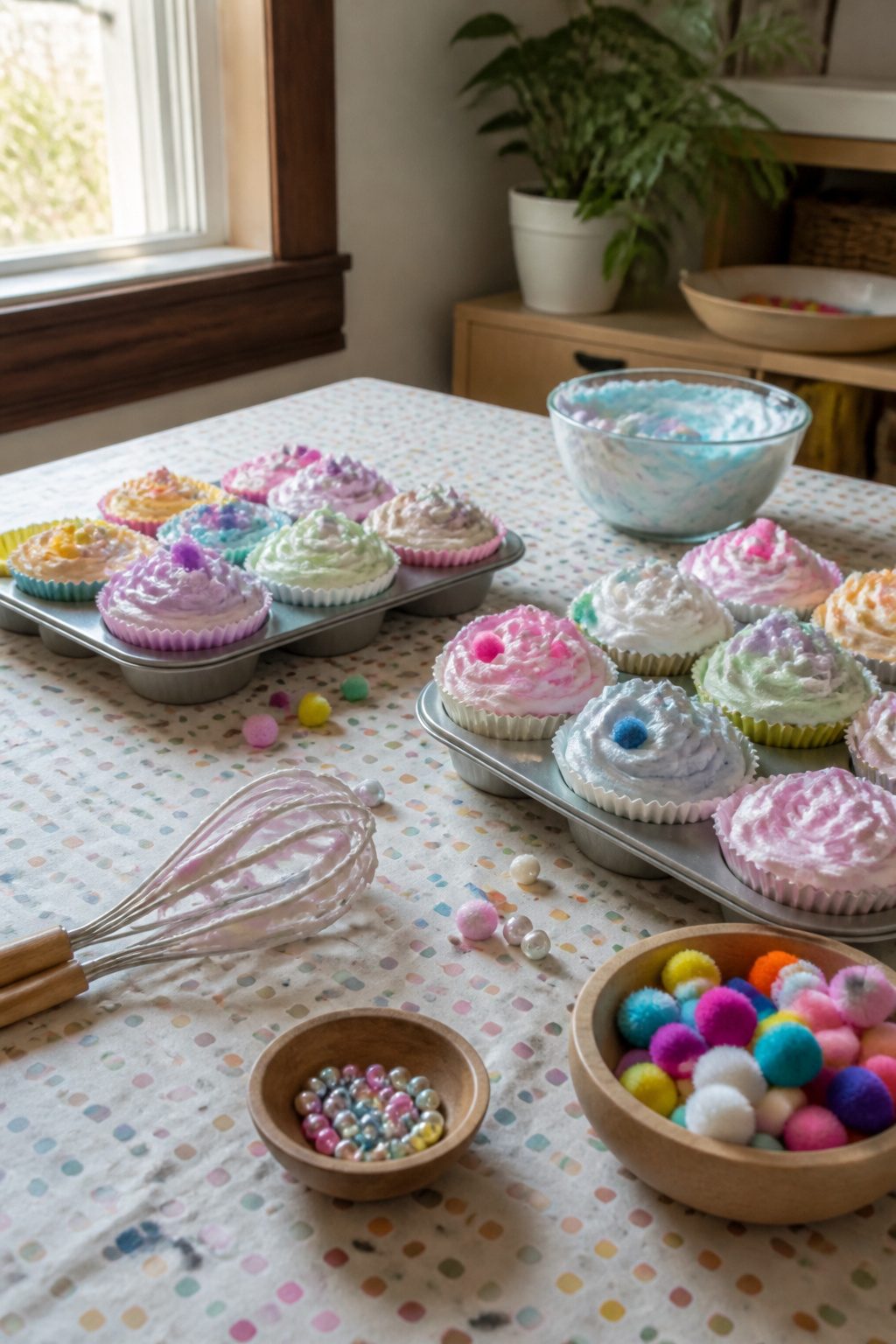
The shaving cream bakery works because the foam holds a shape just long enough for a child to call it a cupcake before it slumps. We set out pie tins, cupcake pans, and paper baking cups alongside a few plastic bowls. The whisk is the tool that earns its keep; kids beat the foam into peaks that look like real meringue, and the rubber spatula lets them spread "icing" in a way that builds the same wrist motion they’ll use later with actual frosting. Do not give them your metal muffin tin. The lightweight disposable ones from the grocery store hold up fine, but a good aluminum tin dents the first time a three-year-old bangs it to test if the cake is done.
We color the "dough" in separate bowls so they can marble layers or keep flavors separate. Plastic beads, cut-up straws, and pom-poms work as sprinkles; the pincer grasp practice is real, though half the decorations end up buried rather than placed. The open-ended part matters more than the result. One child stacks blocks between layers to build a tiered cake that collapses in minutes, and that collapse is part of the play.
Cleanup taught us the hard rule: wipe the shaving cream before you add water. The foam wipes away dry with a towel. Once it meets water, it thins into something that spreads across more square footage than the original activity occupied. We keep a dry rag within arm’s reach now and use it on hands and table before anyone walks to the sink.

MY FIRST SHAVING KIT - A toddler shaving kit built for a child's very first taste of grown-up grooming, no blades, no mess, just imaginative bath time fun.

INTERACTIVE PRETEND PLAY BARBER SET: This Melissa & Doug Haircare playset includes an adjustable beard (sized to fit kids and most adults) with pretend play barber essentials and shaving accessories

24-PIECE KIDS BARBER SHOP SET: Turn playtime into a mini salon with toy shavers, scissors, a comb, mirror, and more. Kids can pretend to cut, shave, and style like the grown-ups.
2. Sensory Bins
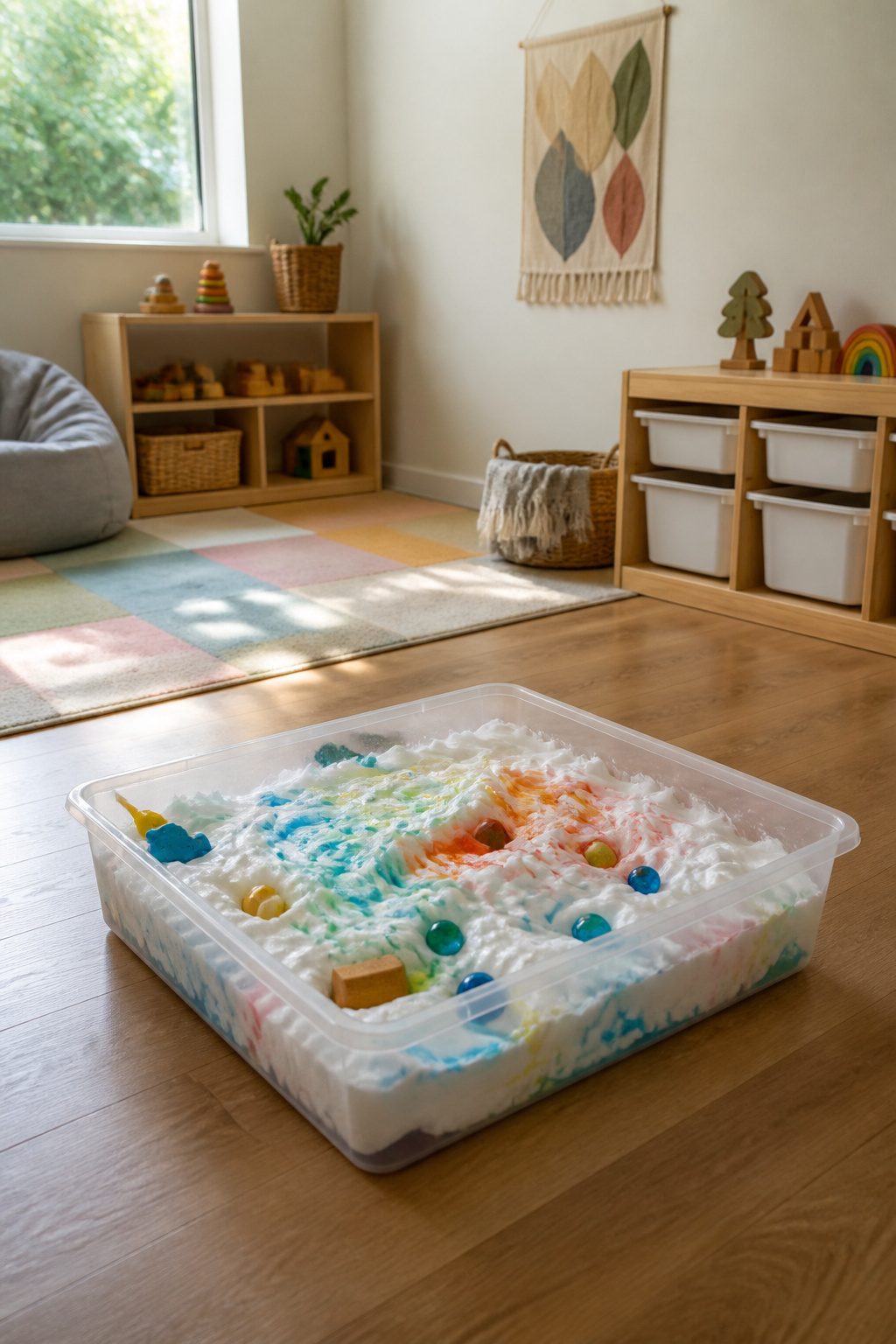
A shaving cream sensory bin works best when you give kids room to dig without bumping elbows. A 100-liter plastic box is the size we have seen suggested for group activities; several children can reach in at once and still have space to spread the foam around. Drop small toys into the cream, wooden blocks, toy cars, golf balls, marbles, whatever fits a child’s hand, and let them hunt through it. Add a few drops of food coloring so the colors shift as they dig.
Use too small a container and the play tightens up fast. Elbows knock, shaving cream slops over the edge, and the activity turns into managing mess instead of exploring texture. If you are filling the bin for a classroom group, plan on more than one can of shaving foam to cover the bottom with a thick enough layer that objects actually bury themselves. The hunt is what keeps them at it, searching for a blue dinosaur or the letter B, sorting finds into bowls by color, or just seeing how the foam feels different from the hard surfaces underneath.

Ocean-Themed Treasure Bundle: 180 pieces! 100 acrylic diving gems (8 vibrant colors) + 80 textured seashells (5 realistic shapes) for endless play - Perfect for sensory bins, pirate treasure hunts, or mermaid pool parties,diving gems for pool for kids

Colored PASTA: Bring the magic of colors to your sensory bins with colored pasta. Let your little ones dive into a world of sensory exploration. Bring the magic of colors to your sensory bins with these different themed bright-colored pasta. No coloring will come off on your child's hands!! DO NOT USE WITH WATER!!!

Sufficient Quantity:There are a total 135 pcs construction theme fine motor decors in the package, including 100 pcs pom poms, 5 vehicles, 14 road signs, 8 worker figures and building tools, 4 pcs sorting bowls, 2 pcs scissor clips, 2 pcs tweezers
3. Writing and Drawing
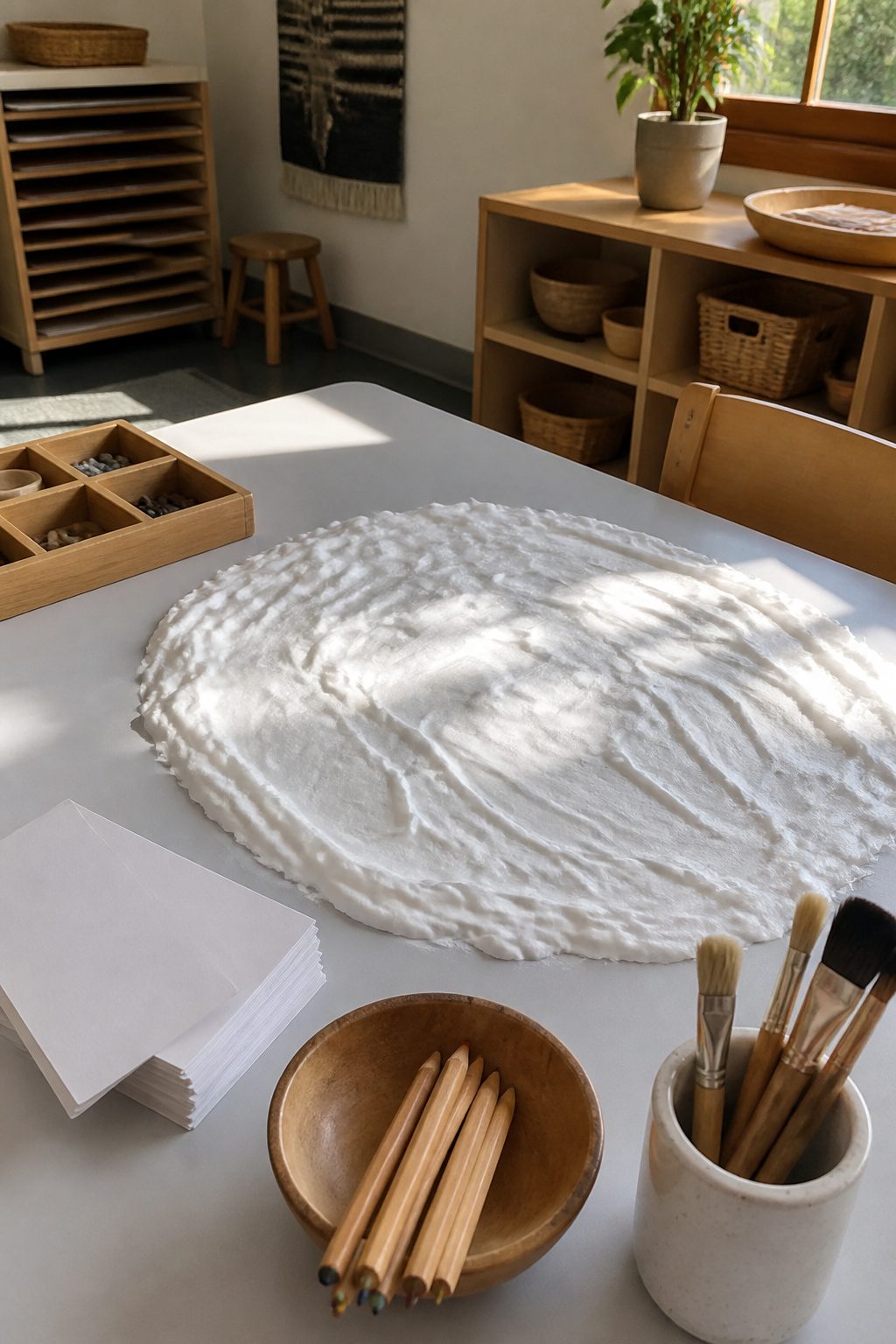
Spread shaving cream on a tray or table and let kids trace letters and shapes with a finger. We keep a stack of index cards nearby with one letter each, so they can look, copy, and wipe smooth for the next try. The foam holds a mark for about fifteen minutes before it starts to collapse into a thin, wet layer; plan to refresh the pile if the session runs longer.
When the dining table is in use or you just want to contain the mess, squeeze foam into a gallon zip-top bag, press the air out, and seal it tight. Double-bag if your kid has a talent for finding weak seams. They can trace the same letters through the plastic with a fingertip or the dull end of a pencil. The feel changes, the resistance is different, but the motor work is the same and the table stays dry.

Rich Lather: Helps protect skin from irritation and razor burn by creating a foamy lather that improves razor glide and softens beard hair for a close, comfortable shave

The Art of Shaving After-Shave Balm refreshes and hydrates to soothe the skin after shavin

The 4 Elements of the Perfect Shave: Elegantly packaged and ready for gifting, this kit contains products with our signature sandalwood aroma – everything he needs for a close, comfortable shave
4. Color Mixing
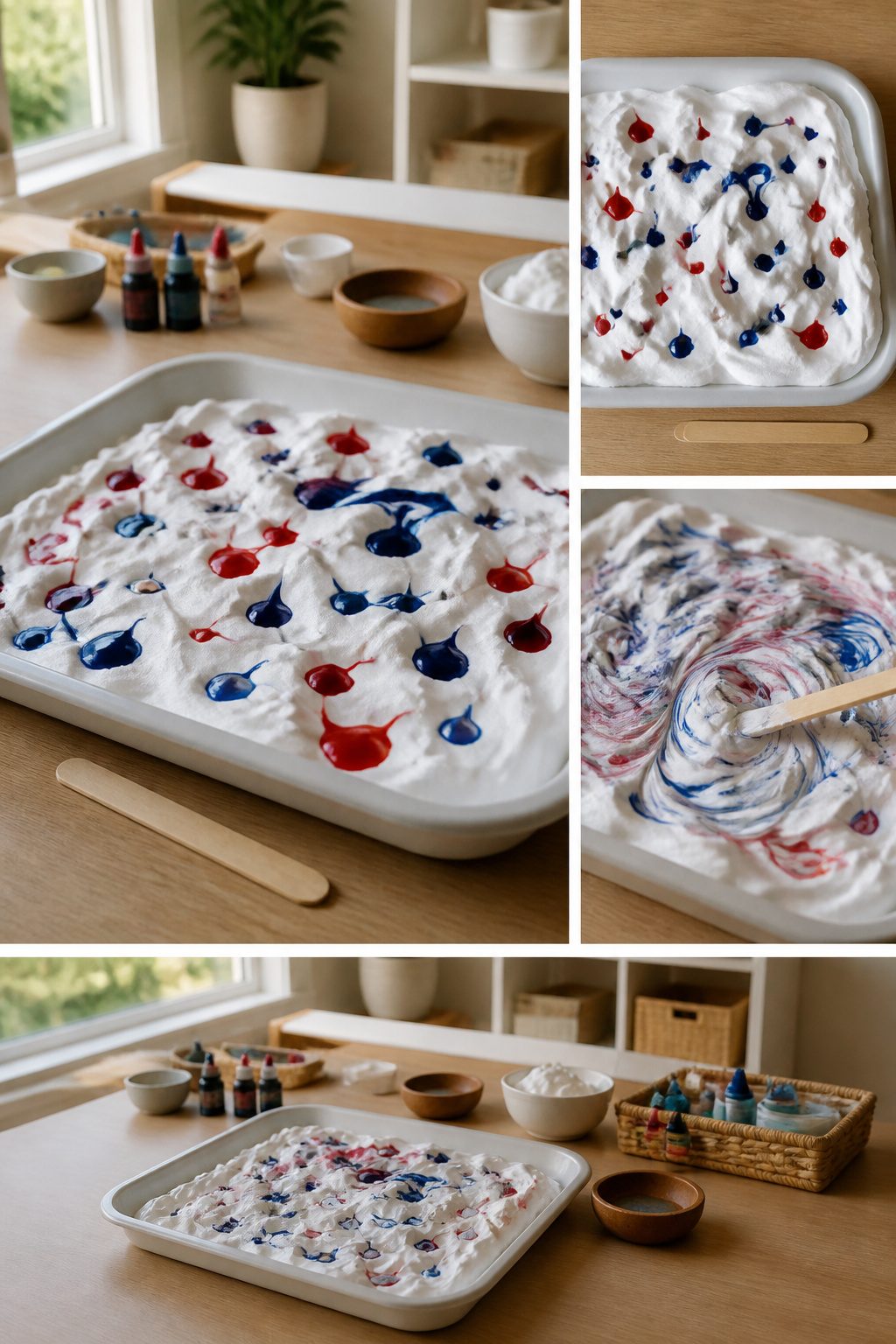
Add a few drops of liquid food coloring to a tray of shaving cream about an inch thick, and you will see why this activity keeps toddlers rooted to the spot. We like to start with two primaries, red and blue, because the shift to purple happens fast enough to catch their attention but slow enough that they can follow it. Give them a popsicle stick or the handle of a spoon and show them how to drag it through the color in loose figure-eights. Leave it marbled and you get streaks that look like professional paper; over-mix and you land in muddy brown every time. That line between swirl and sludge is the whole lesson, and toddlers will cross it repeatedly without frustration because the fix is just more shaving cream and more drops.
The staining question comes up in every session we run. Liquid food coloring will mark skin on direct contact, and some children need more scrubbing than others to get it off. We have found the color far less likely to stain when it is already dispersed in the foam, which is another reason to start with the marbling rather than handing a child a cup of straight dye. If you are working with a child who is sensitive about hand-washing, gel colors or the thicker paste colors are not the rescue you might expect; they cling worse, not better, and the passages we reviewed consistently pointed back to standard liquid as the easier cleanup. Plan the activity for a morning when a long bath follows naturally, and the residue becomes part of the day rather than a battle.

Versatile Sensory Bin with Lid - This sand box toy with lid is perfect for kids and can hold sand, water, beads, and other materials, stimulating their sensory experiences.

【3 Sensory Bins + 3 Themed Stickers】 – These plastic storage bins with lids offer three vibrant color choices: blue, green and pink - to easily meet your child's different needs. The storage containers comes with 3 themes of dinosaur/ ocean/ princess stickers, kids can easily paste, remove and swap the stickers to create unique play scenes

Sets of 3: This set includes three plastic sensory bins in blue, green and pink colors. Each bin measures 13.4"L x 8.5"W x 3"H, providing ample space for various uses while maintaining easy storage.
5. Marbled Art
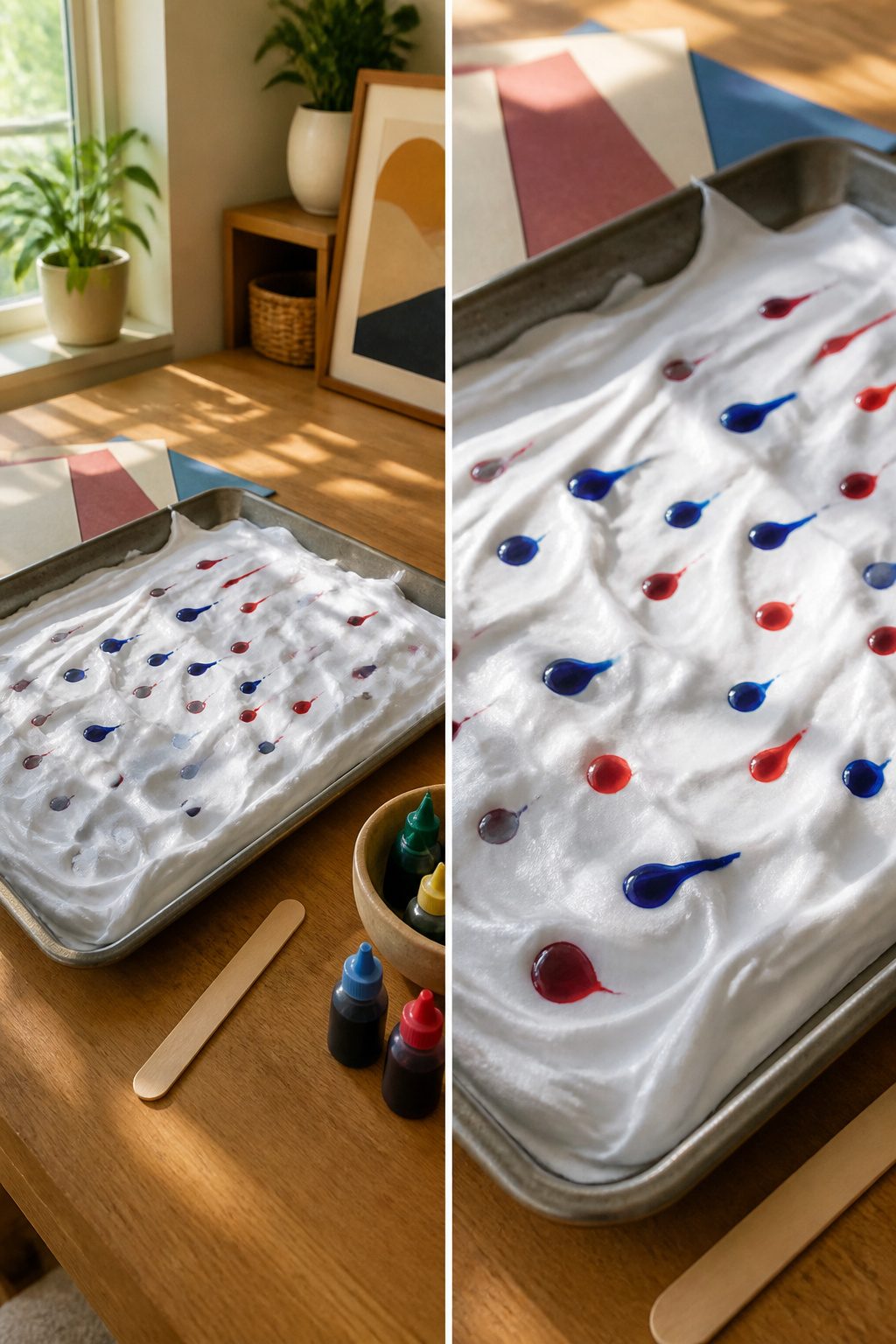
Spread shaving cream about an inch thick across a baking sheet or tray, then smooth it flat with a ruler or spatula. Drop liquid food coloring or liquid watercolors onto the surface, start with two primary colors so kids can watch them interact, then hand them a popsicle stick or toothpick and show them to drag it gently through the drops. Stop before the colors turn muddy brown; a few swirls beats an overmixed mess.
Lay a sheet of heavy cardstock or paper on top and press lightly. Peel it up, scrape away the foam with a straight edge like a piece of cardboard, and the marbled pattern stays behind. The color transfers from foam to paper, which makes a natural moment to talk about what happened and why blue plus red turned purple if you started with those. Let the print dry flat.

KIT INCLUDES: This mini shave set comes with so many goodies to keep your little one entertained during bath time. This set includes 1 shaving brush, 1 toy razor, 1 2 oz, blueberry flavored body wash, and 1 puffy mirror. Everything, of course, decorated in your favorite winged superhero

COMPREHENSIVE SET: Our pretend role play set includes 23 Pcs barber shop pretend kit for boys which includes a Shaver, Hair Trimmers, Scissors, Razors, a Hairdryer, a Mirror, a Comb, Bottles, a Cleaning Brush, and other boy salon styling accessories for your kid.
Interactive, Fun, and Educational Toys for Kids – Foam modeling clay allows children to build, create, and design in three dimensions to help unleash their unique imaginations, expand their artistic creativity, and have a blast with friends.
6. Foam Volcano
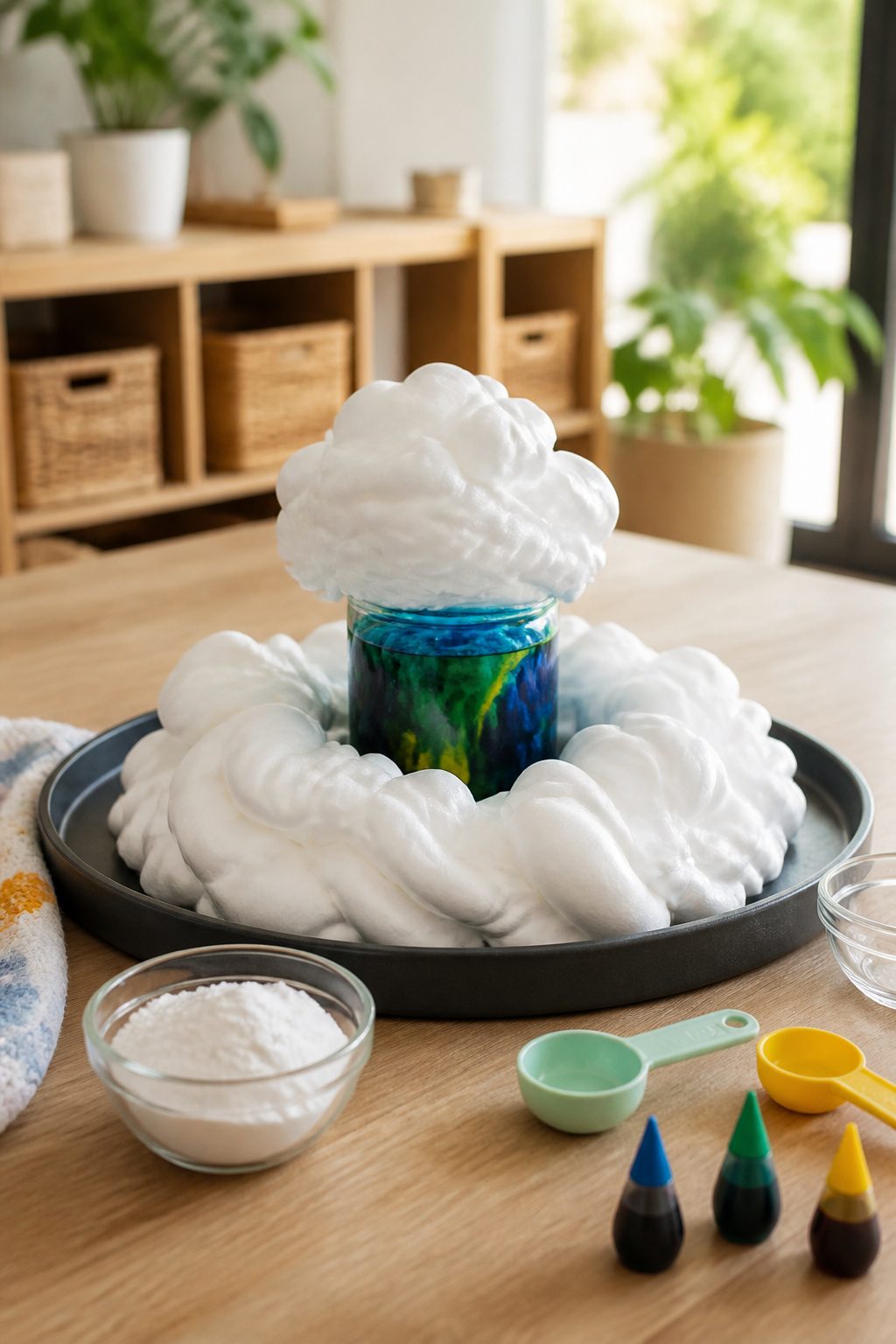
The classic baking soda and vinegar volcano gets a complete makeover when you swap the thin red liquid for a dome of shaving cream. We set this up with a small jar or plastic cup centered on a tray, half-filled with vinegar plus a few drops of dish soap and food coloring. The trick is sealing the jar’s opening with a thick layer of shaving cream, then letting your child spoon baking soda onto that white "cloud."
The shaving cream traps carbon dioxide gas in thousands of tiny bubbles, so instead of the usual quick spurt, you get a slow, thick foam that pushes through gradually and spills over the sides in heavy, touchable waves. The classic version without it is over in seconds; this one keeps toddlers engaged long enough to actually watch the reaction happen underneath and break through. The foam is cool to the touch and holds its shape, which turns a two-second spectacle into several minutes of hands-on science.

Package Includes: 60 pieces of hedge balls (red, green, purple, yellow, rose red and blue), with realistic looks and vibrant colors; 5 plastic cups(red, green, purple, yellow and blue), 2 pieces of scissors clips (yellow and blue), 4 pieces of plastic tweezers(blue, orange, yellow, and green); Your boys and girls will like this whole package

OCEAN-THEMED LEARNING FUN: Create an inviting ocean sensory bin experience with this blue latex filler, designed to inspire open-ended discovery through blue sensory play. Its calming color palette brings a refreshing spring-and-summer feel to sensory tables, making it a beautiful choice for marine learning activities at home, in classrooms, or activity centers.

MULTI-PURPOSE SENSORY PLAY FILLER Turn everyday play into hands-on discovery with this sensory bin filler. Use it as fake snow, play sand, or a creative sensory table base for themed learning, pretend play, and open-ended activities that keep toddlers engaged longer.
7. Rain Cloud Experiment
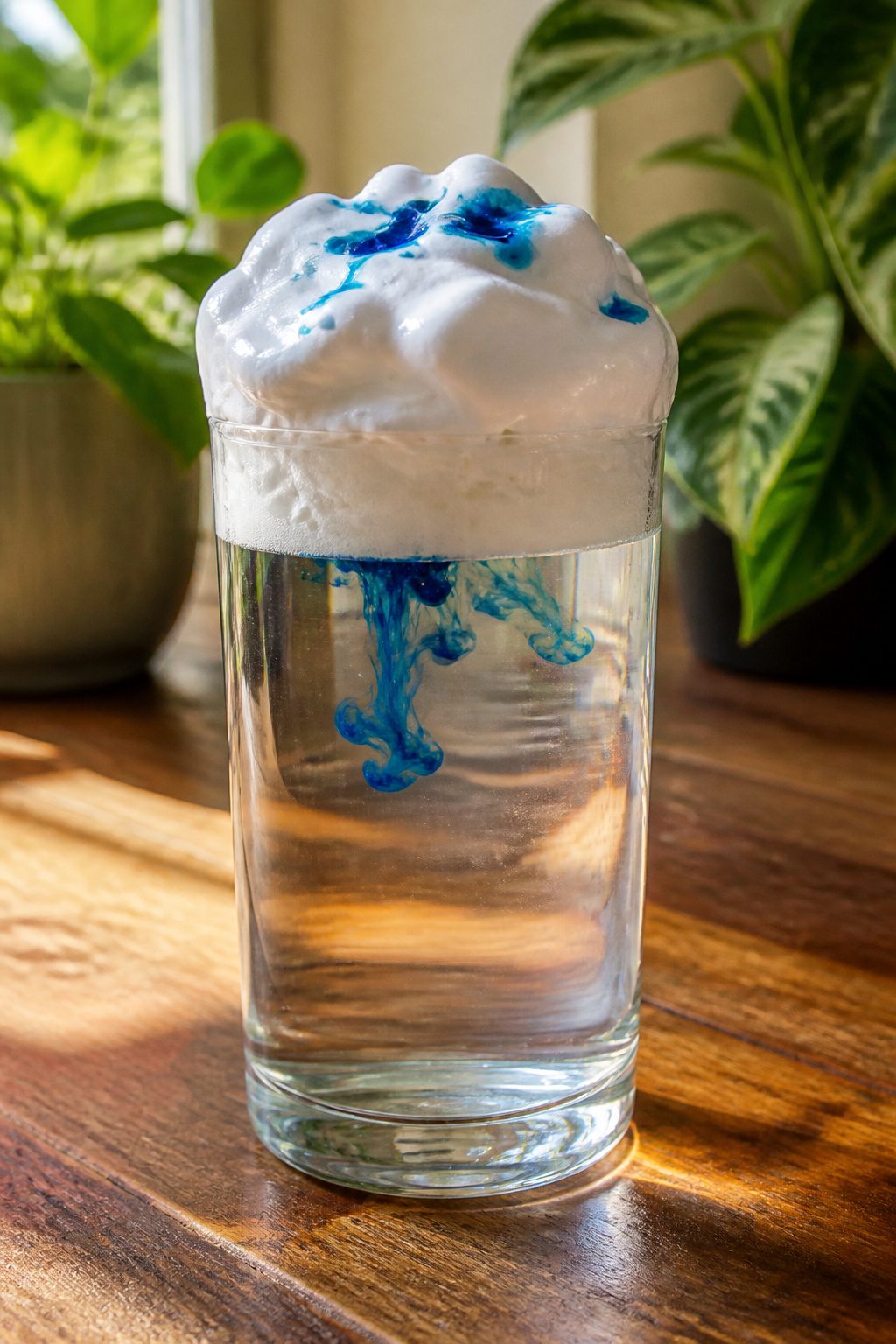
Fill a clear glass about three-quarters full with plain water, then squirt a generous mound of shaving cream on top. That foam layer is your cloud, and the water below is the air it sits on. Have your child drip diluted blue food coloring onto the foam with a dropper or small spoon, and watch what happens as the color sinks in.
The shaving cream starts out light and airy, but as more blue water collects inside, the foam gets heavier. Once it can not hold any more, the color breaks through the bottom and streaks down into the clear water below. That moment is saturation, the same reason real rain falls: clouds fill with water droplets until gravity pulls them down.
Where this experiment usually fails is speed. Dump the dye too fast and the color punches straight through a single spot instead of spreading through the foam. The cloud looks less like rain and more like a leak. Slow drops let the shaving cream absorb the water the way a real cloud does, so the color pools and releases in threads. If you do oversaturate one area, you can still rescue the lesson by using the dropper to add plain water elsewhere and watching how the foam behaves differently when it fills gradually.

This soap refill produces a rich lather to soften hair and cushion skin.

Rich Lather: Helps protect skin from irritation and razor burn by creating a foamy lather that improves razor glide and softens beard hair for a close, comfortable shave

A shaggy Bigfoot sits on a stump and carefully carves a small wooden spoon. A tool roll and wood shavings emphasize the contrast between his giant hands and delicate woodcraft.
8. Puffy Paint
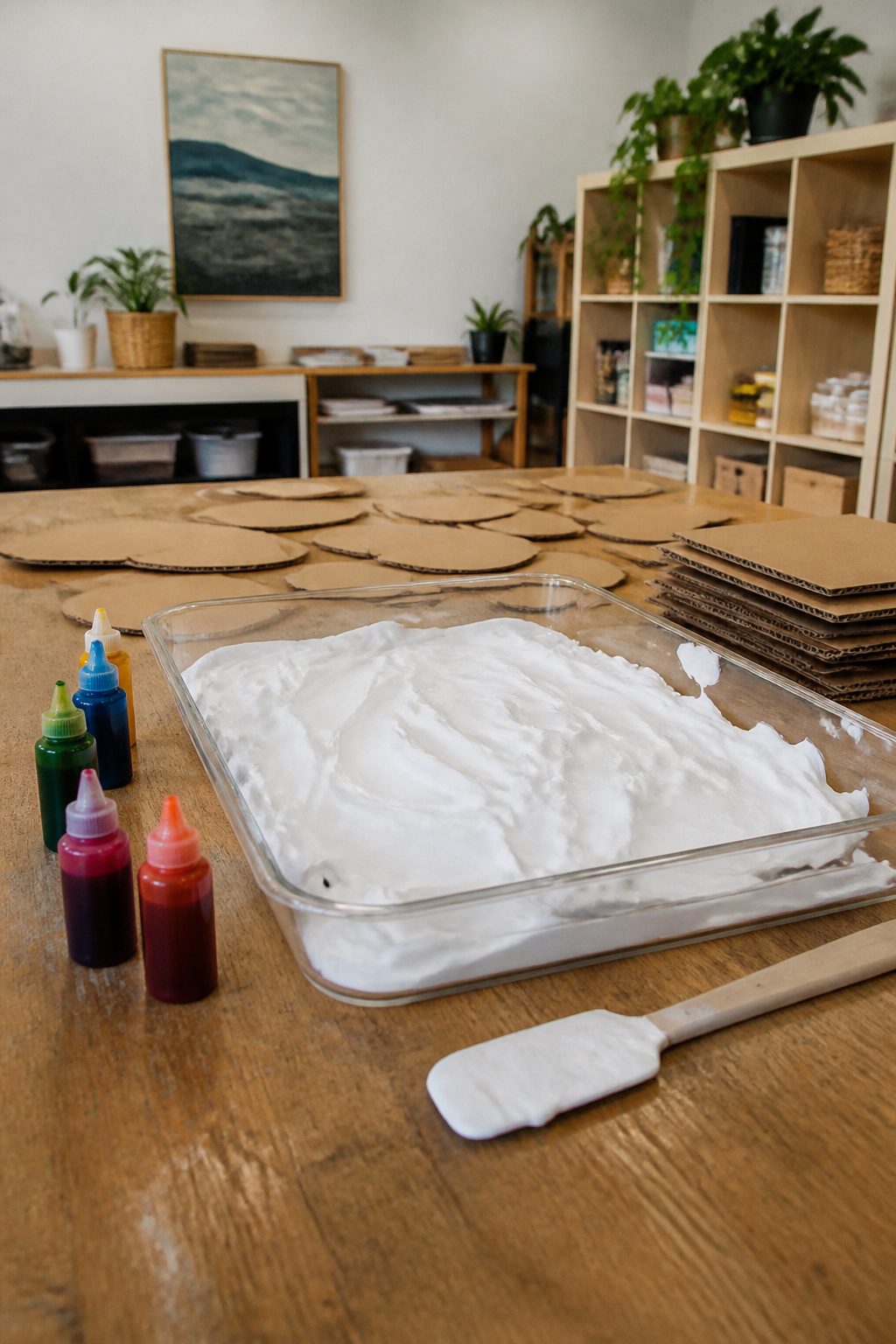
Mixing shaving cream with white school glue gives you a paint that actually dries with the puff still in it. Equal parts of each is the ratio that works. The glue hardens overnight while the air bubbles from the shaving cream stay trapped, so the art keeps that 3D, squishy texture instead of flattening out.
We have seen what happens when you push the glue too high. More than half glue and the paint turns rubbery and dense, not airy. Too much shaving cream and it never really sets, just crusts over and crumbles. One to one is the sweet spot.
The puff holds for months once it is dry, though it settles slightly in the first day or two as the foam collapses under its own weight. If you want that dramatic peak, build it high on the brush. Cardboard works better than paper; the wet mixture is heavy and regular paper wrinkles underneath it.
Food coloring stains less than you would expect because the glue binds it, but it still bleeds through thin paper. We keep a stack of cereal boxes cut flat for this exact reason. Let it dry overnight before anyone carries it home, or the wet glue will smear on the car seat.

【Suitable Size】The size is 14.25 inches x 10.51 inches x 2.83 inches, which is easy to move and has no burden whether it is daily use or carrying out.

Come with Removable Label:You can use removable labels to write down what is in the sensory box.It is very convenient & quick to find what you are looking for.

Versatile Sensory Bin with Lid - This sand box toy with lid is perfect for kids and can hold sand, water, beads, and other materials, stimulating their sensory experiences.
9. Sticky Shaving Cream Play
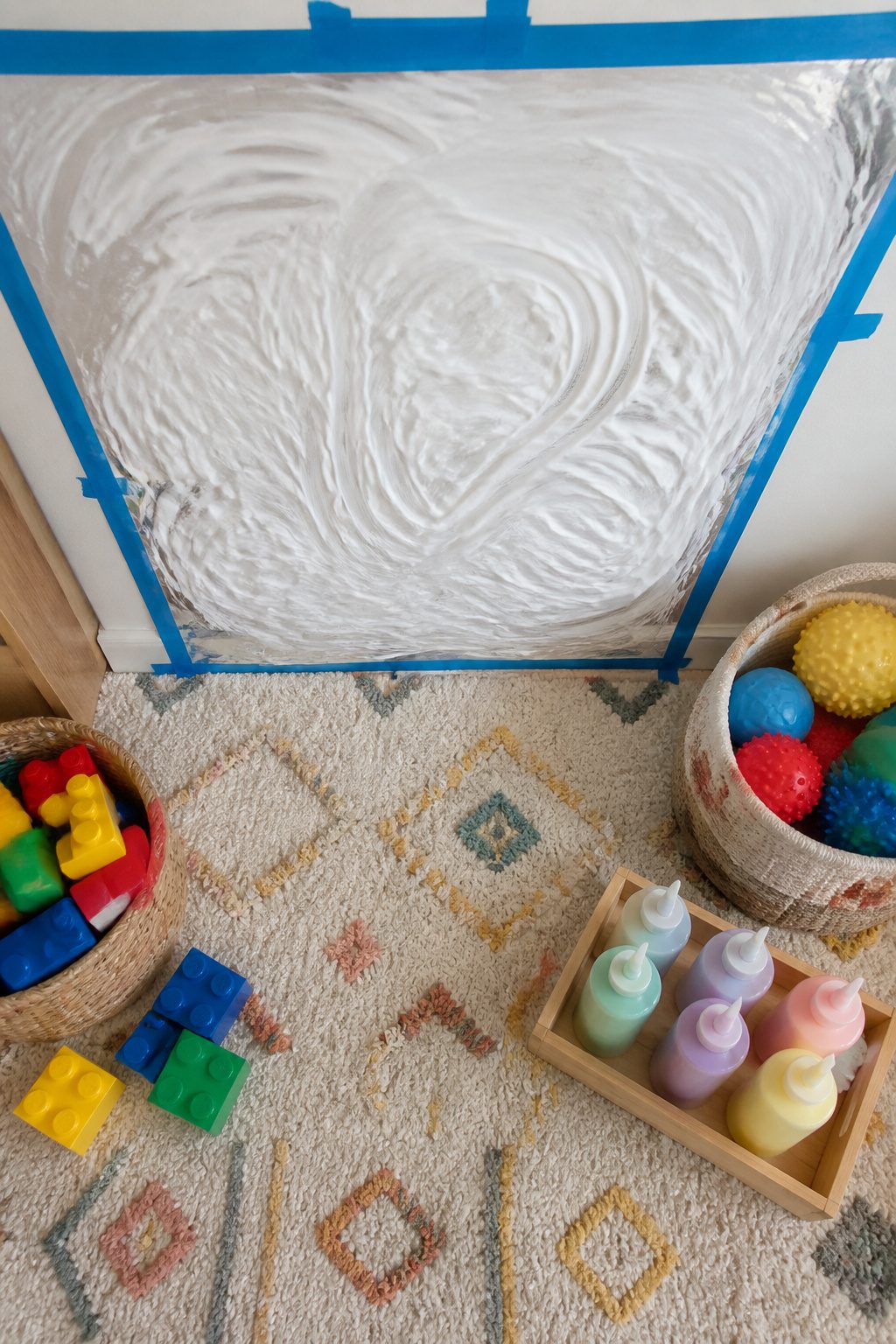
Contact paper with the sticky side facing out gives you a vertical surface for shaving cream when the table is already covered in breakfast dishes or craft supplies. We tape long strips to plastic lids, walls, or easels, running tape all the way around every edge so the paper does not peel up once small hands start pressing. The shaving cream stays put on the sticky surface, letting kids squeeze it from bottles, spread it with their palms, or step into it with bare feet while gravity does the work of pulling the foam downward.
The stickiness holds up through one solid play session, maybe two if you are lucky, before lint and cream residue start defeating the purpose. After that, peel the sheet and tape down a fresh one. It costs pennies and takes under a minute, which is less time than wiping shaving cream off a chair leg. For the squeeze bottles, we spray foam directly inside, add a few drops of food coloring or liquid watercolor, then press out the extra air so the cream flows smoothly. Food coloring will stain hands for an afternoon; liquid watercolor washes clean.

Interactive, Fun, and Educational Toys for Kids – Foam modeling clay allows children to build, create, and design in three dimensions to help unleash their unique imaginations, expand their artistic creativity, and have a blast with friends.

3 GELLING SOLUTION REFILLS: Includes 3 packs of gelling solution pellets designed for use with Magic Gel Water Pets kits, so you can refresh your set and continue the fun.

【Fashionable And Squeeze】Made from high-quality Slow Rising Squishy soft rubber, free from any harmful chemicals. It has a smooth, soft texture and won’t irritate your skin, even after prolonged handling, so you can squeeze it with confidence
10. Ice Cream Cones
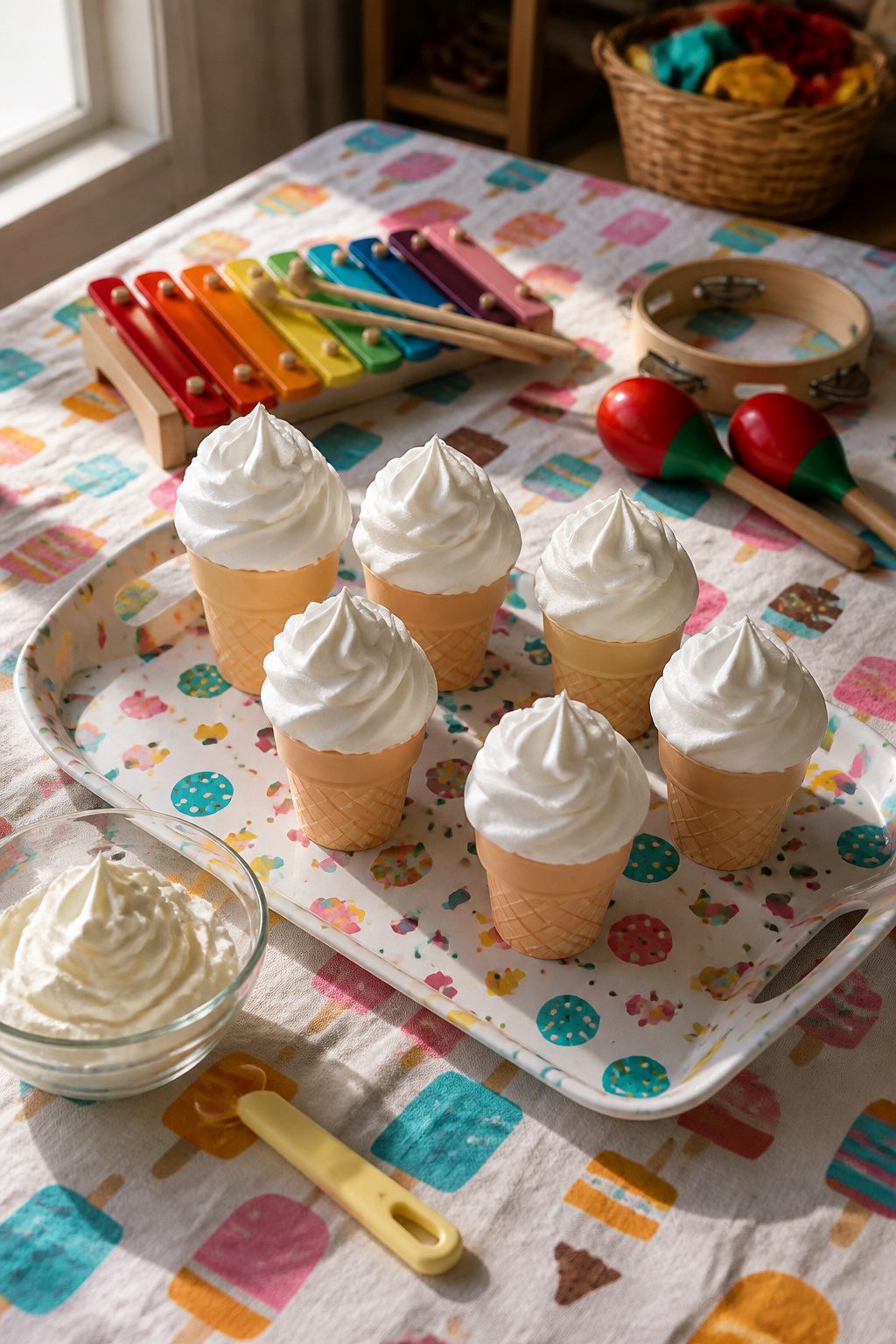
We learned the swirl only stays put if the shaving cream is cold from the can and you work fast. Warm cream slumps into a blob before a toddler finishes their first cone. We keep the can in the fridge for ten minutes, then pipe with a zip-top bag snipped at the corner. It holds long enough for a photo and about three minutes of play.
For cones, paper ice cream cones from the party aisle hold up better than real ones, which go soggy in sixty seconds. The coated paper ones survive being clutched, dropped, and used as drumsticks. We tried sugar cones once; they dissolved into a sticky puddle we were still finding two days later.
The tasting question comes every time. We say no before we start, but they still ask. We keep a bowl of whipped cream nearby for the ones old enough to understand the difference. The younger ones just want the sensory input, and a quick hand-wash handles the rest.

Sufficient Quantity:There are a total 301 pcs winter arctic animals theme fine motor decor in the package, including 200 pcs pom poms, 50 acrylic snowflake, 10 pcs polar animals, 5 pcs sorting bowls, 2 pcs scissor clips, 2 pcs tweezers, 9 pcs ice cube, 3 pcs glacier, 3 pcs icebergs, 3pcs Christmas tree, 6 pcs penguin, 5 pcs polar bear, 3 pcs seal

Sufficient Quantity:There are a total 150 pcs construction theme fine motor decor in the package, including 100 pcs pom poms, 24 pcs pvc vehicles, 14 road signs, 8 pcs sorting bowls, 2 pcs scissor clips, 2 pcs tweezers
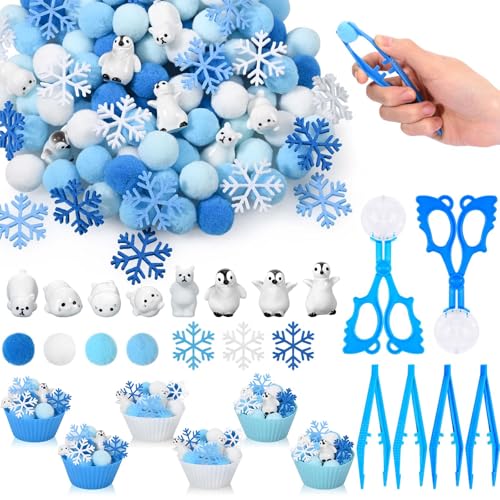
Rich Contents: Our winter sensory bin filler features a generous assortment including 9 silicone cups, 2 scissor clips, 4 tweezers, 120 pom-poms, 90 snowflakes, and 8 polar animal accessories—a comprehensive set for distraction and counting fun.
What Sensory Play Builds
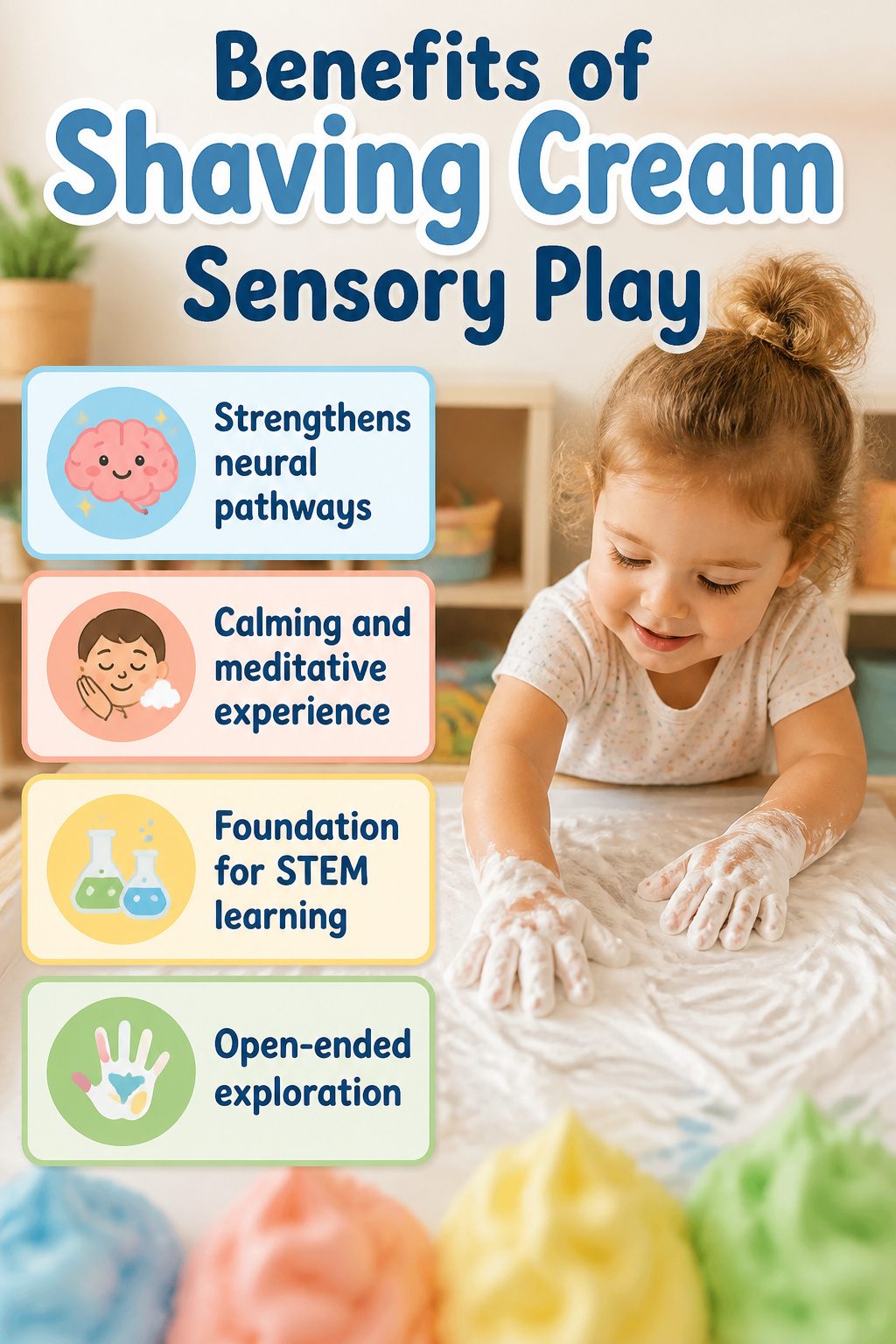
Shaving cream sensory play builds more than the skills lists suggest. When a toddler pushes a palm into foam and watches it flatten, she is learning cause and effect in a way no worksheet can match. The repetition, the chill against skin, the way the stuff clings then slides: the mess is the mechanism. Neural pathways strengthen through direct engagement with the physical world, not through watching someone else do it.
We have watched children go quiet and focused while they spread shaving cream across a tray. The same motion repeated becomes calming, almost meditative. That regulation piece matters as much as the vocabulary you might narrate while they work, words like "fluffy" or "dissolve" landing in context where they stick.
The STEM connection is real but secondary. A child mixing colors into foam or watching it react with other materials is building a foundation for later science learning without knowing it. What matters in the moment is the open-ended exploration, the chance to process the world through hands rather than screens. Sensory play is not a lesson plan to check off; it is the way young brains are wired to grow.
Safety and Supervision
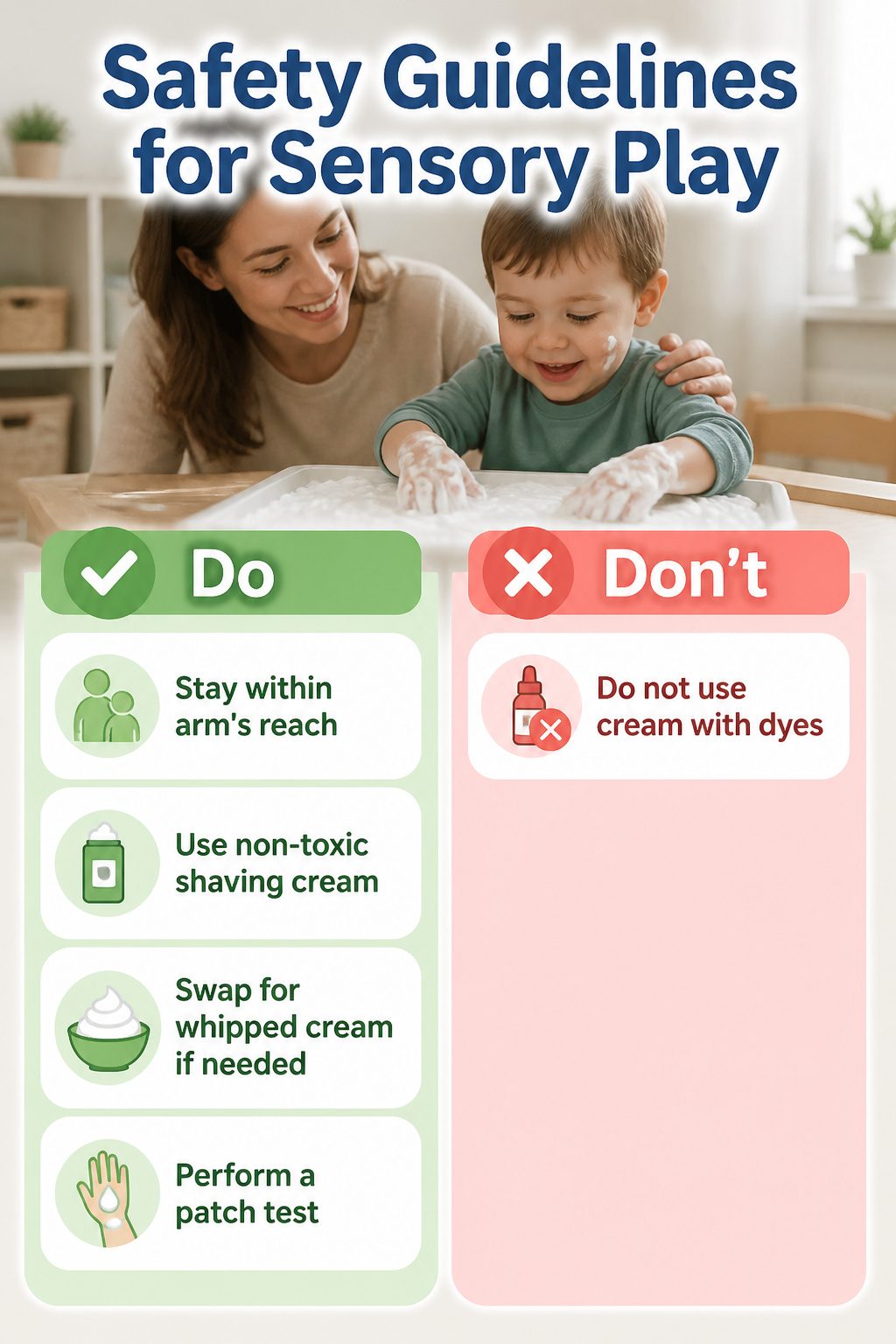
We keep a hand on the shoulder or within arm’s reach the whole time, because shaving cream sensory play moves fast and toddlers do not pause to consider whether foam belongs in an eye. The cream itself needs to be the plain, non-toxic kind marketed for sensitive skin; we skip anything with numbing agents, heavy fragrance, or dye that is not food-grade. If your child is eighteen months to two years and still exploring the world mouth-first, swap the shaving cream for whipped cream. The texture is close enough that the activity does not change, and it removes the risk entirely. Preschoolers, three and up, can handle the real thing with verbal reminders not to eat it, but we still watch for the moment they get too close to their face. A quick patch test on the wrist catches most skin reactions before the tray comes out.
Cleanup That Actually Works
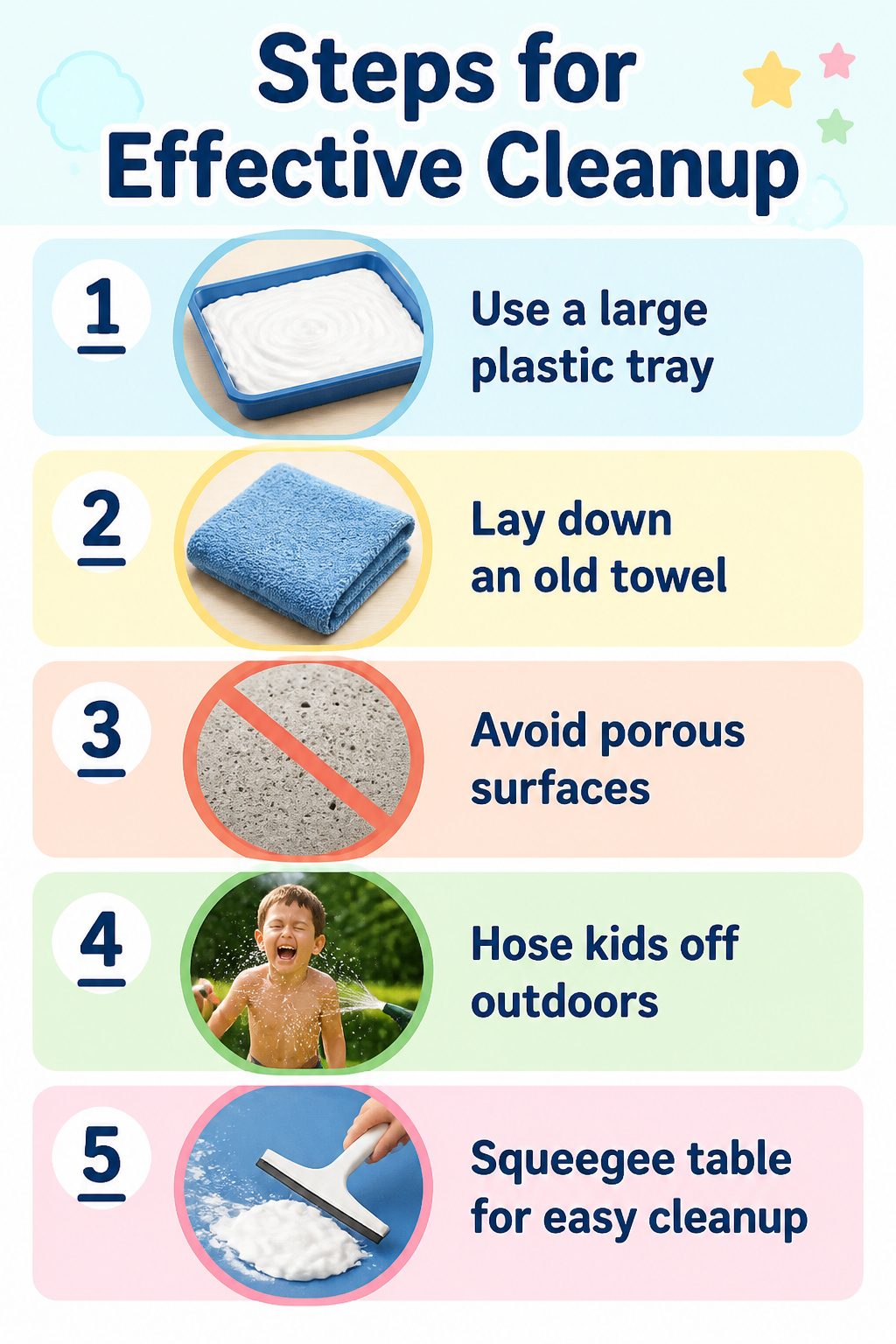
Shaving cream is mostly soap and water, which makes it one of the cleanest messy activities you can do with a toddler. A large plastic tray with raised edges is the gold standard for containing the foam and keeping it from sliding onto the floor. If you do not have a dedicated activity tray, a baking sheet or plastic bin works perfectly. Lay down an old towel or waterproof tablecloth underneath to catch any stray clouds that fly off.
We learned the hard way that porous surfaces are not your friend here. Shaving cream soaks into unfinished wood or unsealed concrete and leaves a residue that needs more than a quick wipe. Stick to sealed tables, plastic, or the bathtub.
For full-body play, head outdoors. When the activity is done, simply hose the kids off. If you are inside, have the child clap their hands over the tray to knock off the big chunks, then wrap their hands in a warm, damp towel before they leave the play area. A small window squeegee helps scrape a table or tray into one pile you can scoop into a bowl or trash. In the bathtub, turn on the shower head and let the foam disappear down the drain.
Frequently Asked Questions
What are some shaving cream activities for kids?
Try a shaving cream bakery with pie tins and whisks, a sensory bin filled with hidden toys, writing and drawing on trays, color mixing with food coloring, marbled art on cardstock, a foam volcano with baking soda and vinegar, a rain cloud experiment showing saturation, puffy paint mixed with glue, sticky play on contact paper, or ice cream cones using cold foam and paper cones. Each activity targets different skills from fine motor control to early science concepts.
Is shaving cream safe for toddlers?
Yes, if you choose plain, non-toxic shaving cream marketed for sensitive skin and skip anything with numbing agents, heavy fragrance, or non-food-grade dye. For children eighteen months to two years who still explore mouth-first, swap in whipped cream instead. Preschoolers can handle shaving cream with verbal reminders not to eat it and supervision to keep foam away from eyes.
How do you clean up after shaving cream play?
Wipe the foam dry with a towel before adding any water; once wet, it spreads farther than the original mess. Use a large plastic tray with raised edges or a baking sheet to contain it, and lay a towel underneath for stray bits. For full-body play, head outside and hose kids off. A window squeegee helps scrape tables into one pile for the trash.