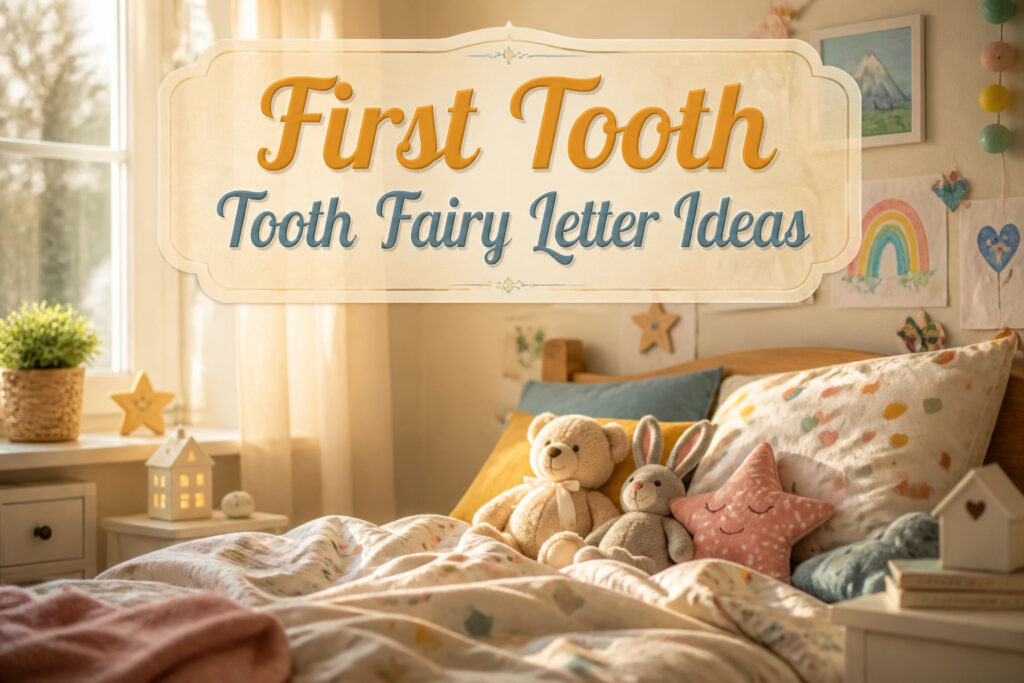
A first tooth tooth fairy letter is a handwritten note left under a child’s pillow to mark their earliest lost tooth. The catch is that a first tooth pays out higher than the rest, with the 2026 Delta Dental poll averaging it at $7.17, which means the note needs to set a repeatable precedent.
[link-whisper-related-posts]First Tooth Fairy Letter
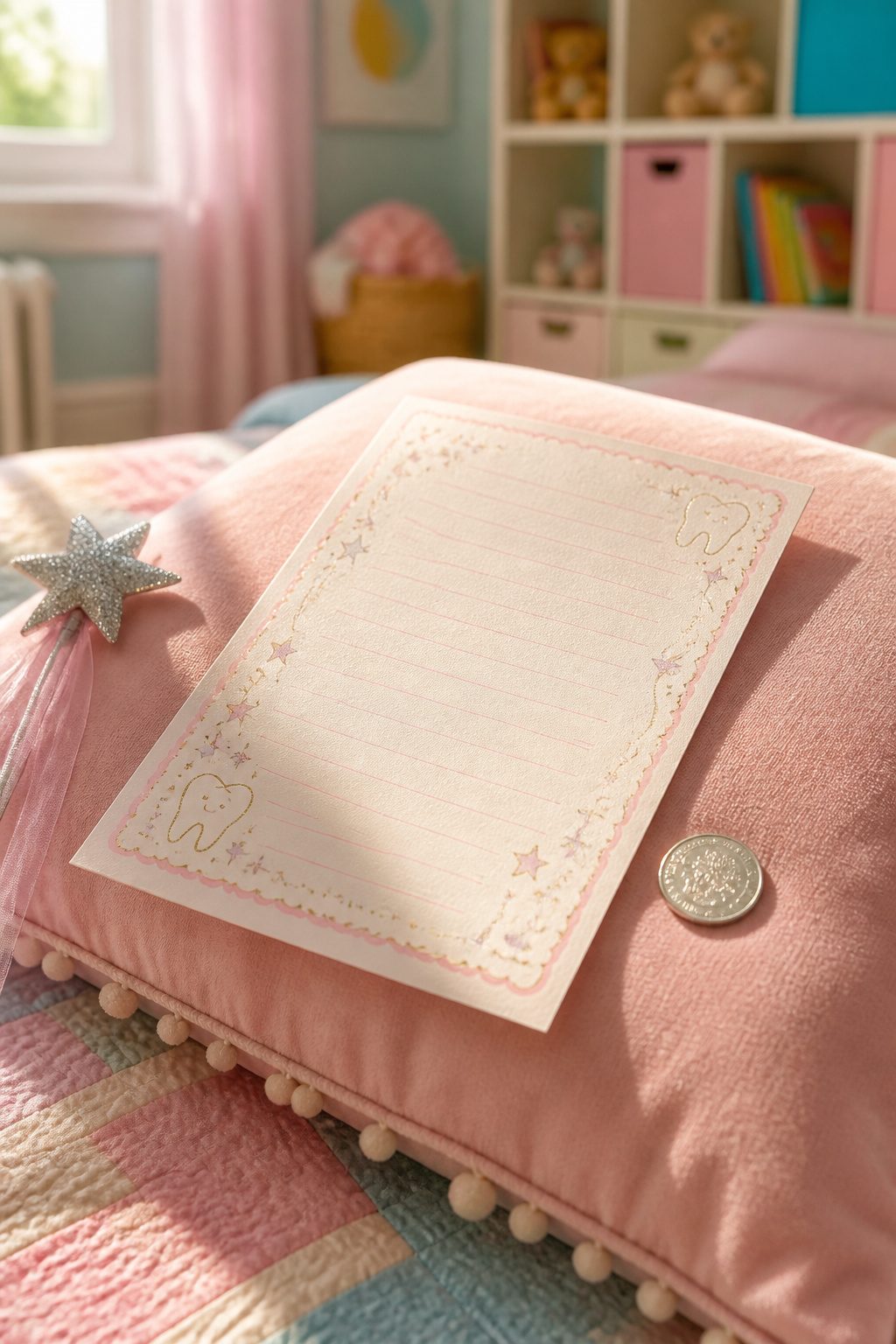
The first lost tooth is the one families tend to remember, so the letter you leave sets the tone for every tooth that follows. We like to start with the child’s name right at the top, then name the exact tooth if they know it, or mention how they lost it if the story is half the fun. The 2026 Delta Dental poll puts the average first-tooth payout at $7.17, a dollar or so above the typical tooth, and that little bump is worth calling out in the letter itself.
A short congratulatory line works better than a long one. We keep ours to two or three sentences: they grew up enough to wiggle it loose, and that takes guts. If you want to add a prompt for brushing, make it quick and tie it to the next visit. One line we have used is that shiny teeth are easier to spot from a fairy’s flight path. Skip the dental lecture; the magic is the point.
The letter should fit on a half-sheet of nice paper, something they might actually save. We have seen parents keep these in baby books while the money got spent on gumballs the same morning.

🧚♀️ Magical Tooth Fairy Set – Includes 20 beautifully designed, double-sided A6 cards (5.8 in x 4.1 in), perfect for each of your child’s 20 baby teeth.

Tooth Fairy Gift Set: You’ll receive 20 charming envelopes, 20 keepsake receipt cards, 20 magical fairy letters, and 20 elegant sealing wax stickers—thoughtfully designed to make each tooth-loss moment feel special

Set Includes: This kit offers 20 packs of tooth fairy cards, envelopes, and stickers with a pink theme. It covers all tooth loss moments, making the tradition engaging and memorable for children
Tooth Fairy Apology Letter
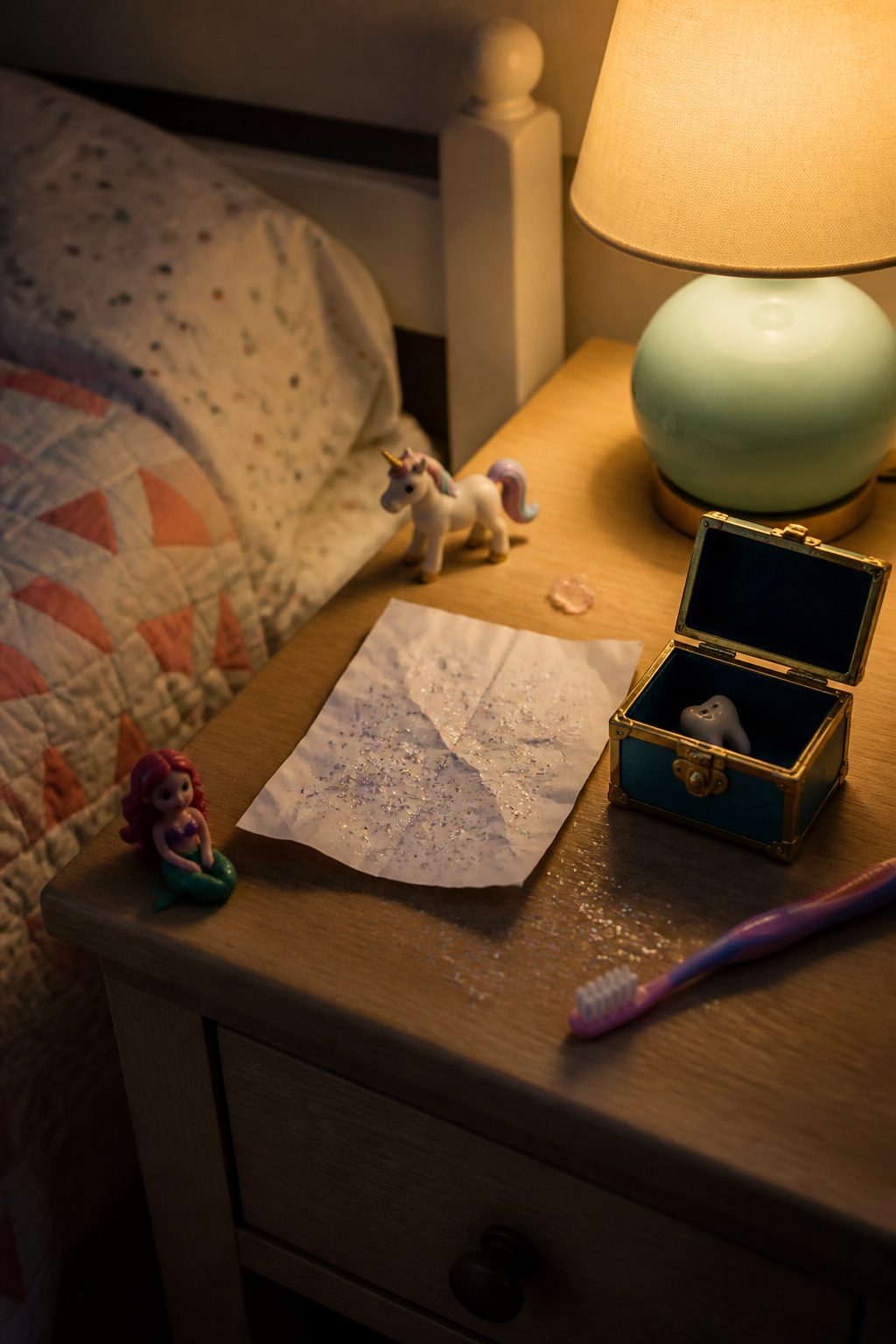
We have all been there. The tooth was tucked under the pillow, the kid went to sleep excited, and morning came with tears instead of coins. The apology letter is your repair kit, and it works best when it names a specific excuse and offers something extra.
One approach we have seen is the cluttered-room delay: the Tooth Fairy could not navigate toys, blankets, and pillows, so she asks the child to tidy up and leave the tooth in a little box on the nightstand next time. Another is the plain missed stop, smoothed over with a few extra dollars or a small trinket delivered the following morning or after school.
The extra gift matters more than the excuse. A child who woke up disappointed needs proof the fairy was not negligent, just delayed. The letter should sound hurried, maybe even a little flustered, and end with a promise she will not forget again. A postscript about brushing does not hurt either; it keeps the magic tied to the real habit you are trying to build.

⭐Tooth Fairy Bottle: You will receive 1 piece of Tooth Fairy message cloth and a small glass bottle with From the Tooth Fairy printed, not easy to fall off, star pendant hanging on the cork, colorful star sequins inside the bottle, in gold flakes Add sparkle to activate the magic tooth fairy.

Tooth Fairy Gifts for her: Tooth Fairy has been worn to attract wisdom, power and good luck. Message card with letter"A special gift from your Tooth Fairy. I took your tooth to hide away. I'll keep it safe every day. Keep your teeth clean and sparkly. Enjoy wearing this pretty bracelet. It comes with love& good luck for you. See you next time you lose a tooth. Love from The Tooth Fairy"

WHAT'S INCLUDED: 10 unique high-quality cardstock Tooth Fairy poems, 10 tooth receipts, 10 gold envelopes, and 1 soft white-colored microfiber tooth pouch.
Tooth Fairy Certificate
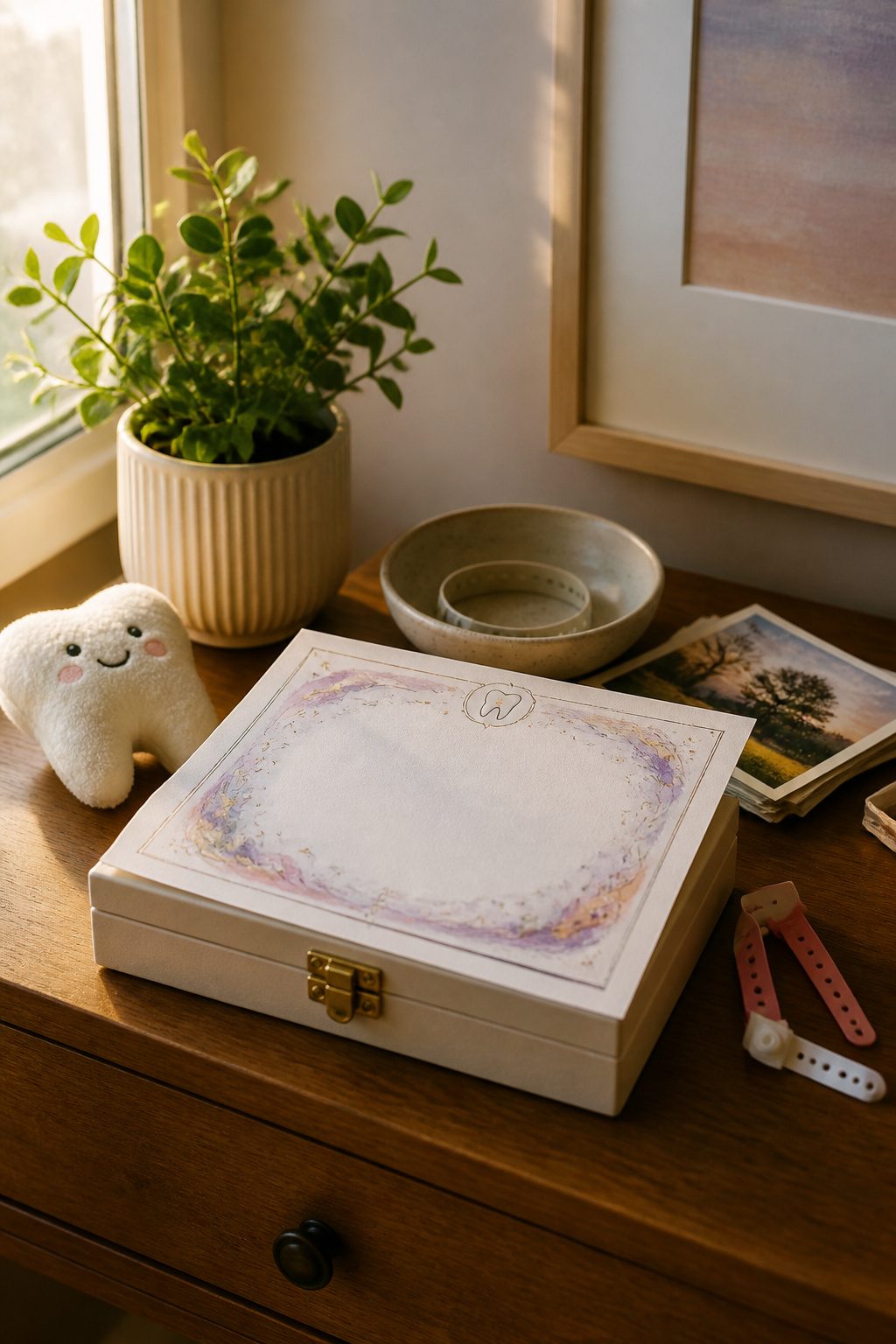
A certificate turns the first lost tooth into something you can hold years later. We print one with the child’s name and the exact date, then tuck it under the pillow with whatever the fairy is leaving that night. Some parents add tiny footprints or a sparkly border, but the name and date are what make it a keepsake; everything else is extra.
The practical move is printing a batch ahead of time and filling in the blanks as teeth come out. Sources describe a matching envelope and sometimes a "tooth report" for brushing habits, though a single certificate alone does the job if you want to keep it simple. Store the finished one in whatever memory box you already use for school photos and hospital bracelets. The paper costs nothing, and the child gets an official document to find in the morning.

6 colored cards

Value Set: You will receive 20pcs tooth letter cards, 20pcs receipt cards, 20pcs tooth certificate cards, 20pcs mini envelope to carry these cards, and 20pcs stickers to seal the envelope. These cards and envelopes can be combined into a total of 20 sets.

Stationery set contains 30 premium letter sheets and 24 matching envelopes.
Tooth Fairy Receipt
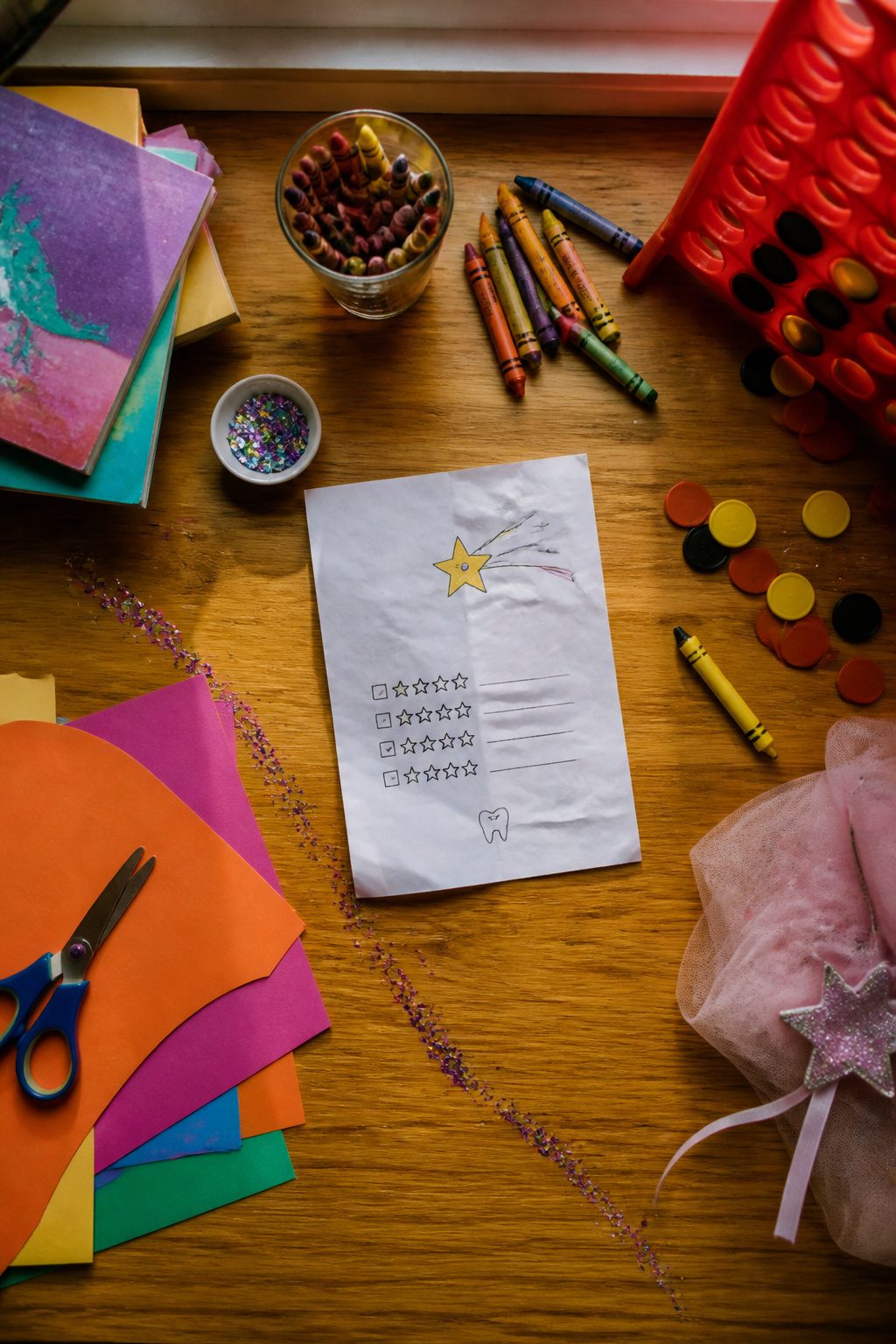
A receipt from the Tooth Fairy lands harder than a letter alone because it looks like proof. We started using one after watching our own kids treat the first lost tooth like a contract negotiation; they wanted documentation that the exchange happened.
The template we keep on hand has three blanks: the child’s name, the date, and a short hygiene rating. We mark that last line on a simple scale, something like "sparkling," "good work," or "brush more." The rating is the whole point. When a six-year-old sees the Tooth Fairy noticed a spot they missed, the argument about bedtime brushing drops by half. One parent we heard from writes a quick note on the receipt when the tooth was "less than perfect condition," which turns the fairy into an outside authority instead of another parent nagging.
We print ours on regular paper and cut it to business-card size. Nothing fancy; the fairy is busy and this looks official enough. Keep the wording short. The receipt works because it confirms the tooth was collected and nudges better habits without a lecture.

40 TOTAL POSTCARDS printed front and back on 4.25 x 5.5” inch postcard.

Elegant Celebration: Celebrate your child's dental milestones with Juvale Tooth Fairy Certificate Paper Set, beautifully crafted for a delightful tooth fairy experience. These certificates are perfect for a first lost tooth certificate or as part of a tooth fairy gift

Boy and Girl Tooth Fairy Letter Templates
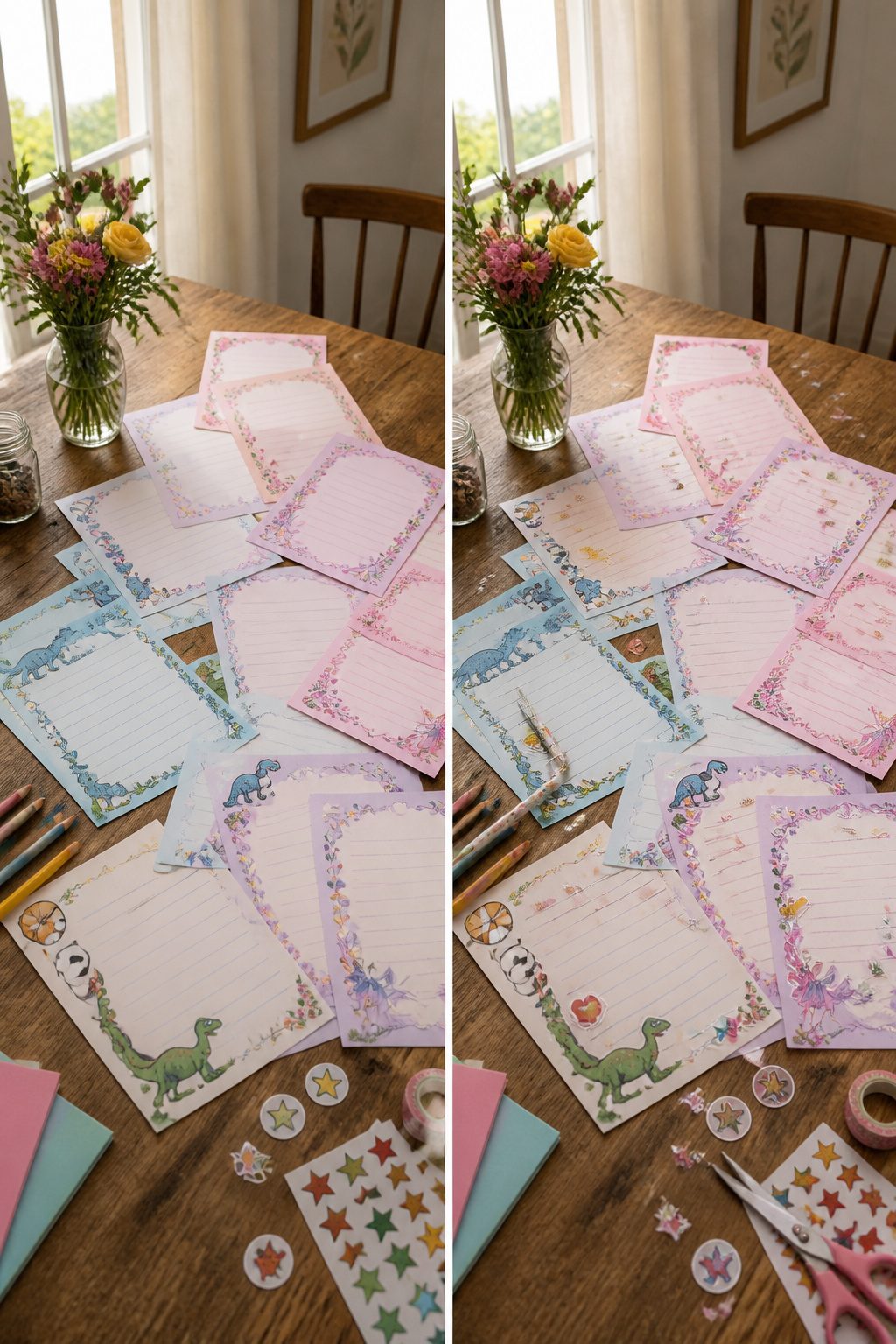
Boy and girl tooth fairy letter templates diverge mainly in color palette and illustration style, not in what the letter actually says. We have seen parents hunt for downloads that lean blue with sports or dinosaurs for sons, and pink with fairies or flowers for daughters, but the editable fields stay the same: child’s name, date, and a short message about the first tooth. The better downloads let you strip all that away and type your own text, which matters when a girl wants trucks or a boy wants glitter. Sites like Cassie Smallwood sell tiny tooth-shaped editable templates you can reuse for every loose tooth by swapping the message, while Superstar Worksheets and Skip to My Lou offer free printable sets with blank certificates and tooth reports alongside the letter. Little Red Window gives two versions: one completely blank for handwriting your own note, and one with a pre-written first tooth message plus a blank line for the name. If you are printing the night the tooth falls out, the pre-filled option saves time; if you want the letter to sound like your household, start blank. Either way, check whether the file is a true editable PDF or just a static image before you promise your child a personalized note from the fairy.

🦷 CELEBRATE A LOST TOOTH MILESTONE - A fun and encouraging card to celebrate a child losing their tooth and the exciting visit from the Tooth Fairy.

PRODUCT: 22-Pack Tooth Fairy Receipts for kids. Each card is beautifully printed on both sides.

Tooth Fairy Gifts for Girls and Boys: These cute cards feature a light gold theme, a whimsical tooth fairy graphic, and fields for “name, “age,’ “date lost,” “comments”, “tooth condition” & more!
Interactive Tooth Fairy Letter
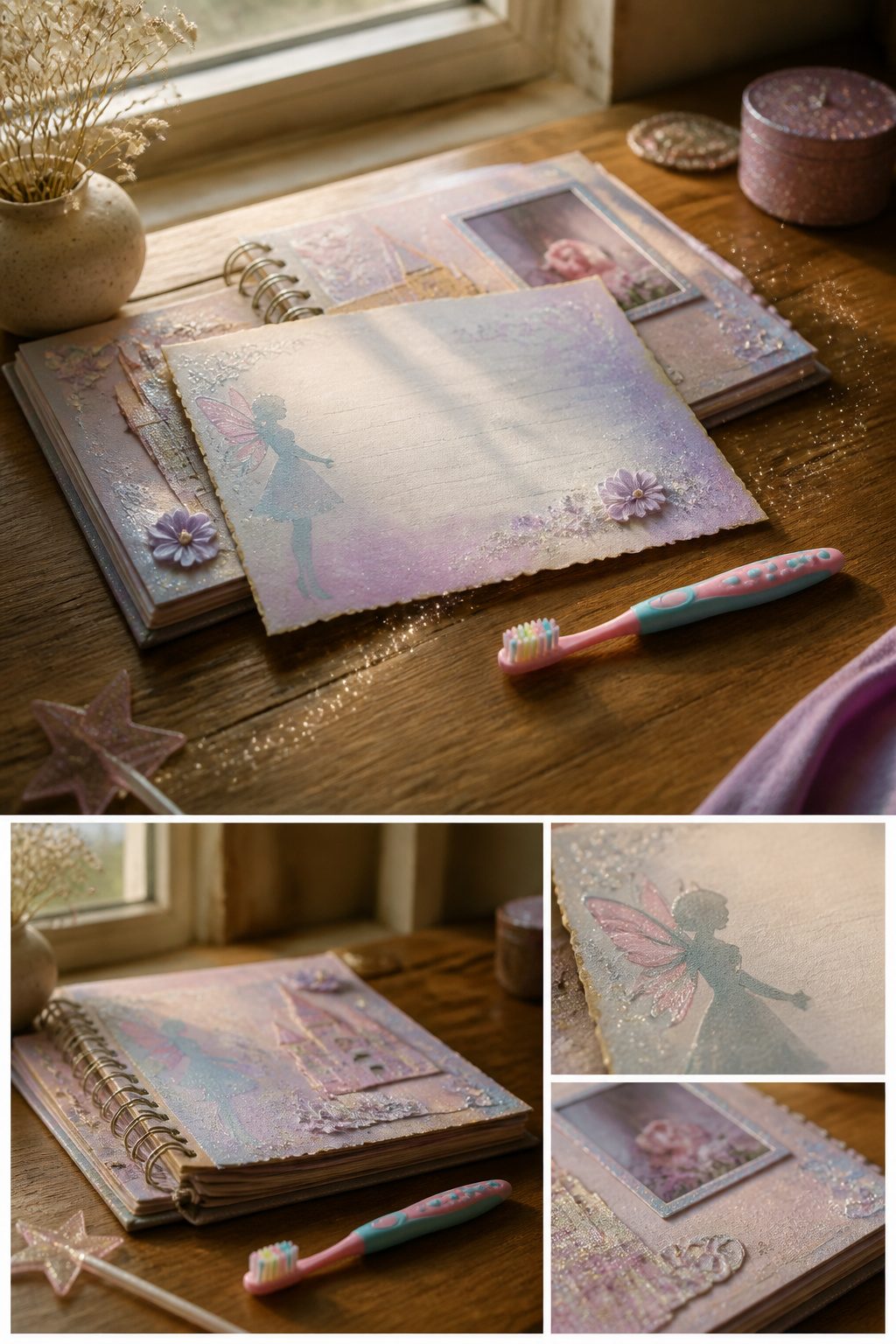
We like the letters that give a kid something to do the next morning, not just something to read. One approach we have seen work well: the Tooth Fairy asks the child to track their brushing for a week and promises to check back on the next visit. It turns the single night into a small habit, and the kid stays engaged longer than the time it takes to count the money.
Another angle is the fairy-world fact. A letter might mention that the Tooth Fairy builds her castle from collected teeth, or that first teeth get placed in a special tower because they are the strongest foundation stones. For a five-year-old, this lands as pure magic. For a seven-year-old, it becomes a secret they want to verify or expand, which keeps the game alive.
The handwriting matters here more than in a plain thank-you note. Tiny script, a glitter gel pen, a small fold, and a dusting of whatever passes for fairy dust in your house all signal that this letter took effort. One parent we know tucks the note beside a new toothbrush or sparkly toothpaste, so the interactive part starts immediately.
If your child is detail-oriented, add a joke they can share at breakfast. If they are competitive, make the brushing tracker a challenge with a small reward at the end. Match the task to the kid, and the letter stops being a prop and starts being a conversation that continues for days.


Tooth Fairy Gift Set: You’ll receive 20 charming envelopes, 20 keepsake receipt cards, 20 magical fairy letters, and 20 elegant sealing wax stickers—thoughtfully designed to make each tooth-loss moment feel special

Value Set: You will receive 20pcs tooth letter cards, 20pcs receipt and tooth condition cards (double-sided design), 20pcs certificate cards, 20pcs mini envelope to carry these cards, and 20pcs stickers to seal the envelope. These cards and envelopes can be combined into a total of 20 sets.
Letter With Dental Hygiene Tips
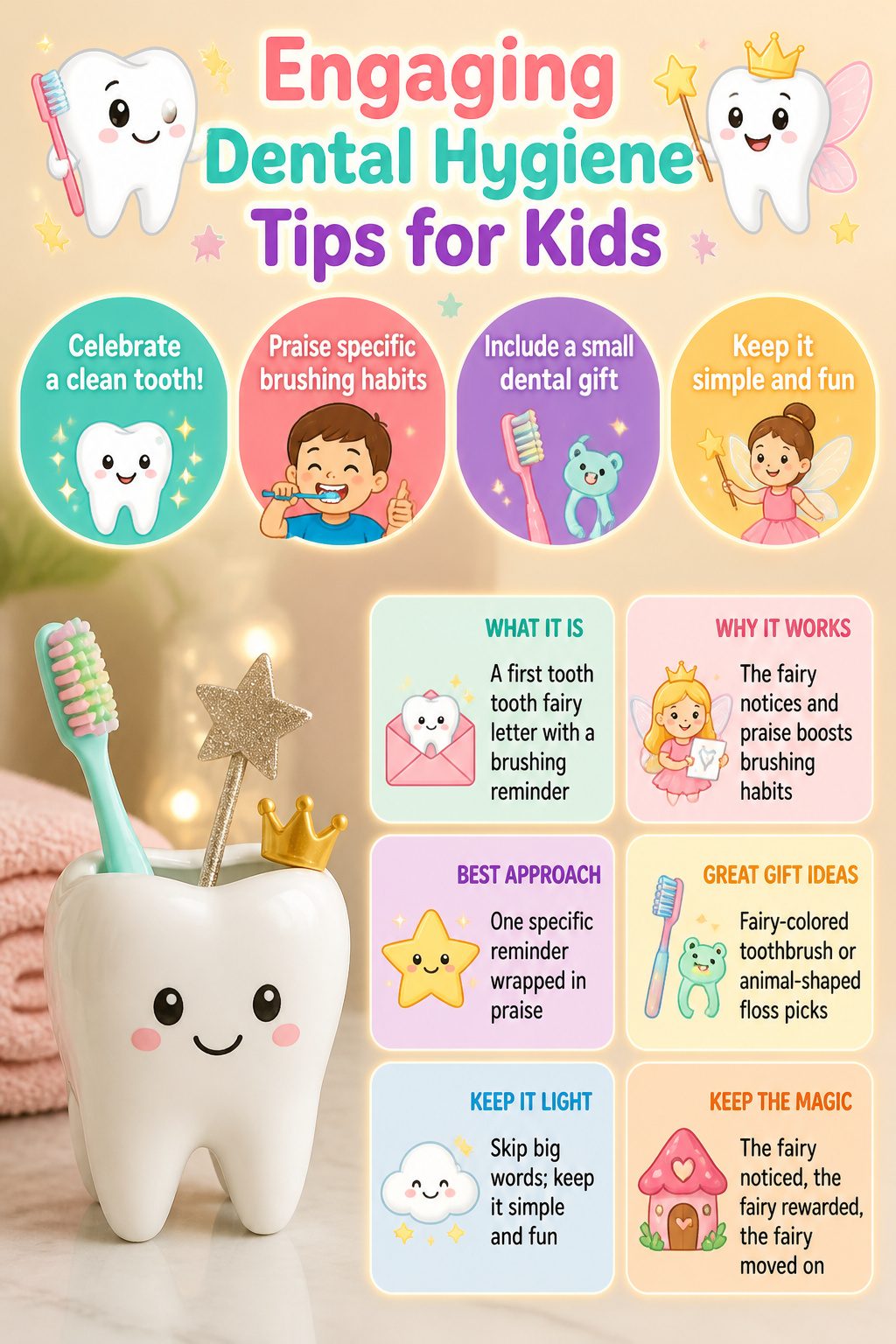
A first tooth tooth fairy letter that slips in a brushing reminder lands better than one that lectures. We write these as the fairy noticing, not the parent nagging. "Your tooth arrived so clean and sparkly" beats "remember to brush twice daily" because the kid did the work and the fairy saw it.
Praise a specific habit if you know one. "The back molars look well-brushed" works for a six-year-old who finally stopped skipping them. If they have been fibbing about teeth brushing, the fairy can mention checking records, though we keep it light. The fairy’s job is more enjoyable when teeth are healthy, which gives you a reason to mention it without turning magical night into dental clinic.
Keep the wording simple. Younger kids lose first teeth with limited vocabulary, so skip "plaque" and "fluoride." A small dental care gift alongside the traditional reward, a new toothbrush in fairy colors or floss picks shaped like animals, reinforces the message without adding words. The letter itself does the heavy lifting; the gift just nods along.
We have seen parents overdo this and kill the magic. One specific reminder, wrapped in praise for the tooth they actually lost, is enough. Two reads like a checklist from the bathroom mirror. The fairy noticed, the fairy rewarded, the fairy moved on. That is the tone that keeps them brushing without making them dread the envelope.

Complete Tooth Fairy Gift Set: the package includes 6 collectible teeth fairy coin with protective cases, 6 adorable tooth fairy burlap bags, 6 magical letters from the tooth fairy with 6 envelopes, plus a magnifying glass to make every lost tooth a memorable and enchanting experience for kids

MATERIAL: Tooth Fairy Bracelet made from natural pink crystal stone beads, which is worn to attract power,self-confidence and independence

Personalizing the Letter
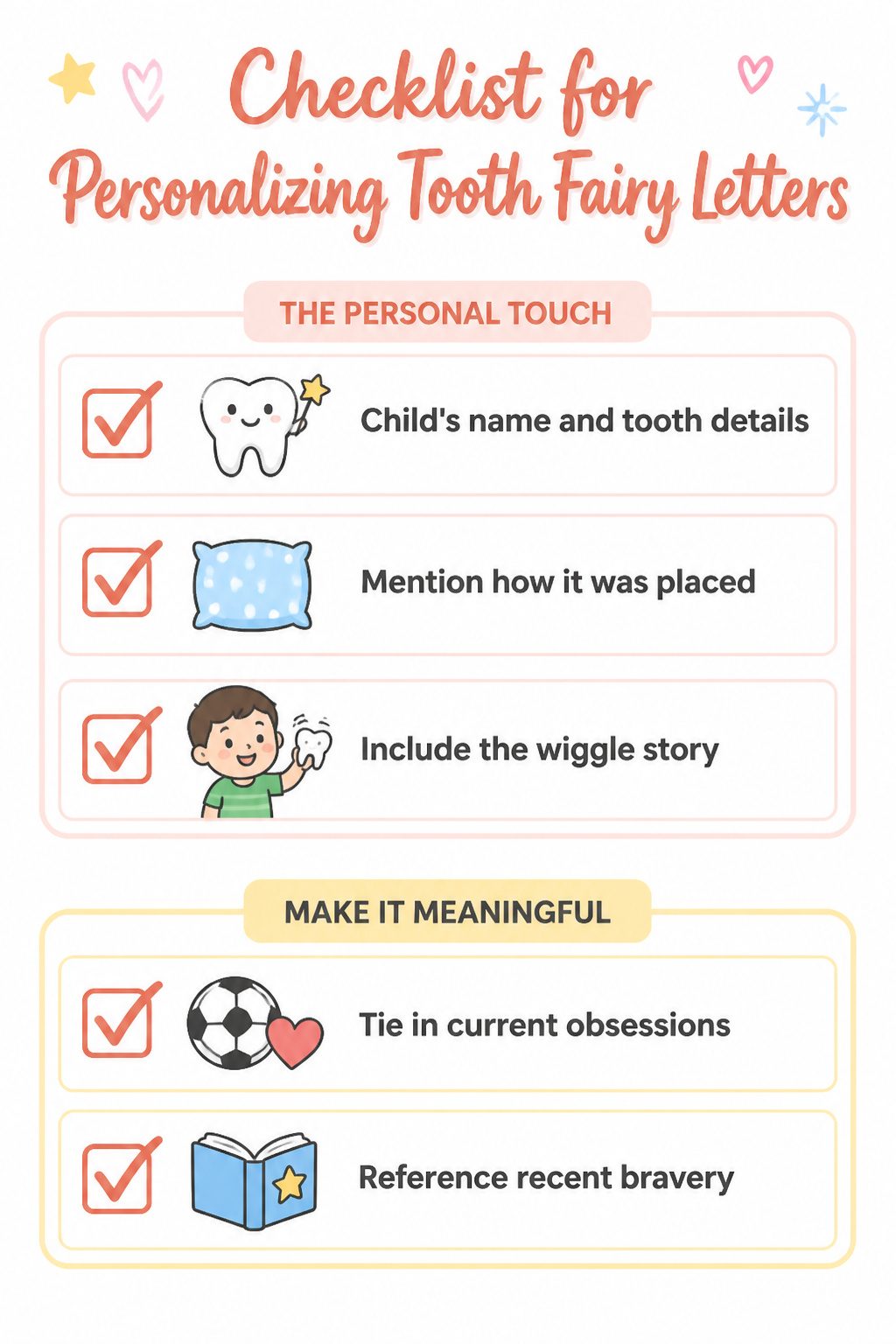
A generic fill-in-the-blank template gets the job done, but the letters our kids remember are the ones that sound like someone was actually watching. Here is what to fold in:
- Lead with their name and the exact tooth that fell — "Dear Mila, your bottom left incisor came out clean, no roots left behind." That specificity is what makes them pause and believe.
- Note how they placed it. Under the pillow, in a tiny box, on the nightstand: the Tooth Fairy should know without being told.
- Mention the wiggle. Two days of working it loose, or one dramatic tug at dinner: that detail costs nothing and reads like an eyewitness account.
- Tie in whatever they are currently obsessed with. If they are deep into soccer, the letter can mention keeping the tooth safe during practice. If they just learned a knock-knock joke, borrow the format.
- Reference something recent and real: a bravery they showed, a chore they finished, a book they are reading aloud. The sources that rank highest for "first tooth tooth fairy letter" all do this, and we have found it matters more than glitter or font choice.
One caution from the templates we have tested: some offer only a name swap. That is fine for a busy night, but it reads flat. The extra five minutes of customizing turns a printed template into the letter they save.

Value Set: You will receive 20pcs tooth letter cards, 20pcs receipt cards, 20pcs tooth certificate cards, 20pcs mini envelope to carry these cards, and 20pcs stickers to seal the envelope. These cards and envelopes can be combined into a total of 20 sets.

Value Set: this comprehensive tooth fairy kit comes fully stocked with 10 metal tooth keepsake tins, 10 tooth fairy letter cards, 10 tooth loss certificate cards, and 10 matching mini kraft envelopes to store all paper accessories; Turn every wobbly tooth and lost tooth milestone of your little one into a whimsical, unforgettable magical memory with this complete tooth fairy gift bundle

Stationery set contains 30 premium letter sheets and 24 matching envelopes.
Adding Magical Elements
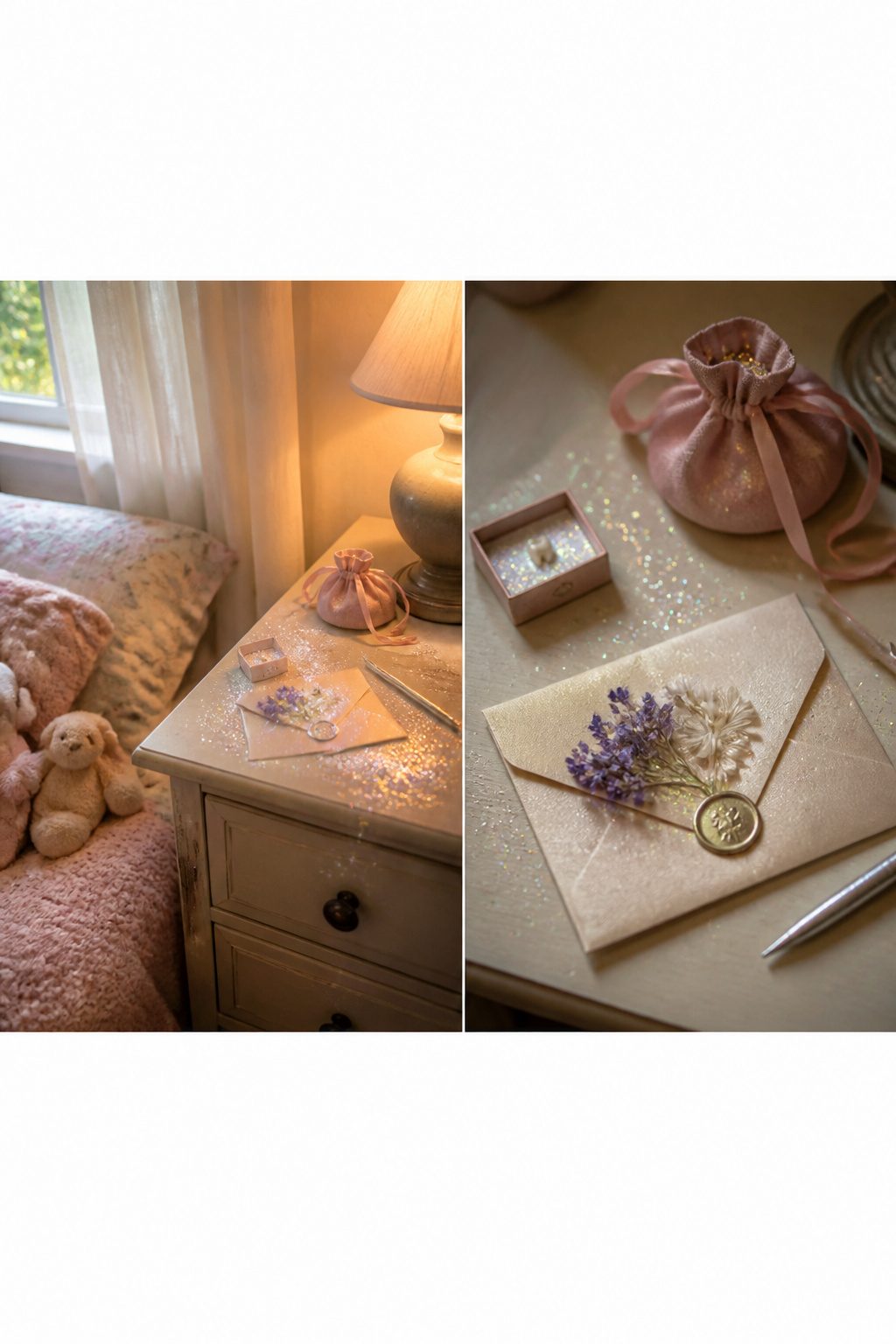
A few small props turn the letter itself into evidence that someone tiny visited the house. Here is what we have seen work on a Saturday evening with supplies already in the kitchen drawer or a quick dollar-store stop:
- Glitter trails are the classic for a reason. A pinch of craft glitter on the windowsill, the nightstand, or the path from pillow to tooth box reads as fairy dust to a six-year-old and vacuums up in thirty seconds for you. One friend puts a little shimmer directly on the money itself; the coins catch light when the child lifts them.
- Tiny footprints on the envelope or windowsill sell the scale. Draw them with a fine-point pen, or press a pinky finger into a stamp pad and walk it across the paper. Keep them small; half-inch long is the sweet spot.
- Sparkly ink or a glitter gel pen for the letter body makes the words feel different from everyday handwriting. The gel pens cost a couple of dollars and write fine enough for small, delicate script.
- Pressed flowers or rainbow paper inside the envelope give the child something flat to keep. A pansy from the yard pressed under a book for two days works as well as anything bought.
- Fairy dust in a tiny pouch left beside the letter extends the moment. A square of tissue paper folded around a second pinch of glitter, tied with thread, takes five minutes.

Tooth Fairy Value Set: You will receive 20 tooth fairy coins, 20 gift receipt cards, 20 tooth certificate cards, 20 small envelopes to hold these cards, and 20 sealing stickers. These items can be combined to create 20 complete sets.

Package Includes: You will receive 25 pcs 8x10 inch tooth fairy paper certificates.The number of certificates is enough for daily use and to share with your family and friends.
Saving Letters as Keepsakes
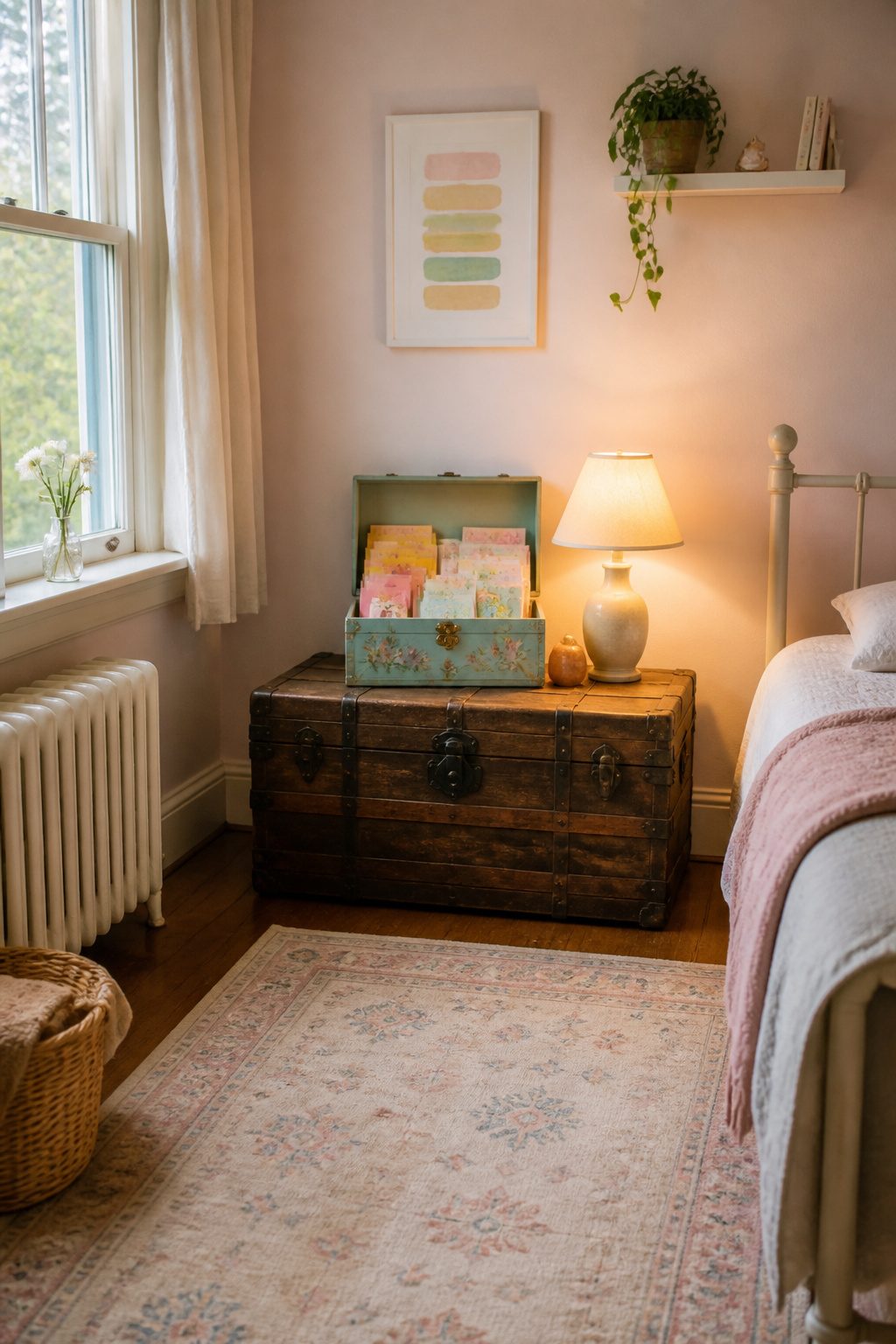
A single letter from the Tooth Fairy for a first lost tooth is easy to tuck into a drawer and forget, but five or six years of them turn into a timeline you will not want to lose. We have seen parents regret the shoebox approach; by the second grade the edges curl, the glitter sheds, and nobody remembers which tooth went with which note.
A dedicated folder or small box, kept in the same place as the birth certificate and passport, solves this. Decorative folders work for flat letters and certificates. Scrapbooks let you add a photo of the gap-toothed grin facing the note. Mini glass bottles hold rolled letters if you want the display on a shelf. Pick one system when the first tooth falls, not after you have three letters floating around the house, and label the outside with the child’s name and the year. That first folder is the one you will still have when they graduate.
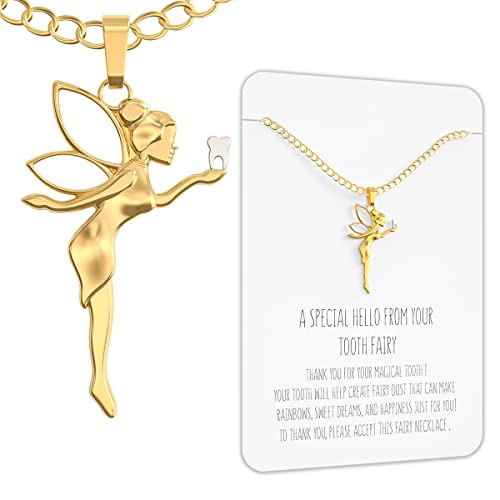
✨ **Enchanting Tooth Fairy Keepsake:** Make the tooth fairy's visit extra special! Our necklace features an exquisite pendant plated in 18K gold and silver, adorned with intricate details. The perfect memento for your child's lost tooth

A KEEPSAKE FOR EVERY WIGGLY MILESTONE — Capture every fun detail of your child’s tooth-losing journey from the first wiggle to the final fairy visit. A perfect addition to your Tooth Fairy tradition.

🦷 CELEBRATE A LOST TOOTH MILESTONE - A fun and encouraging card to celebrate a child losing their tooth and the exciting visit from the Tooth Fairy.
DIY Tooth Fairy Box and Pillow
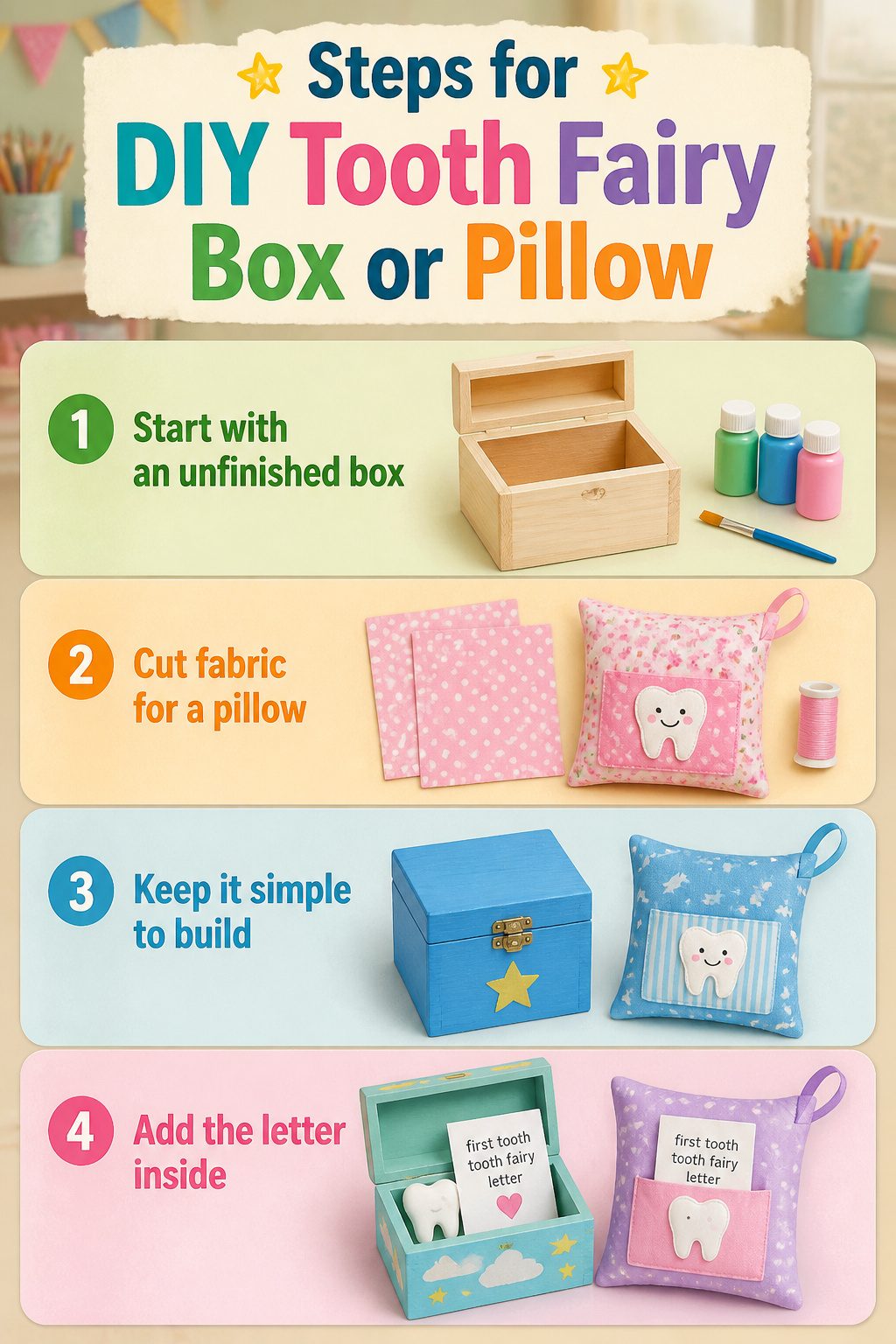
A small box or pillow gives the tooth and the first tooth tooth fairy letter a place to wait, and it costs less than buying one finished from a boutique.
- For a box, start with an unfinished wooden box from any craft store. Sand the inside smooth so a tiny tooth does not catch on splinters. Let your child paint the outside with acrylics, then seal it with a clear coat after the paint dries overnight.
- For a pillow, cut two six-inch squares of cotton fabric. Sew three sides, turn it right side out, and stitch a narrow pocket on the front for the tooth. A ribbon loop at one corner lets you hang it from a bedpost where the Tooth Fairy will find it.
- Either project takes one afternoon and under twenty dollars in materials. We have seen parents overbuild these with hinges and magnetic closures; a simple lid or a pinned pocket fails less often and finishes faster.
- Slip the finished letter inside with the tooth. The box or pillow becomes the keepsake holder afterward, not just the delivery system for one night.
Alternative Tooth Fairy Gift Ideas
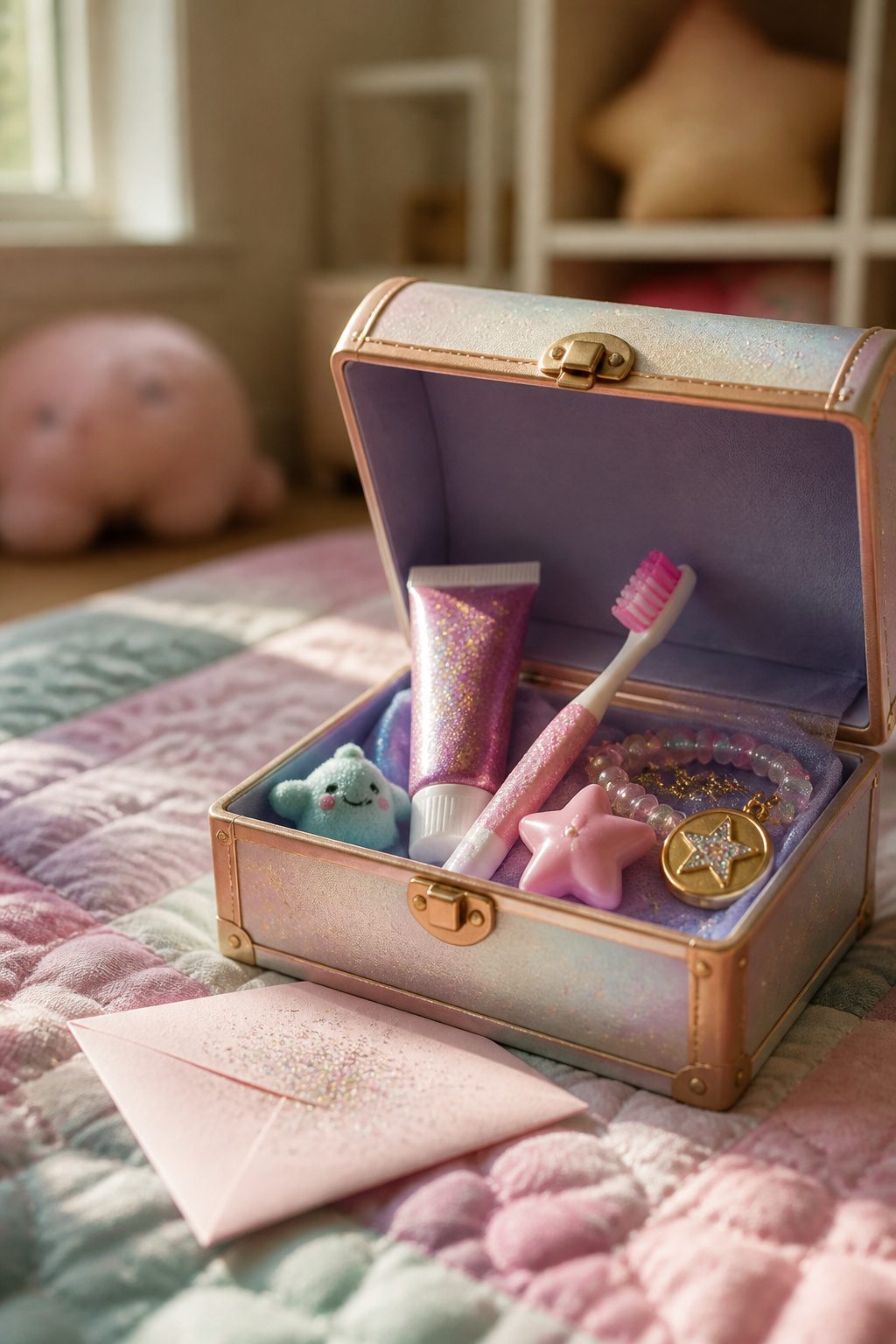
The 2026 Original Tooth Fairy Poll puts the average payout at $5.84 per tooth, with first teeth pulling a little more at $7.17. We have watched friends burn through that budget fast, especially once a kid realizes twenty baby teeth are coming. A small toy from your own stock, a charm, or a tiny container of glitter labeled fairy dust stretches the magic without draining the wallet. Dental care items work too: a fun toothbrush, sparkly toothpaste, or flossers tucked beside the letter turn the visit into a nudge toward good habits. The key is keeping the scale repeatable. If the first tooth lands a five-dollar bill and a stuffed animal, tooth nineteen becomes expensive. We would rather start modest and let the letter carry the weight: tiny handwriting, a fold small enough to need a tweezer, maybe a passport or membership card the kid can keep adding to. The money is easy to match tooth for tooth; the object is what they remember.
Frequently Asked Questions
What should I include in a Tooth Fairy letter?
Start with your child’s name and the exact tooth they lost, then add a short congratulatory line about wiggling it loose. Mention how they placed the tooth and slip in one quick brushing prompt tied to the next visit, like noting that shiny teeth are easier to spot from a fairy’s flight path. Keep the whole thing to two or three sentences; the magic matters more than length.
How do I make the Tooth Fairy experience more magical?
Leave a glitter trail on the windowsill or nightstand, draw tiny half-inch footprints on the envelope, and write the letter itself with sparkly ink or a gel pen. A small pouch of fairy dust, a pressed flower inside the envelope, or a gift like a new toothbrush in fairy colors extends the moment past morning. The key is tiny details that look like effort from someone small.
What are some fun lines to include in a Tooth Fairy letter?
Borrow whatever your child is currently obsessed with: if they are into soccer, mention keeping the tooth safe during practice; if they just learned knock-knock jokes, use the format. One parent we know includes a joke the child can share at breakfast, like the classic gummy bear riddle. Tie the fairy’s world to their real world and the letter reads like someone was actually watching.
How much should the Tooth Fairy pay?
The 2026 Delta Dental poll puts the average payout at $5.84 per tooth, with first teeth averaging $7.17. Some families leave coins, some leave small gifts instead of cash, and some start modest to keep twenty baby teeth affordable. The letter and props carry more memory weight than the money anyway.
What if the Tooth Fairy forgets to come?
Write a hurried, flustered apology that names a specific excuse and delivers something extra: a cluttered-room delay with a request to tidy up next time, or a plain missed stop smoothed over with extra dollars or a small trinket. The extra gift matters more than the excuse, since a disappointed child needs proof the fairy was delayed, not negligent. End with a promise she will not forget again and a postscript about brushing.