A family command center only works if it sits where your feet already stop, not where you wish they would. We tried the entryway first, with its built-in nook and perfect wall space, and watched the calendar stay on November while mail piled to six inches in nine days. The kitchen, beside the refrigerator and garage door, fixed everything because the toaster already made us pause there.
[link-whisper-related-posts]1. Family Calendar
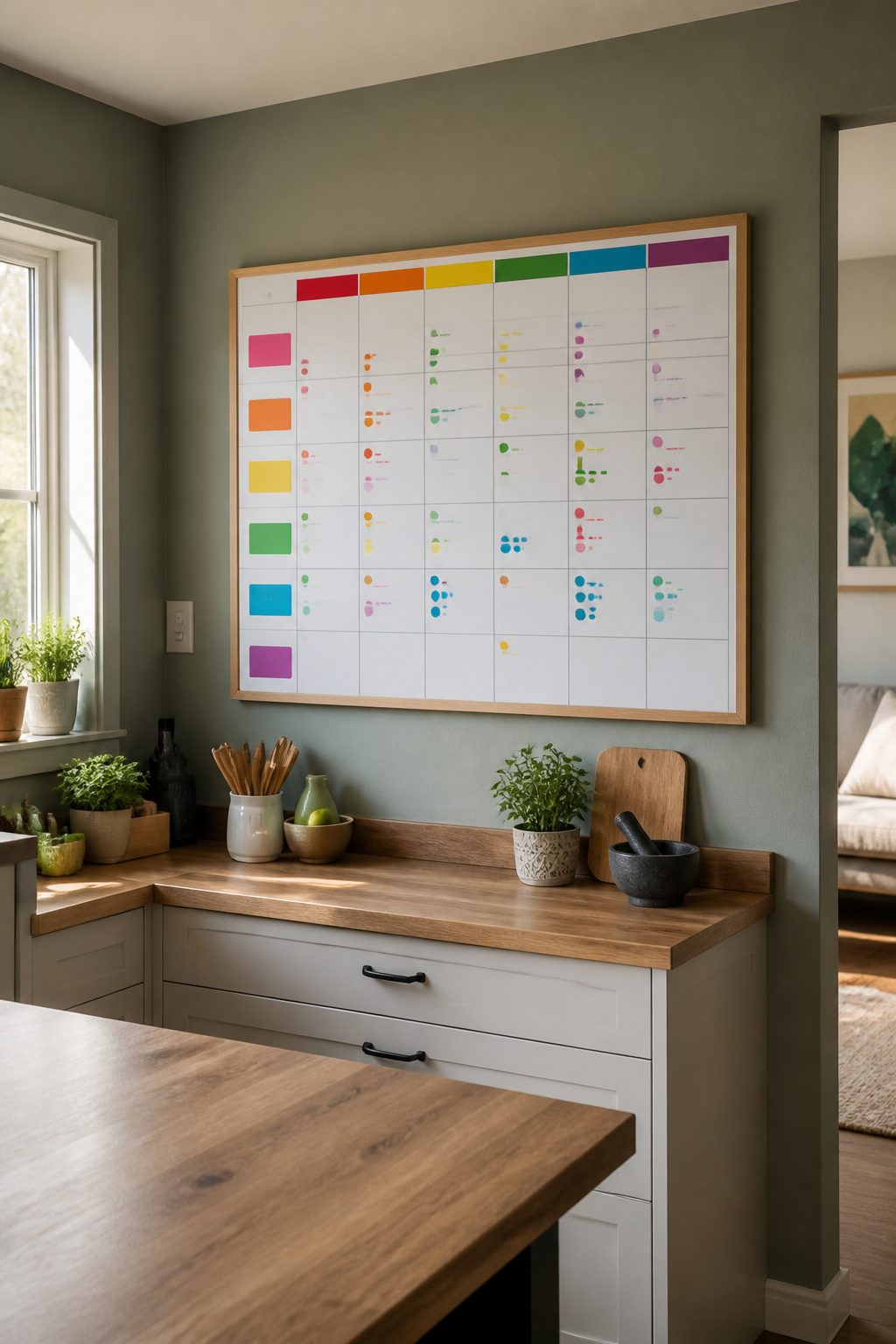
Paper calendars look tidy on January first, but by mid-February they are crossed-out, taped-over messes. Dry erase boards survive the schedule changes that real families throw at them: a dentist appointment moves, soccer practice gets rained out, someone picks up an extra shift. You wipe and rewrite. That alone makes them the better tool for a wall that everyone passes.
We started with a plain white dry erase board and cut adhesive vinyl into a grid with a cutting machine. Each family member got a color, so you could spot who needed to be where without reading a word. The first attempt failed because we mounted it with adhesive strips alone. The board stayed up for about three weeks, then peeled off the painted drywall at 6 a.m. and scared the dog. The second try used a French cleat screwed into a stud, and that one has held for years.
If you want modular from the start, Pottery Barn’s Daily System has been the popular choice for more than fifteen years. The newer Marlette version keeps the same customizable layout with a gold finish. You buy the calendar component, add a chalkboard or mail slot later, rearrange as the kids grow. It costs more than a DIY board, but the hardware is included and the look is finished enough for a kitchen wall that guests see.

【Magnetic Dry Erase Wall Planners Set】The material is transparent acrylic.Our package contains 4Pcs acrylic fridge magnetic dry erase board, a monthly wall planners, a weekly planner, a daily board and a whiteboard, with extra 6 markers.The set of acrylic refrigerator magnetic calendar board is a designed for you to plan your daily life, the acrylic magnetic set allows you to write more, you can plan and organize your daily life more carefully
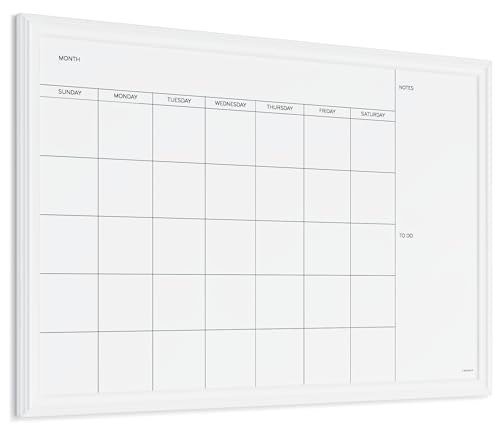
PLAN, CREATE, COLLABORATE: Enhance your workspace and boost your productivity with this 30" x 20" modern magnetic white board calendar board; this white wood style framed adds a contemporary touch to any office, classroom, or home decor

2-in-1 WHITEBOARD CALENDAR & CORKBOARD - This wall dry erase calendar can be used as a monthly and weekly planner board, memo board, bulletin board or presentation board. The bottom cork board is perfect for pinning notes, pictures, to-do lists and class schedules.
2. Mail Organizer
A simple wall-mounted sorter looks like the answer until you live with it. We tried a basic three-slot acrylic hanging file sorter first, the kind that lets wallpaper show through behind it. Bills, school papers, and the random junk mail all went in their own slots, and for about two weeks it worked. Then the middle slot became a black hole where things went to wait out their statute of limitations.
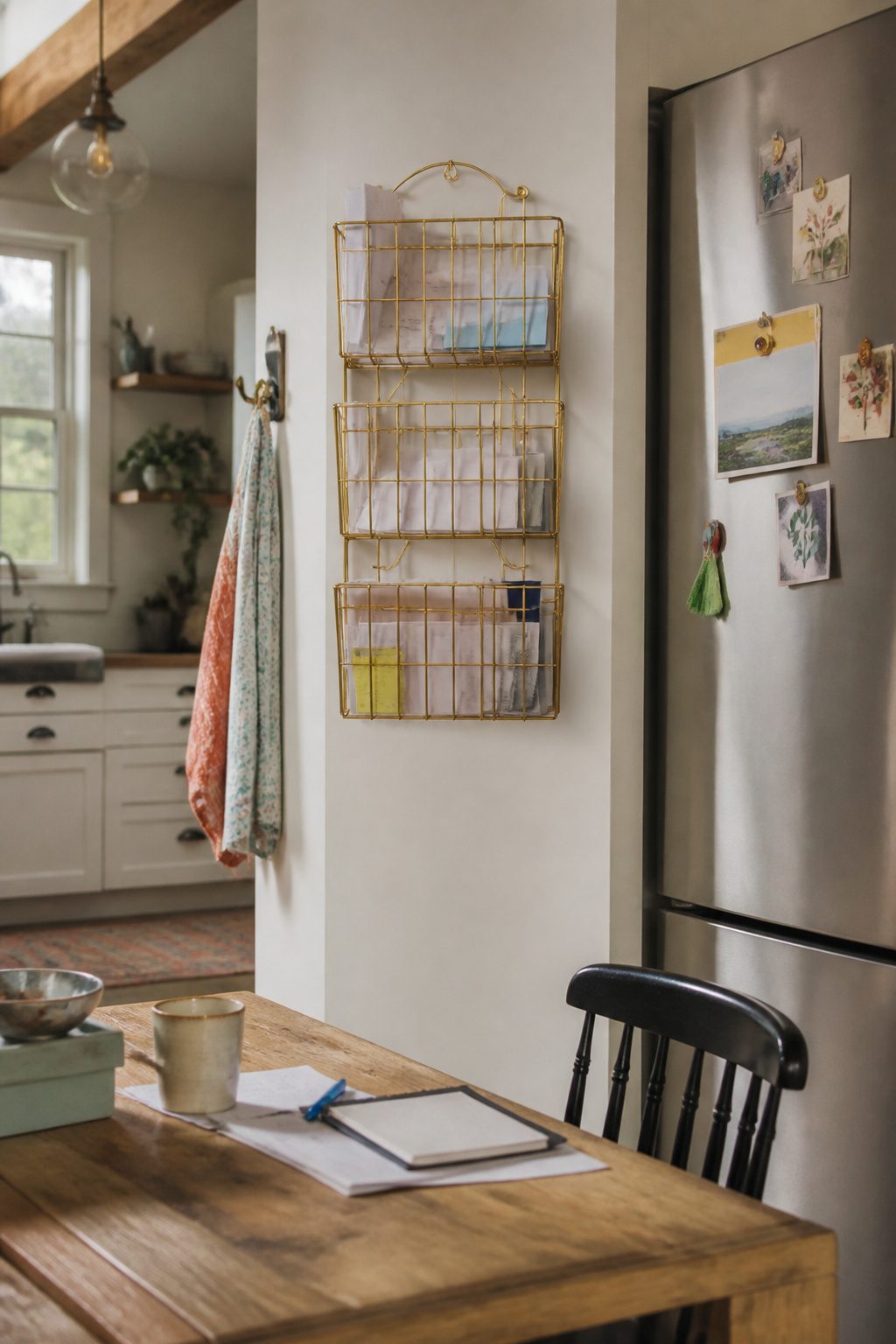
What actually functions for a family is a setup with room to act. We swapped to a gold wire wall organizer with adjustable baskets sized for files, mail, and school papers. The adjustability mattered more than we expected; we started with three baskets across, found that incoming mail needed two slots to the one for anything outgoing, and shifted the whole thing in ten minutes.
The mistake we made in between was skipping the sorter entirely during a kitchen redo. The pile on the counter grew to six inches in nine days, not because we are lazy but because a flat surface with no system trains everyone to drop and run. A command center without a mail organizer is just a wall that watches your chaos.
If you are choosing, wire beats solid for visibility, and adjustable beats fixed because your mix of paper changes with the school year. Mount it where the backpacks land, not by the front door where you will walk past and forget it.

Space-Saving & Portable Design – Measuring 11.8×4.3×7.9 inches, this slim profile basket fits narrow spaces and hallways. The built-in handle lets you effortlessly lift and relocate it anywhere, from home offices to kitchen pantries.
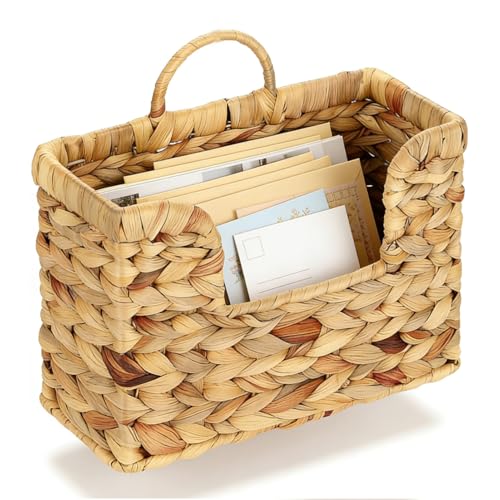
【Handwoven Water Hyacinth over Reinforced Frame】– Crafted from sustainable, handwoven water hyacinth with a reinforced metal frame that helps the basket keep its shape and resist sagging under normal daily use. The tight weave and solid structure make it a durable wall organizer for entryways, offices, and living rooms
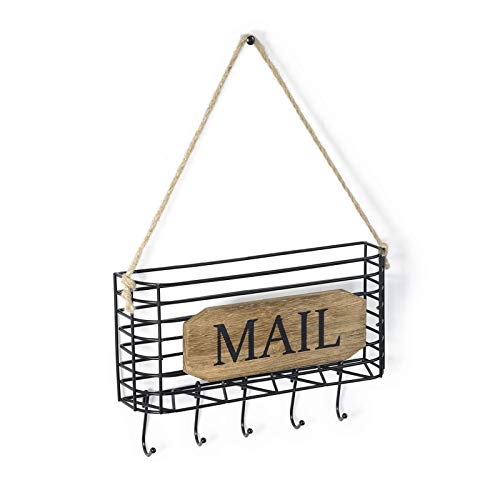
Rustic Yet Modern - Rustic solid wood combined with black iron wire, exquisite decor in the hallway, foyer, mudroom, or office.
3. To-Do Lists
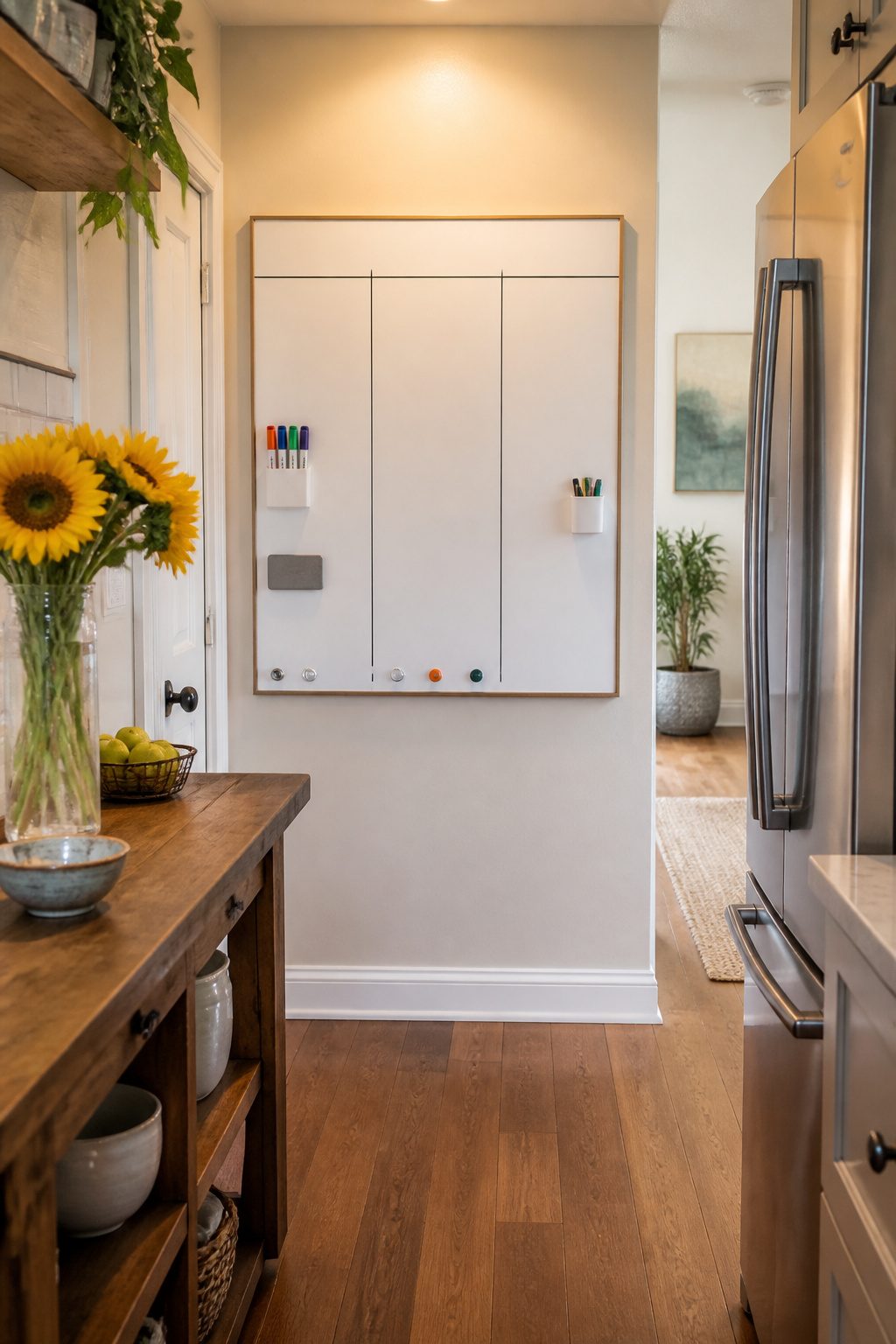
We tried shared digital lists first. Three apps, two years, and the same ending every time: one of us stopped checking. Usually it was whoever didn’t install it on their home screen. The lists went stale, the milk ran out, and we were back to texting "did you get the thing?" from the parking lot.
Paper won because it stays in your peripheral vision. We use a dry-erase to-do list board mounted at the kitchen end of our command center, positioned so you pass it on the way to the garage. If it takes a thumb swipe to see it, it takes a thumb swipe to ignore it. Magnetic to-do list pads work too, especially for splitting "buy" from "do" so one person can grab the shopping strip and leave the honey-do list behind.
The board we run is divided into three columns: today, this week, and waiting on someone else. That last column is the one that actually reduced our nagging. When the kids’ permission slips or the contractor’s callback sits in open sight, nobody has to play messenger.
Chalkboard works for some families. We tried it and found the dust annoying near food prep, but if your command center lives in a mudroom or hallway, the dinner-menu-and-reminders combo can replace a separate meal planning board.
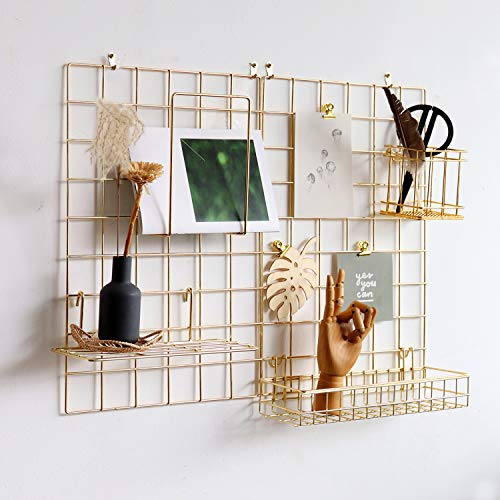
HIGH QUALITY: Made of iron wire,surface with electroplating technology, anti-oxidation and anti-corrosion, can extend the service life effectively

Multifunctional Screen Organizer: A product with multi-function display, the kitchen storage grid wall makes it easy to organize and store, organize your items well and save money, help you keep your items tidy and tidy.

【Easy Installation】 The 2-pack wall-mounted file organizer is designed for straightforward setup with multiple mounting options. It includes adhesive wall hooks for damage-free installation on clean, smooth surfaces, as well as nails for a more permanent fixture. The installation process requires no additional tools, allowing you to quickly organize your space. After applying the adhesive hooks, it is recommended to wait 12 hours for full adhesion strength before loading the organizer.
4. Chore Chart
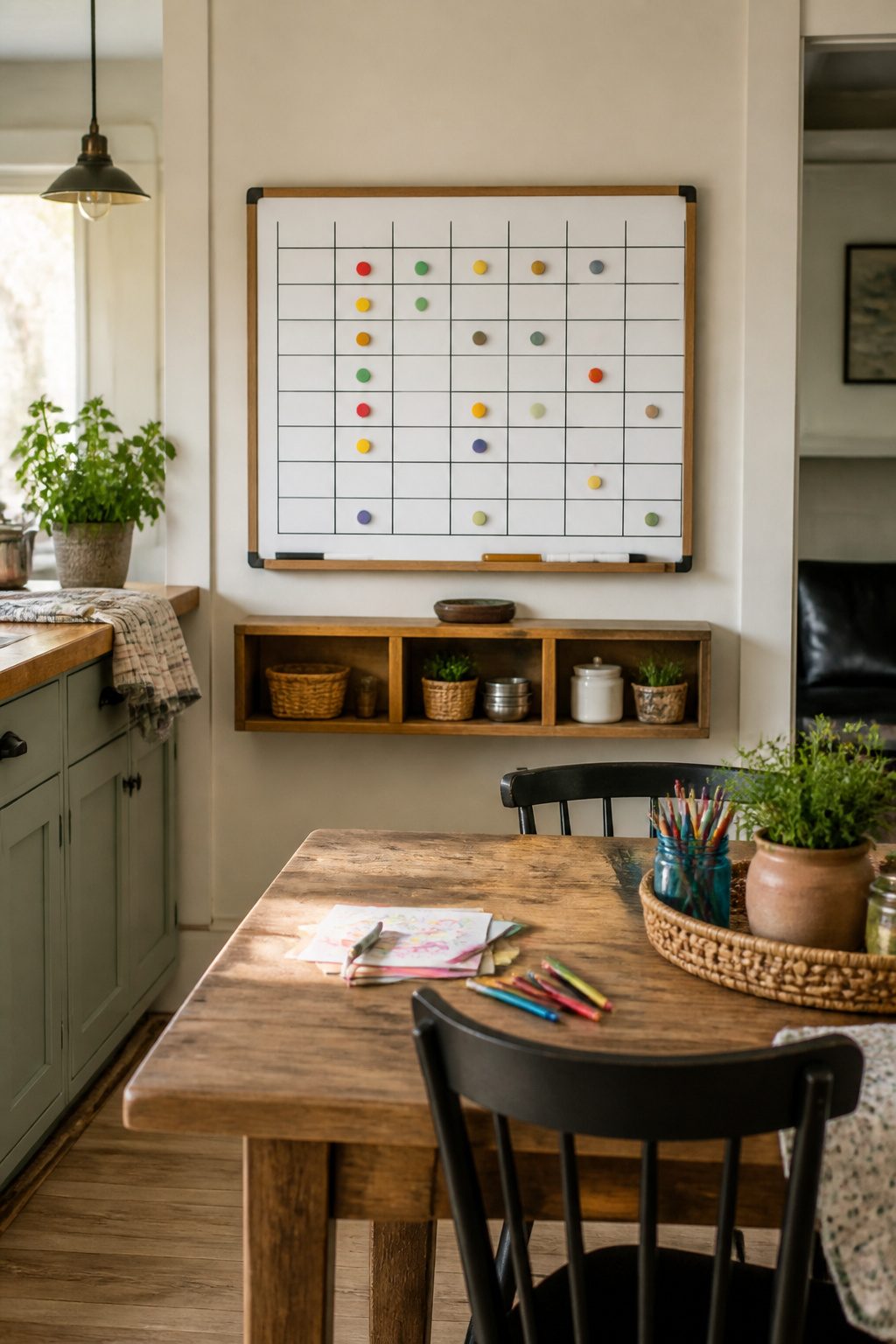
We tried three chore charts before one stuck. The first two failed for the same reason: they were too pretty to be honest. A watercolor grid with calligraphy looks great on day one, but by day twelve the unchecked boxes sit there like a report card. We threw that one out after our oldest, then six, asked why her name had so many empty spaces. It shamed more than it helped.
The one that lasted was uglier and smarter. We used a plain magnetic whiteboard, divided it into rows by person and columns by day, and stuck colored magnets for morning, afternoon, and evening tasks. Kids need to move something to feel done. Our youngest could read it by age five because we drew simple icons next to words: a bed, a dish, a backpack. No grades, no colors for "good" or "bad" weeks. Saturday reset, Sunday blank slate.
The board cost under $25 and took an hour to set up. Six months in, the magnets still move daily.

34-inch-long wall mounted rustic burnt wood solid wood frame bulletin board combination set of 3 panels to streamline the flow of daily routines

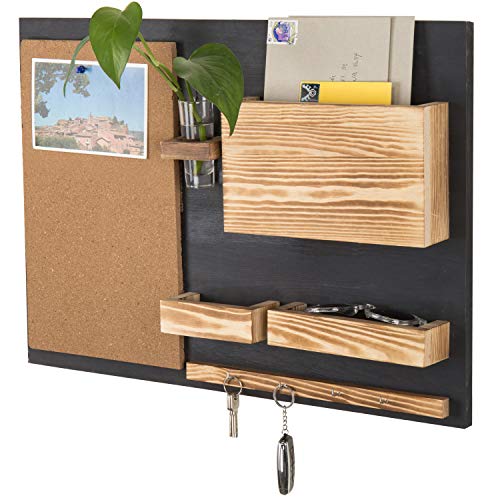
25-by-19-inch solid wood wall mounted family command center in a matte dark background and natural burnt wooden accents for a modern rustic aesthetic
5. Hooks for Keys and Bags
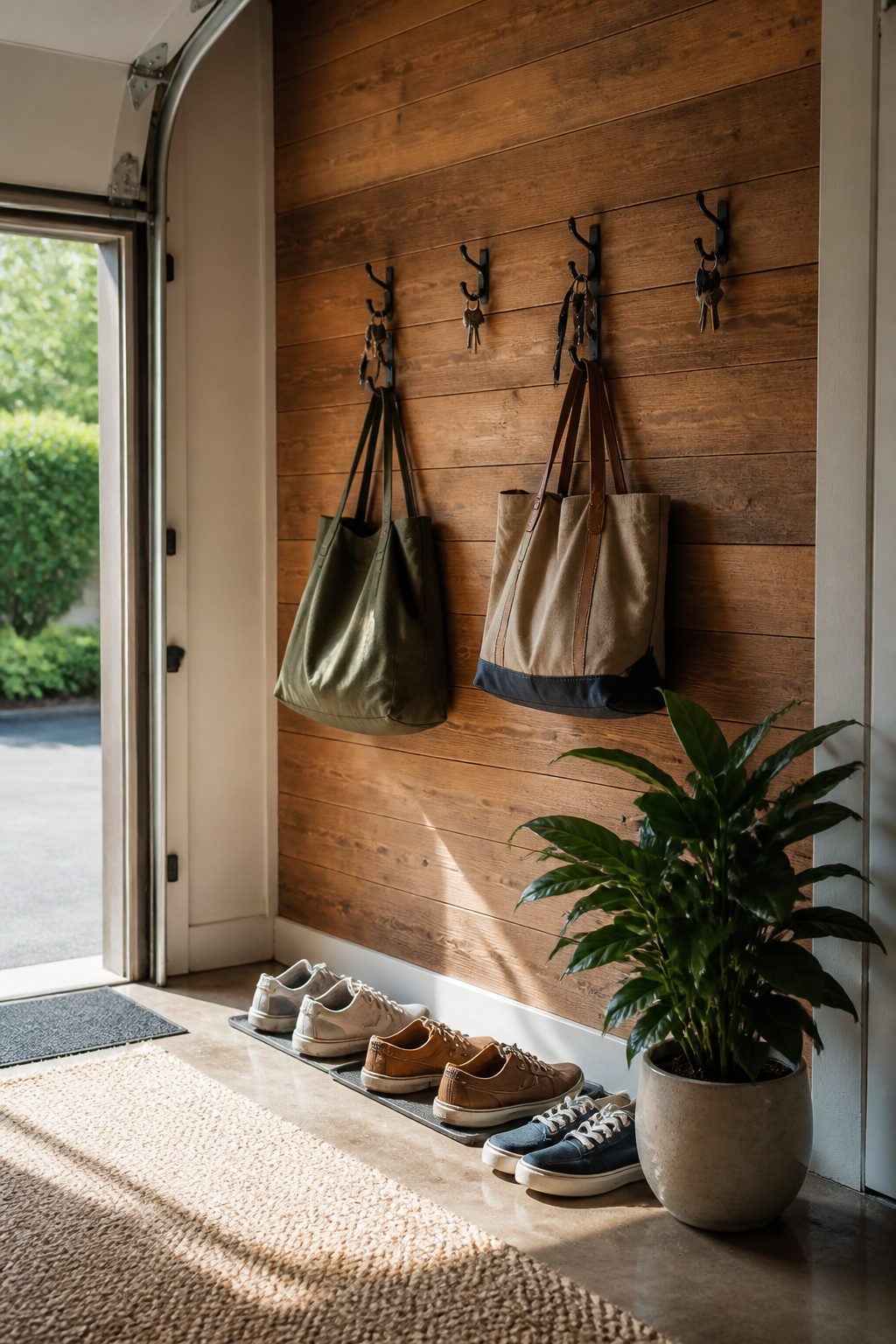
We learned the hard way that two hooks per person is the ceiling, not the starting point. Our first attempt screwed a full rack of five hooks into the drywall by the garage door; within a month, two were loose and the wall had started to crumble where the plaster gave way. We switched to a rail system mounted into studs, and that holds. For kids, we set their single hook at 42 inches so they can actually reach it without climbing; adult hooks sit at 66. The lower placement also trains them to hang their own bag before they drop it on the floor. Bags go on the wider hooks, keys on the narrow ones, and we keep the rail shallow enough that nothing protrudes past the door swing.

Multi-Scenario Compatibility: This literature organizer supports a wall-mounted setup or sits easily on the desktop. Whether in bedrooms, studies, or offices, it offers the right way to keep files organized, creating a tidy and pleasing space

SECURE MOUNTING & NO FALLING OFF: Are you tired of adhesive organizers that constantly drop? Our hanging file organizer features a sturdy 2-screw mounting system. With the included expansion screws, it stays firmly on your wall even when fully loaded with heavy documents, providing a reliable alternative to flimsy adhesives.

Rustic Mail organizer: crafted with beautiful paulownia wood and an iron mesh, with an iron mesh front panel marked [mail], our dark brown wall mounted mail holder adds an elegant yet rustic appeal to your room
6. Charging Station
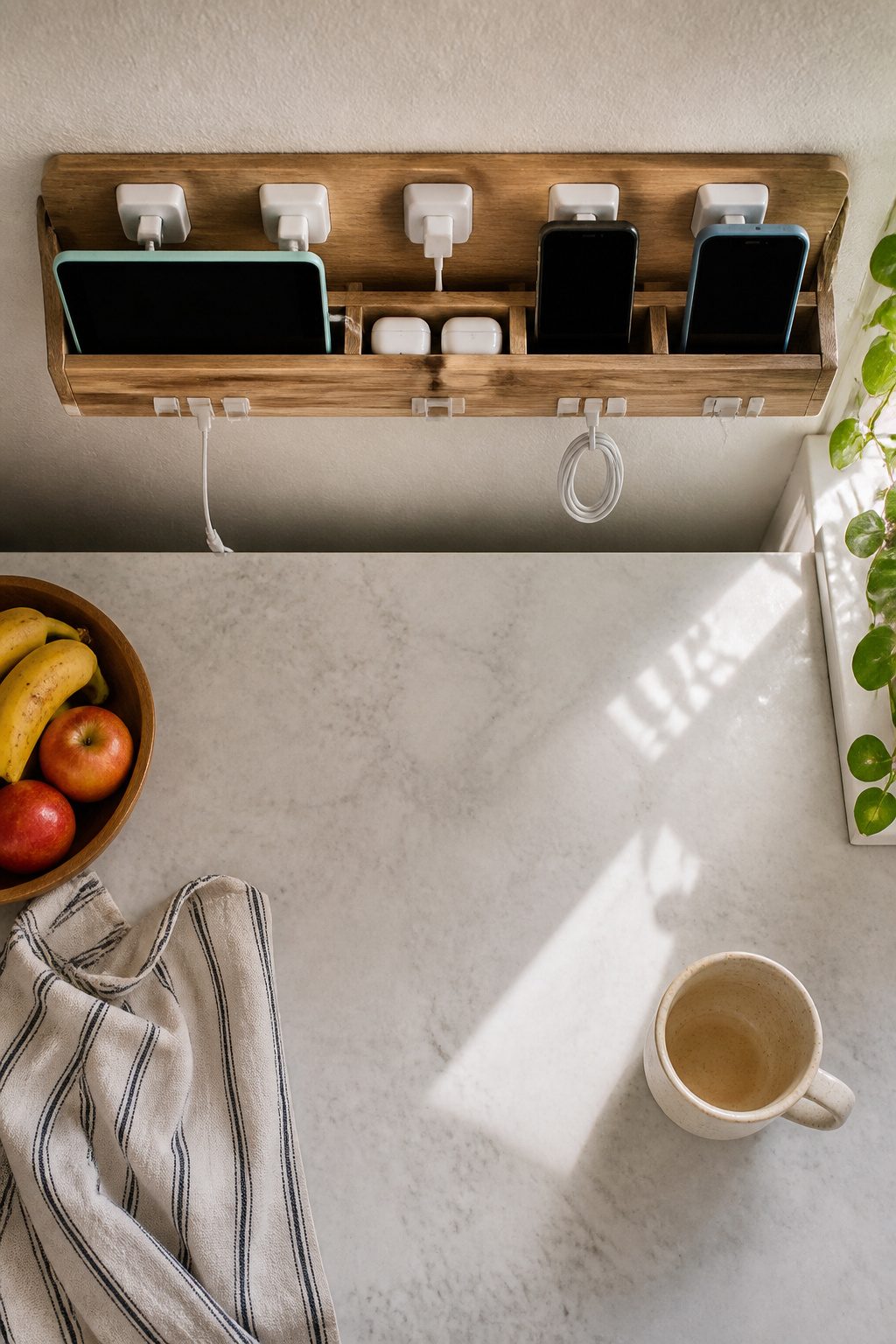
Every family command center we have built started with the same lie: we will keep the cords tidy this time. The first station ran off a basic power strip stuffed behind a bread box, and within a month the cables had braided themselves into something that looked intentional only if you squinted. We have since switched to a wall-mounted surge protector with spaced outlets, which at least keeps the bricks from blocking each other, but the real fix was assigning every device a dock and accepting that some gadgets will wander.
The phones and the pair of wireless earbuds we share live there permanently. Tablets rotate through depending on who has homework, and the portable speaker usually makes it back by Friday. Laptops never stay put; they follow people to couches and beds, so we stopped pretending the command center would house them. For the cords that do remain, we use adhesive cable clips screwed into the underside of the shelf, not the wall, so patching is a single spackle hole when we move.

👜𝐏𝐑𝐎𝐃𝐔𝐂𝐓 𝐈𝐍𝐂𝐋𝐔𝐃𝐄𝐒 - 1 magnetic monthly calendar planner board (14x11 inches) + 1 magnetic weekly planner board (14x11 inches) + 1 magnetic daily board (5x7 inches) + 4 magnetic dry erase marker pens with highlight color (each pen has a small eraser on the top) + 1 magnetic bone shaped board eraser. All parts are magnetic and can attach to the refrigerator or metal surface freely and firmly.

Multi-Use Calendar Dry Erase Board: Our magnetic monthly whiteboard can put your life in order and plan ahead. You can write down your weekly schedule, and this whiteboard planner is perfect to plan ahead any activities, reminders, appointments, tasks. The magnetic double-sided whiteboard allows you to have two projects going. The other sided is blank. It is the best tool for home teaching or memo. It can hang on wall to remind you not forget the important thing.

ONE BOARD FOR MEALS, CHORES AND EVERY OTHER LIST: With 42 blank date squares and a Notes panel, this magnetic fridge calendar doubles as a meal planner, a menu board for the kitchen, a chore chart and a grocery list. Each row is a full Sunday-to-Saturday week, so one row holds this week's dinners while the next tracks who is doing what. One magnetic whiteboard on the refrigerator door instead of three separate boards.
7. Bulletin Board or Memo Board
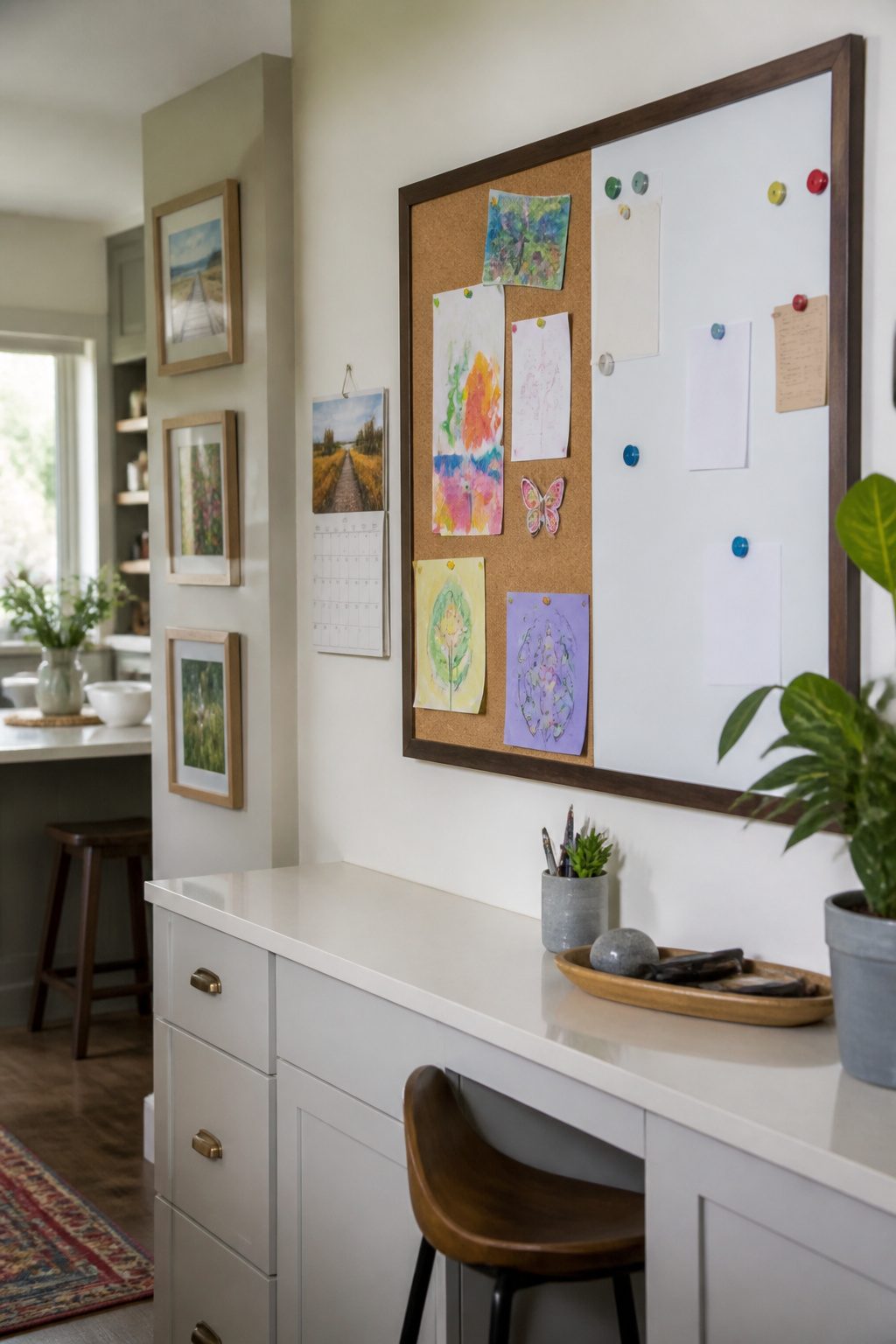
Cork soaks up pushpins like a sponge and never lets go, which is exactly the problem when you need to move something. We switched to a half-cork, half-dry-erase combination board after watching a single permission slip migrate through four layers of outdated reminders before anyone found it. The magnetic side grabs the paper that actually matters this week; the cork handles the school artwork and the word-of-the-week quote.
Fabric memo boards with ribbon grids look softer on a kitchen wall, but the tension clips fatigue fast if you reload them daily. For a command center that sees real traffic, magnetic wins. The mistake we made was mounting ours at adult eye level and forgetting that the kids who needed to check it could not reach it. Lower it eighteen inches and watch it get used.
The purge is the part nobody owns. Old notes and outdated reminders calcify into wallpaper faster than you would think. Set a hard rule: if the date on it is past, it comes down before the new one goes up. The board is not storage; it is a handshake between you and the rest of the family. If the handshake lingers too long, nobody trusts it anymore.

【Hanging Wall Basket】The wall organizer for office has 3 separate wall baskets, which are great for sorting files, documents, magazines, mail, notebooks, books and so much more. And you also use a command center wall organization and kitchen organization.

Holds bills, letters, coupons, etc.

Mail Organizer Wall Mount: The mail holder sits perfectly on your counter or is hung on the wall. Upgrade your home office or entryway with this Farmhouse basket for mail and bills, Its sleek and simple design complements any decor
8. Meal Planning Board
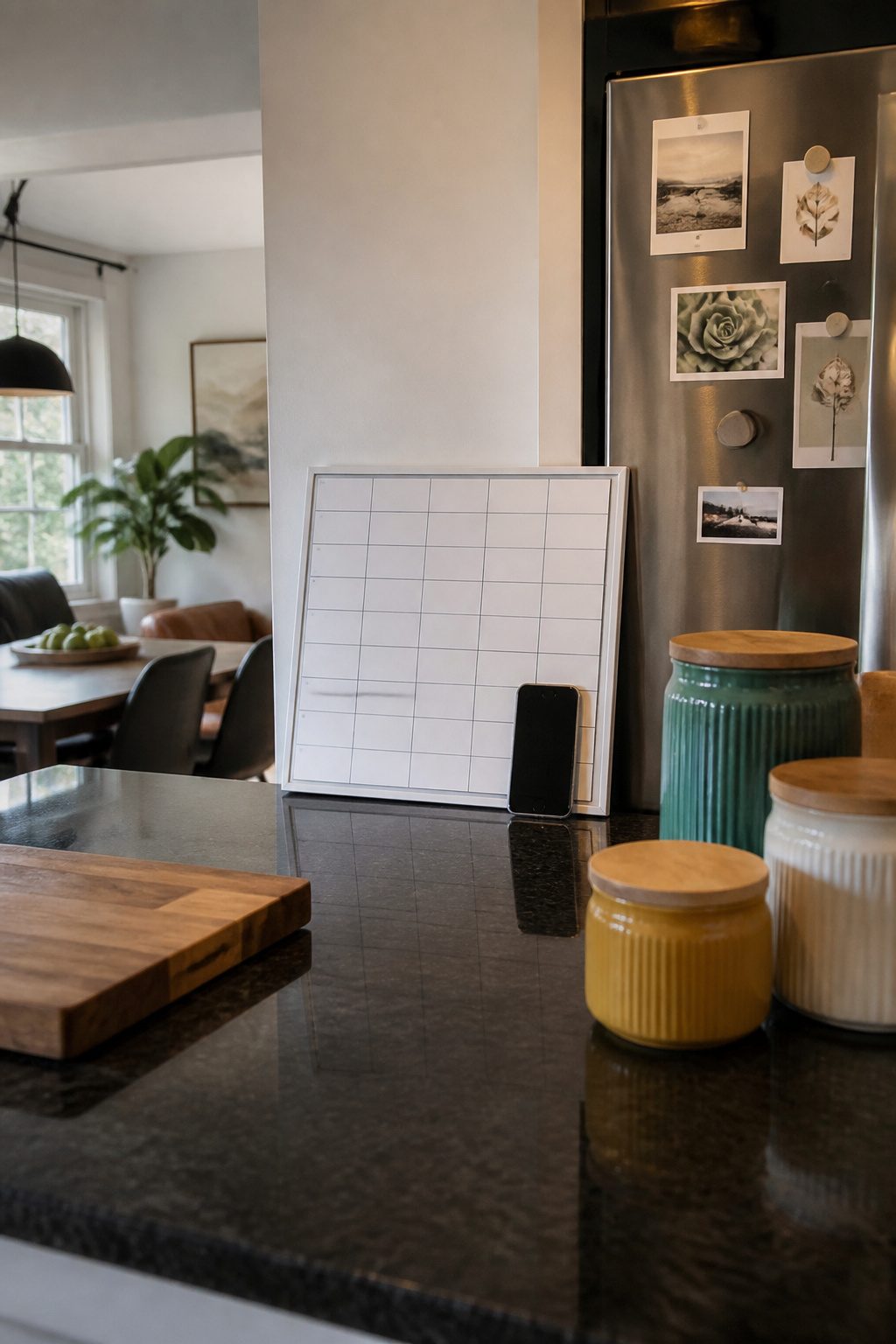
We added the meal planning board last, thinking we already had the important parts covered. That was backward. It saved us more money in two months than any other piece of the command center, mostly by stopping the impulse trips for "one thing" that ended up as four bags.
We tried a few formats before one stuck. The monthly calendar view looked tidy but we never filled it ahead of time. What worked was a simple weekly grid: seven days across, three rows down for breakfast, lunch, dinner. No separate grocery list panel; we just snap a phone photo of the board before we leave for the store. That single step cut the duplicate work we were doing when the calendar and the meal plan lived in different spots.
The connection to the family calendar is loose but enough. We write the evening meals on both, using the same shorthand. Anyone checking the schedule sees that Tuesday is slow-cooker night and plans around it. The board itself is nothing special, just a piece of laminated grid paper we replace every few months when it gets too stained to wipe clean.

Package Includes: this pack includes 6 pieces of wall mounted file organizer, each with 2 seamless nails for easy installation; Measuring 10.24 x 9.84 x 2.76 inches/ 26 x 25 x 7 cm, they are suitable for organizing magazines, books, files and brochures in living room, bedroom, office and classroom, meeting multi scene storage needs

Stylish Design - Gold wall organizer adds a touch of elegance to your workspace, making it the perfect file organizer for women. It not only keeps your office tidy but also adds a pop of color to your surroundings
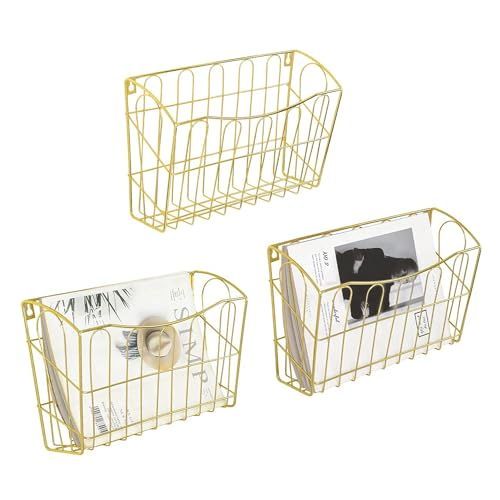
Premium Three-Piece Set: This 3-pack gold wall file organizer features premium metal construction with electroplating finish, no assembly required. Its curved pocket and U-shaped grid design easily holds hanging file folders, A4 papers, and magazines, perfect for wall storage in home and office
9. File Organizer
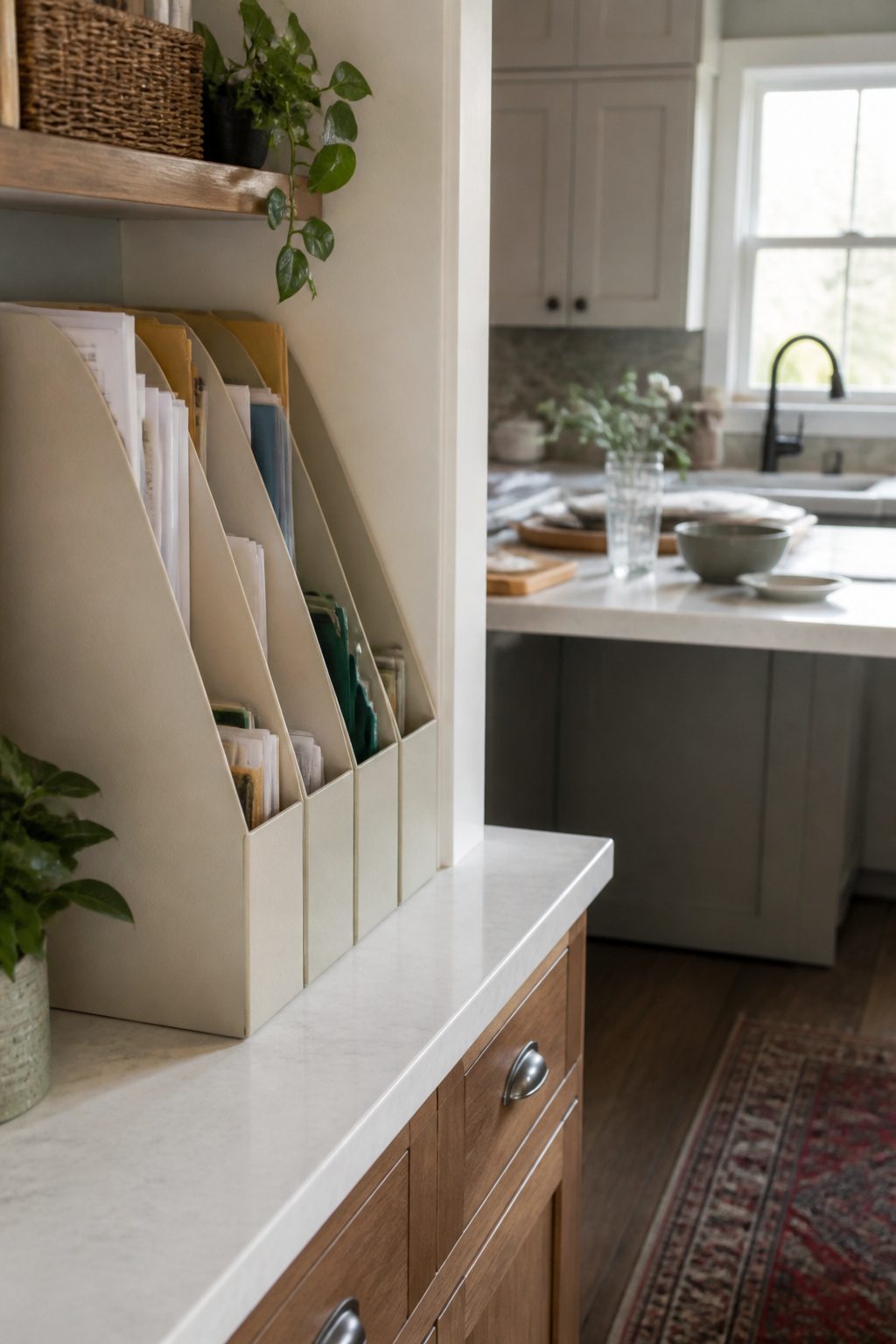
The file organizer in a family command center is not a second home office. We keep tax returns and mortgage papers in the desk drawer; the command center handles the active stack. Permission slips, medical forms waiting for a signature, the warranty card you have three weeks to mail: these are what live here.
We started with an accordion file, the thirteen-pocket kind with the elastic band. It was full by October. The pockets bulged, the labels peeled, and finding the field-trip form meant unclasping the whole thing on the kitchen counter while the coffee got cold. Three months was the lifespan. After that, we needed slots we could see into without opening.
What matters for a family is fewer categories than you’d think. We use five: school, medical, house, money, and one labeled "this week" for anything with a deadline. Each is a vertical magazine file on a shelf above the mail slot. Paper goes up, gets acted on, gets filed or tossed. The "this week" slot gets emptied every Sunday night; if something is still in it, we missed a deadline and we know it.
A home office filing cabinet rewards perfection: alphabetized, archived, complete. The command center rewards speed. The best system is the one that lets you drop a paper in without stopping to sort it, because you will not stop to sort it at 7:42 on a Tuesday morning.

Upgraded Wall Organizer - This wall key holder features multiple hooks for keys, leashes, or purses. Includes 2 storage cupboards for wallets or sunglasses and a mail slot for sorting bills, letters, or magazines. Perfect all-in-one organizer.

Upgraded Wall Organizer - This wall key holder features multiple hooks for keys, leashes, or purses. Includes 2 storage cupboards for wallets or sunglasses and a mail slot for sorting bills, letters, or magazines. Perfect all-in-one organizer.

ORGANIZED ENTRYWAY DROP ZONE: This mail and key organizer for wall keeps letters, keys, notes, and daily essentials in one easy-to-see spot, helping reduce clutter on counters, tables, and entryway surfaces
10. Dry Erase or Chalkboard
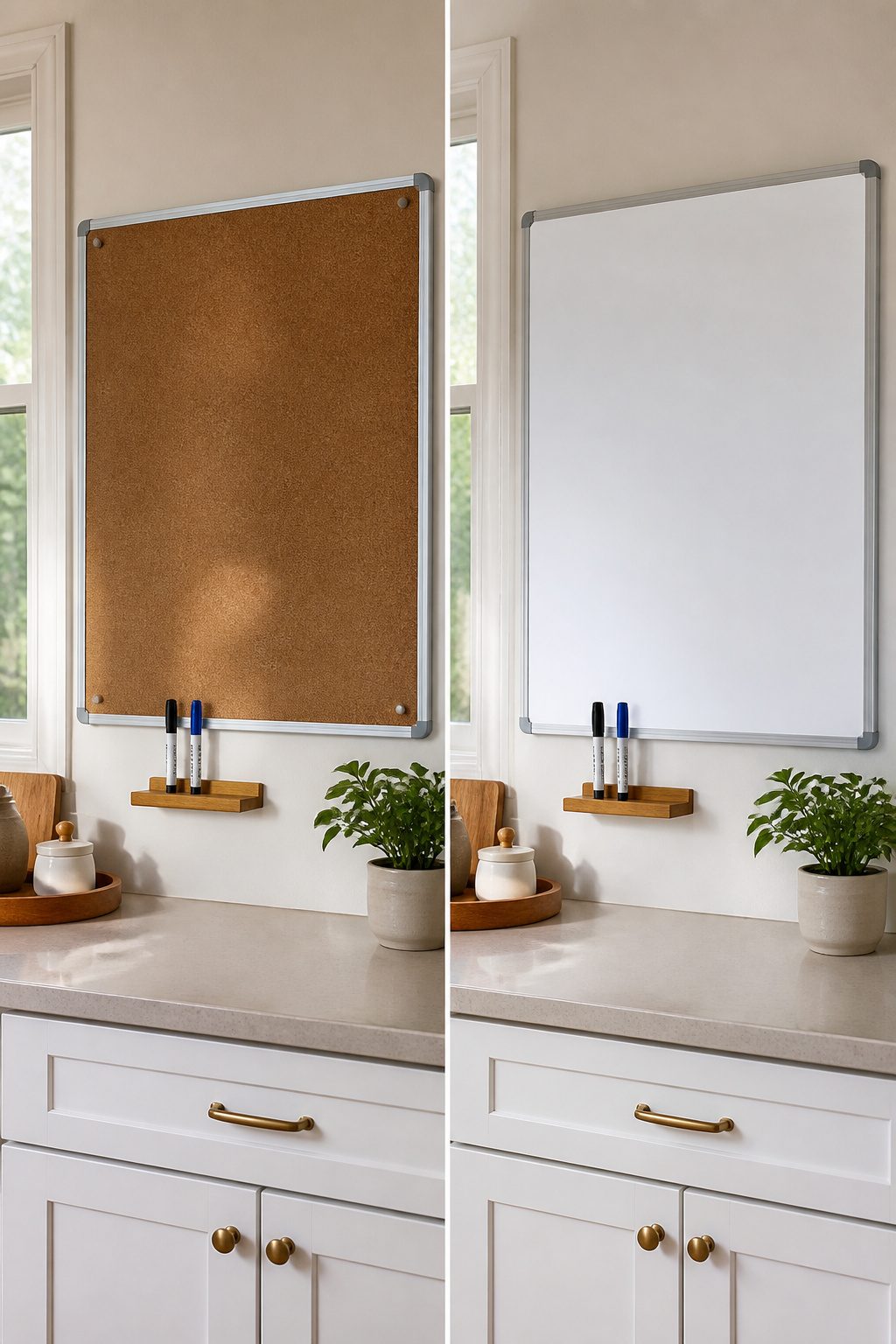
Chalkboard paint looks like a shortcut, and we tried it twice. The first wall, in a narrow hallway, stayed usable for about six months before the surface dulled and every swipe of a rag left gray smears. The second attempt, a framed rectangle in the kitchen, held up better because we used a real primer base and kept it out of direct sun, but it still needs re-coating every year or two. A mounted board, acrylic or porcelain, costs more upfront but erases clean after three years of daily use. We keep ours at eye level when standing, not seated, which matters more than we expected; a board hung over a desk gets buried behind mail and chargers.
For dry erase, the marker color is the real test. Black and dark blue read from across a room. Red, green, and anything pastel fade into decorative noise by week two. We color-code by person on a printed calendar beside the board, not on the board itself, because four colors of marker on white acrylic turn into mud faster than you’d think.

▶High Quality. The wall file organizer is made of Melamine board, wear-resistant, sturdy and durable, strong load-bearing, suitable for many years and withstand lots of use
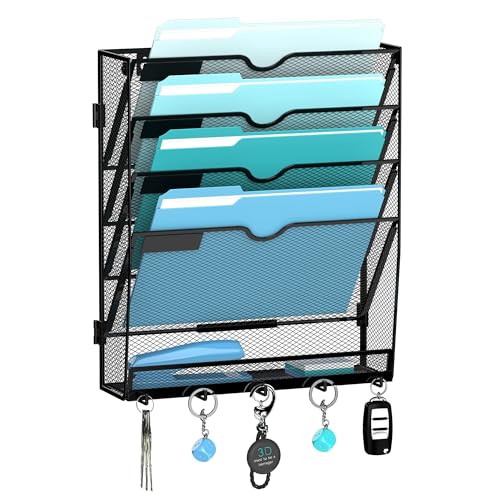
5-Tier Mail and File Sorting: Five separate slots help organize incoming mail, bills, folders, and work papers by person, project, or priority, turning scattered paperwork into a clear system for faster daily handling at home or work.
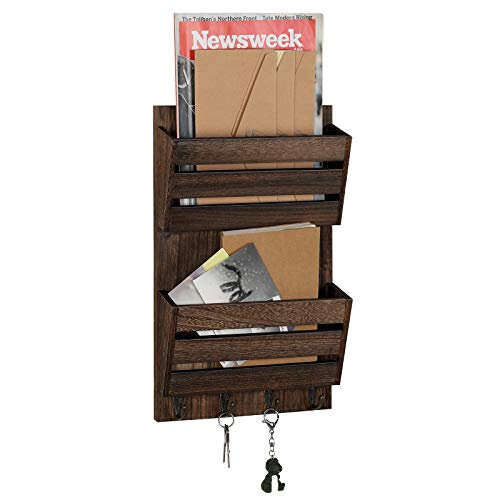
【RUSTIC MAIL KEY ORGANIZER】 This vintage wall mail organizer made of high-quality and solid paulownia wood, with a stylish brown finished, it can be used for many years, 4 metal hooks will make sure that you don't have to waste time looking for keys again.
What a Command Center Actually Does
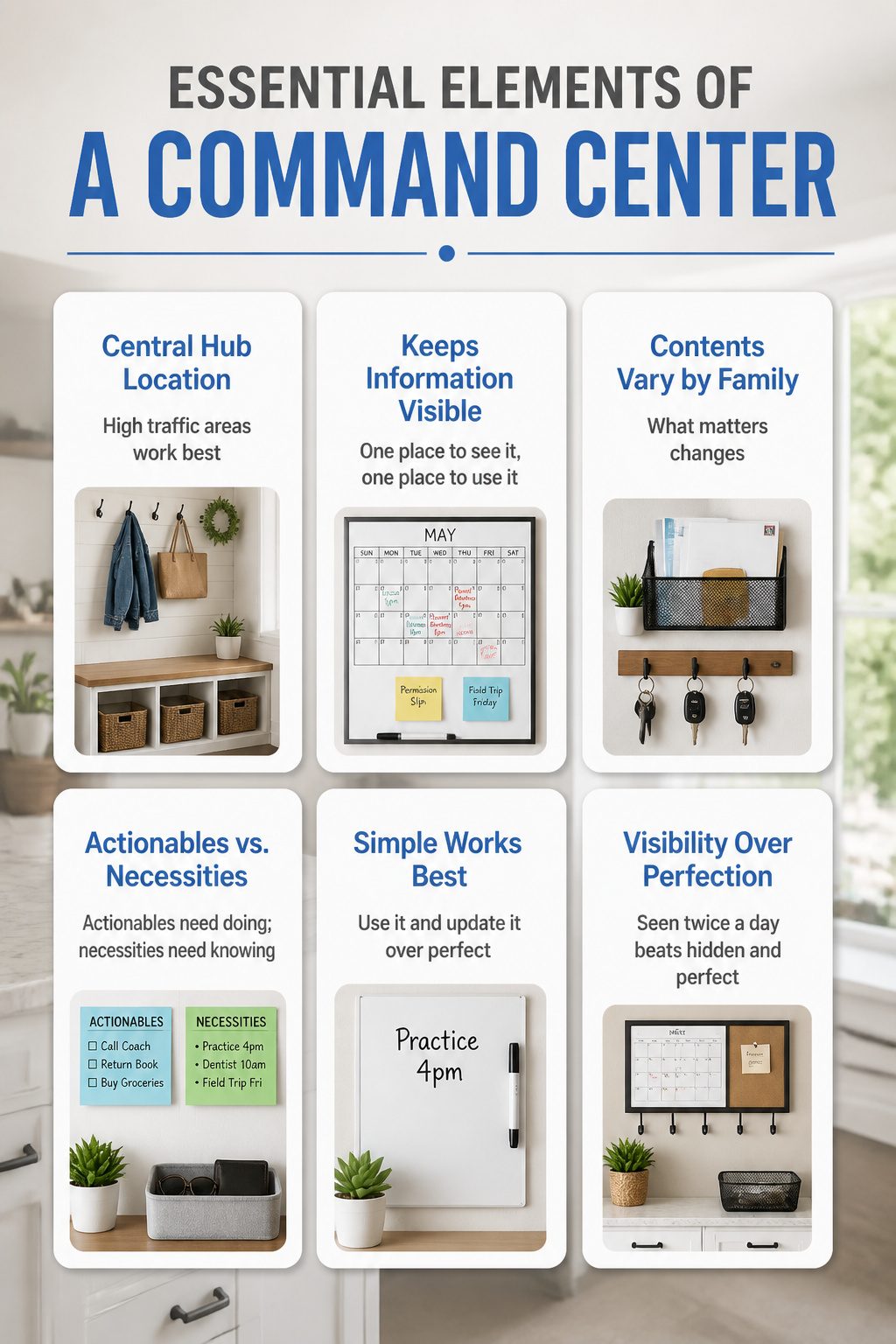
A family command center is basically a spot in your home, preferably with a fair amount of wall space, that you designate as the central hub to organize all the things. We have seen it work best in a highly trafficked area: the kitchen or mudroom where people already pass through, not a tucked-away corner you forget exists.
The purpose is to keep essential information visible so it actually gets used. A shared family calendar, incoming mail, permission slips, to-do lists, keys, the random stuff that otherwise clutters your kitchen countertop. One place to drop it, one place to find it.
What goes inside varies by family. We think in two buckets: actionables and necessities. Actionables need doing; necessities need knowing. The calendar matters more than the frame around it. A dry erase board you actually update beats a chalkboard you keep pristine. Perfection is the enemy here; visibility is the point. If everyone walks past it twice a day, the system works. If it is pretty but hidden, it is just decor.
Where to Put It
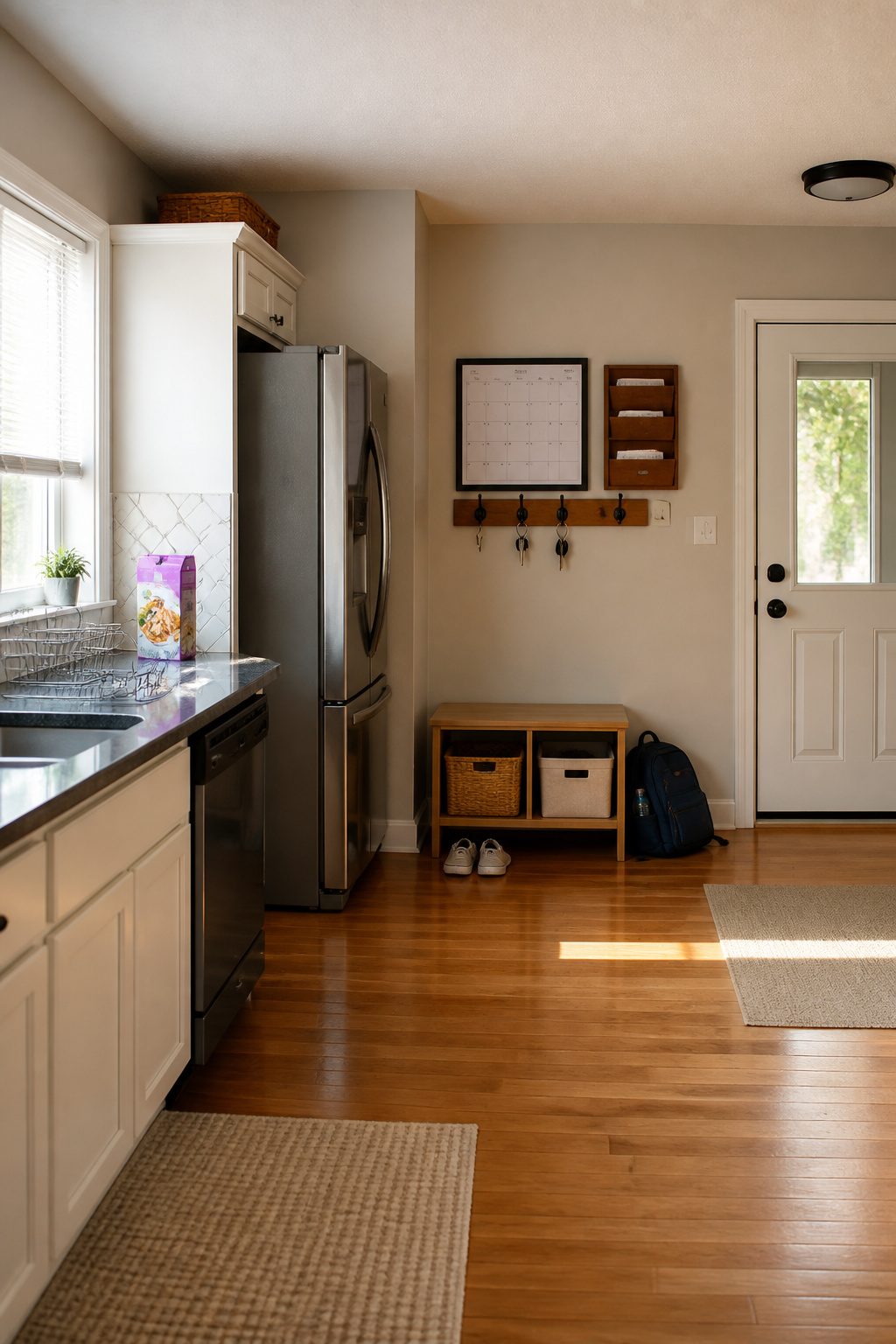
Most guides tell you to park a family command center where traffic is heaviest: the kitchen, the entryway, or the mudroom. We tried the entryway first. It had a built-in nook that looked purpose-made, with a small bench and just enough wall space for a calendar and a few hooks. Within two weeks it became a dead zone. The mail piled up, the calendar stayed on November, and the only person who touched it was the one who already knew where her keys were.
The problem was foot traffic without stopping. Our family blew through the entryway on the way to somewhere else. No one opened a laptop there, no one checked a schedule against the fridge contents, no one stood still long enough to register a reminder. A command center needs a pause built into the path, not just eyes on the wall.
We moved the whole setup six feet into the kitchen, beside the refrigerator and the door to the garage. Same household, same habits, different result. The kitchen forced a natural stop: coffee in the morning, lunch packing, the 6 p.m. "what’s for dinner" standstill. The calendar got checked because people were already standing there waiting for the toaster. The mail got sorted because the trash drawer was two steps away.
If your mudroom is where you actually pause to kick off boots and unpack a backpack, it wins. If your hallway is a corridor you sprint through, it loses. The spot that works is the one where your family’s feet already stop, not the one where you wish they would.
Building for Your Family
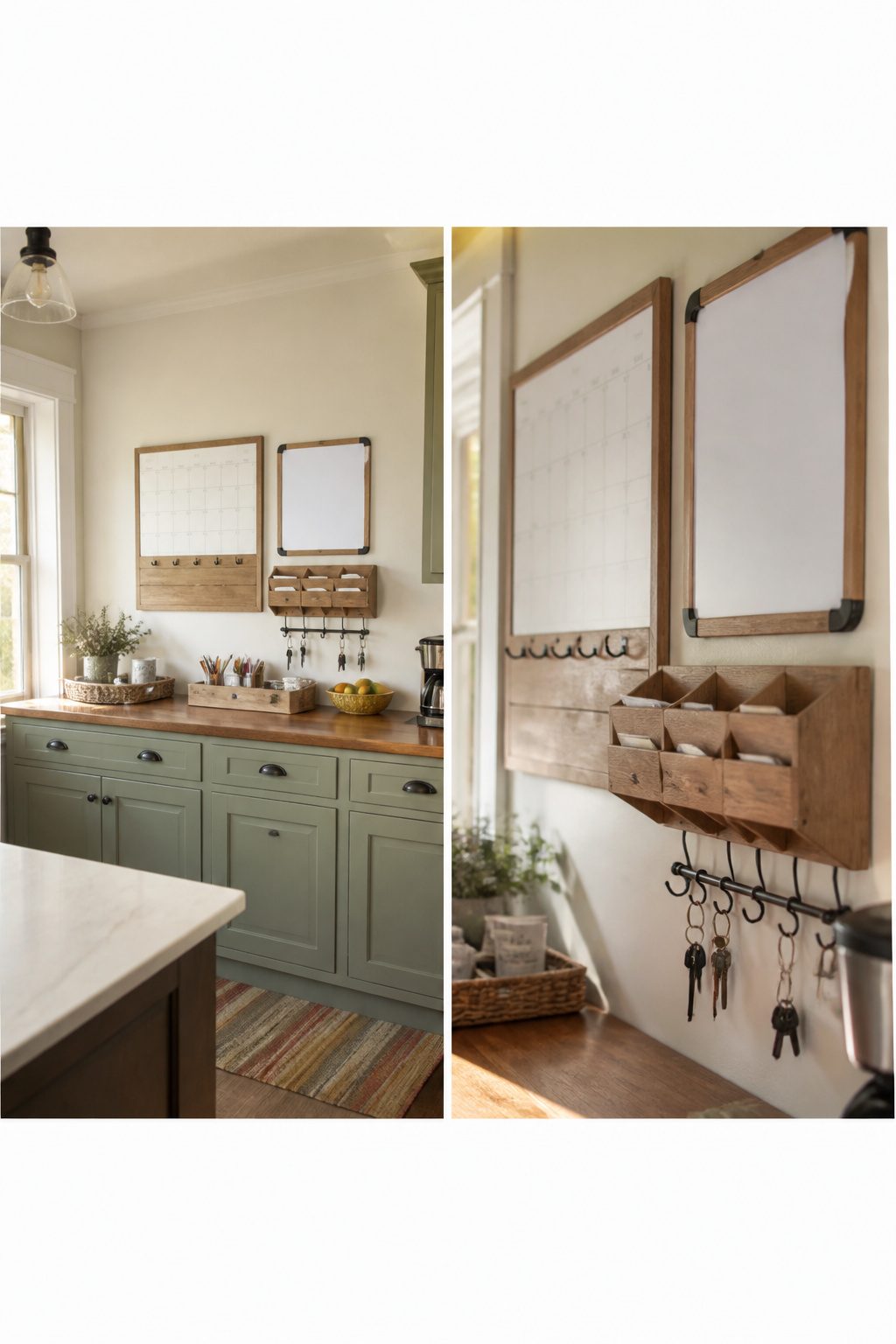
We started our family command center with a Pinterest board that sprawled across an entire hallway wall: calendar, mail sorter, chore charts, corkboard, the works. Within two months, half of it sat empty. The mail slots filled with junk we never sorted, and the chore chart became wallpaper nobody acknowledged. We tore it down to a four-foot stretch of kitchen wall and rebuilt from what we actually used.
The calendar stayed. So did a single slot for incoming papers, because bills still need a landing zone. We added a small dry-erase board later, not for menus but for the one-off reminders that used to live on sticky notes lost to the couch. The corkboard and second mail tier never came back. Neither did the color-coded chore system; a simple list on the whiteboard gets updated and actually read.
What stayed grew from watching our morning, not a template. If nobody in your house cooks from a weekly menu, that chalkboard is dead space. If keys drop by the garage door, hooks there beat hooks in a command center nobody passes through. Build what your family already does, then give it a wall.
Keeping It Alive
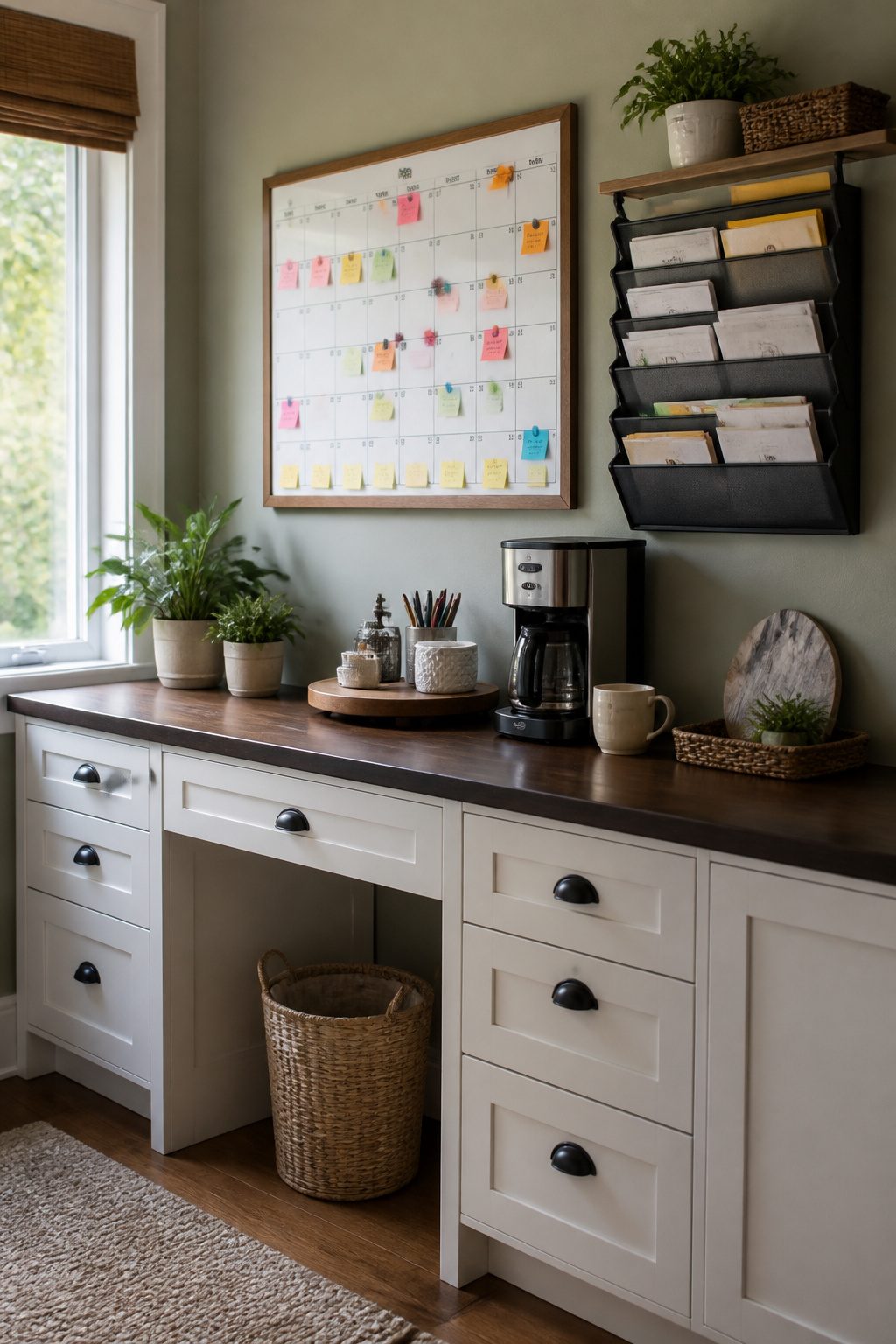
A command center dies the week nobody touches it. We learned that after our first attempt, a Sunday evening reset that sounded responsible but never stuck. The calendar stayed on January until April, the mail sorter filled to the point where "sorting" meant shuffling the pile, and the whole wall became a staging area for clutter we meant to deal with later. The maintenance has to be short enough that you will actually do it. We now spend about fifteen minutes on Sunday evening updating the calendar and clearing the mail sorter, not because the system demands it but because the system collapses without it. Clutter does not announce itself; it accumulates while you are busy with something more urgent, and by the time you notice, the command center is just another surface to clear.
Frequently Asked Questions
What is a family command center?
A family command center is a designated wall space in your home, usually in the kitchen or mudroom, that serves as a central hub for organizing schedules, tasks, and incoming items. It keeps essential information visible so it actually gets used, rather than letting clutter take over your kitchen countertop.
How do I set up a command center for my family?
Start by choosing a spot where your family already pauses, not just passes through; for most families, that means the kitchen near the fridge and garage door, not the entryway. Build with what you actually use: a calendar, one incoming paper slot, and a small dry-erase board for reminders, then add only what proves necessary after a month of living with it.
Where should a command center go?
The best location is wherever your family’s feet already stop, such as the kitchen or a mudroom where you kick off boots and unpack bags. Entryways often fail because people blow through them without pausing; the kitchen wins because coffee, lunch packing, and the dinner question force natural stops.
What should be included in a family command center?
Every command center needs a shared family calendar and a landing zone for incoming mail or papers; most families also benefit from hooks for keys and bags, a small dry-erase board for reminders, and a charging station. Build around two buckets: actionables that need doing and necessities that need knowing, then strip anything that sits unused after two months.