A baby registry is a curated list of items expectant parents share with friends and family who want to help prepare for the newborn’s arrival.
The catch is that most guides overload you with products you’ll barely touch while skipping the ones you’ll scramble to buy at midnight with a three-day-old in your arms.
We built this checklist from actual use: two parents, two babies, and the hard-won knowledge that a $30 diaper pail with a foot pedal outranks half the nursery furniture.
[link-whisper-related-posts]Crib and Bassinet
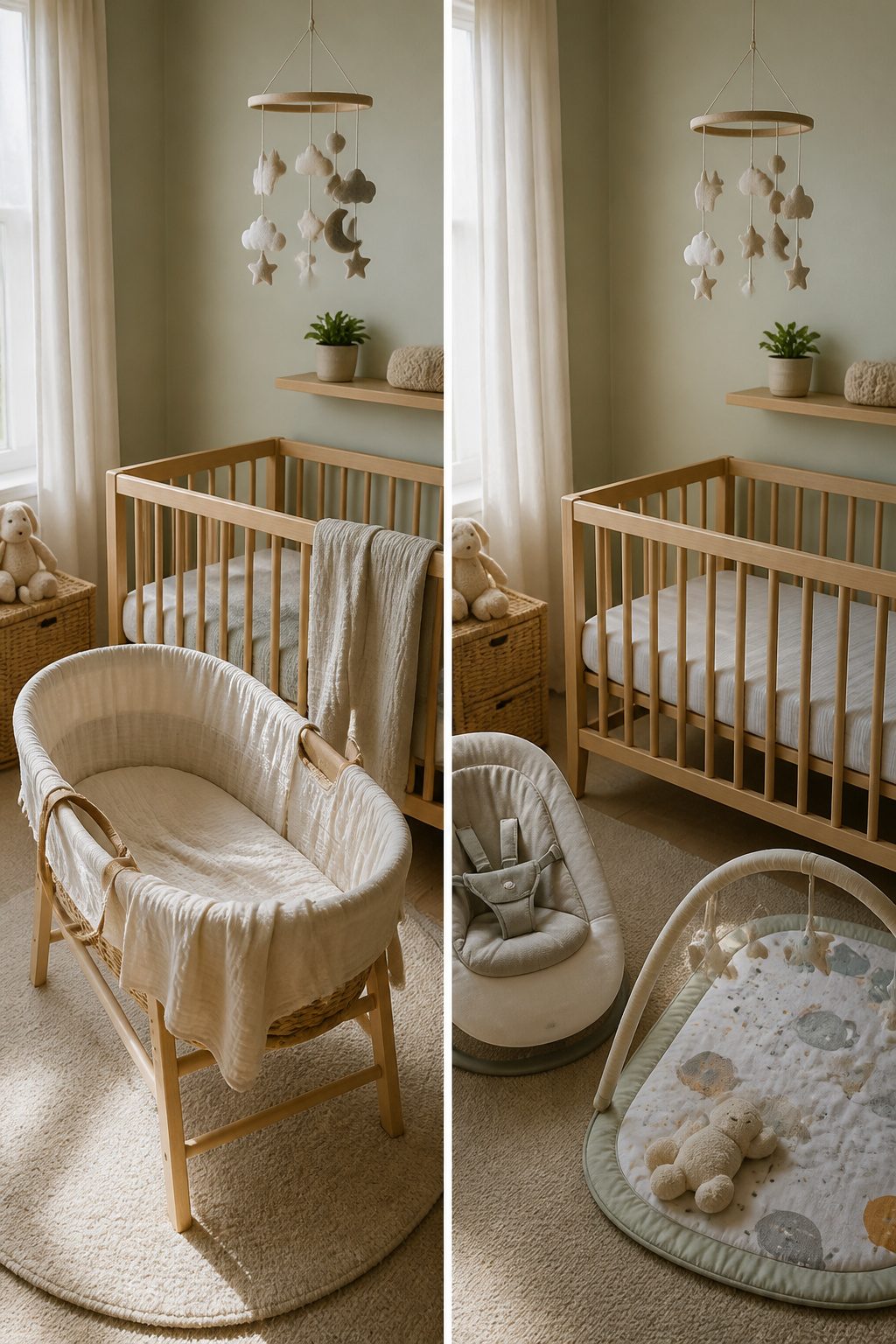
Every registry list we have seen starts with two sleep surfaces, not one.
A bassinet keeps the baby within arm’s reach for those first few months, when you are feeding every two to three hours and standing up to walk across a room feels like a project.
The crib comes later, and it is the long-term buy.
The mattress matters as much as the frame. A firm crib mattress is non-negotiable; soft surfaces are not safe for infants who cannot yet lift or turn themselves.
Look for the labels "crib," "bassinet," "portable crib," or "play yard" on anything you register for. That wording means the product cleared the standards set by the American Academy of Pediatrics and the Consumer Product Safety Commission.
We learned the hard way that the transition timing trips people up. Most families use the bassinet until somewhere between four and six months, or whenever the baby pushes up on hands and knees.
At that point the crib takes over, and it stays in use for years. Register for both up front so you are not scrambling with a three-day-old newborn and a credit card at midnight.

Perfect fit: Compatible with Arm's Reach Co-Sleeper Bassinet
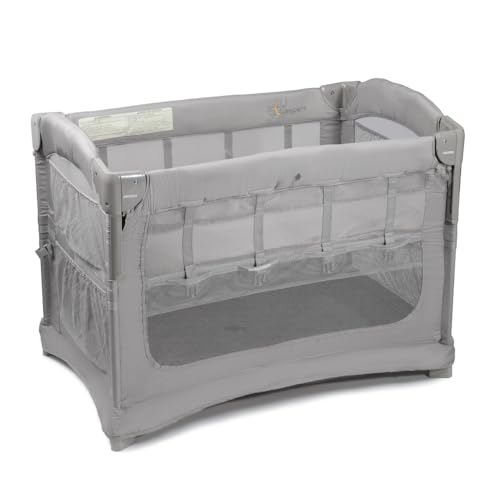
Versatile 3-in-1 Design: The Arm's Reach Ideal Ezee 3-In-1 Co-Sleeper Bassinet functions as a bedside sleeper, freestanding bassinet, or play yard. This flexible baby bed sleeper grows with your child, making it a vital addition to any nursery setup

_ SO SO SO SOFT � ONLY YOUR HUGS ARE SOFTER than our bassinet sheets. Crafted from 100% Jersey Cotton in SERENITY INSPIRING designs, these are the Premium Boutique sleeper sheets to get if you value baby sheets that retain their SOFTNESS, STRETCH & ADORABLE PATTERN thru every WASH. (Machine Wash, Tumble Dry)
Changing Table and Pad
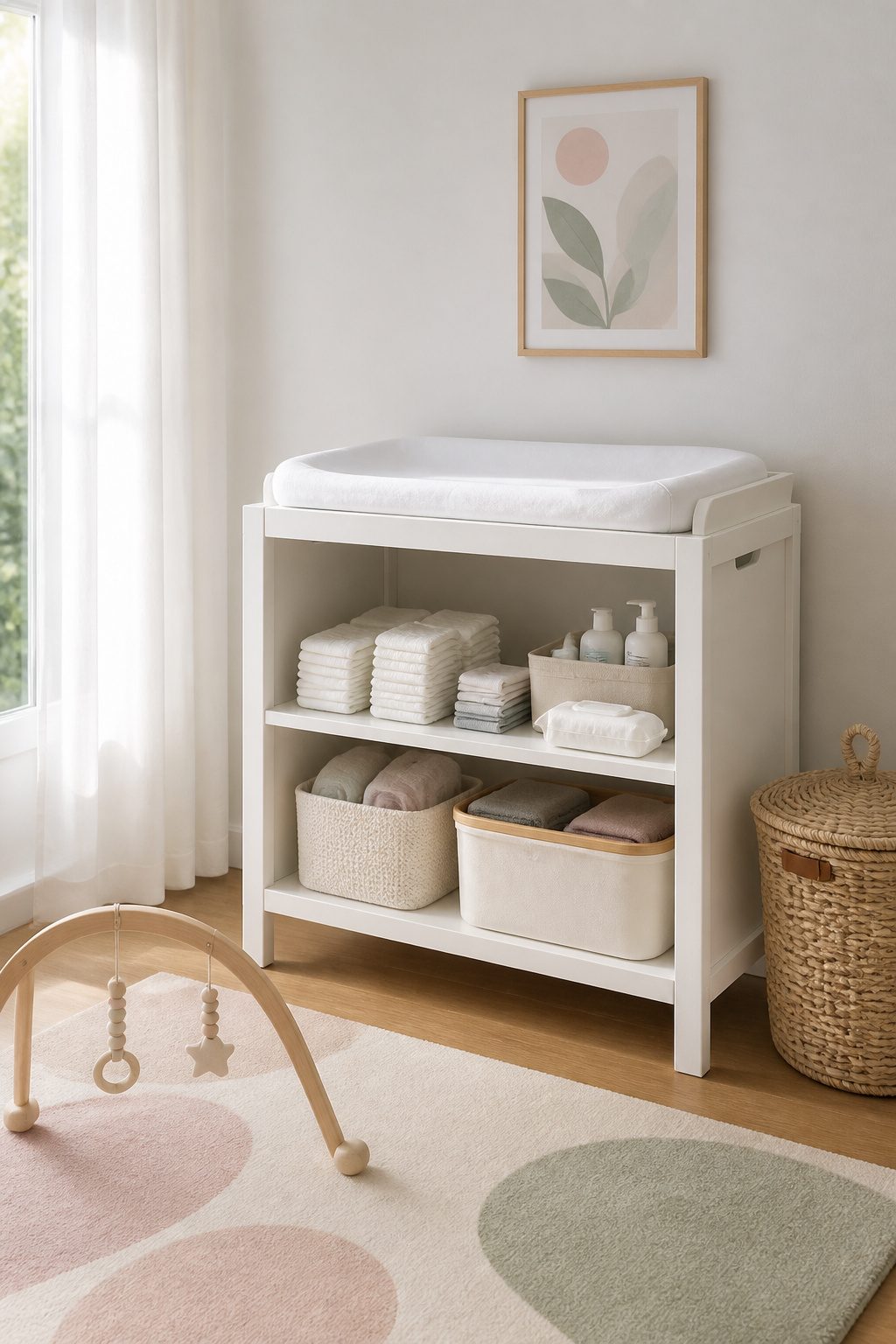
We bought a changing table on impulse because the nursery had a spare corner, and it turned out to be the piece we used most after the crib.
A full-height table with a contoured pad saves your back during the two dozen or so changes a day those first months demand, and the shelf underneath is where we kept diapers, wipes, and the cream we reached for every time.
The pad itself is the part that matters; the table is mostly a stable surface at a height that does not require bending to the floor.
A portable changing pad has its place, but that place is the living room, the car, or a relative’s house. We kept one in the diaper bag for emergencies, and used it maybe twice a week.
At home, spreading a thin pad on a bed or the floor works in a pinch, but you are kneeling or hunching, and a newborn is surprisingly hard to change one-handed while you balance.
The full table let us keep both hands on the baby and both eyes on the mess, which is worth the floor space if you have it.

MEDICAL-GRADE WATERPROOF PROTECTION: Designed for safe sleep, this firm crib mattress features a medical-grade waterproof cover that helps block moisture, stains, spills, and odors. Easy-clean surface creates a hygienic sleep space and supports a fresh, dry environment for babies and toddlers.
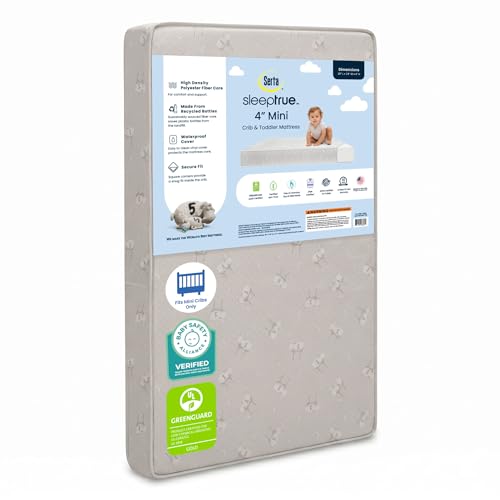
FITS MOST MINI & PORTABLE CRIBS: This crib mattress fits most mini cribs and portable cribs; mattress measures 38"L x 24"W x 4"H (not designed for standard cribs or pack 'n plays) | Measure your crib first to ensure a perfect fit.General Note: Please allow 24 - 72 hours for your Mattress to regain its full shape. Any memory foam will expand faster in a warmer room. In cold temperature, at delivery, your mattress may take a bit longer to return to full sized from its compressed state.The expansion time of the mattress will vary as per the surrounding

DESIGNED FOR DEEPER, SAFER SLEEP. Because your baby’s comfort is more than just rest. It’s development, bonding, and peace of mind from the very first night. The Little Dreamer crib mattress promotes healthy sleep with a hypoallergenic cover and supportive materials designed to cradle your infant securely.
Diaper Pail
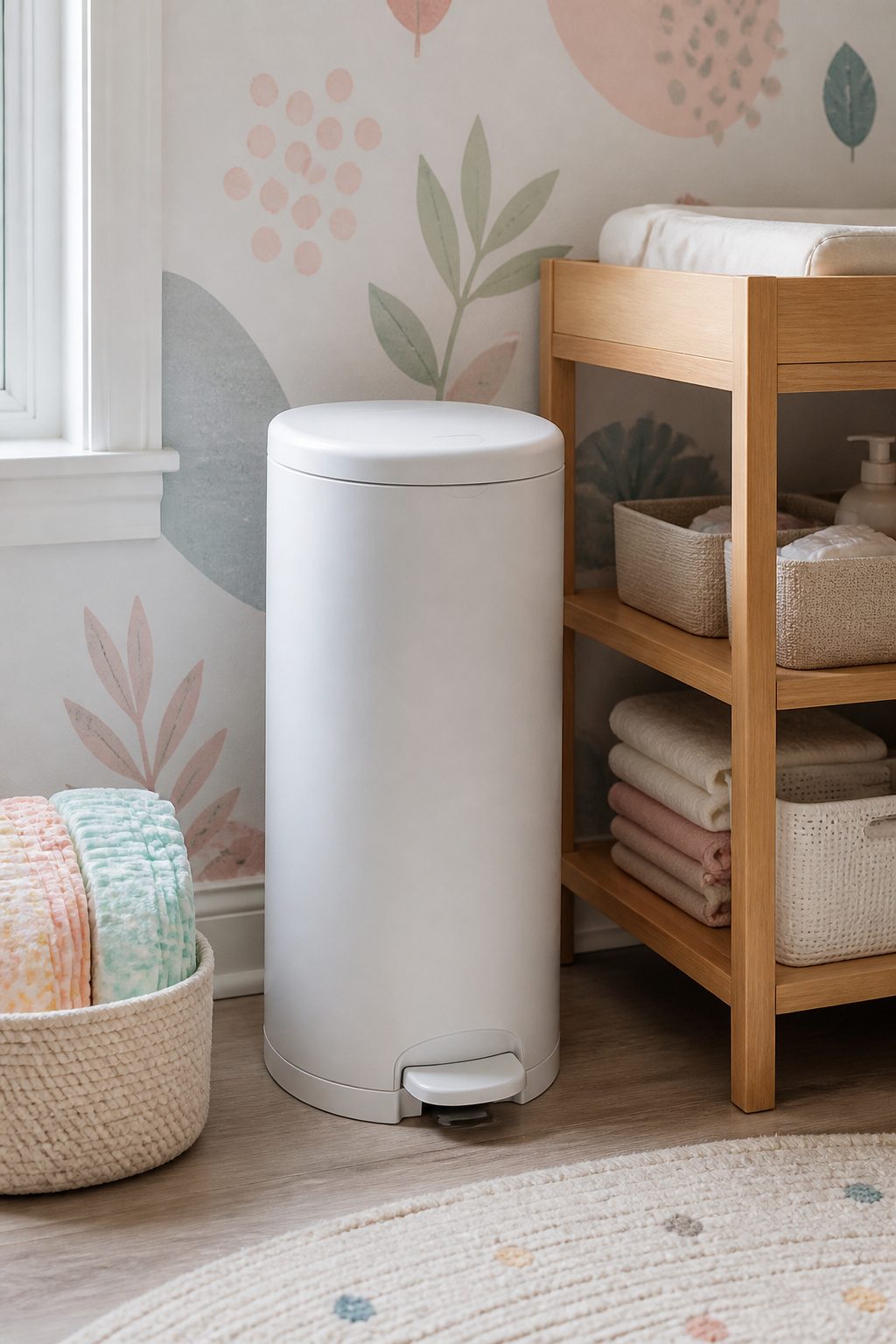
We almost left the diaper pail off our first registry, figuring a regular trash can with a lid would do the same job for less.
That changed after we watched a friend empty her kitchen garbage twice in one morning just to keep the nursery from smelling like a landfill.
A dedicated pail seals differently. The ones that work use a layered trap: a tight lid, a bag that twists shut between deposits, and charcoal or baking soda filters that actually absorb rather than mask.
In real use, most parents empty ours every two to three days with a newborn, sometimes stretching to four once the baby is past the meconium stage and onto fewer daily changes. The foot pedal matters more than we expected.
You will have a dirty diaper in one hand and a baby in the other more often than you think, and fumbling with a lid you have to lift manually gets old by day three.
Odor escapes only when you open it to drop another diaper in; the rest of the time, the room smells like a room, not a changing station. That alone justified the registry slot and the thirty-odd dollars it cost.

General Note: Please allow 24 - 72 hours for your Mattress to regain its full shape. Any memory foam will expand faster in a warmer room. In cold temperature, at delivery, your mattress may take a bit longer to return to full sized from its compressed state.The expansion time of the mattress will vary as per the surrounding.
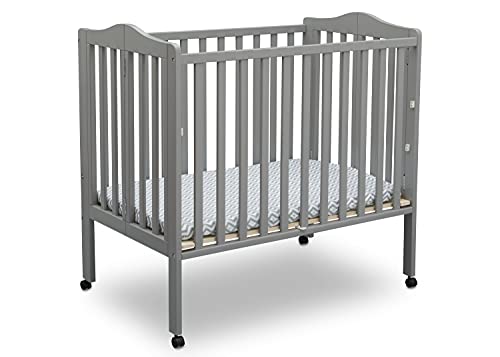
GREAT CRIB FOR SMALL SPACES OR TRAVEL: Crib includes casters for easy mobility; Folds flat for easy travel and storage; The included mattress (size: 37.5 Inches L x 23.25 Inches D x 1.5 Inches ) stores right in the crib when folded
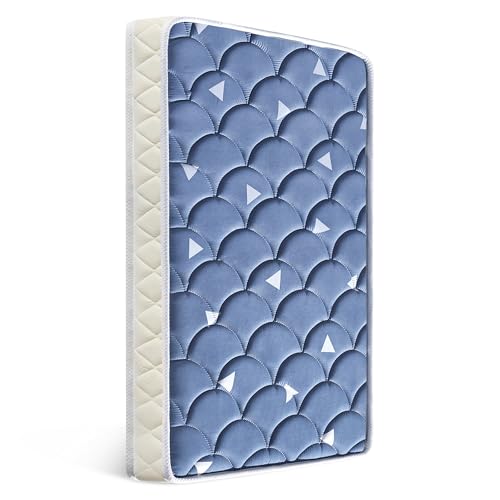
Material: Mini Crib Mattress upgraded to 4-inch thickness, Thickened high-quality high-density foam and soft breathable fabric give Mini Crib Mattress better support and comfort , Make babies sleep safer and more comfortably
Bottles
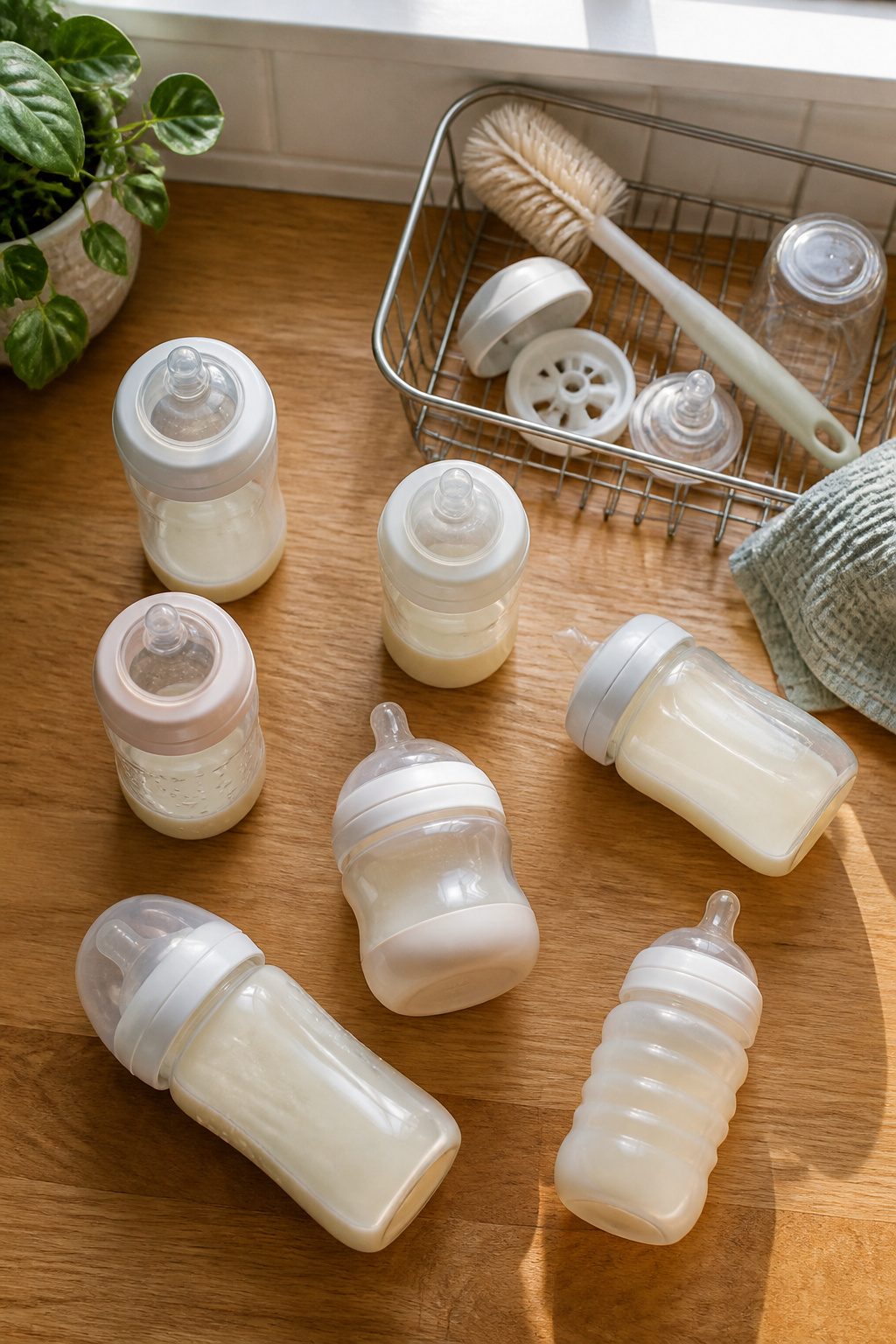
We registered for Dr. Brown’s, Avent, and Comotomo bottles before our baby arrived, figuring 2-3 different types would cover us if one brand flopped.
The gamble paid off. One friend’s daughter was colicky and constipated until they switched to Dr. Brown’s Options+ anti-colic bottles, so that went on our list as insurance.
Another friend used Avent for daycare because the price was right, and we liked that logic for the bottles we’d send out of the house and probably lose.
Comotomo we added mostly because the soft silicone shape looked easier for tiny hands, and we figured it might bridge the gap if breastfeeding went sideways.
What we actually used: Dr. Brown’s for the first three months when gas was constant, then Avent for everything else once his system settled.
The Comotomo sat in the drawer. We also added the bottle brush, drying rack, and warmer to our registry, though we ended up using a bowl of hot water half the time and found warmers free on Facebook Marketplace later.
If you’re mostly bottle-feeding, the warmer is nice; if you’re mixing, skip it and borrow one if the need sticks.

Comfy design: The pad's comfy foam construction provides a sturdy surface that helps distribute weight evenly and deliver pressure point relief

COMFORTABLE FOR BABY: The soft yet firm changing pad provides a comfortable surface for baby during diaper changes.

Comfortable construction: The pad's comfy foam construction provides a sturdy surface that helps distribute weight evenly and deliver pressure point relief
Breast Pump
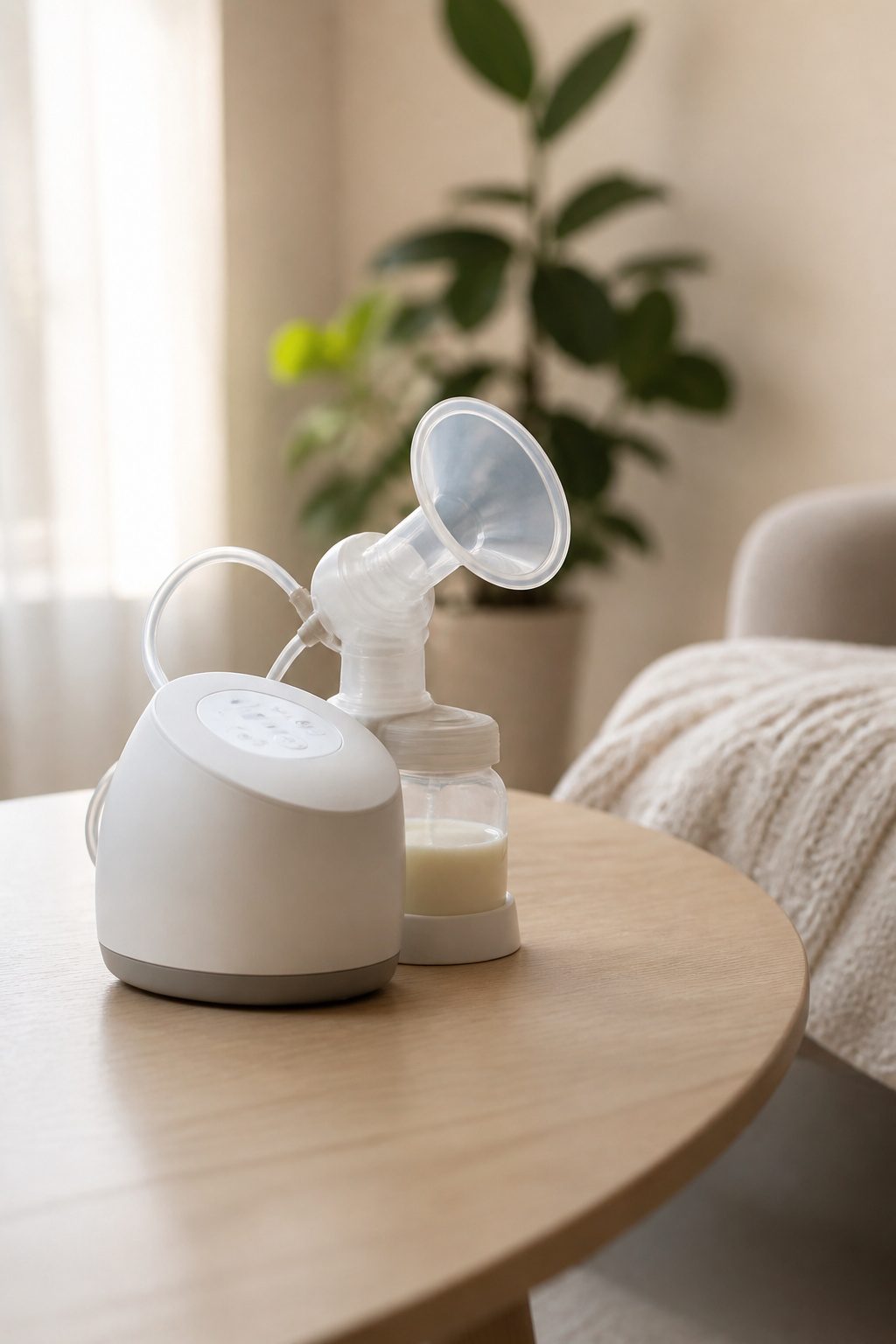
Most insurance plans cover one hospital-grade breast pump per pregnancy, which changes how you think about putting it on a registry at all.
We learned the timing matters: third trimester is when to start the insurance paperwork, not after the birth when you might need the pump within the first few days.
A service like Aeroflow handles the insurance billing and, in our experience, sends monthly reminders for replacement pump parts that insurance also covers. Order in the third trimester so the pump is waiting, not scrambling for it later.
If insurance only covers one pump, the Spectra S1 is the model we would pick. It is hospital-grade, which matters for establishing supply early, and it is portable enough to move around the house.
The parts wear out, so take the replacement program if it is offered; fresh flanges and membranes change how well the pump works more than most people expect.
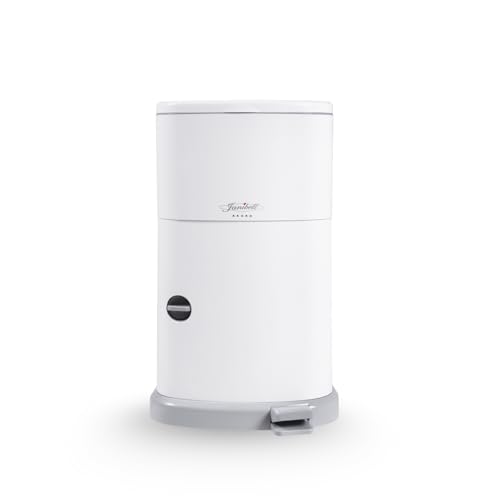
SLIM FIT DESIGN — MEASURE YOUR SPACE FIRST — This compact 7-gallon pail measures 11.8” L x 10.2” W x 20.5” H. Fits beside most standard toilets, but please confirm your available space before ordering. For larger spaces, see our 11-gallon model. Inner lid opening is 5” wide; XL/XXL briefs may need to be folded.

Munchkin STEP Diaper Pail Powered by Arm & Hammer, #1 in Odor Control, Award-Winning, Includes 1 Snap, Seal & Toss Bag, 1 Starter Refill Ring, and 1 PUCK Baking Soda Cartridge

Keep your nursery smelling fresh - our new pail has odor-locking clamps that help prevent odors from escaping for ultimate odor control.
Nursing Pillow
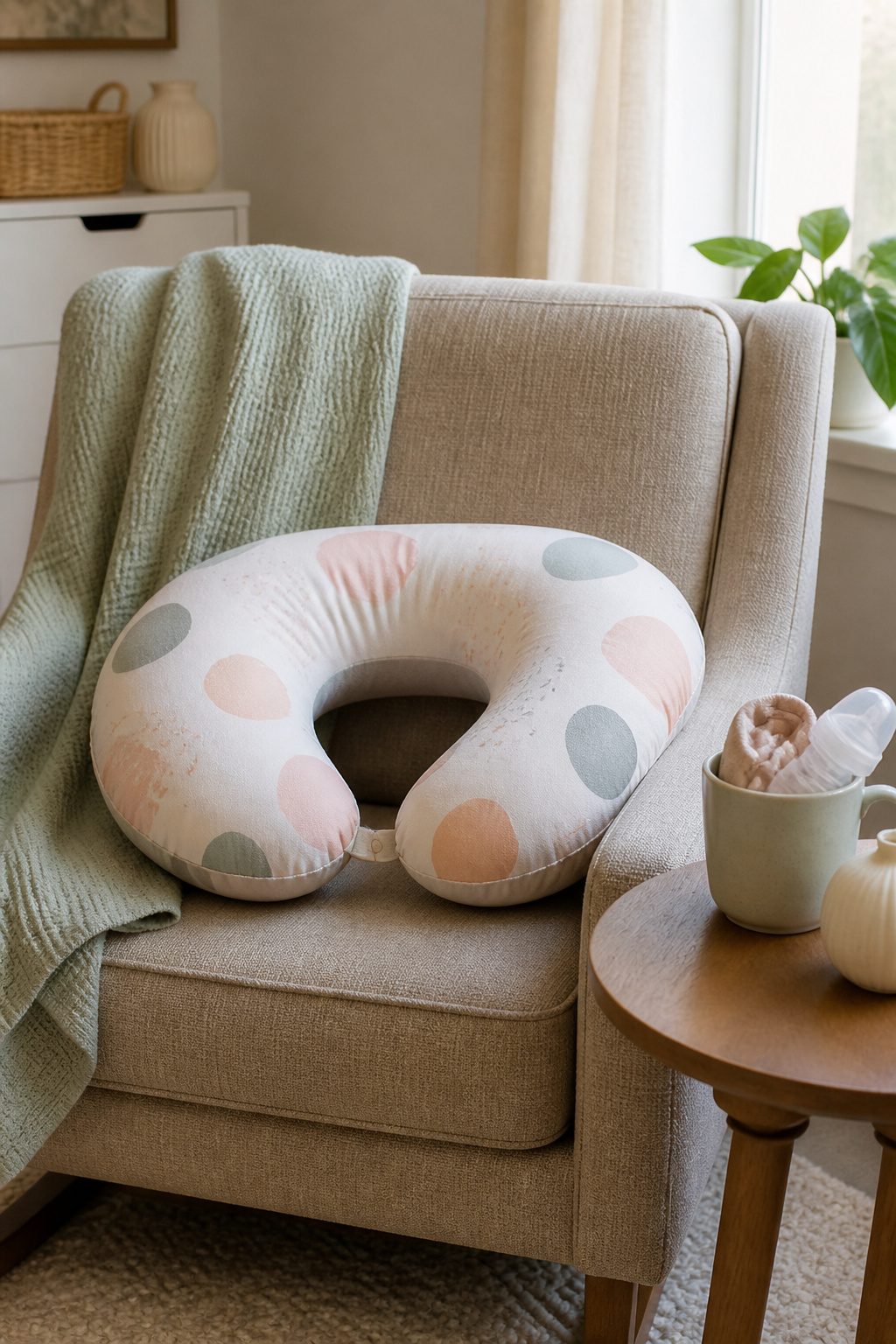
A nursing pillow earns its spot on the registry by doing one job well and then refusing to quit once feeding changes.
The curved shape braces the baby at breast or bottle height so your arms and lower back do not absorb every session.
We figured a standard size would cover it, and we were wrong: the first pillow sat too low against our frame, which meant stacking regular bed pillows underneath to make up the gap.
That defeated the whole point. Size to your own torso, not to the baby, since you are the fixed measurement in that equation.
Once the bottle or nursing phase ends, the same pillow props a seated baby, pads a tummy-time surface, or cushions an adult lap during story time.
The sources list it alongside burp cloths and nursing covers as a feeding staple, but in our reading the real value is that it keeps working after the milk stage is done.

_ SO SO SO SOFT � ONLY YOUR HUGS ARE SOFTER than our bassinet sheets. Crafted from 100% Jersey Cotton in SERENITY INSPIRING designs, these are the Premium Boutique sleeper sheets to get if you value baby sheets that retain their SOFTNESS, STRETCH & ADORABLE PATTERN thru every WASH. (Machine Wash, Tumble Dry)

Keep Baby Close: The Arm's Reach Mini Ezee 2-in-1 Co-SleeperBassinet attaches securely to your bed, ensuring your newborn is always within arm's reach. This bedside sleeper supports safer co-sleeping practices, keeping your baby close and secure

_ SO SO SO SOFT � ONLY YOUR HUGS ARE SOFTER than our bassinet sheets. Crafted from 100% Jersey Cotton in SERENITY INSPIRING designs, these are the Premium Boutique sleeper sheets to get if you value baby sheets that retain their SOFTNESS, STRETCH & ADORABLE PATTERN thru every WASH. (Machine Wash, Tumble Dry)
Burp Cloths
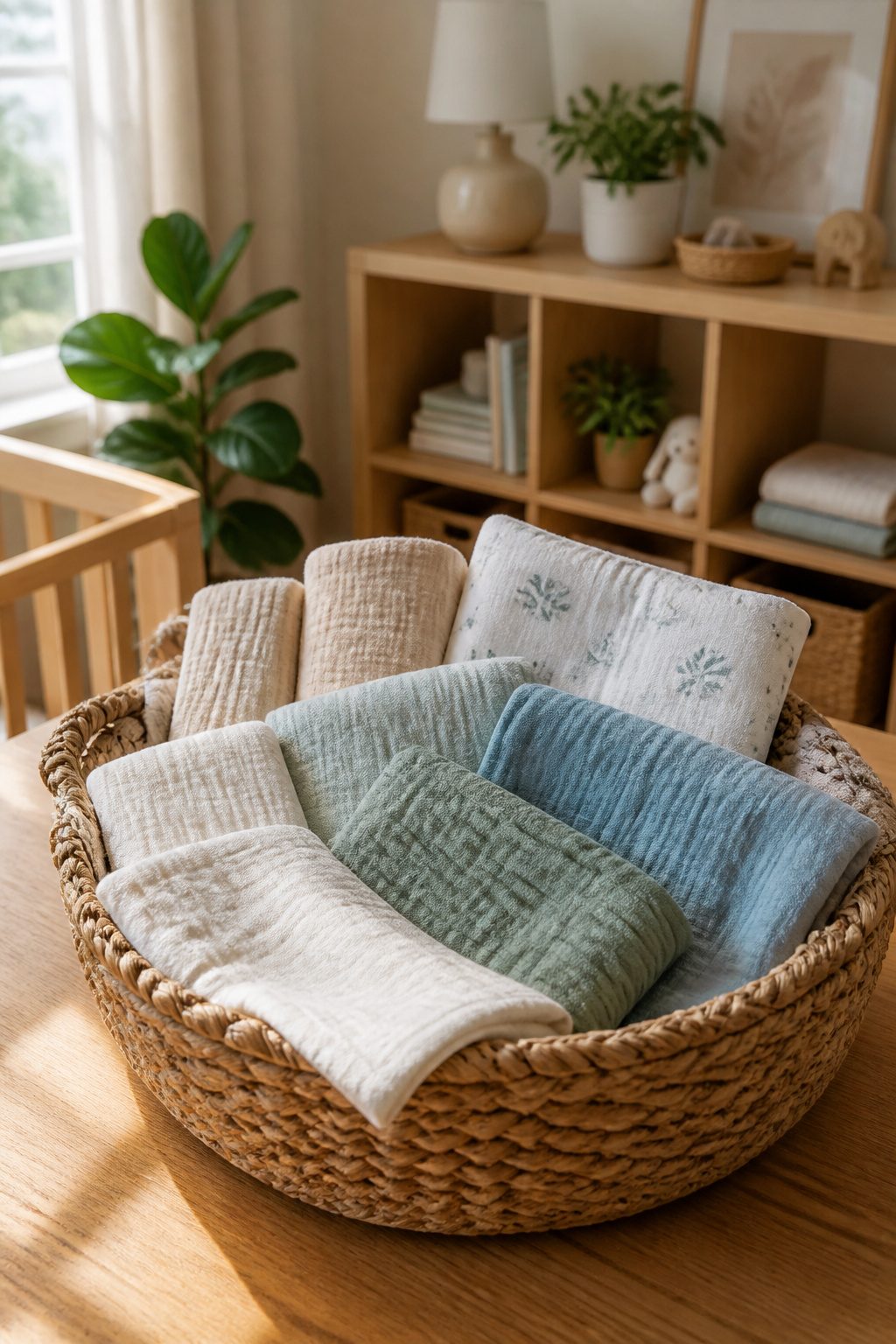
Burp cloths land on every registry list for a reason, but the number you actually need depends heavily on your baby.
One of ours had reflux for the first six months and we burned through five to ten a day; the second barely spit up at all.
We registered for about a dozen and bought more after birth once we knew which camp we were in. Go larger than you think — runny spit-up travels fast, and a small cloth just pushes the mess onto your shoulder.
We kept a stack in the nursery, the living room, and the diaper bag so we were never hunting for one mid-feed.
Muslin held up best through repeated washes; cheaper brands let liquid roll right off onto you or the baby.
Gerber cloth diapers worked fine at home, but out of the house we reached for big muslin swaddles that actually protected our clothes and whoever was holding her.
If you want a safe starting point, register for five to ten burp cloths or a few large muslin swaddles and add more once you meet your baby.

BREATHE-THRU SAFETY: The ONLY crib mattress with a Wovenaire breathe-thru core. Our patented technology ensures optimal breathability, reducing the risk of suffocation and overheating. And because your baby is sleeping safe and sound, you’ll sleep better too. Measures 52" x 28" x 4". Core proudly made in the USA.

Healthy Support: GREENGUARD Gold certified crib mattress; Tested for low chemical emissions; Creates a cleaner sleeping environment for newborns and infants; Meets stringent safety standards; Pediatrician recommended design

WATERPROOF COVER: Waterproof for easy cleaning | Pattern on mattress cover may vary | Fiber core made from recycled bottles delivers ideal firmness level while helping save over 300 bottles from the landfill
Swaddle Blankets
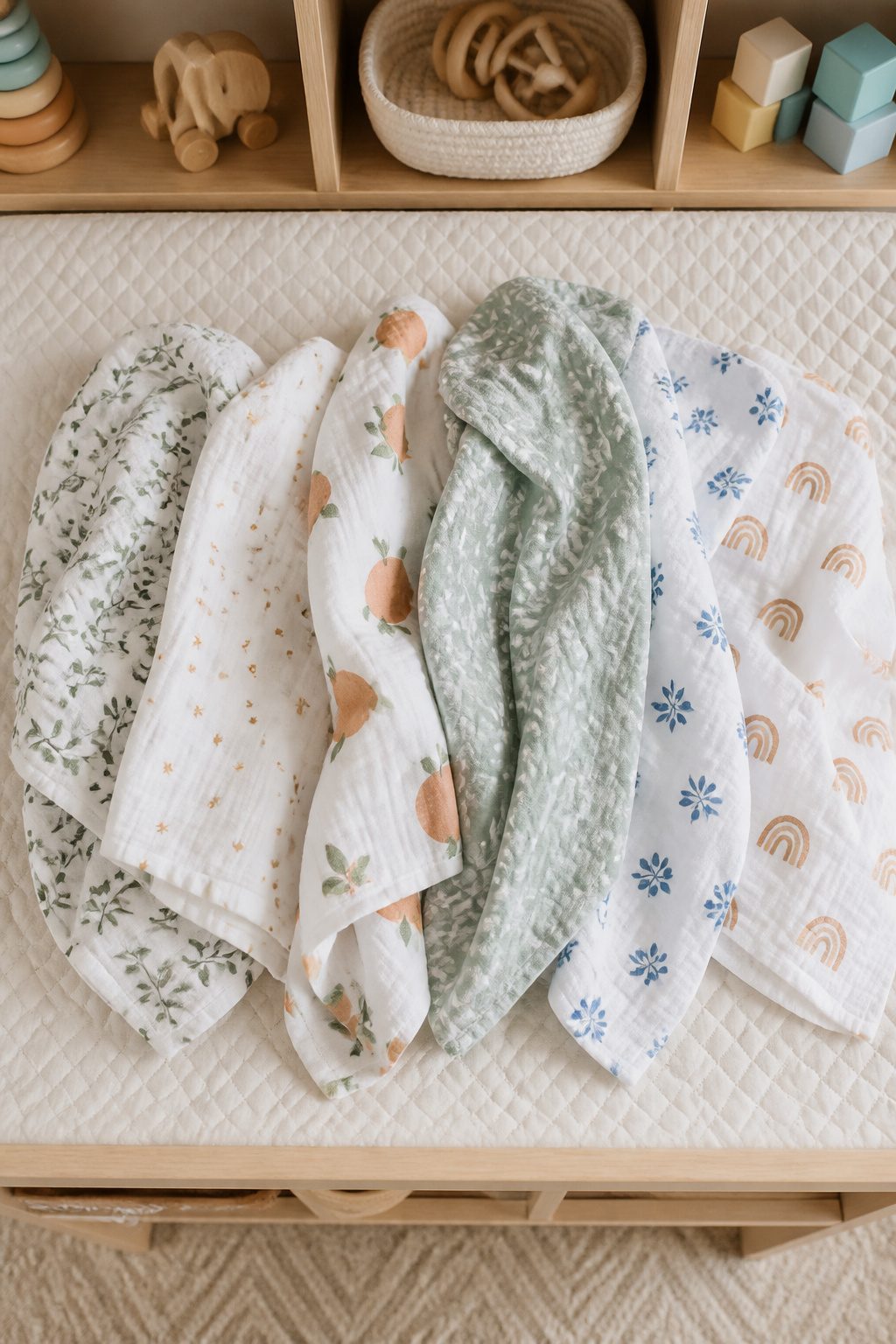
Most baby registry guides say 2–3 swaddle blankets, and that is where we started. Within two weeks we were ordering more.
Spit-up, diaper blowouts, and the simple fact that a used swaddle sits in the hamper while the baby needs the next one meant we reached for a clean one four or five times a day.
Register for 3–5 if you want to stay ahead of the laundry.
There are two kinds to know. Traditional swaddle blankets are large squares of thin cotton or muslin you wrap and tuck around the baby.
They work once you learn the fold, which takes practice at 2 a.m. Velcro and zip styles, sometimes called swaddle sacks, fasten with a pull or a strip and remove the guesswork.
The sacks come in staged sizes, so if you go that route, register for a couple of sizes to grow with the baby.
We kept both on hand: the blankets for daytime naps when we had patience for a tight wrap, the zip style for nighttime when speed mattered more than ceremony.

BREATHABLE MATTRESS PAD - Made with Waterproof Exterior, Thick, Soft and Breathable Premium Foam Interior for the ultimate in comfort for your baby.

PACKAGING MISPRINT NOTICE | Due to a factory error, the current outer box mistakenly includes the phrase "not for sleeping". Please be assured this is strictly a packaging typo. This bassinet mattress is approved by Baby Safety Alliance (formerly JPMA), rigorously tested to meet ASTM F2933-21a standards for your peace of mind
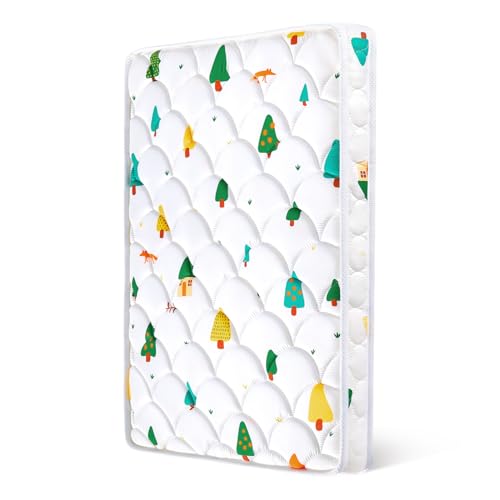
SMELL:The vast majority of Mini Crib Mattress have a pungent smell that makes them uncomfortable. To be honest, this portable crib mattress topper don't smell pungent. Please feel free to use.
High Chair
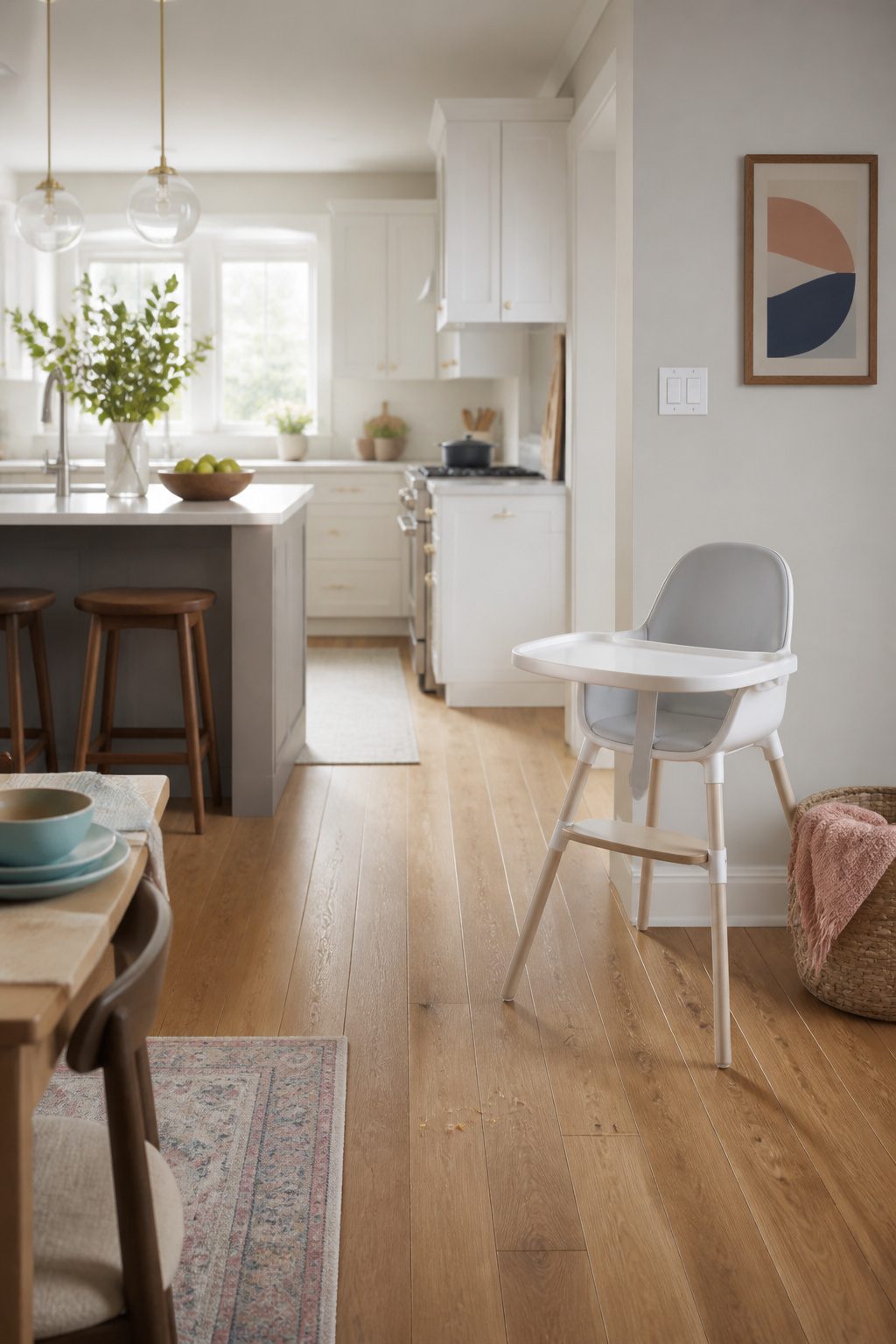
You will not use a high chair for the first several months.
The registry lists include it because you will need one once the baby starts solids, usually around the six-month mark, but that is a long wait if your kitchen is already tight on space.
We learned to think about where it will live before we thought about which model to buy.
A chair that folds flat can slide behind the refrigerator or into a closet between meals. One that does not fold becomes a permanent fixture you will trip over for half a year.
Cleanup matters more than the tray shape or the color. The seat pad will catch puree in every seam.
We looked for a pad that pops off and goes straight into the washer, and a tray that releases with one hand so you are not wrestling it while holding a baby.
The wipe-down plastic shells look easier than they are; the crevice where the seat meets the frame collects crumbs you will eventually need a toothpick to reach.
Buy the chair that lets you remove the seat entirely and hose it down in the sink. You will thank yourself at month nine when the baby discovers spaghetti.

Comfortable for baby: The pad's comfy foam construction provides a sturdy surface that helps distribute weight evenly and deliver pressure point relief

COMFORTABLE: The Contoured Changing Pad features a double-layered top foam pad that keeps baby comfortable and cozy during diaper changes.

WATERPROOF & WIPEABLE CHANGING PAD: The surface of the baby diaper pad is waterproof and can effectively prevent moisture from seeping in. The smooth and washable surface allows for quick and easy cleaning of stains, ensuring a hygienic space for every replacement
Baby Monitor
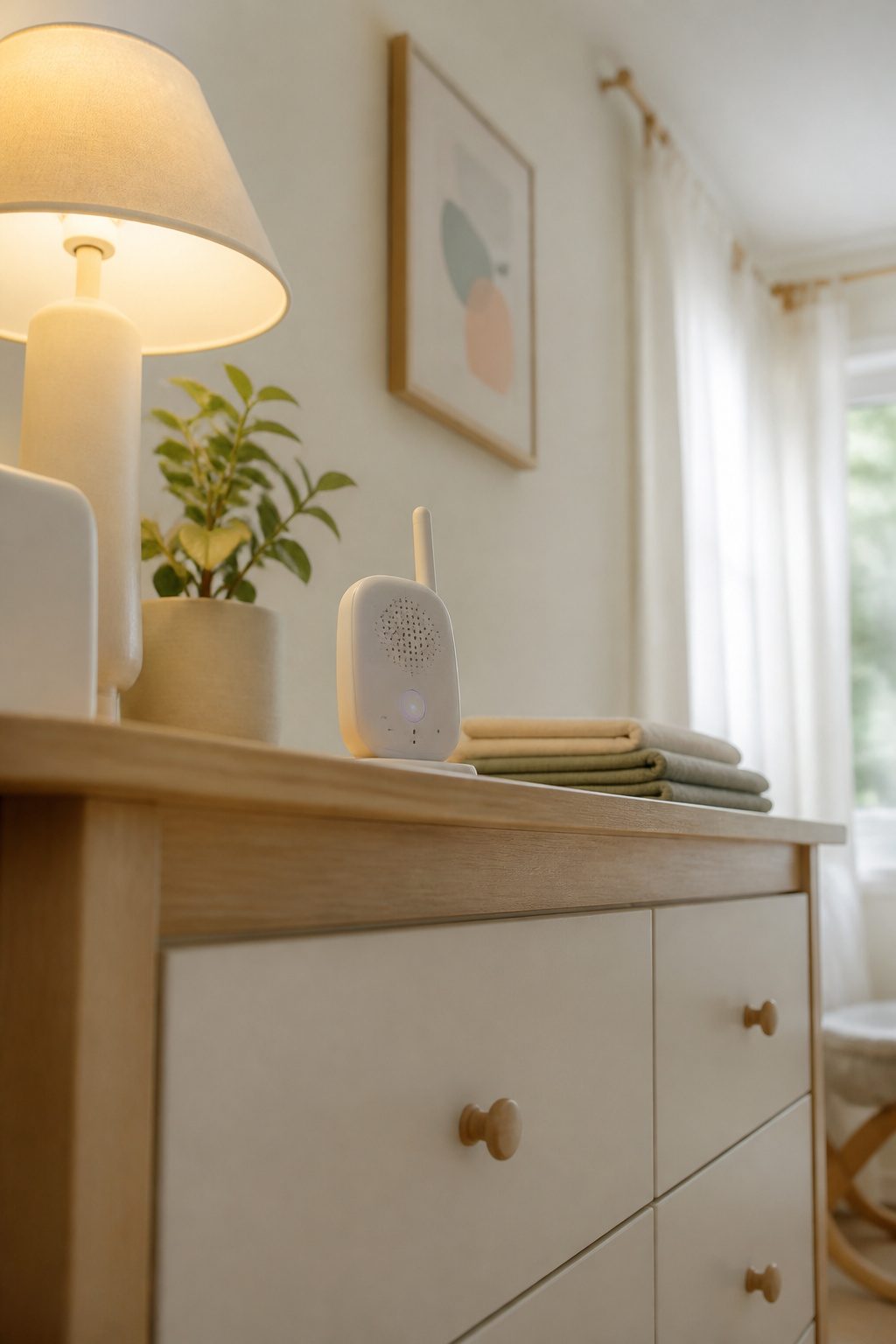
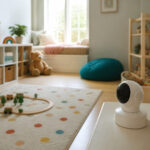
We went back and forth on video versus audio for longer than the monitor cost. Our nursery sits at the end of a straight hallway, so we could hear crying without any device at all.
That pushed us toward a simple audio unit, which saved enough to put toward the crib. In hindsight, the audio worked fine for the first few months, but we would have placed the receiver higher up.
We set it on a low dresser and sometimes missed the softer sounds over our own white noise machine in the bedroom. A shelf at ear level would have caught those earlier.
We also left the sensitivity on factory settings, which meant it either blared at every rustle or stayed too quiet. Spending five minutes to dial that in during daylight would have saved us a lot of volume fumbling at midnight.


STAINLESS STEEL: The Ubbi Diaper Pail is made of stainless steel, providing superior odor control. This high quality stainless steel and rubber seal design ensures that unpleasant smells are contained within the pail, keeping your nursery smelling clean

Proven #1 in odor control: Delivers superior odor control performance to keep your nursery fresh and clean
Diapers and Wipes
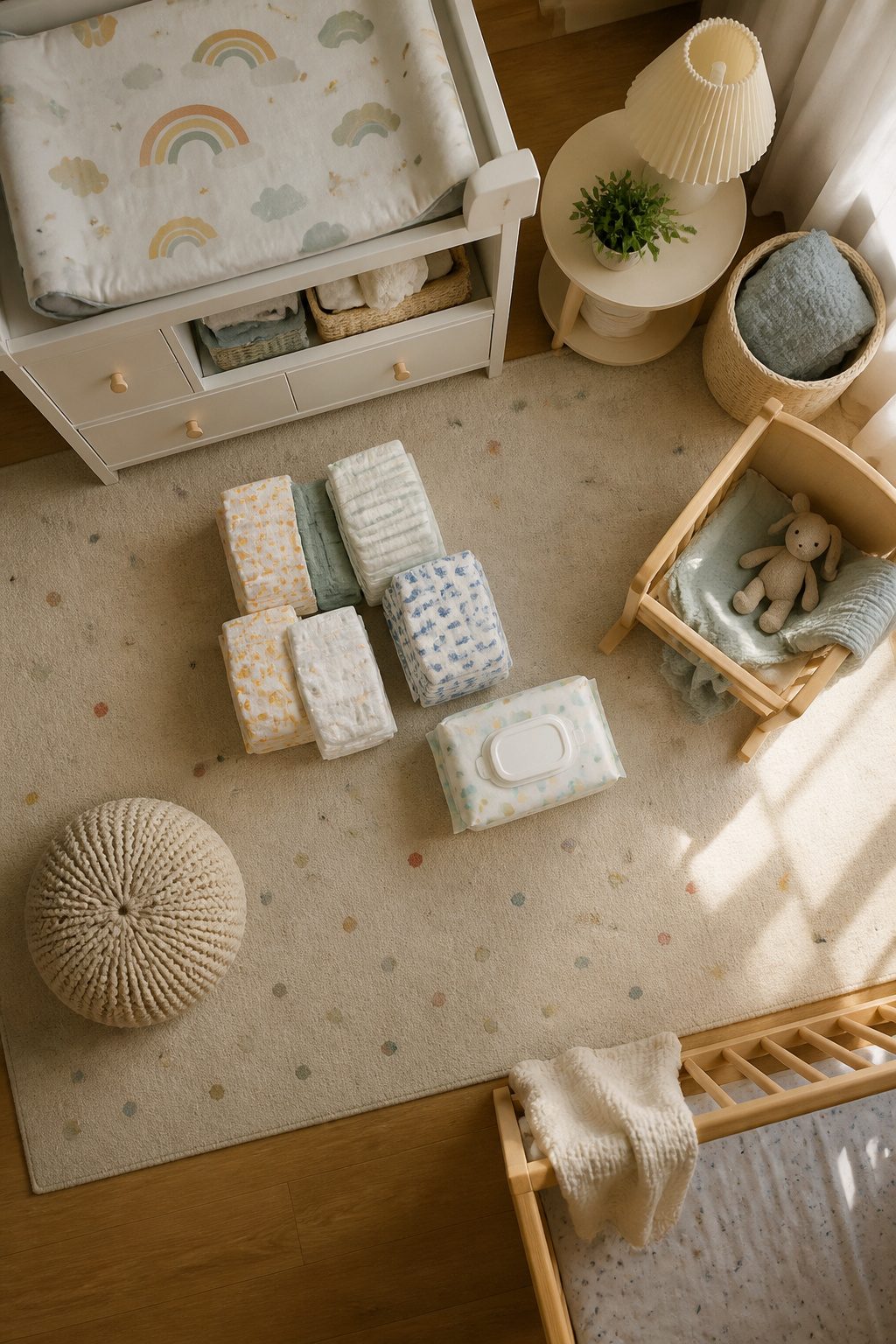
Newborn diapers disappear faster than the registry guides let on. We put 1–2 boxes of newborn size on our list and 2–3 boxes of size 1, which sounds conservative until you realize some babies never fit newborn at all.
Wipes land on every checklist for good reason: you will use them for everything, not just diaper changes, and running out at 2 a.m. is the kind of mistake you make once.
The trap we watched friends hit was stockpiling ten boxes of one size before the baby arrived. Babies grow unpredictably, brands fit differently, and skin sensitivity can send you back to the store for a whole new line.
A diaper fund, or registering for a mix of sizes and brands, keeps you flexible without turning a closet into a single-size warehouse.
Baby Clothes
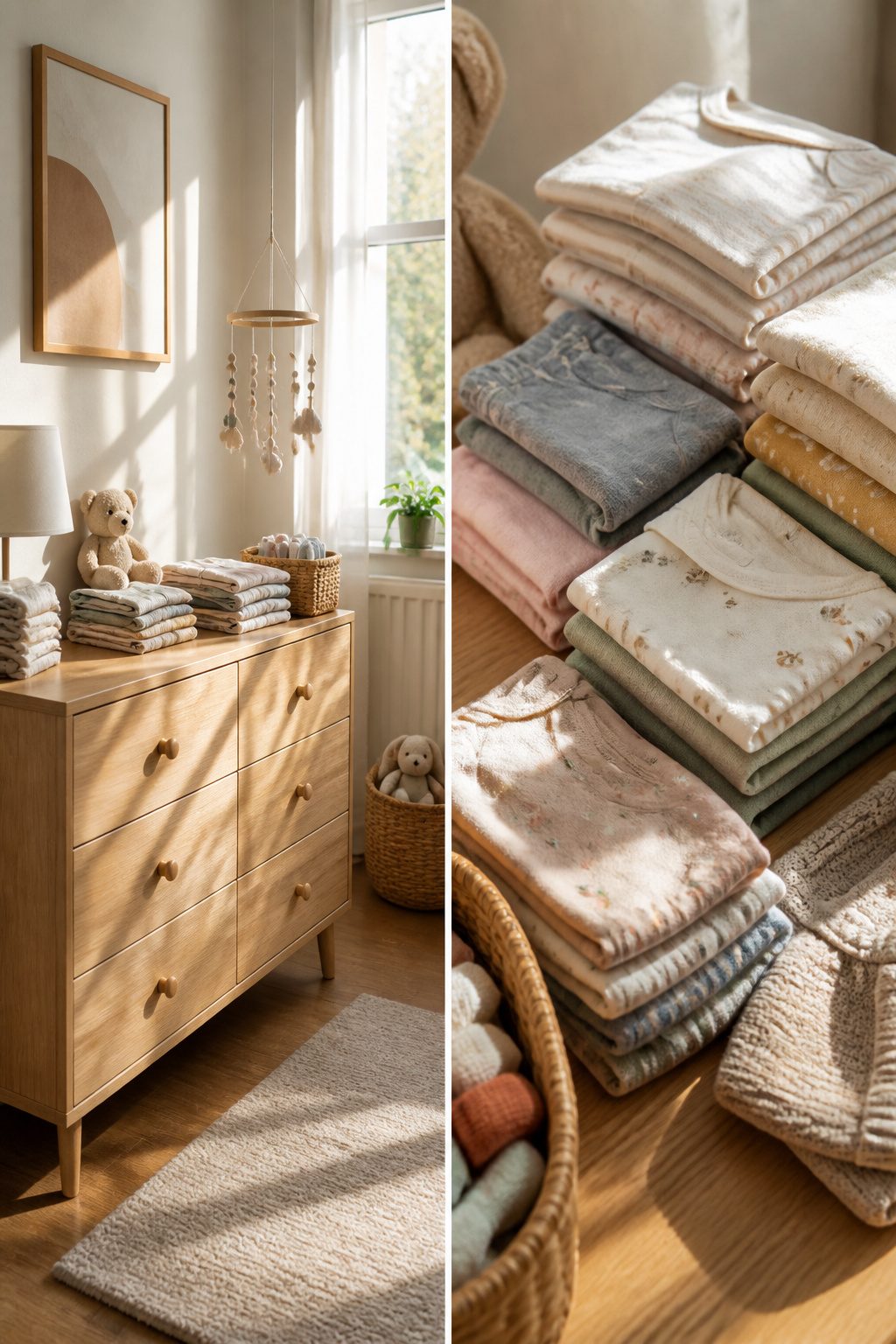
Clothes are the most-backed item across every baby registry list we looked at, and we completely misunderstood why. We stocked up on newborn sizes assuming they would last the first month.
Most newborn clothes fit babies between 6 and 9 pounds, which means a 9- or 10-pound baby may be born too big for them entirely. Our mistake was treating newborn and 0-3 month as a smooth progression.
They are not. Newborn is a narrow window for smaller babies, while 0-3 month is where most infants actually start.
We now tell people to register for at least five onesies, five pants, and five footie pajamas in 0-3 month sizing, and only a couple newborn pieces unless the ultrasound suggests otherwise.
For the coming-home outfit, buy both newborn and preemie sizes, even for a 7- or 8-pound baby. Carter’s carries preemie options, and Old Navy and Baby Gap stock "up to 7 lb" outfits that fit better in those first couple weeks.
Season matters too. A July baby in footie pajamas is a mistake you will feel immediately.
Pacifiers
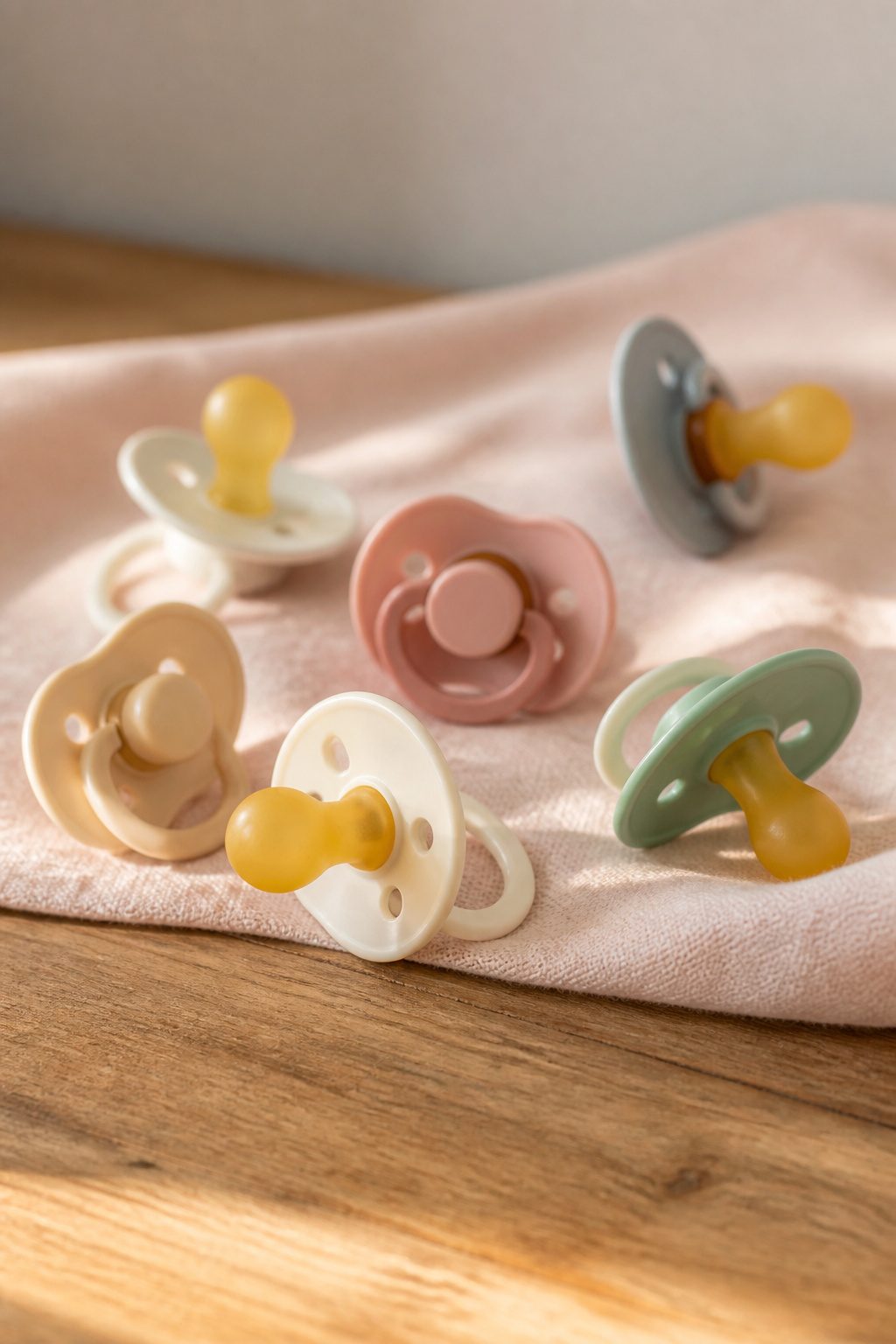
Pacifiers land on the must-have list because they are cheap insurance against a screaming baby at two in the morning, yet parents routinely underestimate how picky a newborn can be about rubber and silicone.
We learned this the hard way after buying a single four-pack of one brand and assuming the job was done.
The baby spat them out for three days straight until we caved and bought two other shapes, one orthodontic and one more bulbous, and only then found the one she would actually keep in her mouth.
Plan on trying at least three brands or shapes before you find the winner, and register for a small set from each rather than stocking up on any single kind.
The out-of-pocket cost is minimal, maybe ten to fifteen dollars total, but the difference between a baby who settles and one who does not is not small at all.
White Noise Machine
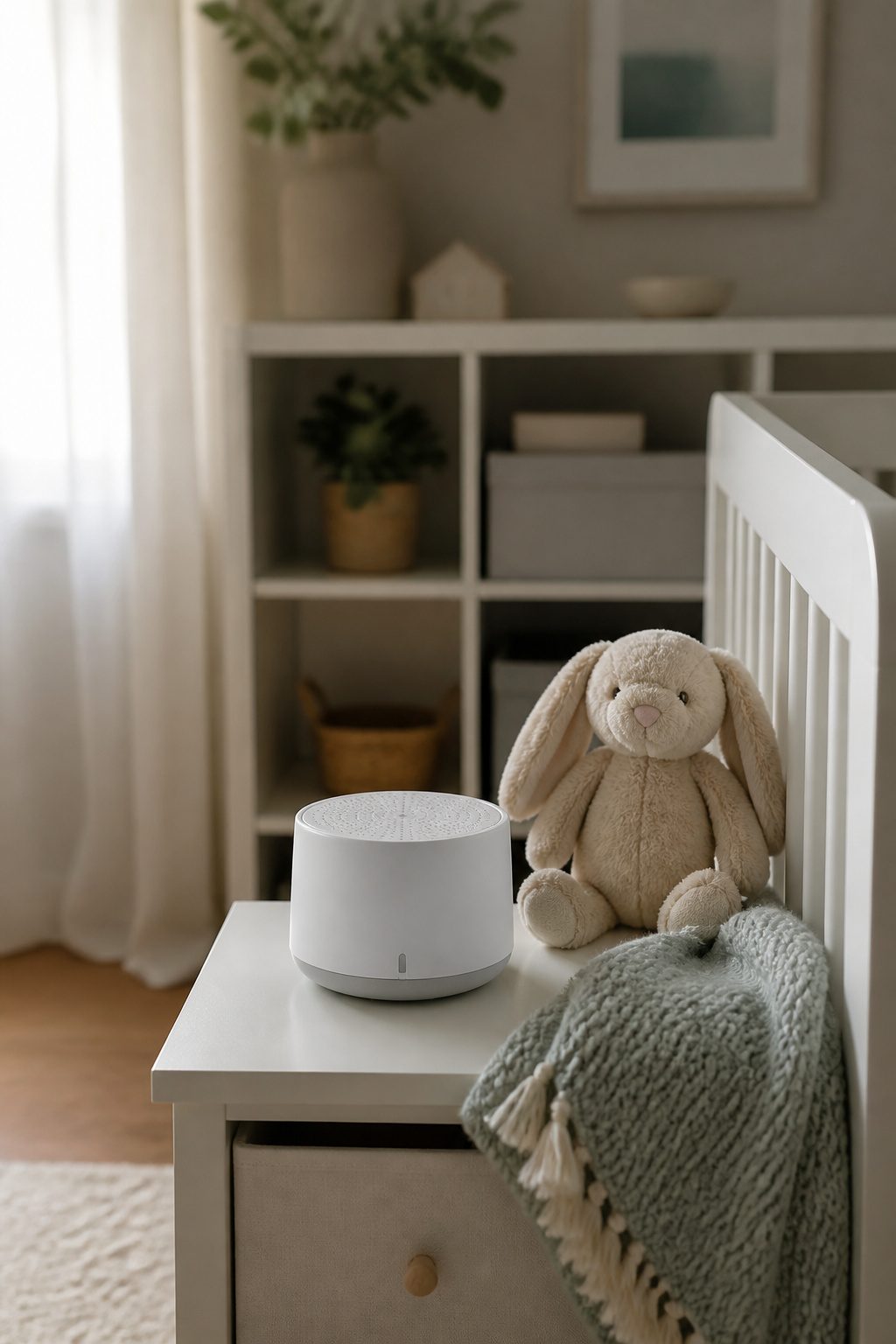
White noise machines show up on nearly every registry list, and we get why. The idea is to mimic the constant whoosh babies heard in the womb so they startle less at sudden sounds.
We tried skipping it at first and just ran a cheap box fan in the nursery corner, which worked fine until winter hit and the room got too cold.
That was week five, and we broke down and bought a small portable unit we could move between the bassinet downstairs and the crib upstairs.
The fan had done maybe seventy percent of the job, but the machine let us control volume without freezing the baby out, and it traveled with us to grandparents’ houses without anyone hunting for an outlet and an extension cord.
If you already run a loud HVAC system or sleep with a fan yourself, you might not need one.
Otherwise, budget $25–40 for a basic portable unit and call it a worthwhile hedge against the 3 a.m. wake-up you could have prevented.
Baby Carrier
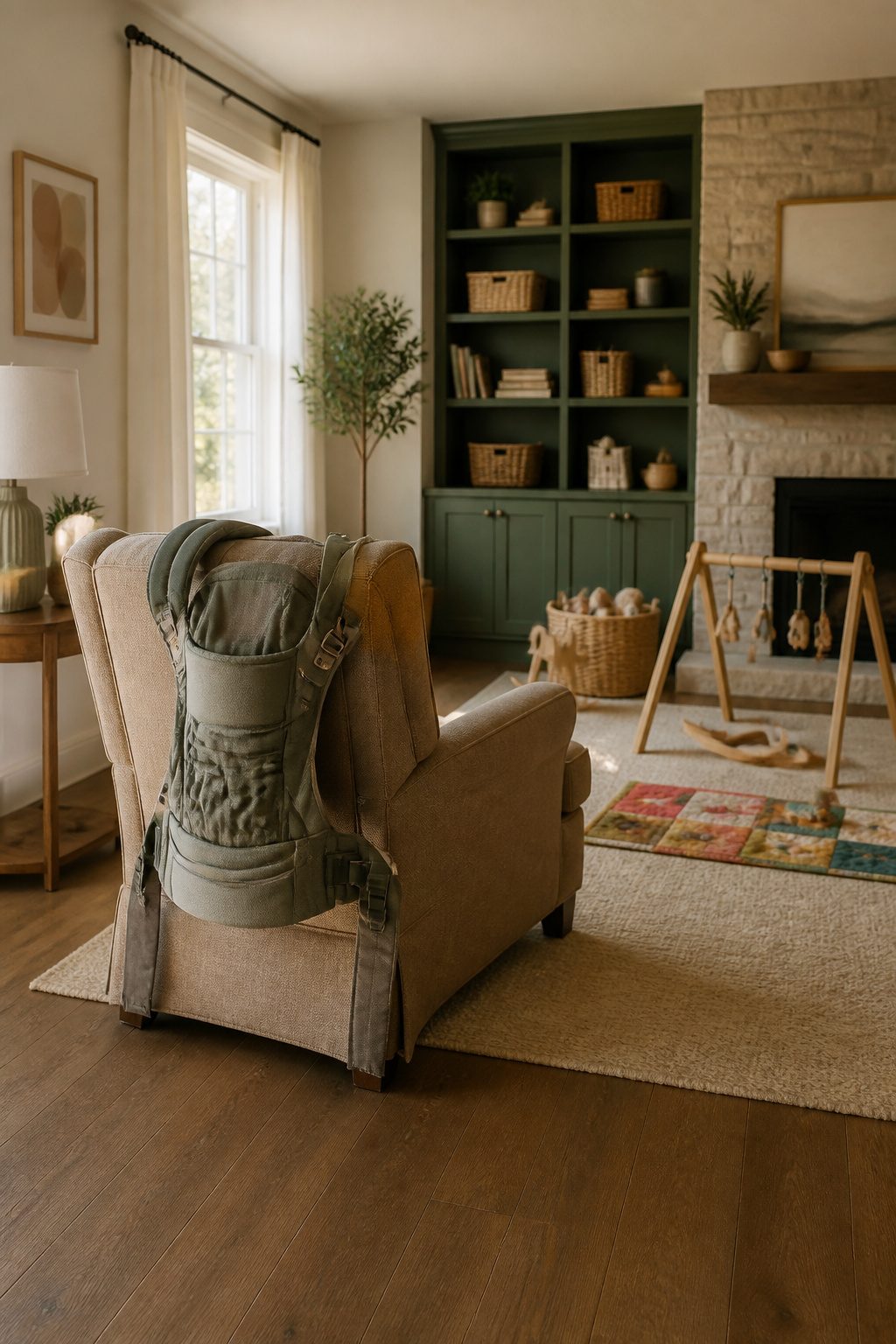
A baby carrier earns its spot on the list because you will still need to cook dinner and take a shower in those first months, and a carrier keeps your hands free while the baby sleeps against you.
What we learned fast is that fit matters more for the person wearing it than for the baby.
A wrap like the Solly Baby Wrap distributes weight across your whole torso, which feels better for a short carry around the house, but it has a learning curve and you will stand in front of a mirror the first three times trying to get the tension even.
A structured carrier like the BabyBjorn or the backpack-style Sakura Bloom Scout sits ready to clip on, which saves minutes when the baby is already fussing and you are trying to get out the door.
For longer carries, the structured ones win.
The Scout in particular gets mentioned for hikes and grocery runs where you are on your feet for an hour or more. The real split is short trips versus long ones: wraps for the house, structured carriers for everything else.
If you only register for one, go structured. You can always add a wrap later with gift cards, and you probably will not bother once the baby hits fifteen pounds.
Baby Bath Setup
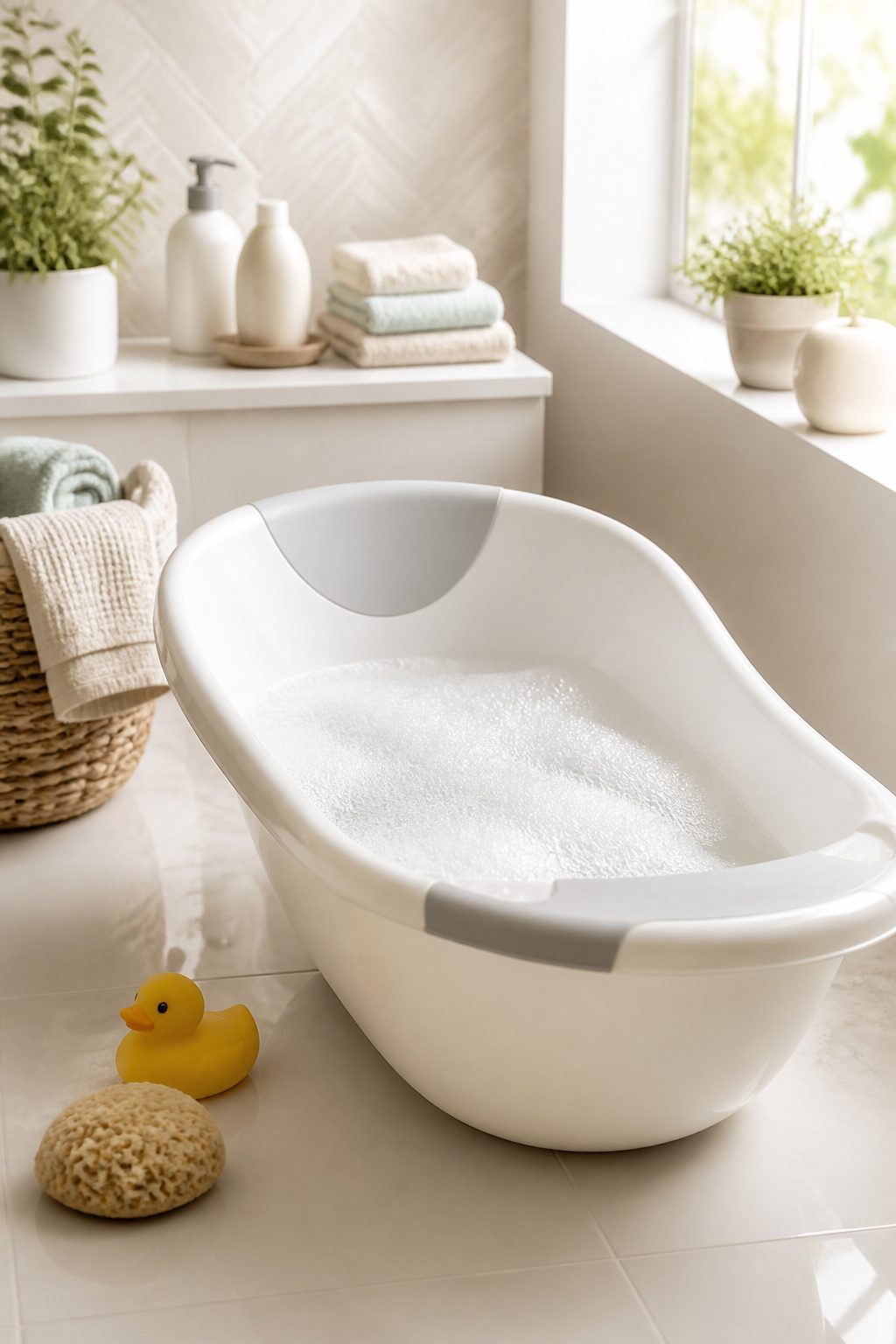
We treat the tub, the soap, and the towels as one system because they have to work together or bath time falls apart fast. The real split is kitchen-sink bathing versus a dedicated tub, and both have their window.
For the first weeks, the kitchen sink is hard to beat. You stand at normal height, the baby is right in front of you, and you skip the kneeling pad and the crouch.
No infant tub to store, no plastic sling to wrestle with. The catch is that it ends early, once the baby is too long or too active for the basin.
A dedicated infant tub buys you more months, and it is the better call if your sink is shallow, if you have back trouble, or if you are splitting bath duties with someone whose height differs from yours.
The tub plus a nonslip mat, a spout cover, and a water thermometer is the safer setup once the baby starts sitting up and splashing.
For either setup you want two to three hooded towels, four to six washcloths, a tear-free shampoo and body wash in one bottle, and a simple rinse cup.
Skip the bath toys at first; they are a registry add for month four or five, not day one.
Health and Safety Kit
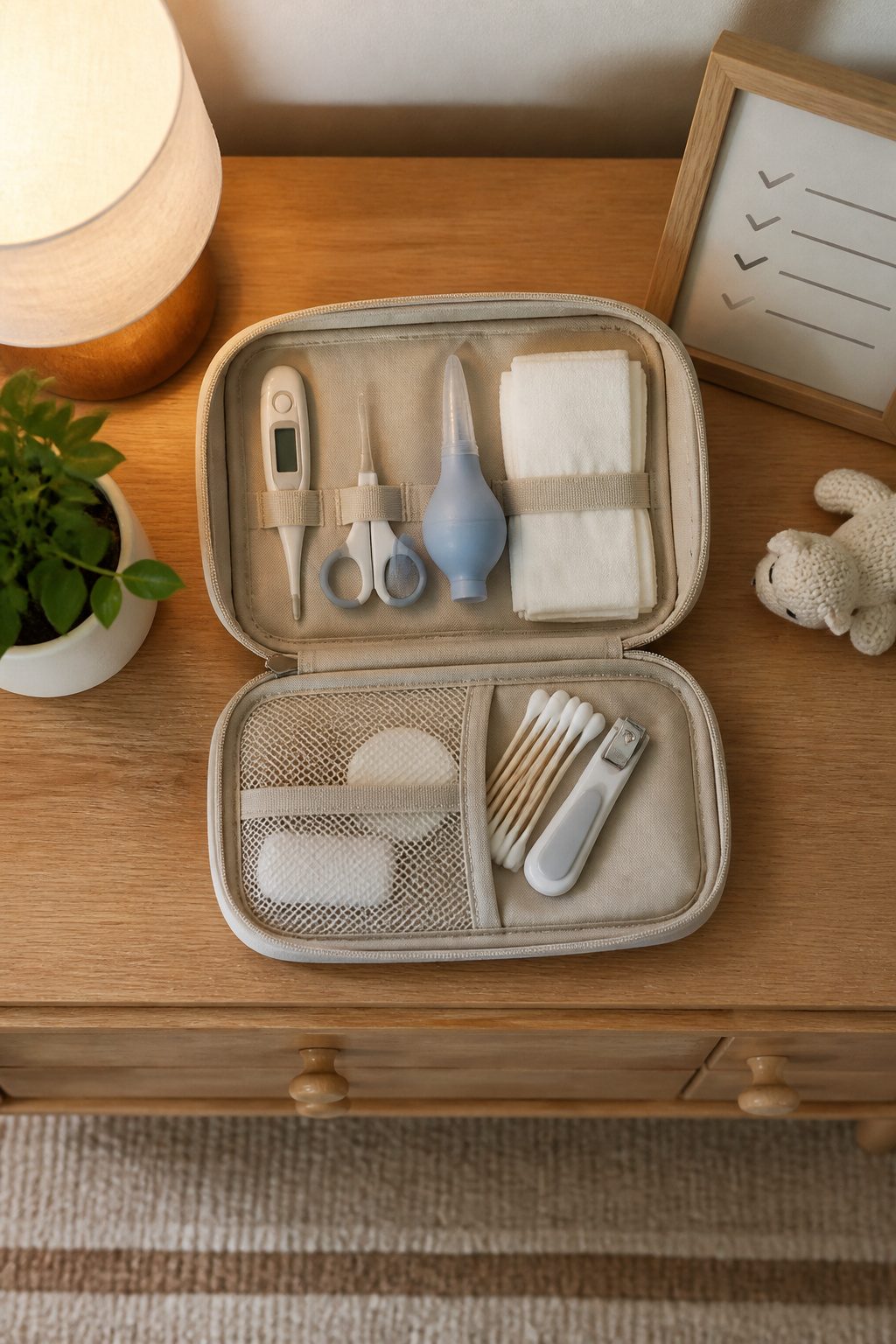
A digital thermometer and a nasal aspirator are the two items we reach for first, and we reach for them at 3 a.m. when the baby feels warm and cannot breathe through her nose.
The thermometer gives a reading in seconds, and the aspirator clears just enough mucus that she can nurse or sleep again. Those two belong in the kit from day one.
After the first real illness, we added a cool mist humidifier to the same corner of the nursery.
Dry winter air in Salt Lake City turns a stuffy nose into a sleepless week, and the humidifier runs quietly enough that we leave it going all night.
We also keep infant acetaminophen and gas drops on hand, though we use them sparingly and always check dosing with the pediatrician first.
A simple bulb syringe works in a pinch, but the nasal aspirator with the oral tube pulls more out with less fuss, which matters when you are both half awake.
Diaper Bag
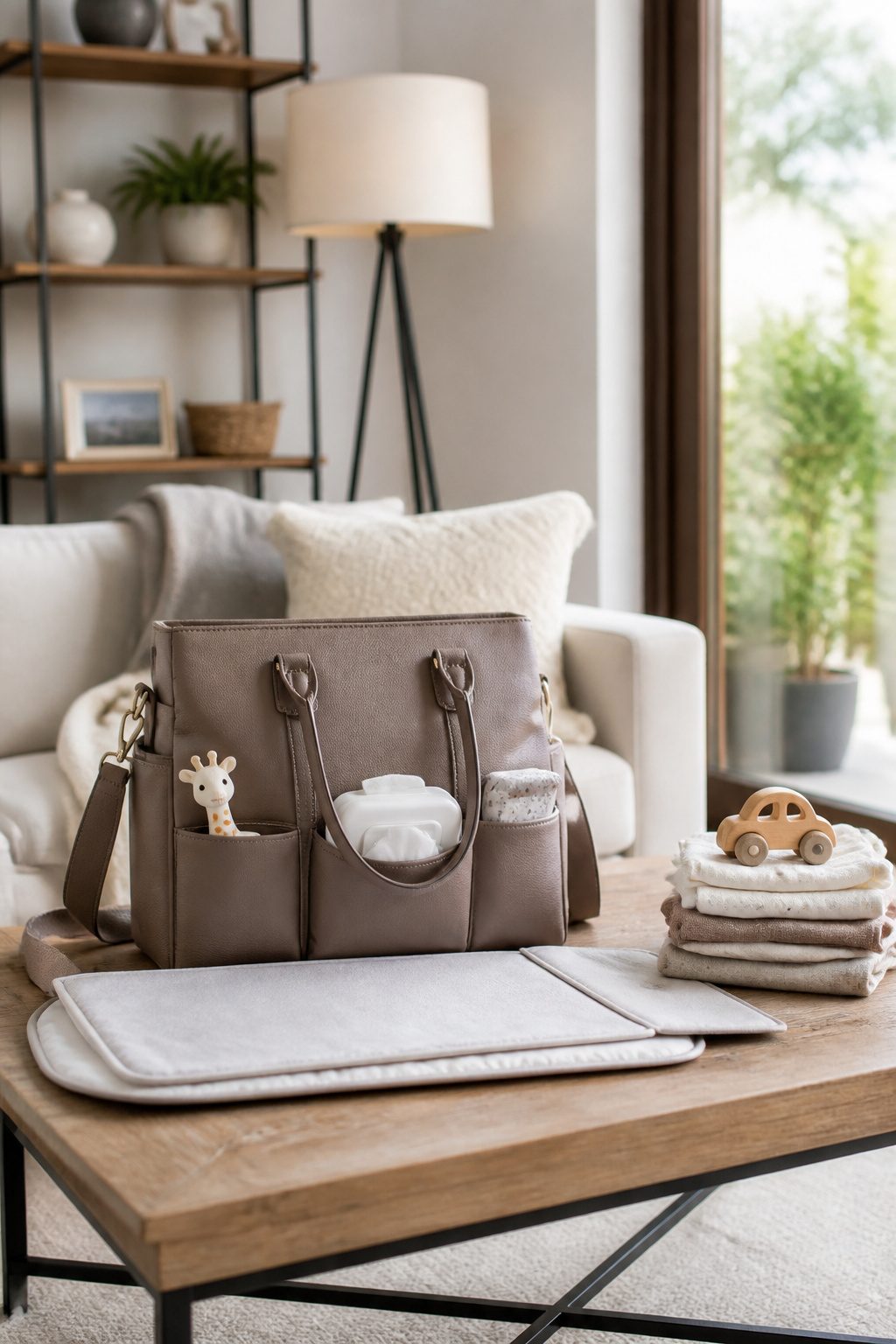
A dedicated diaper bag mattered more than we expected once we stopped trying to make a regular backpack work. The pockets turned out to be the whole story.
You want a wipeable changing pad that lives in its own pocket permanently, not something you pack and unpack; the moment it is buried under diapers, the bag becomes useless in a parking lot.
We learned that straps matter less than access. A backpack distributes weight fine until you are holding a baby and need wipes with one hand.
Exterior pockets for bottles or a pump cooler bag save the dig. What stays permanent: the changing pad, a small container of diaper rash cream, a spare onesie in a sealed bag, and your own wallet keys.
What gets packed per trip: the exact number of diapers for the hours out, the specific bottle or nursing cover, the weather layer.
The bag we kept was the one where the permanent stuff never had to move to make room for the daily stuff.
Play Mat
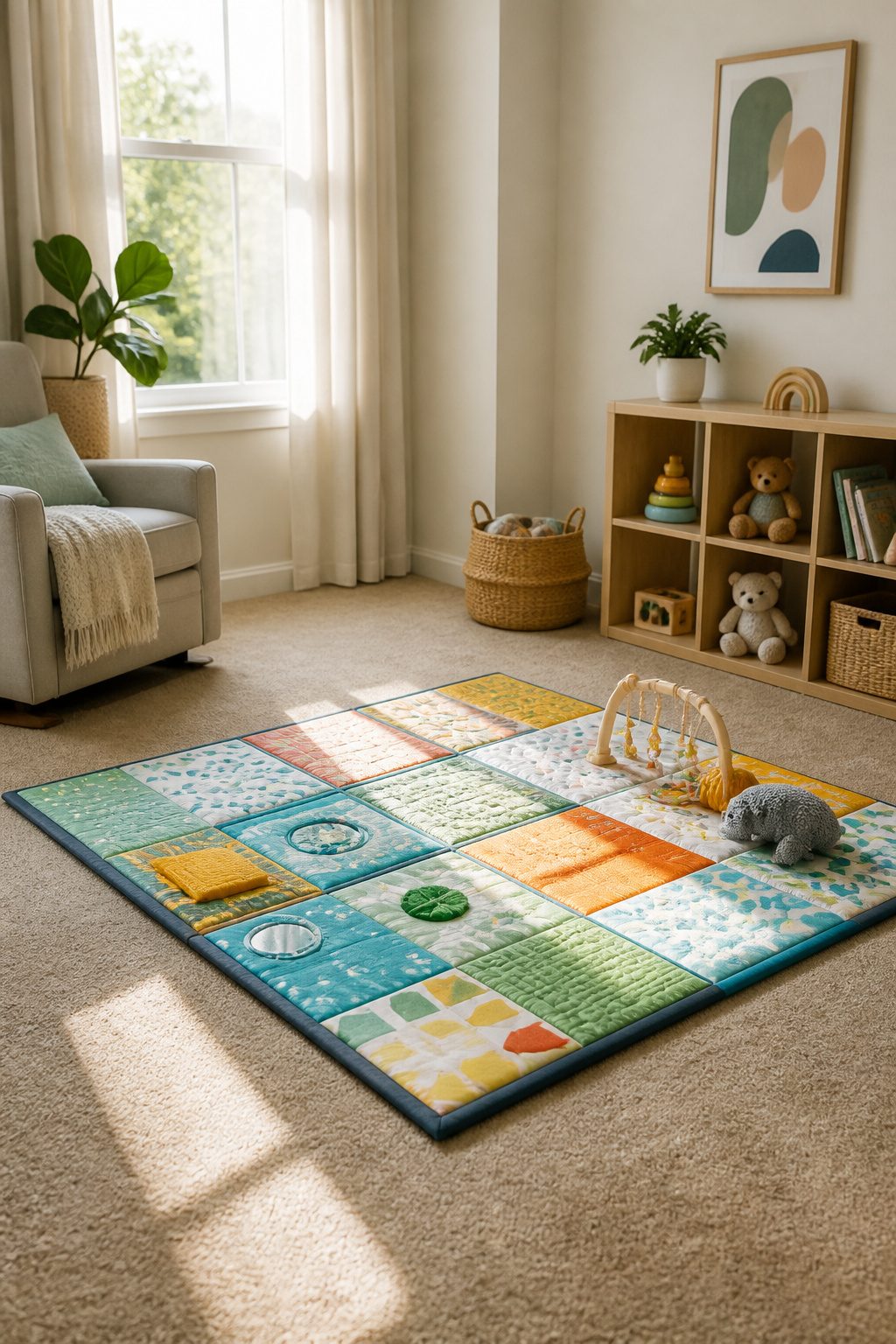
A play mat lands on most registry lists even though you will not unfold it for the first six weeks or so.
Newborns sleep too much to need a dedicated activity space, but by month two or three they start staying awake longer and need somewhere flat and safe for tummy time and sensory play.
The sources we read split on what to call the thing, some say play mat, others say activity mat or play gym, but the job is the same: a soft surface with something to look at or reach for overhead.
What we wish we had thought about earlier was the storage. These mats spread to three or four feet across once the arches are up, and they do not fold down small.
The ones that roll into a tight cylinder and tuck behind a door beat the ones that collapse into a flat ring you still have to find a closet for.
If your living room doubles as the play zone, you will be moving this thing twice a day.
Humidifier
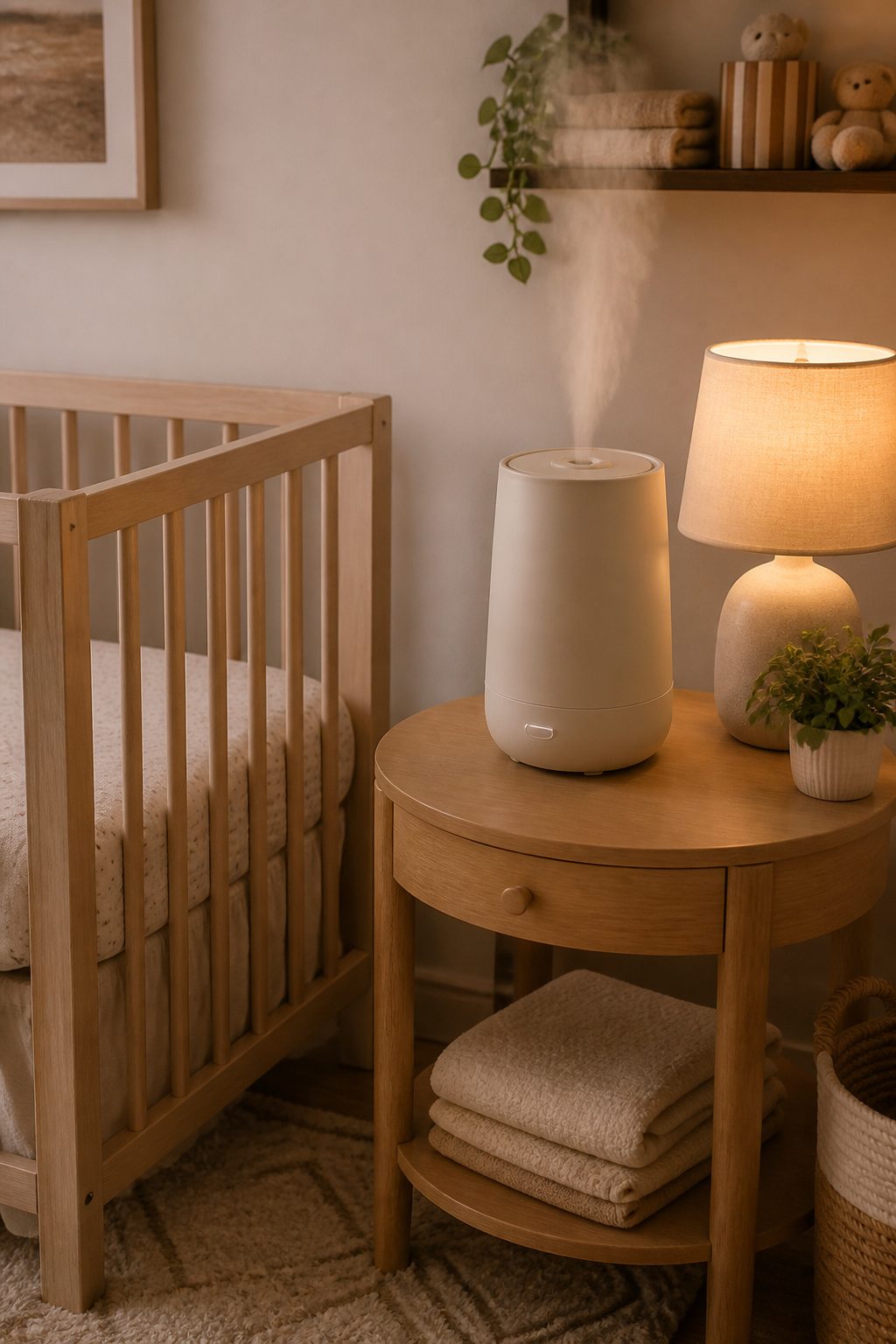
A humidifier rarely makes the cut on those glossy registry roundups, but in our dry Utah air it mattered more than half the items we received.
We ran ours nightly through the first winter and the difference in stuffy mornings was immediate enough that we bought a second for the living room.
What almost made us wish we had skipped it was the cleaning.
The unit needed a full vinegar soak and scrub every third day to keep the white mineral dust from coating the nursery walls and the musty smell from creeping in.
Skip one cycle and you are basically misting bacteria back into the room. We learned fast that the cute compact models with impossible-to-reach corners are not worth the registry slot.
If you are adding one, choose a tank you can fit your whole hand inside, or budget for distilled water and the hassle of buying it.
First Aid Kit
We already had a standard first aid kit in the house, the kind with bandages, gauze, and antiseptic for kitchen burns and splinters.
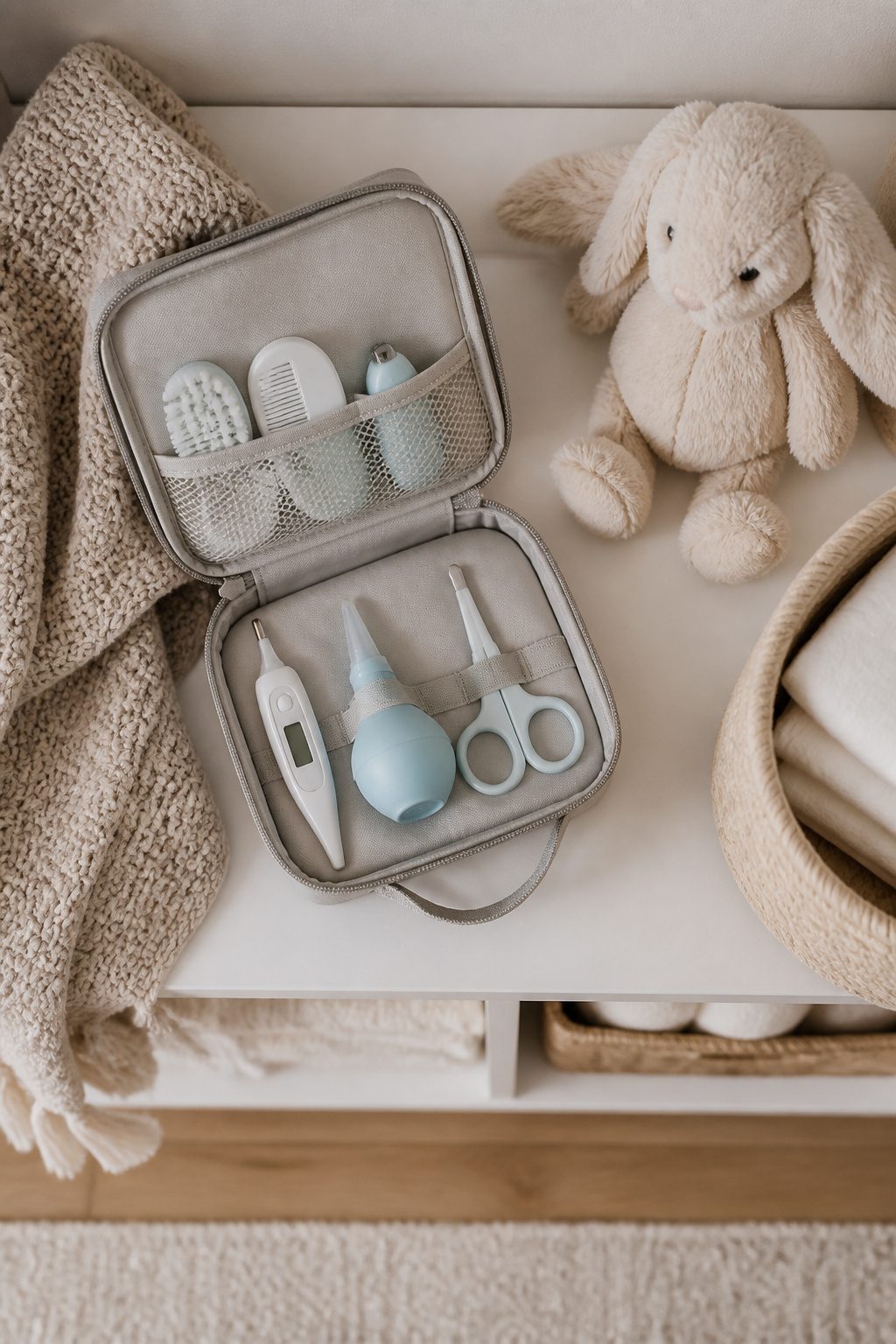
For the baby registry we had to think smaller and gentler. The baby first aid kit is not the same thing as the health kit, though they sit side by side in the drawer and overlap on a few items.
The health kit handles the everyday stuff: digital thermometer, nasal aspirator, nail clippers, a soft comb or brush. Those get used weekly, sometimes daily.
The broader baby first aid kit covers the moments you hope skip you entirely, the 3 a.m. fever you need to confirm with a rectal reading, the first real cough that calls for a cool mist humidifier, the gas pain that has you reaching for Mylicon drops or Infant Tylenol.
We kept our original kit for us and added the baby-specific pieces separately, because adult doses and baby doses do not mix, and because a rubber bulb syringe works better on a newborn nose than anything we already owned.
Baby-Safe Laundry Detergent
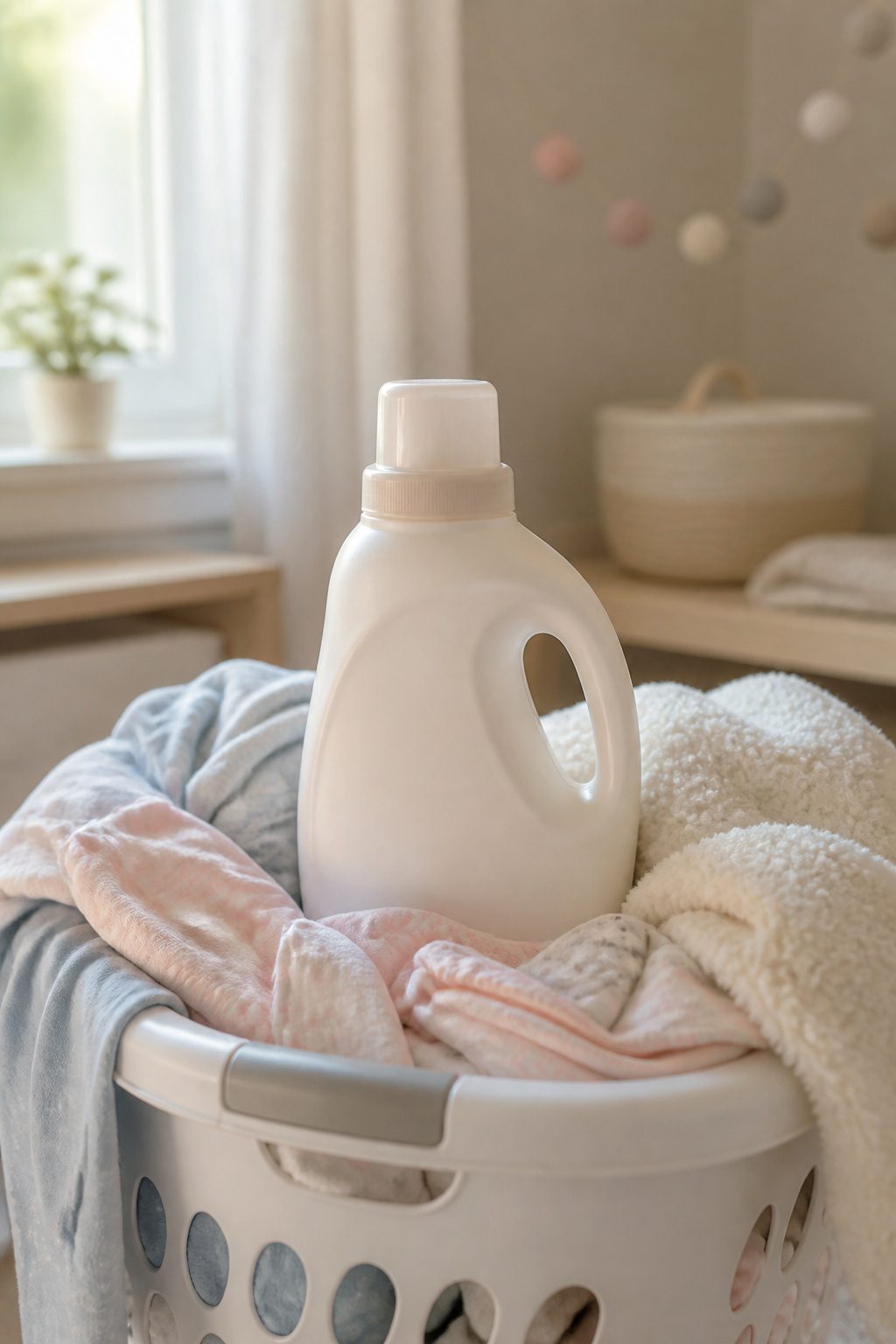
Baby laundry detergent lands on almost every registry checklist we looked at, and we put it on ours too.
The idea is that newborn skin reacts to dyes and perfumes, so you need something hypoallergenic and gentle. We bought a bottle of Dreft Stage 1 before our first arrived, ready to wash everything separately.
What we actually found: the baby-specific detergent made no visible difference. Our daughter had no reaction to it, and she had no reaction when we tested our regular dye- and perfume-free detergent on her clothes either.
If your family already uses a sensitive-skin formula without dyes or perfumes, the baby label is mostly marketing.
We finished the Dreft, then switched back to our usual free-and-clear brand and never looked back. The only change we kept was washing her clothes with ours instead of running a separate load, which saved time and water.
The exception worth watching for is actual skin reactivity.
If your baby develops a rash, a detergent switch is an easy first test. For us, it never became necessary, and the baby detergent was the first item we stopped restocking.
Night Light
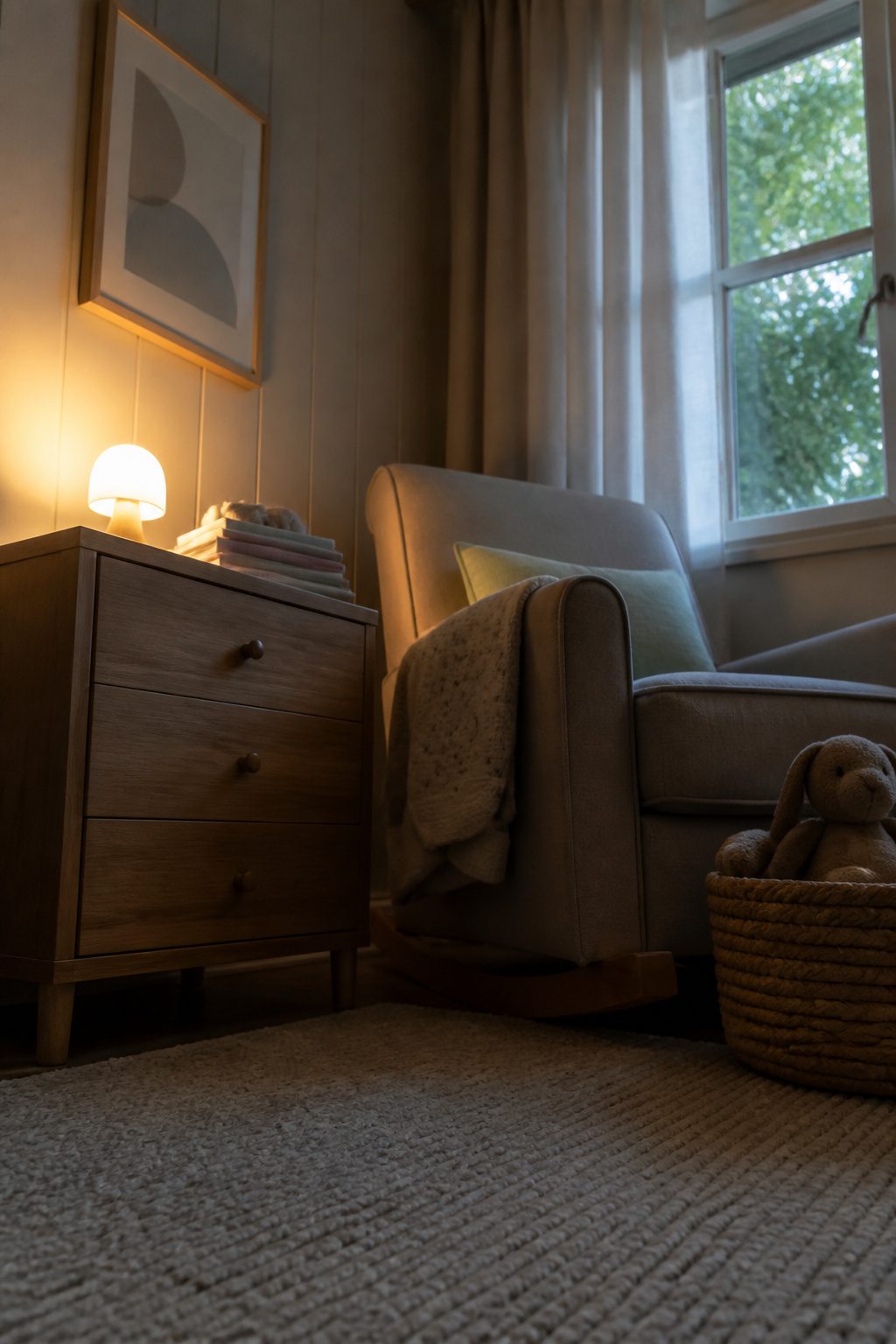
A night light earns its spot on the list for the 2 a.m. feeding and changing routine, when flipping a full switch wrecks sleep for everyone in the room.
We learned this the hard way after a week of wide-awake 3 a.m. standoffs that a dim lamp solved almost immediately.
The color temperature matters more than the brightness dial. A warm amber or red-toned bulb keeps melatonin production intact, while the cool blue-white light from standard LEDs signals daytime to the brain.
We kept ours under 4 watts, placed low enough to find the diaper stack without shining toward anyone’s eyes.
The sources split on whether to pack one for the nursery or the parents’ bedroom; if the baby starts in your room, that is where the light belongs first.
Baby Grooming Kit
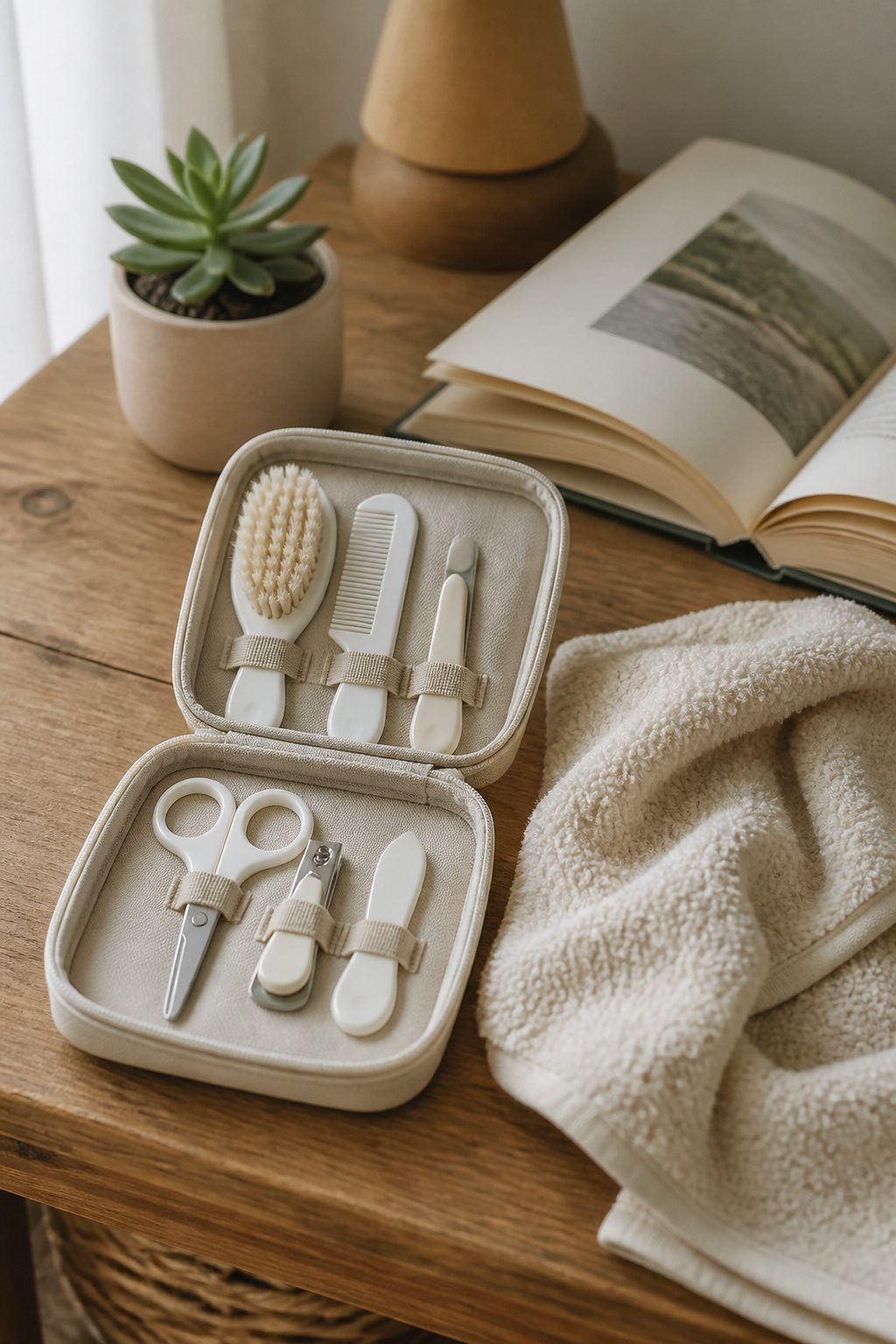
Most baby grooming kits come with nail clippers, a brush or comb, and a few extras like a nasal aspirator or bulb syringe.
We registered for one of the bundled sets and found that half the tools stayed in the plastic tray.
The nail clippers worked fine for the first few months, but we replaced them with a dedicated pair that had a larger grip and a built-in light.
The infant brush was useful for cradle cap, though a soft washcloth would have done the same job.
The nasal aspirator went straight back in the drawer; a simple rubber bulb for the mouth and nose got more use, and we later picked up a snot sucker with better suction.
The thermometer in our kit was a basic strip-style version, so we added a digital thermometer and a rectal thermometer to the registry separately.
If you are building your list, register for nail clippers and a brush or comb as standalone items rather than paying for the kit markup.
Soft and Developmental Toys
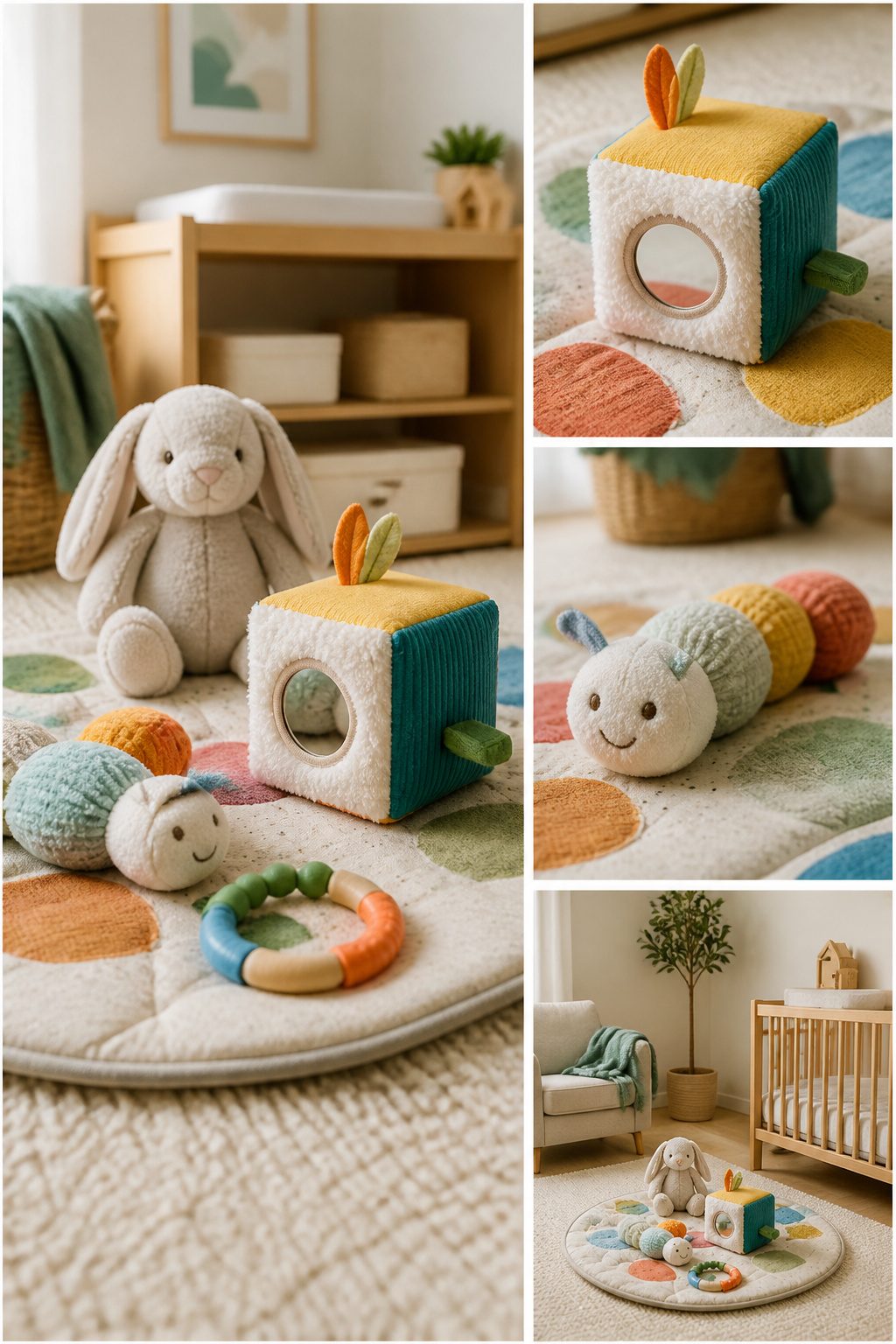
Newborns do not play in any recognizable sense, yet soft and developmental toys still land on every must-have list we have seen.
We used to think this was registry filler until we watched how the first six weeks actually unfold. The items that proved useful were not the ones that looked adorable in the box.
A play mat or play gym was the first thing we reached for once our baby could stay awake longer than a feeding.
Before that, it sat folded in the closet. The contrast cards and simple sensory toys stayed in their packaging even longer; we pulled them out around the two-month mark when neck strength made looking worth the effort.
Board books we saved for later, though we registered for them early because the list said to.
Safety timing mattered more than we expected.
Soft toys with any sewn-on piece stayed out of the crib entirely; we kept them for supervised floor time only. Rattles and teethers seemed interchangeable on the registry, but the teethers did not get touched until the four-month drooling started.
If we were building the list again, we would register for one play mat, one soft rattle, and one teether, then wait on the rest.
The developmental toys are real tools, but they work on a schedule the baby sets, not the due date.
When to Start Your Registry
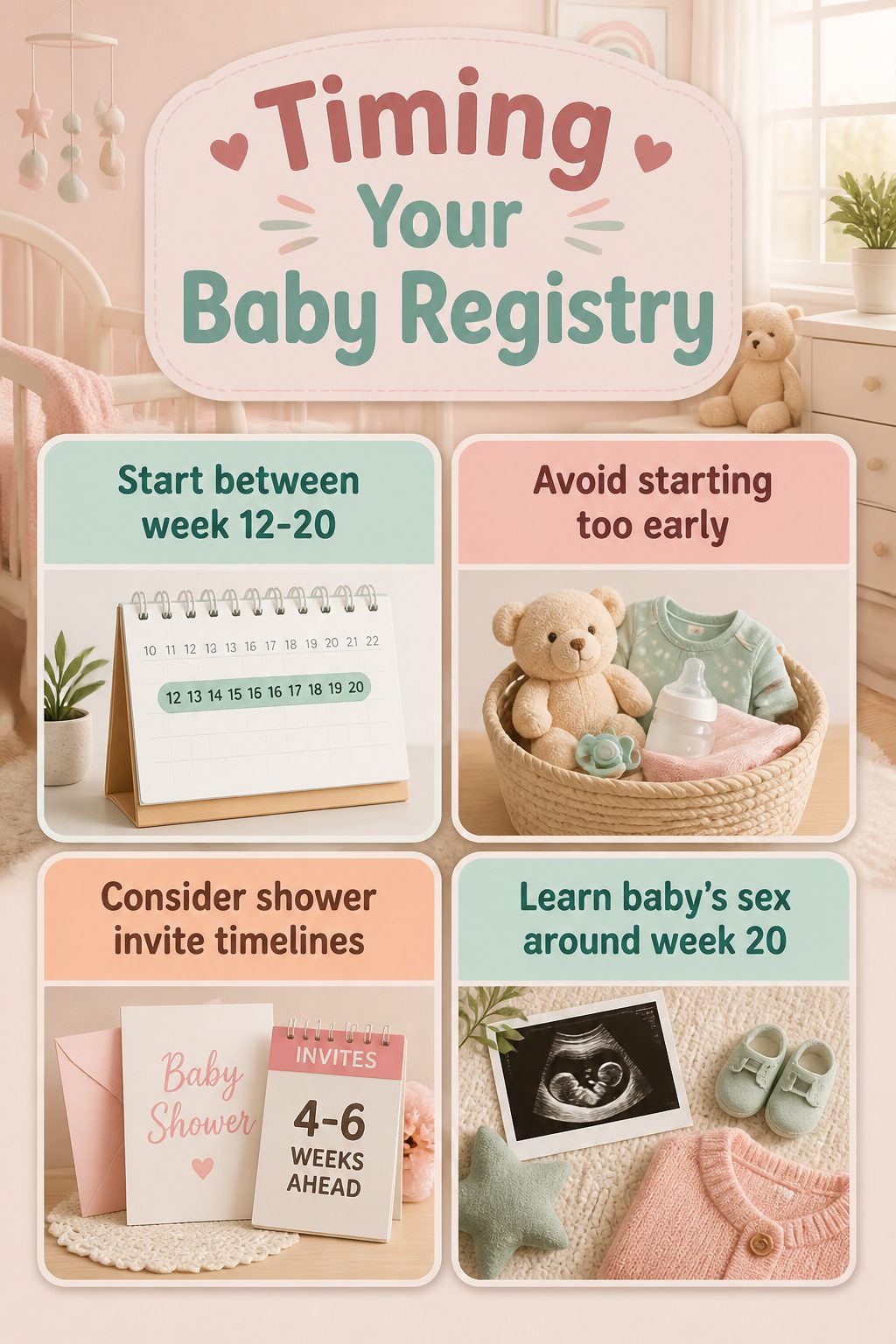
We started our registry at week 14, which felt about right in hindsight. Start between week 12 and week 20, and get it shareable before shower invitations go out.
Most showers land in the sixth or seventh month, with invites hitting mailboxes four to six weeks ahead, so that gives you a hard deadline whether you feel ready or not.
We watched friends go two different directions on timing. One couple jumped in at week 8, before they knew much of anything, and ended up swapping half their picks later when they actually understood what they needed.
Another waited until week 28 and had to rush research she would have preferred to spread across a couple of months.
Week 12 to 20 hits the window where you have enough information to choose well and enough runway to change your mind. Around week 20, when many learn the baby’s sex, registry-building usually kicks into higher gear with nursery colors and clothing choices.
That was true for us; the first trimester felt too early to commit to anything visual, and by mid-second trimester we actually had opinions.
Where to Register
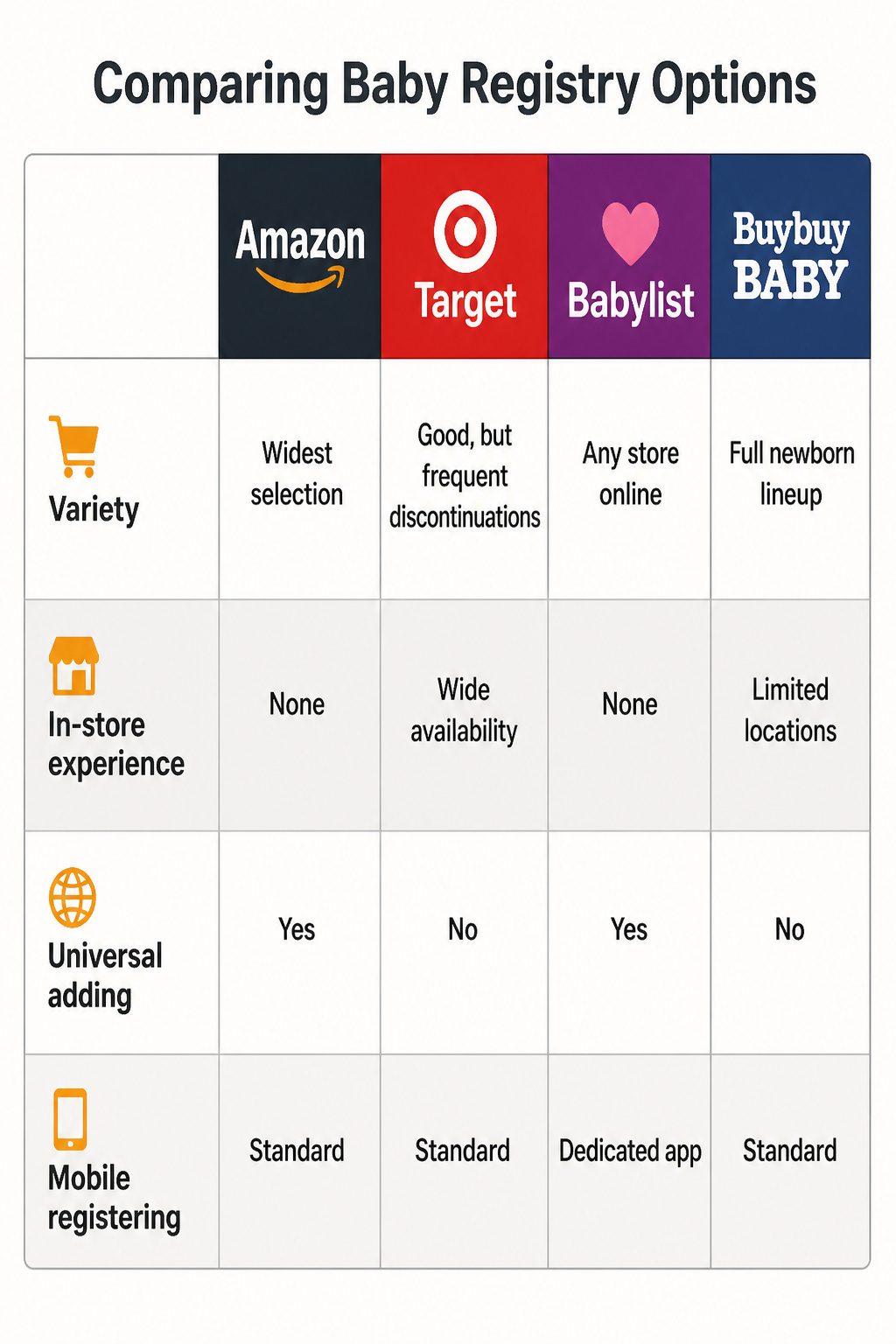
We looked at four places to register: Amazon, Target, Babylist, and BuybuyBABY. Each has a completion discount around 15%, but what you get for that 15% varies.
Amazon carries the widest spread of products, and its universal registry lets you pull in items from other stores. The catch is you cannot touch anything before you buy.
Target runs cheaper, though items disappear from stock often enough that you will need to check your list twice.
BuybuyBABY stocks nearly everything a newborn needs in one place, but there are not many stores outside major metros, so in-store returns can mean a drive.
Babylist acts as a single front for any store on the internet, including Etsy or small boutiques, and its app is built for adding items at midnight from bed.
| Amazon | Target | Babylist | BuybuyBABY | |
|---|---|---|---|---|
| Variety | Widest selection | Good, but frequent discontinuations | Any store online | Full newborn lineup |
| In-store experience | None | Wide availability | None | Limited locations |
| Universal adding | Yes | No | Yes | No |
| Mobile registering | Standard | Standard | Dedicated app | Standard |
We ended up prioritizing two things: the ability to add niche items without fighting a single store’s inventory, and a completion discount we could actually use on big-ticket gear we would end up buying ourselves.
Babylist won on the first, Amazon on the second, so we kept both active.
How Many Items to Include
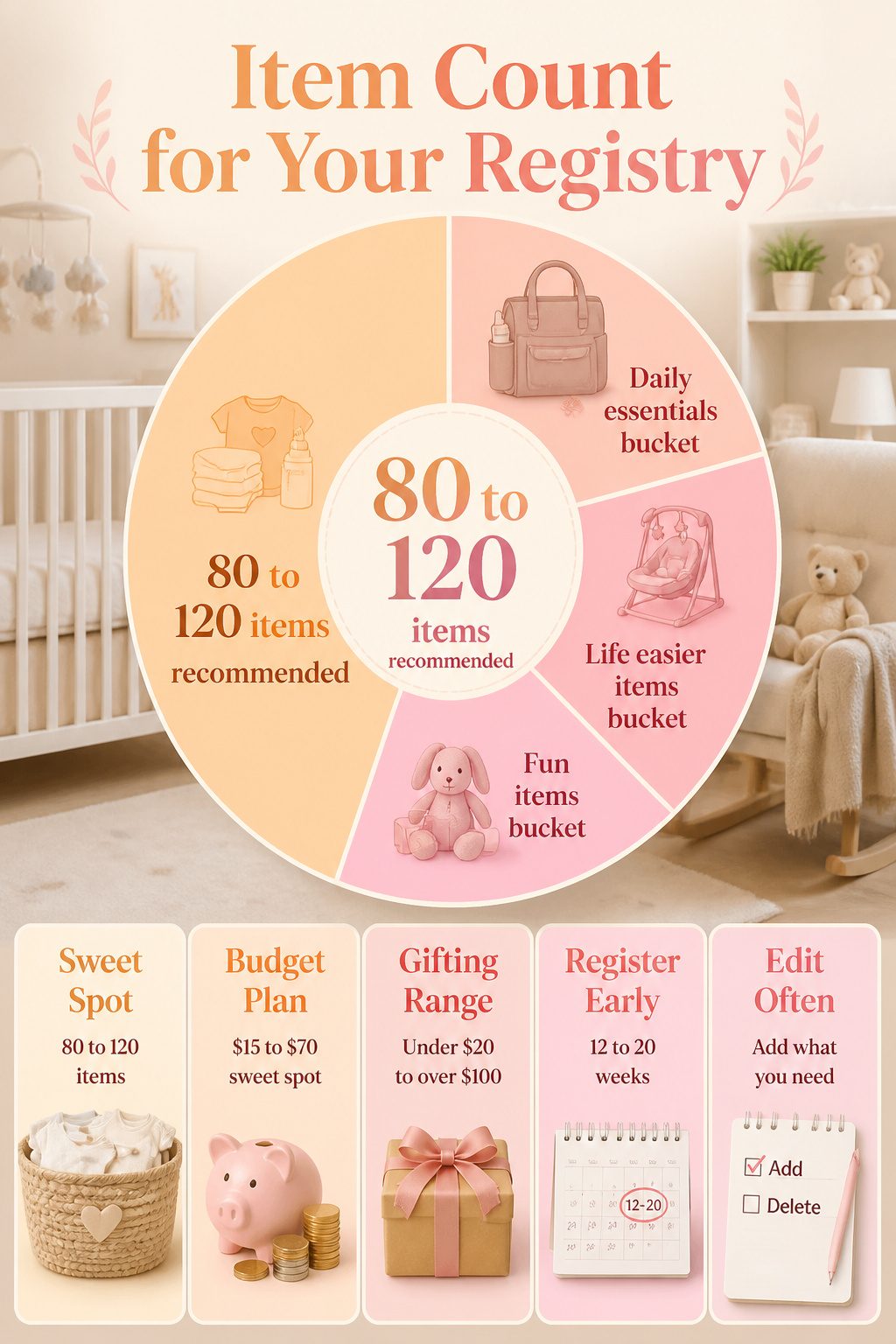
Most registries land between 80 and 120 items, which sounds like a lot until you start counting onesies, bottles, and crib sheets as separate line items.
We found the sweet spot by splitting the list into three buckets: the stuff you will use daily, the stuff that makes life easier, and a few items that just feel fun.
That mix also protects your budget. We aimed most gifts in the $15 to $70 range, with a handful under $20 for coworkers or distant friends and a few over $100 for grandparents who want to go big.
Registering early, around 12 to 20 weeks, gave us time to add things we forgot and delete items we realized we would not actually use.
Postpartum Items for Parents
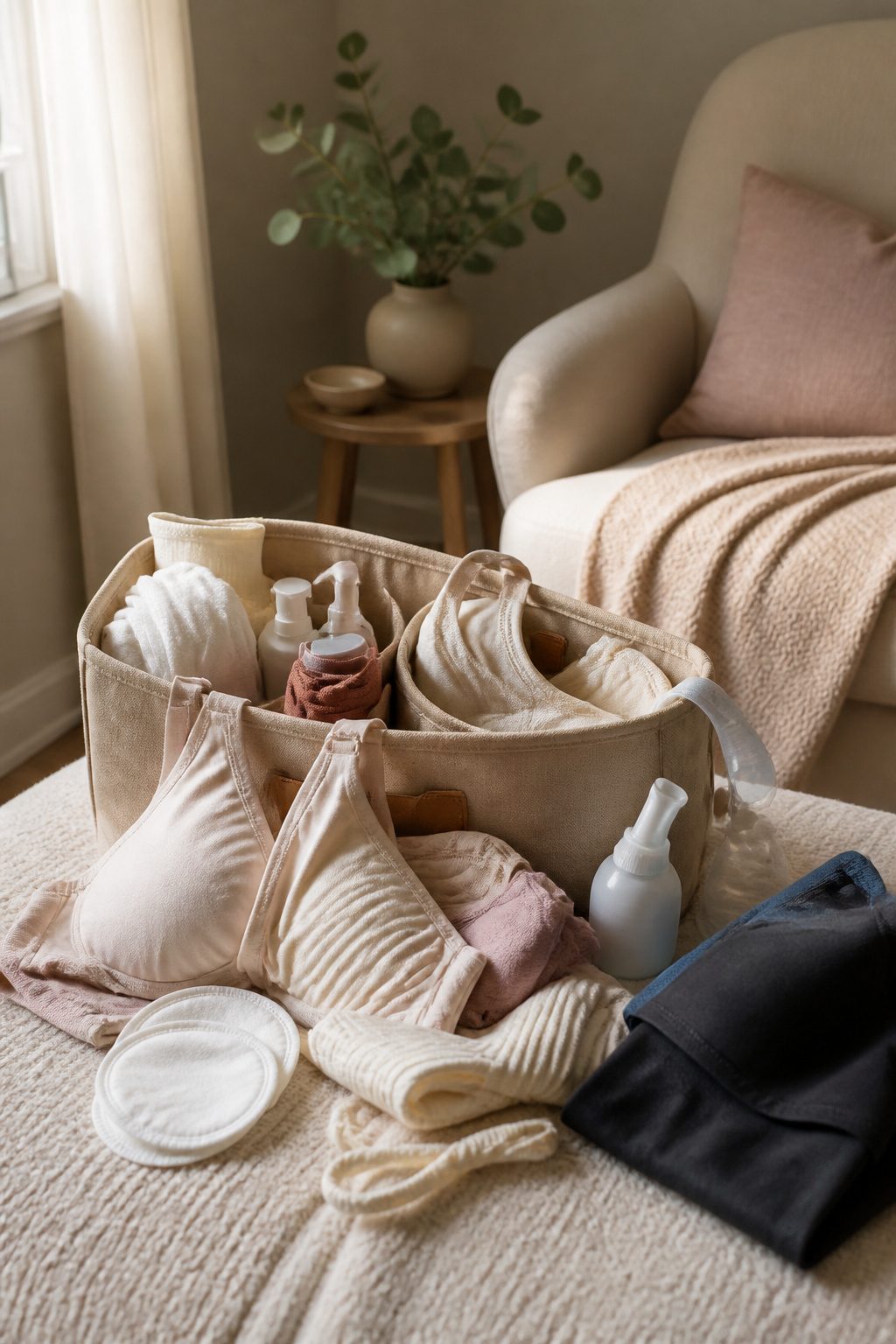
Most baby registry guides focus entirely on the baby, but the parent recovering in that hospital bed needs gear too.
We added nursing bras, breast pads, and a peri bottle to our registry after watching a friend realize she had nothing comfortable to wear home from the hospital.
The crossover-style nursing bras worked best for us in those first weeks, no clips to fumble with at 3 a.m., and we kept two in rotation so one was always clean while the other was in the wash.
Breast pads saved more shirts than we can count, especially during letdown when the side not being nursed from leaked everywhere.
We went with reusable pads, five pairs, and they held up through constant washing. The one item we skipped at first and regretted was a small stash of formula, even though we planned to exclusively breastfeed.
Having a few ready-to-feed bottles on hand meant we could sleep through one feeding while someone else took a turn, and we did not have to send anyone to the store in a panic.
Add the parent care items to your registry, not just the ones with the baby in the product name.
What to Skip
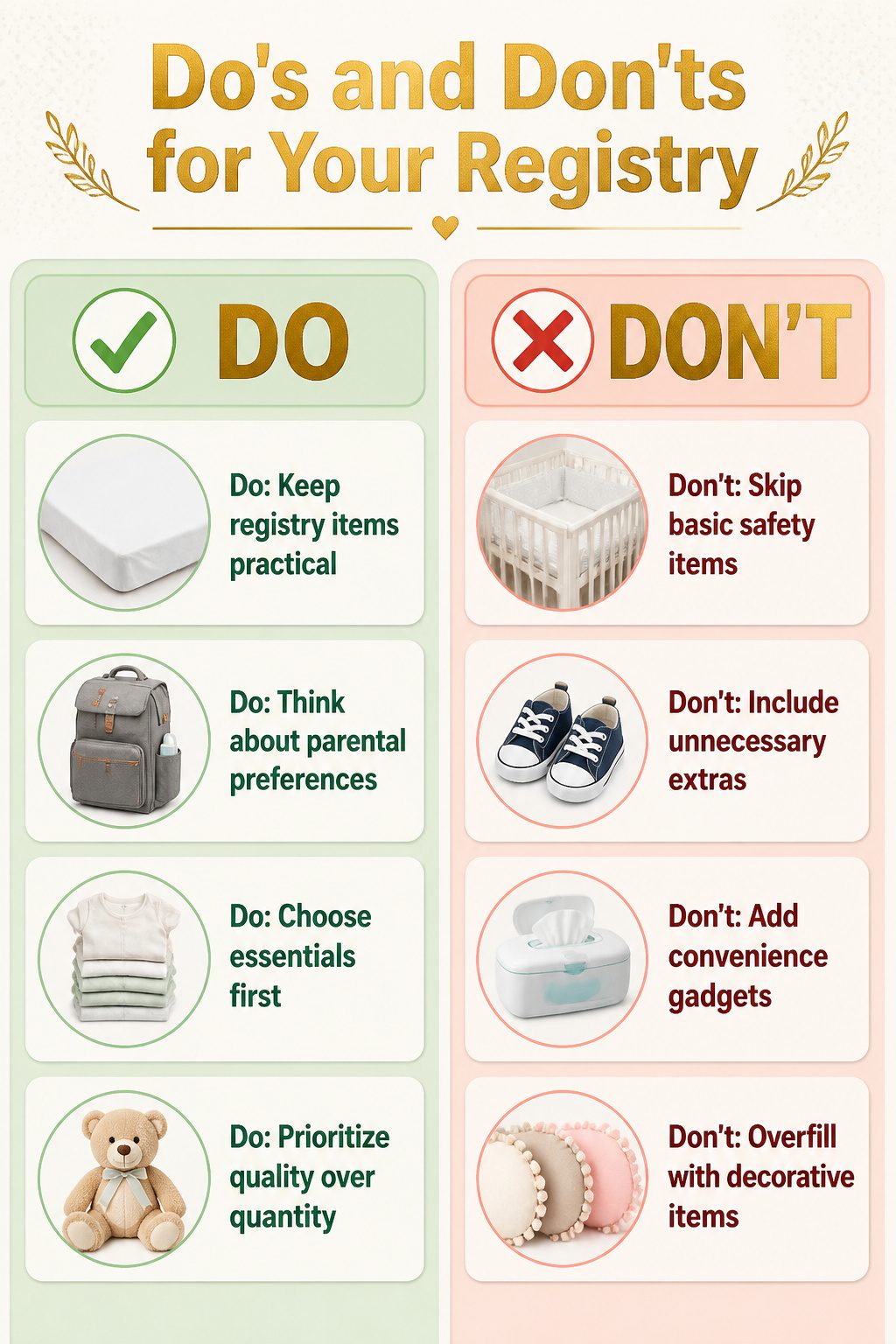
Crib bumpers almost made it onto our first registry. They still look tidy in nursery photos, and we liked the idea of padding the rails.
Then we read that the American Academy of Pediatrics recommends nothing in the crib except a fitted sheet and pacifier for the first twelve months.
Bumpers, even mesh ones, have been linked to suffocation deaths and are banned in some states. We took them off the list.
Newborn shoes were the next near-miss.
Tiny sneakers are hard to resist, but babies learn balance and foot development best barefoot. Socks handle warmth; shoes are really just for photos until walking starts.
We also hovered over a wipe warmer. It sounds sensible until you picture changing a diaper in a parking lot with only room-temperature wipes.
Warmers can also dry wipes out and shorten their usable life. Skip it and your baby will adapt to normal wipes faster than you expect.