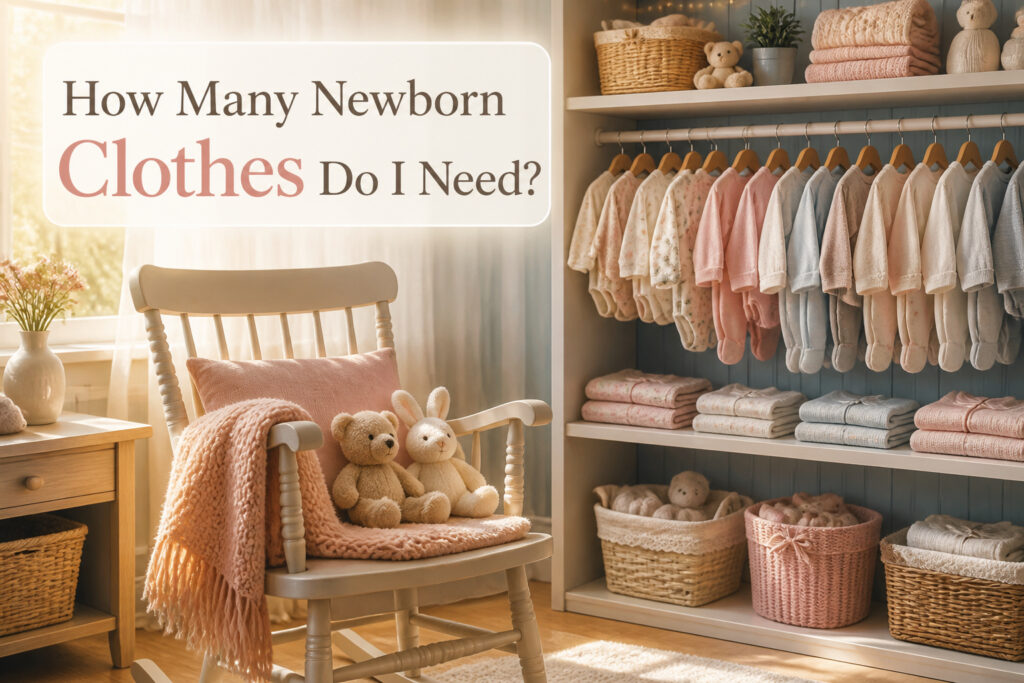
You need about 18 to 20 core pieces for a newborn if you are washing every two to three days.
The number drops fast if you are willing to run laundry daily, but most parents find the extra onesies cheaper than the sleep they would lose.
Half of all babies outgrow newborn size within two weeks, so buy 0–3 month for almost everything and keep just two or three newborn items for the hospital bag.
[link-whisper-related-posts]Bodysuits or Onesies
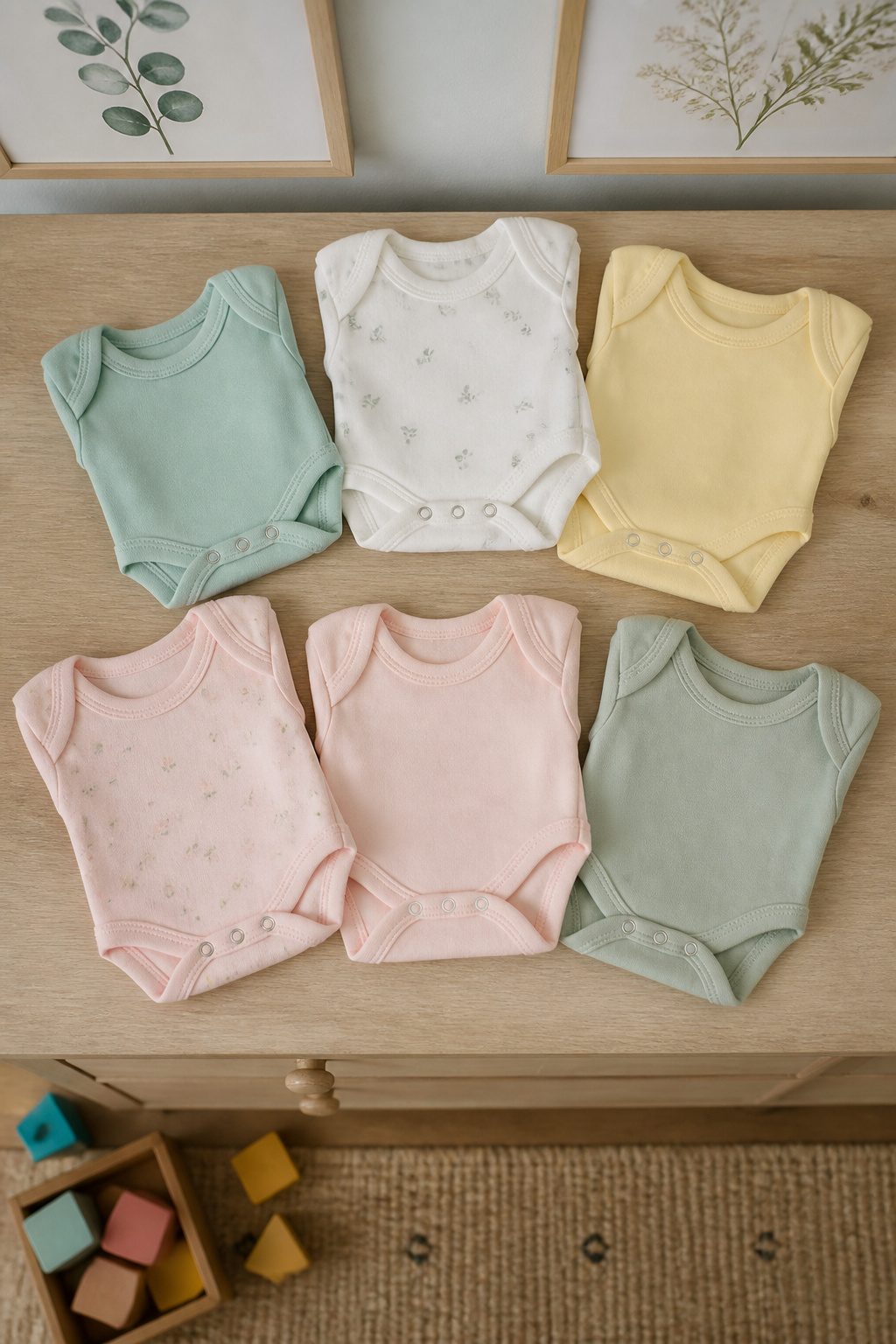
We keep 6 to 12 bodysuits on hand for a newborn, split between short-sleeve and long-sleeve.
They are the layer that touches skin all day, so they catch the spit-up, the diaper leaks, and the drool. That means they get changed more than anything else in the drawer.
Short-sleeve bodysuits carry most of the load in warm weather or under footed sleepers. Long-sleeve ones step in when the house runs cool or when you are layering under a swaddle.
We reach for long sleeves even in summer sometimes; they work fine under lighter outer layers and keep arms from getting sun if you are out for a walk.
The envelope-style neckline, with that overlapping fabric at the shoulders, matters more than we expected.
You can pull a soiled bodysuit down over the body instead of dragging it up over the face. After a blowout at 2 a.m., that design earns its keep.
Look for snaps that hold tight through repeated washing. Weak snaps gap and scratch, and a bodysuit that pops open during a nap is not worth the drawer space.

Skin-Friendly Cotton: Made from premium cotton, these baby bodysuits are skin-friendly and breathable. You don't need to worry about summer eczema and it can effectively protect the sensitive skin of your little one. Unlike regular ribbed fabric, our material features a finer rib texture for a softer touch. No irritation when you holding your baby.

SOFT COTTON COMFORT: Made from 100% cotton 1x1 rib knit fabric that feels soft against baby's delicate skin while offering flexible wiggle room for all-day play

Value Pack: Includes five bodysuits, offering great value for everyday wear and easy outfit rotation
Sleepers or Footies
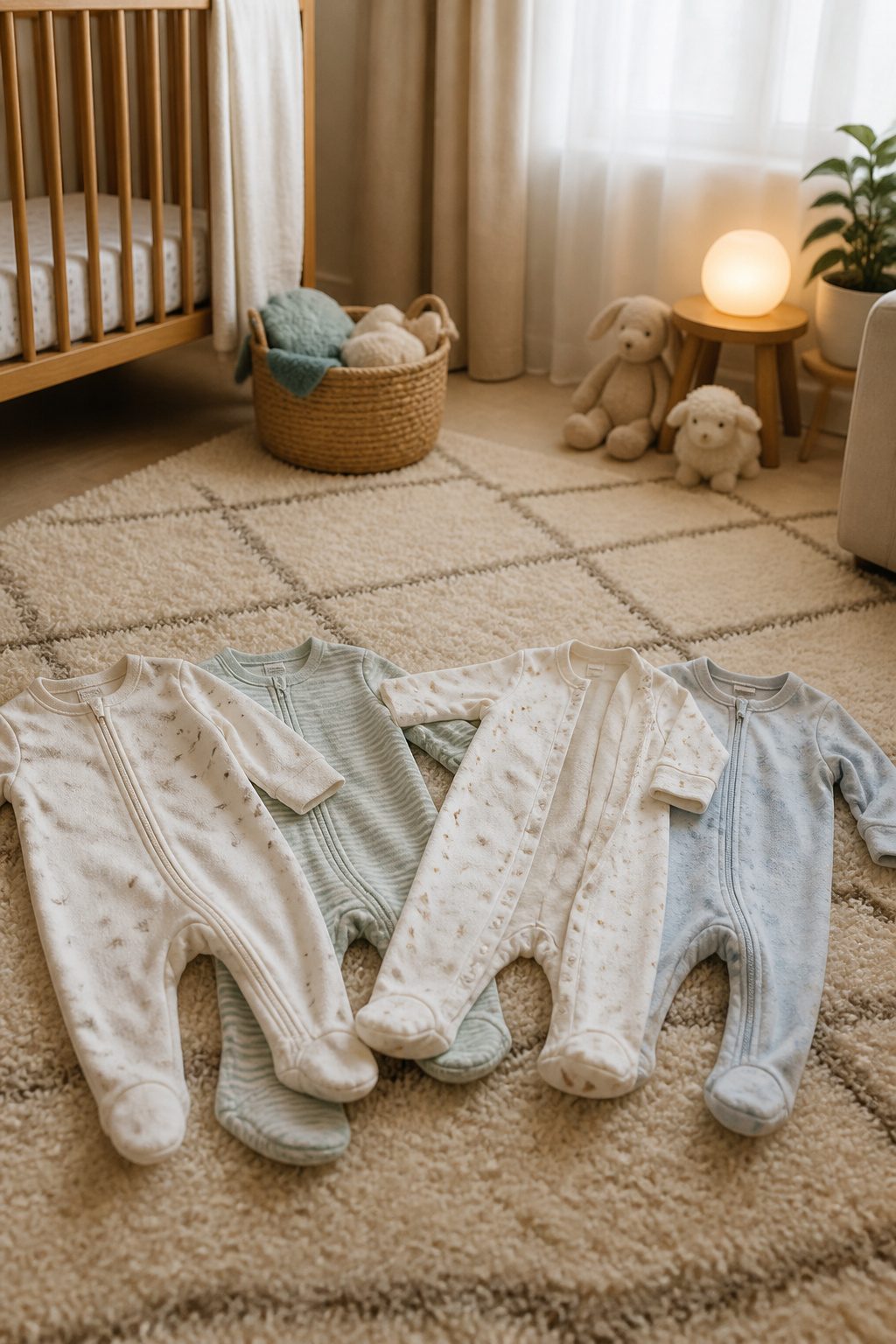
For sleepers, 4 to 10 is the workable range, and where you land depends on how you handle nights.
We keep ours at the higher end because a sleeper replaces the whole pants-plus-socks puzzle at 2 a.m. One zipper pull and you’re done; no hunting for a lost sock in the crib sheets.
Zippered styles win for speed, though the metal can nip skin or snag if the flap is missing or worn.
Snaps take longer in the dark, especially with a baby who arches and kicks, but they let you vent heat from the middle without stripping the whole outfit.
We ended up with both and reach for snaps when the house runs warm and zippers when we’re running on four hours of sleep.
If you’re swaddling over a onesie, you can drop toward the low end of that range.
The swaddle does the warmth and containment, so the sleeper underneath becomes backup rather than main system. In that setup, four clean ones gets you through laundry day without panic.

SIX ESSENTIAL SHIRTS: Includes six long sleeve side-snap shirts to keep the newborn drawer stocked, so there’s another clean one ready for outfit changes, spit-up, and little leaks
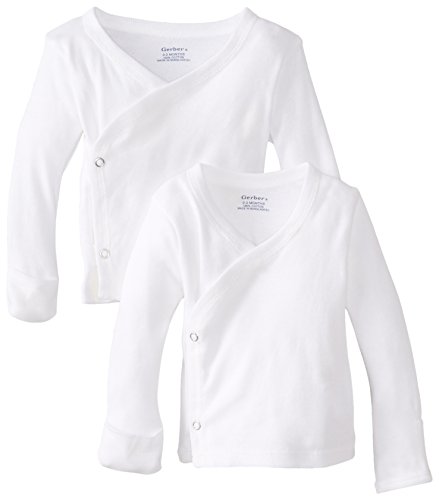

MULTI-PACK: Includes three Long-Sleeve bodysuits
Pants or Leggings
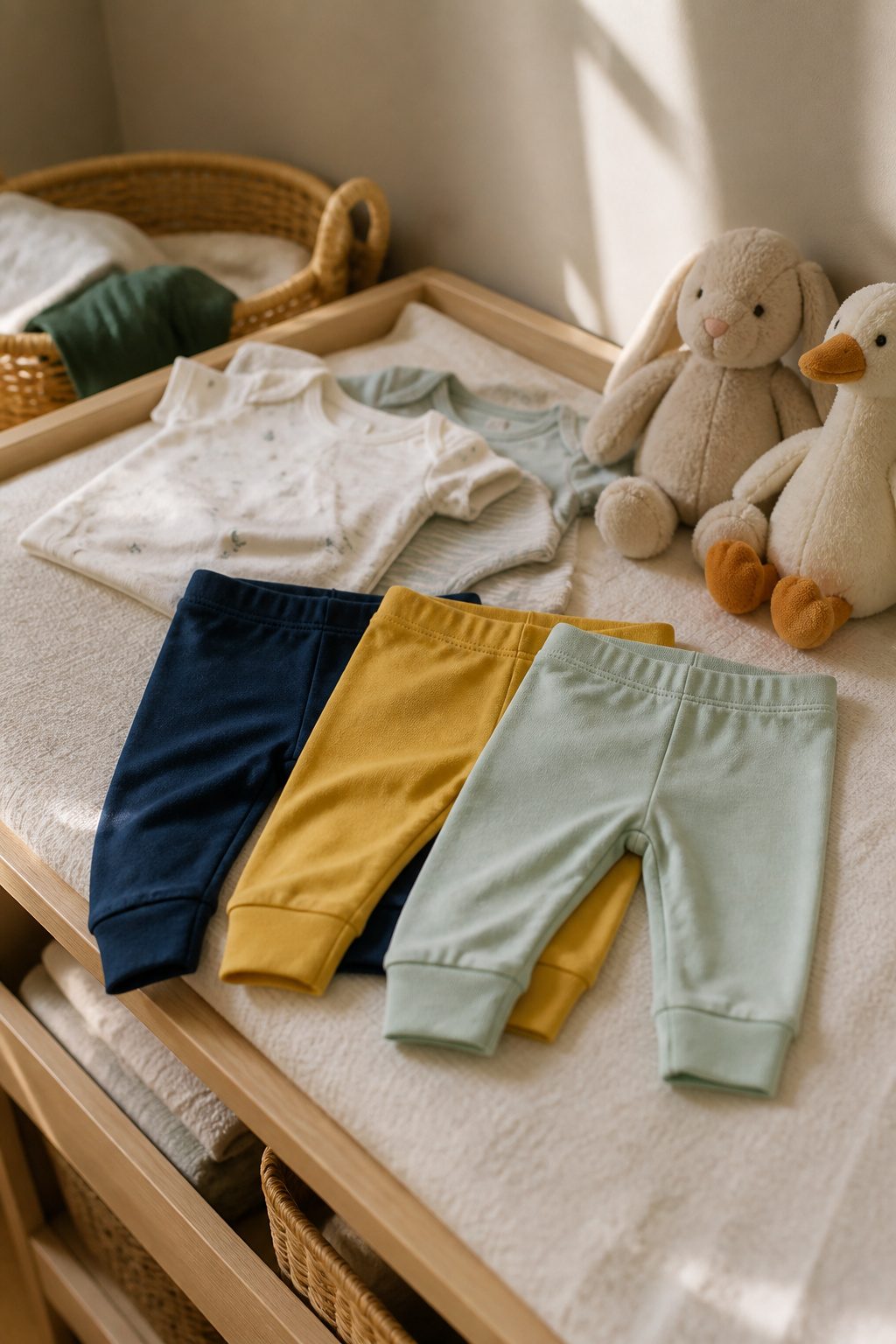
We keep three to seven pairs of pants or leggings on hand for a newborn, though in the first two weeks you may not reach for them at all.
One-piece outfits and sleepers cover most days early on, and the fewer pieces you pull over a healing umbilical cord, the better.
Around week three, daytime dressing starts to feel more routine, and separate bottoms become useful for mixing with bodysuits or adding a layer under a sleeper.
If you do buy them early, look for soft, stretchy waistbands that sit well below the belly button. A band that folds down or rides low keeps pressure off the stump while the baby kicks and curls.
Fleece-lined pairs are worth keeping for cooler months, but even lightweight leggings earn their drawer space once you are dressing a baby in parts rather than wholes.
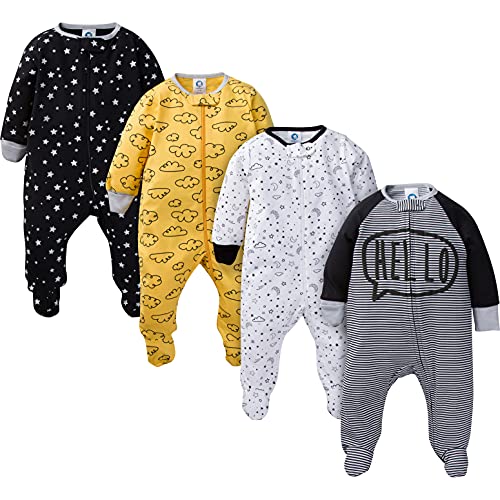
4-PACK SLEEP ‘N PLAY FOOTIE PAJAMAS – Includes four one-piece baby sleep ‘n play footie pajamas designed for sleep, playtime, and everyday wear. These infant sleepers are a newborn essential and a staple for any baby wardrobe.
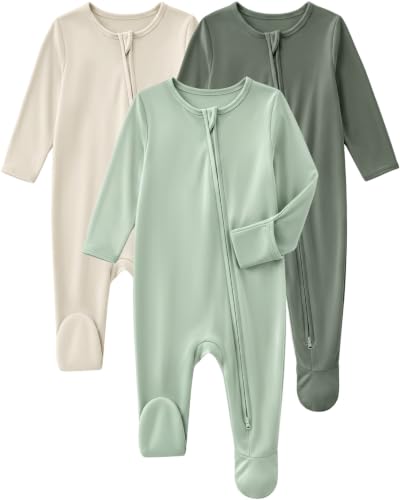
Ultra-Soft & Natural Fabric - Using viscose derived from bamboo material, this baby pajamas's fabric is incredibly soft, breathable, and moisture-wicking, ensuring comfort in all climates—ideal for babies and sensitive skin. Naturally renewable—grows 1 yard/day, Supports a healthier life, gentle for babies, kind to Earth.
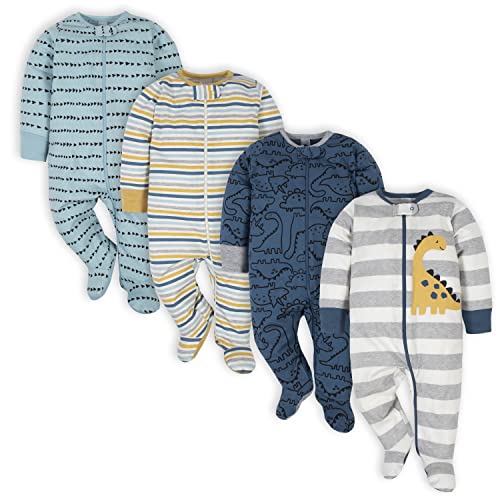
4-PACK SLEEP ‘N PLAY FOOTIE PAJAMAS – Includes four one-piece baby sleep ‘n play footie pajamas designed for sleep, playtime, and everyday wear. These infant sleepers are a newborn essential and a staple for any baby wardrobe.
Hats
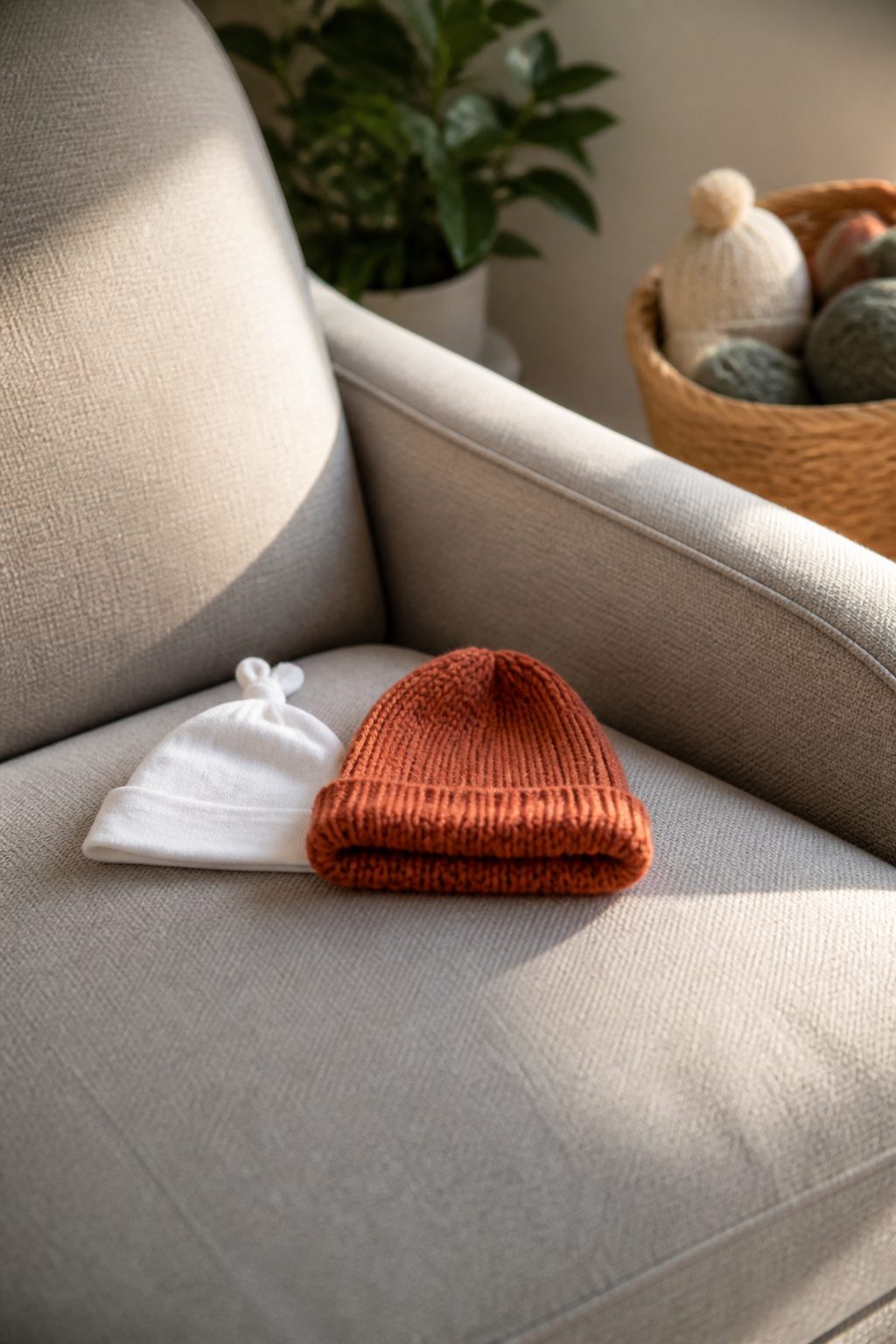
You only need one hospital discharge hat and one spare in the early weeks, because the hospital sends you home with the first one and it will get dirty faster than you expect.
After that, hats turn into a seasonal item, not a daily one. A sun hat for summer walks and a warm cap for winter are enough for most families.
We have watched parents stack up six or eight newborn hats before the baby arrives, then find half of them untouched in the drawer three months later.
The reason is simple: many babies hate hats and kick them off the moment they are old enough to move their heads.
The real number you need depends on how often you are willing to chase a kicked-off hat across the grocery store parking lot, or dig through the diaper bag for the one that was there yesterday.
Two to four hats is the practical range, but lean toward the low end unless you live somewhere with hard winters or you know you will not keep up with laundry.

Safe and Comfort: Made of organic cotton fabric and fluffy polyester filling, our sleep sack ensures the utmost comfort and the protection of toddler's sensitive skin. Yoofoss baby sleep sack with sleeves is Certified by the Global Organic Textile Standard (GOTS), we prioritize your baby's comfort and safety
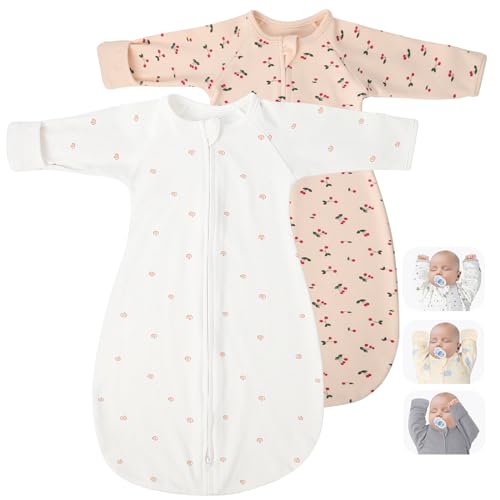
Babies' Like - The Transition Baby Swaddle allows baby who prefer to sleep with ARMS UP and enjoy sleep, babies who are starting to rollover and who are able to break out of a traditional swaddle. Certified by CPC (Children' Product Certification), we prioritize your baby's comfort and safety.

Socks or Booties
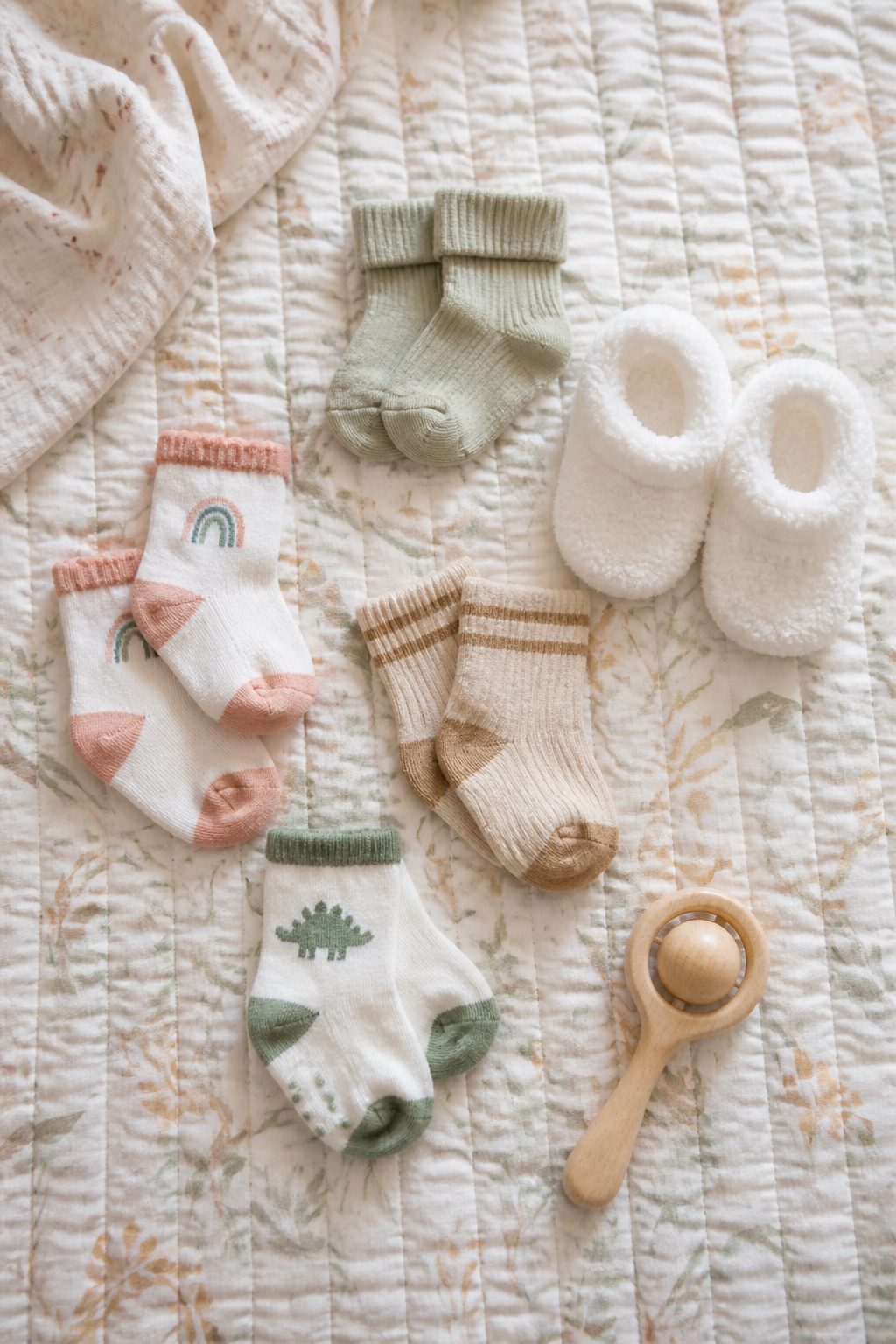
4 to 10 pairs of socks or booties is the practical range, and we lean toward the high end. They disappear into laundry baskets, wedge under car seat cushions, and slip off in grocery store parking lots without a sound.
Footed sleepers cut the sock count significantly.
When your baby lives in one-piece footies around the clock, you need far fewer standalone pairs. The trouble starts when you switch to separates: pants or gowns leave those tiny feet exposed, and newborn socks are notorious for sliding off.
Elastic helps, but many newborn styles skip it entirely or use a band too gentle to grip. Pulling socks up over pant legs buys you a few more minutes before they pop free again.
For families in cooler climates or drafty older homes, fleece-lined pairs add warmth without adding bulk. Lightweight cotton works for warmer rooms or layered outfits.
Either way, buy more than the math suggests. The pair you counted on is always the one missing.


Made from 95% combed cotton and 5% elastane,these baby girl pants are soft,breathable,and skin-friendly.Perfect for keeping your baby comfortable all day,no matter the season.

SOFIA GRAINGE COLLABORATION: Inspired styles for little ones, created in collaboration with Sofia Grainge
Swaddles
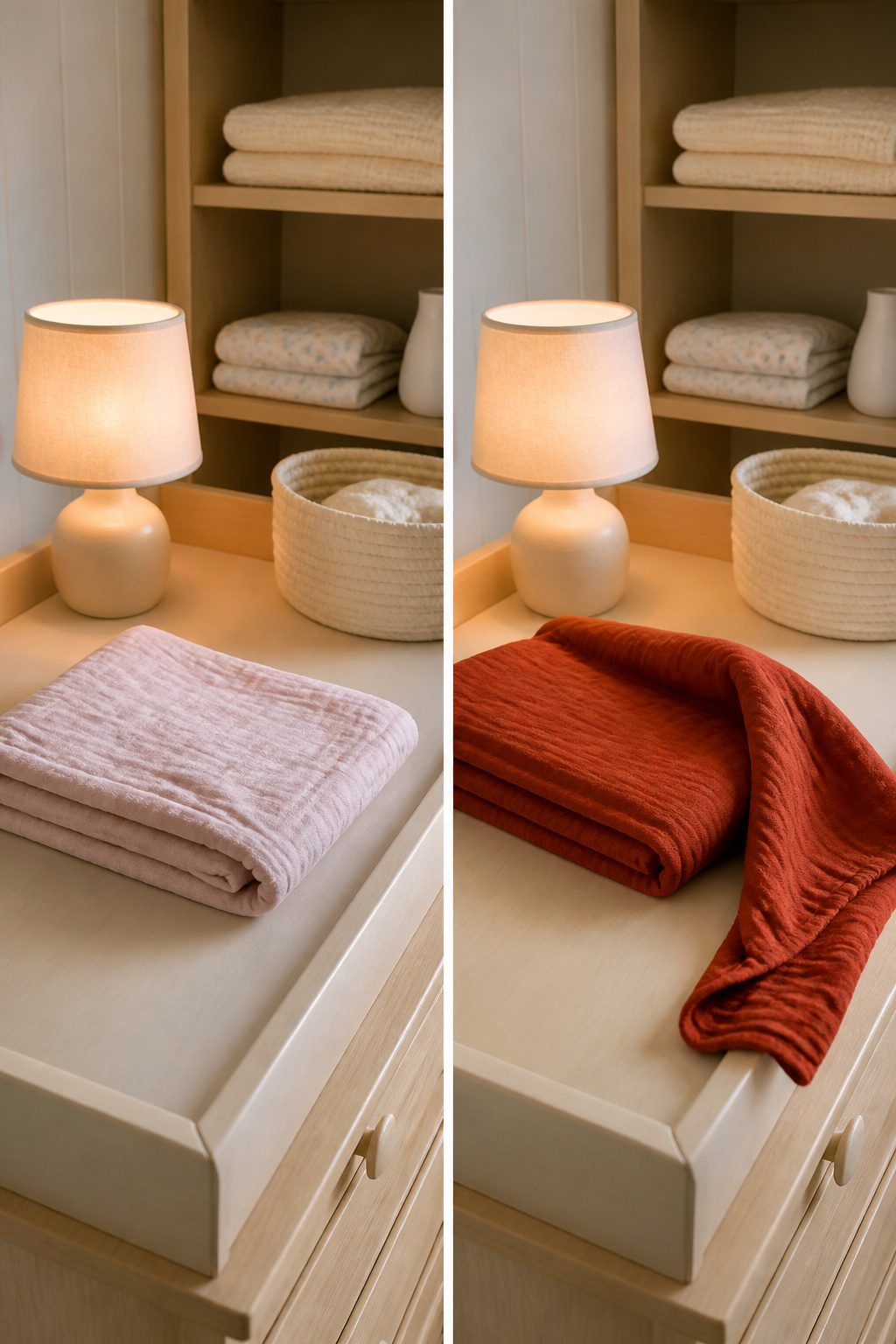
Most families do fine with 2 to 4 swaddles, and that count already assumes one is always in the wash or draped over the changing table.
Velcro swaddles save time at 2 a.m. when you are too tired to fold a straight corner, but a large muslin blanket stays useful long after the swaddle phase ends.
The sizing runs small to large rather than newborn-specific, so a 0–3 month label on a velcro wrap may still fit a seven-pound baby snugly.
Plan to transition out once the startle reflex fades and the baby shows signs of rolling; a transition swaddle or sleep sack takes over from there, and that same muslin square becomes a stroller blanket or nursing cover without any new purchase.

8-Pack Value: Exceptional value with eight high-quality bodysuits in one pack.

Ash: 98/2, Heather: 93/7 combed ringspun cotton/polyester

100% Organic Cotton: Wrap your little bee in GOTS-certified baby clothes made from organic cotton bodysuits that protect sensitive skin; breathable 100% cotton get softer with every wash.
Special Occasion Outfits
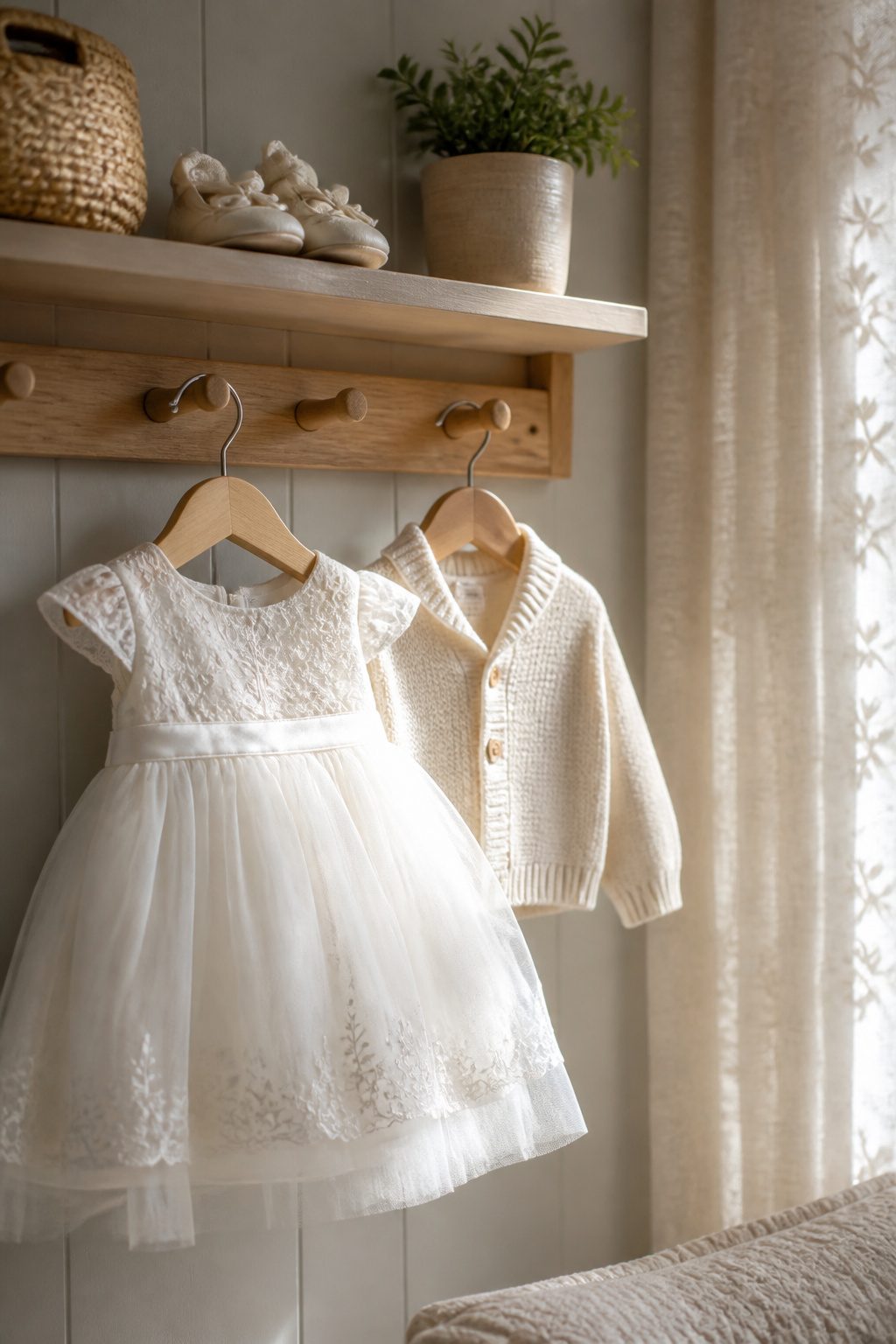
We keep one to three special outfits on hand, and one nice piece is usually enough. Babies outgrow these before a second wear, and plain white handles most photo needs just fine.
The tiny Jordan shoes and little sweaters we received looked adorable in the closet, but spit-ups and blowouts meant they rarely made it out the door.
Hand-me-downs fill this gap for plenty of families; my sister passed her son’s clothes to us, and we returned them when she had her second.
If you are buying, an outfit set with some texture works double duty: special enough for a photo, practical enough for a Tuesday.

5-Pack Value: Exceptional value with six high-quality bodysuits in one pack.

Includes six long sleeve bodysuits
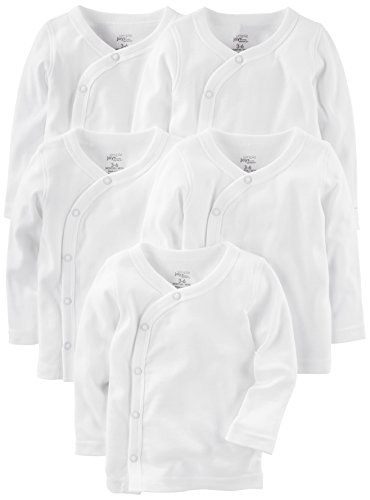
Convenient Side-Snap Design: Easy-to-fasten snaps along the side allow for quick dressing and changes without pulling anything over baby’s head, making them perfect for newborns and sensitive little ones
How Laundry Frequency Changes the Count
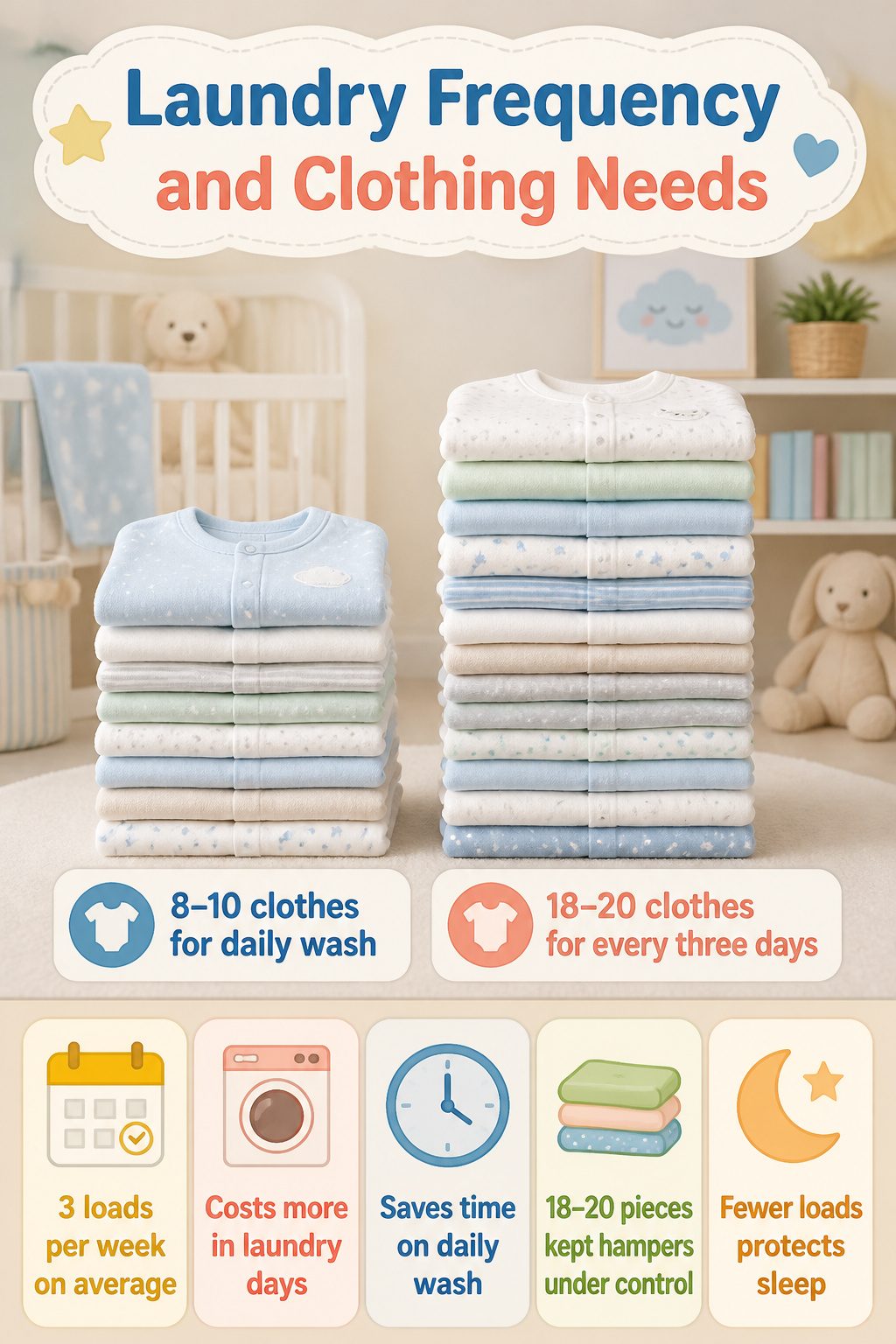
A newborn who soils 2–3 outfits a day will burn through your stock fast, so the math runs on laundry days, not closet size.
Keep 8–10 pieces on hand and you are washing daily. Stretch to every three days and the same baby needs 18–20.
We settled on a Tuesday-Friday-Sunday rhythm for our own routine. That is three loads a week, roughly every 2–3 days, which sits in the middle of what most families manage.
At that pace, 18–20 bodysuits and sleepers kept us clear of the hamper panic without turning the nursery into a branch of the laundromat.
Washing daily lets you trim back, but we found the savings thin.
Newborn weeks blur together; adding a load to an already broken sleep schedule costs more than the extra six onesies. If your machine is down the hall, not down the street, the higher count wins.

SOFT ALL-DAY COMFORT: Breathable 100% cotton jersey feels gentle on delicate skin from naps to nighttime

Soft & Comfort- Using 100% organic cotton material,our baby sleeper provides the softest experience for newborn babies. With highly breathable,these baby pajamas are suitable for sensetive-skin babies. The exquisite threading process ensures no extra threads to scratch your baby's skin.

SOFT 100% COTTON FOR DAY-TO-NIGHT COMFORT — Made from soft, breathable cotton jersey that feels gentle on sensitive skin, these Sleep ’N Play footies keep baby feeling good from bedtime to bright-eyed mornings.
Seasonal Layers and Fabric Weight
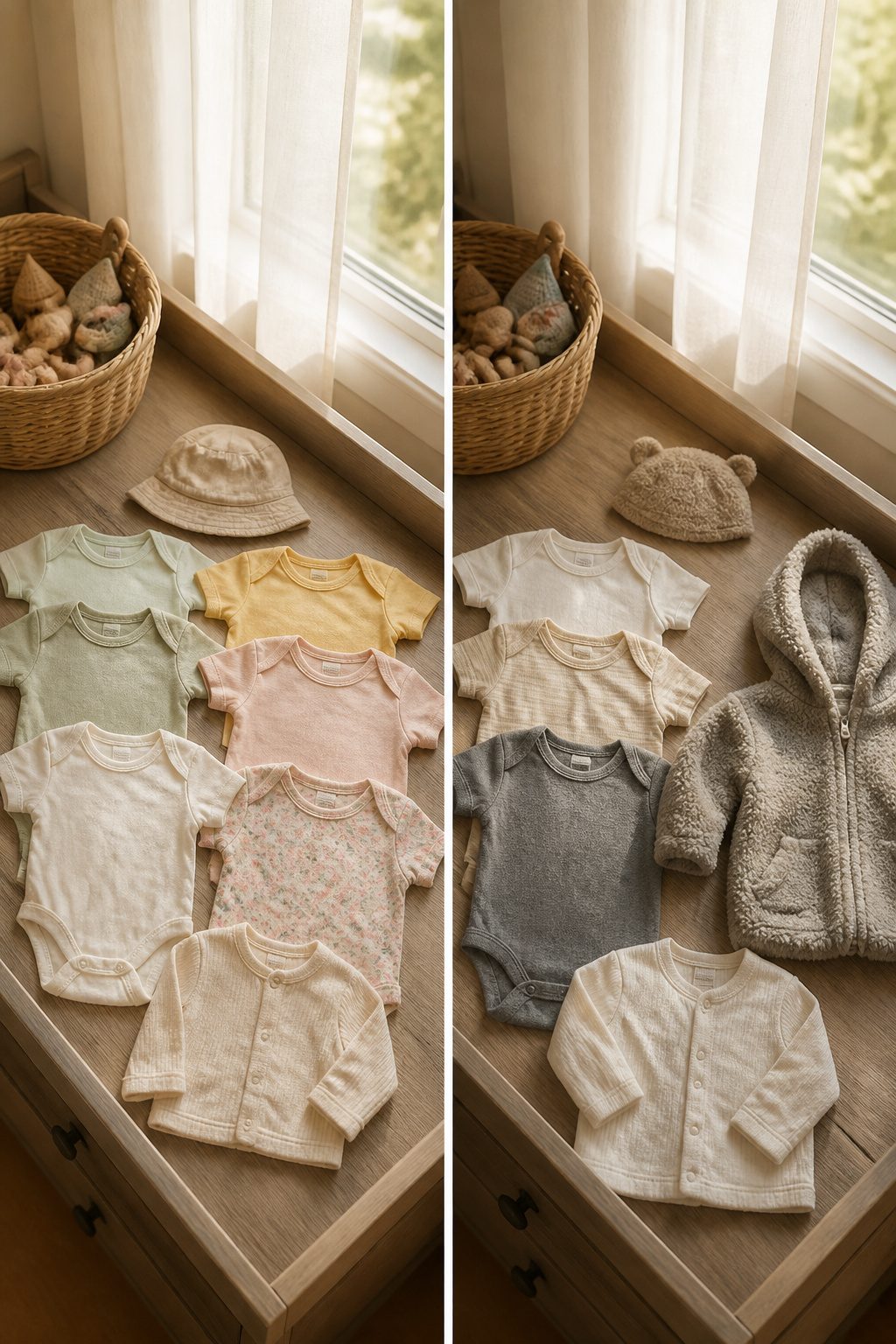
The same total number of newborn clothes shifts its makeup depending on when your baby arrives. For a summer birth, we lean toward 6 to 10 short-sleeve bodysuits and add a brimmed sun hat for outdoor stretches when shade is not guaranteed.
A winter baby needs more footed fleece sleepers, warm caps, and a couple of sweater layers, though we would not build a hat collection just because registry checklists include them.
Indoor heating in most US homes keeps base layers surprisingly steady year-round. The bodysuit count stays roughly the same; what changes is what goes over it.
We have found it useful to think one season ahead when buying, since a January newborn will need lightweight 3-to-6-month clothes by summer, and a July baby will want booties and a warm bunting once the temperature drops.
The real judgment call is outerwear versus overheating. Sources note that hats come off for sleep to avoid that risk, and bulky coats stay out of car seats anyway.
We skip the full winter wardrobe and plan on adding two or three season-specific pieces to a core set that works indoors no matter the month.
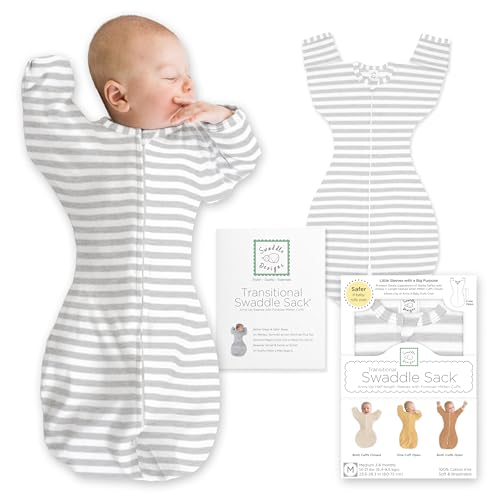
TRANSITIONAL SWADDLE SACK promotes BETTER SLEEP and SAFER SLEEP. Perfect for babies starting to or able to ROLL OVER, babies who like to sleep with ARMS UP and suck on hands to SELF-SOOTHE, and babies who can escape or get out of a classic swaddle

The OMNI SWADDLE SACK offers parents MORE OPTIONS to adjust how they swaddle as baby grows. A GREAT CHOICE for snug swaddling a newborn, for a baby who likes to suck on hands, for a baby starting to roll over, and every stage during baby’s first 3 months

𝐏𝐞𝐫𝐟𝐞𝐜𝐭 𝐒𝐥𝐞𝐞𝐩 𝐒𝐨𝐥𝐮𝐭𝐢𝐨𝐧 𝐟𝐨𝐫 𝐘𝐨𝐮𝐫 𝐁𝐚𝐛𝐲: Newborn Velcro Swaddles Little Goose Swaddles Bands, Made with ultra-soft, skin-friendly material, this swaddle wrap is designed to gently hug your baby, reducing the startle reflex and helping them sleep soundly through the night. Ideal for newborns and infants, it promotes deep, peaceful sleep.
Why 0-3 Month Sizes Beat Newborn
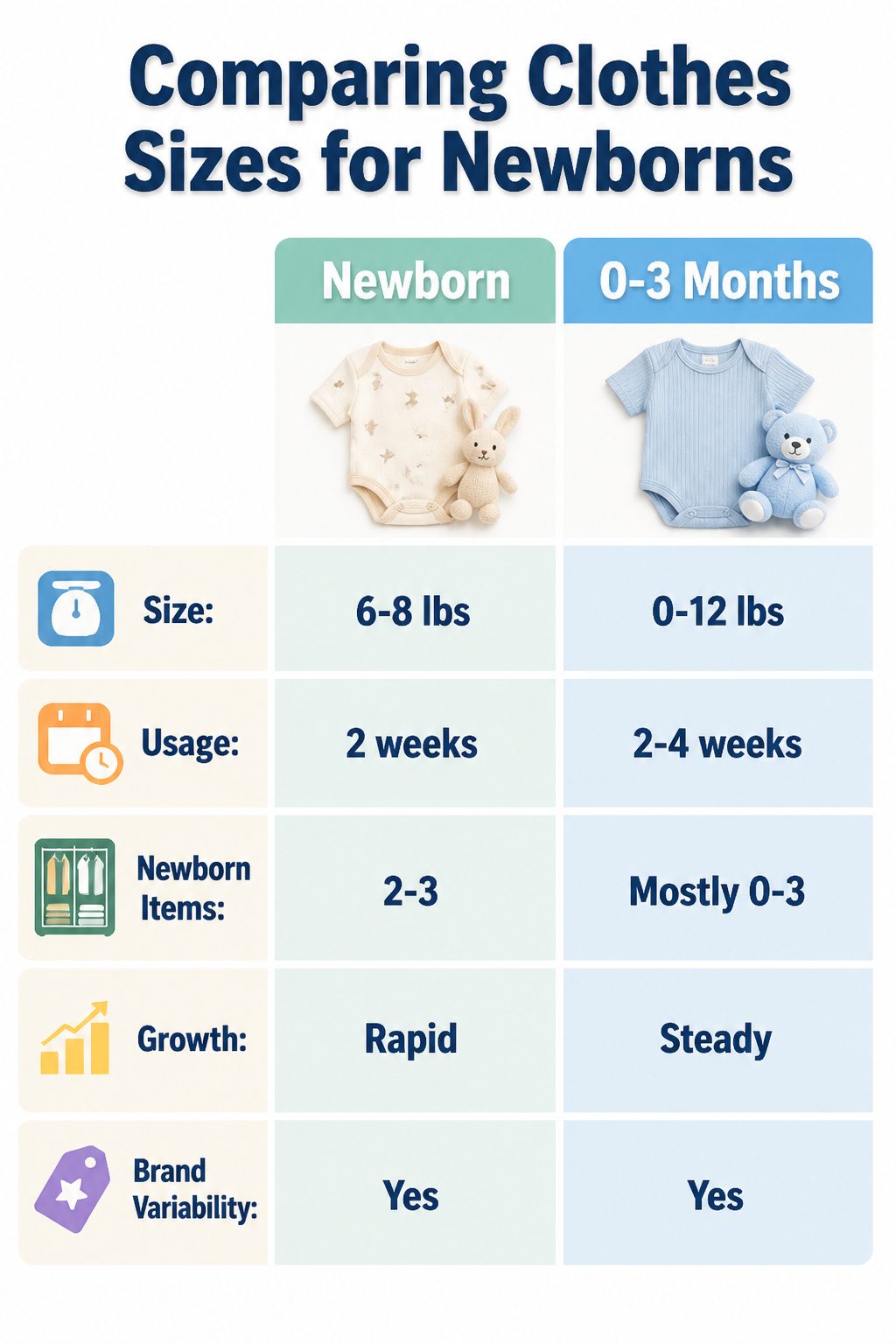
Babies grow faster than most of us expect.
About half of them outgrow newborn size within two weeks, and the window for the rest is roughly two to four weeks total. That is not much runway for a whole wardrobe.
Newborn sizes generally cover babies from about six to eight pounds.
The 0–3 month size picks up right there and runs to about twelve pounds, sometimes a little more depending on the brand. For most families, that makes 0–3 month the smarter place to put your money.
We keep two or three newborn items on hand, enough for the hospital bag and those first few days at home.
Everything else we buy in 0–3 month. If your baby arrives over eight or nine pounds, they may skip newborn entirely and go straight into that larger size anyway.
One thing we learned the hard way: sizes vary by brand.
One label’s 0–3 month runs slim, another’s fits like a sack. Since you will not know your baby’s shape until they are here, mixing a couple of brands in that first order beats betting everything on one cut.
Most babies grow out of newborn sizes quickly, so it’s smart to grab just a few and focus more on 0–3.
— Babylist
That lines up with what we have seen. Two or three newborn pieces, the rest in 0–3 month, and you will not be caught with a drawer full of clothes that already do not fit.

SOFT STRETCH FOR ACTIVE COMFORT: Crafted from a rib knit (97% cotton/3% spandex), these active pants deliver reliable softness with the perfect amount of stretch to keep up with daily movement

Includes four pairs of baby pants
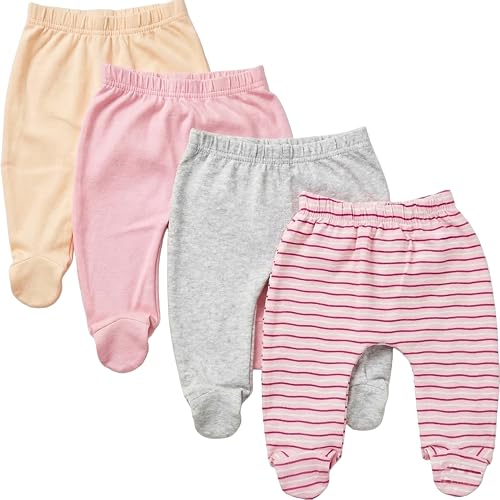
BUILT-IN FEET, NO LOST SOCKS - enclosed footies keep little toes covered all day, so there is no hunting for a matching pair
Fabric Quality for Sensitive Skin
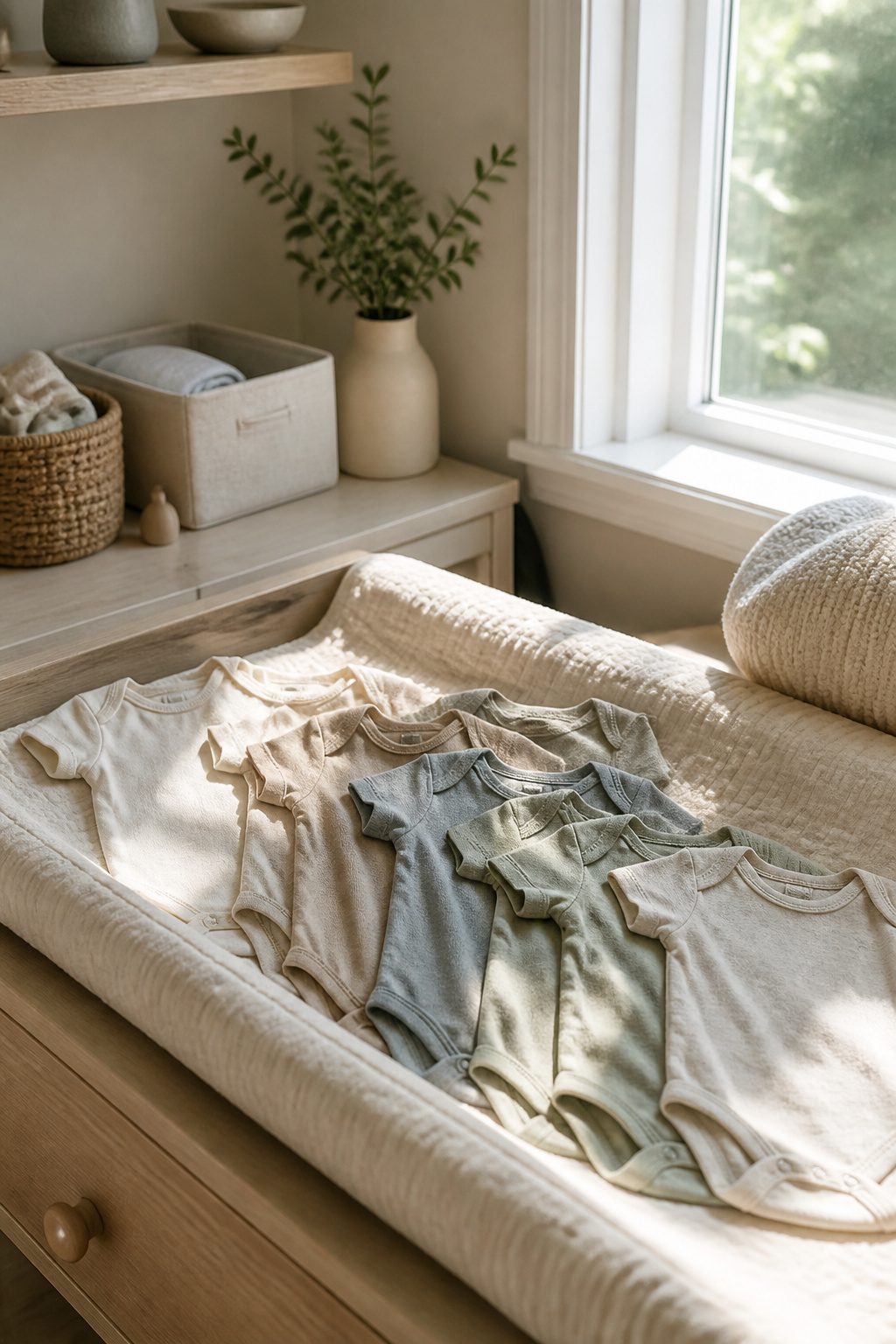
Organic cotton is the fabric we reach for first, and not because of the label.
Cheaper cotton blends stiffen after about five washes, while better cotton actually softens. For a baby with sensitive skin, that difference matters more than owning extra items.
Skip anything with a tag at the neckline. An itchy label turns a perfectly good bodysuit into something you will stop reaching for after one red mark.
Look instead for overlap shoulders that expand over the baby’s body; they make changes easier and leave nothing rubbing against the neck.
GOTS certified organic cotton holds shape through repeated washing and does not trap moisture the way synthetic blends can.
That breathability matters when you are changing clothes eight to ten times a day for spit-up, reflux, or drooling. A smaller stack of well-made pieces beats a drawer full of backups that chafe or pill.
Frequently Asked Questions
How many newborn clothes do I need?
Most families do well with 6 to 12 bodysuits, 4 to 10 sleepers, and a handful of pants, socks, and hats.
The exact count depends on how often you do laundry; at a pace of every 2 to 3 days, 18 to 20 total pieces keeps you clear of emergency washing without overflowing the drawer.
What size baby clothes should I buy?
Buy mostly 0 to 3 month sizes and keep only 2 to 3 newborn pieces on hand.
About half of babies outgrow newborn size within two weeks, and the rest follow within a month, so the larger size gives you far more wear. If your baby arrives over eight or nine pounds, they may skip newborn entirely.
How often do newborns need outfit changes?
Plan on 2 to 3 outfit changes per day in the early weeks. Spit-up, diaper leaks, and drool soil clothes fast, which is why bodysuits and sleepers get changed more than anything else in the drawer.