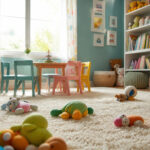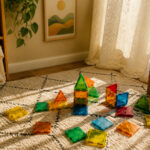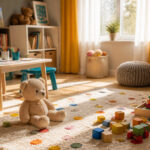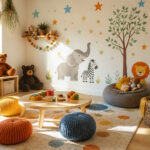
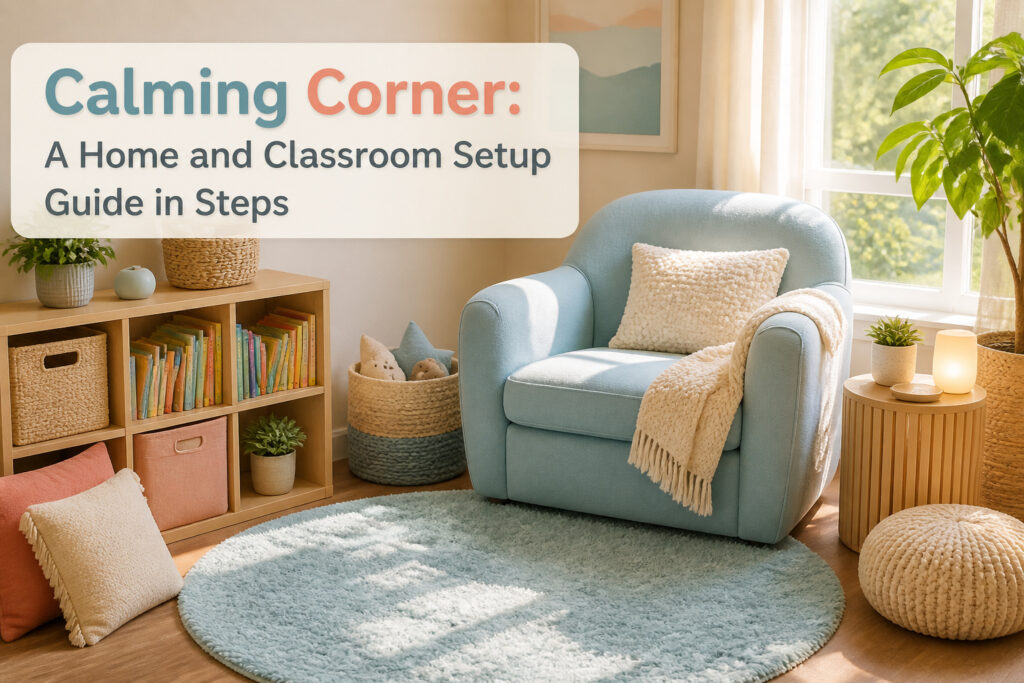
A calming corner is a small, dedicated spot where a child can step away to pause and reset when emotions run high. It only works if the child actually gets there before the moment passes, which means proximity beats square footage every time. We learned this the hard way after our first attempt, a bean bag tucked into a closet, felt like exile to our kid until we moved it three steps from where tantrums usually start.
[link-whisper-related-posts]1. Choose the Right Spot
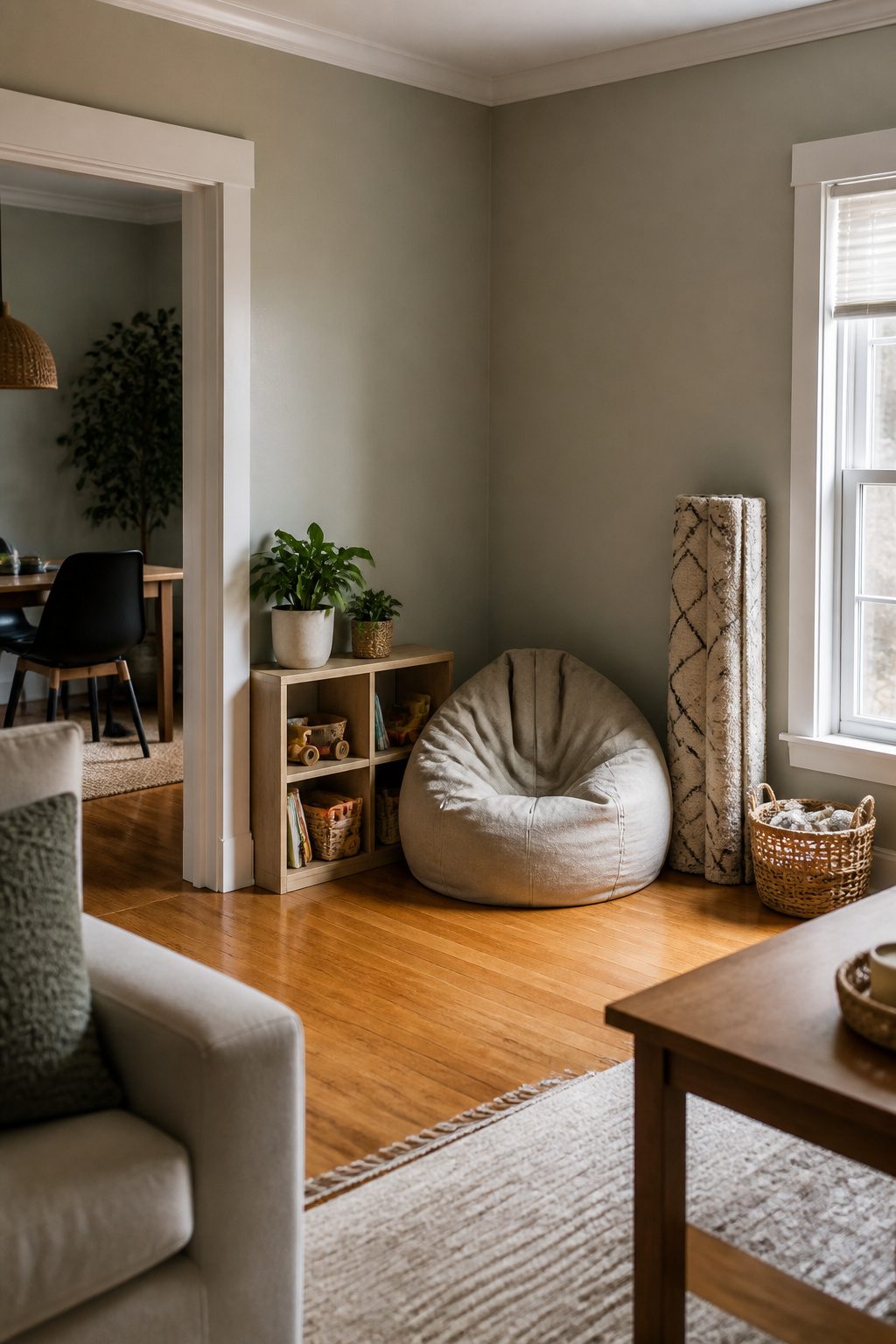
We learned the hard way that a calming corner only works if a child actually gets there before the moment passes. In our first attempt, we tucked a bean bag into the back of a closet that felt peaceful to us, but the hallway noise and the closed door made it feel like exile to our kid. We moved it to the corner of the living room, three steps from where tantrums usually start, and use went up immediately.
Proximity beats square footage every time. A 3-by-3 foot nook within earshot of daily life outperforms a quiet room down the hall. Thin walls are the reality in rentals and first homes, so we stopped chasing silence and started managing sound instead. A low bookshelf or a folded rug on its side blocks enough visual distraction to signal "separate" without pretending the space is soundproof. The goal is a spot where a child feels safe using coping strategies without competing for attention against the TV, traffic, or siblings.
Work with your child on the location. The more input they have in picking the spot and naming it, the more likely they are to use it when they need it.
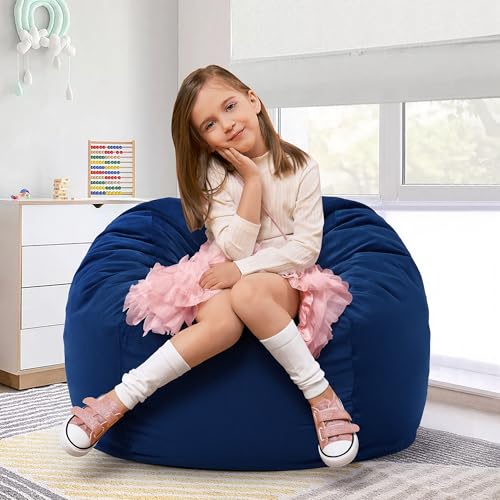
Comfortable Bean Bag Chairs: Boys and girls alike will enjoy the comfy beanbag chairs. The bean bag cover is made of 100% skin-friendly and soft fabric, and it's filled with high-density memory foam, which is super comfortable and supportive to sit on

A Splash of Joyful Style: this versatile bean bag chair cover is designed to bring warmth and comfort to any space, features a funny expression pattern, instantly brightening any space it occupies; And the interesting expression pattern that makes it the nice addition to a cozy corner for classroom settings, whether for reading or quiet time as we head back to school; Note: chair cover only, no padding

A Splash of Joyful Style: this versatile bean bag chair cover is designed to bring warmth and comfort to any space, features a vibrant rainbow pattern adorned with uplifting messages, instantly brightening any space it occupies; And the charming rainbow pattern that makes it the nice addition to a cozy corner for classroom settings, whether for reading or quiet time as we head back to school; Note: chair cover only, no padding
2. Design the Space
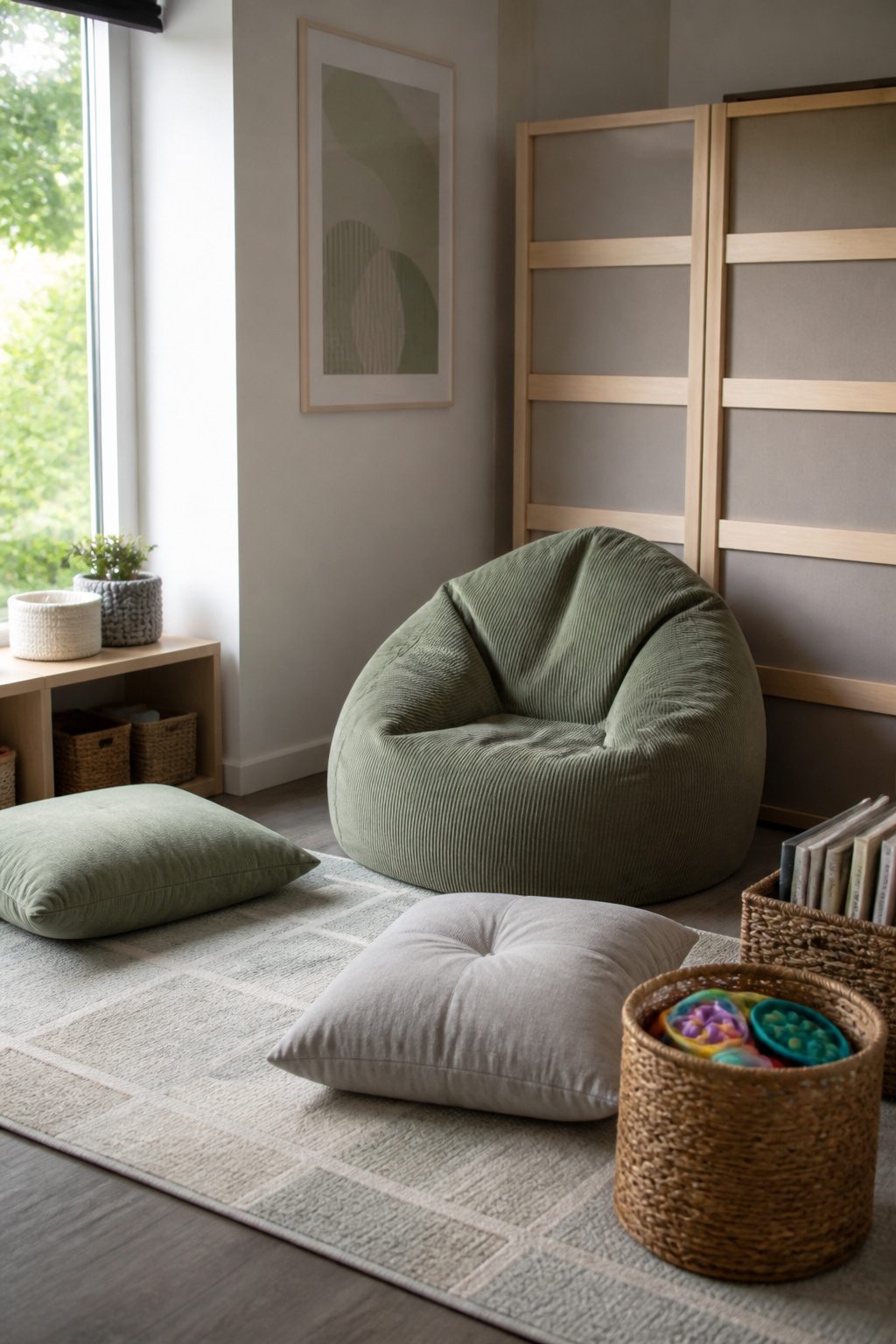
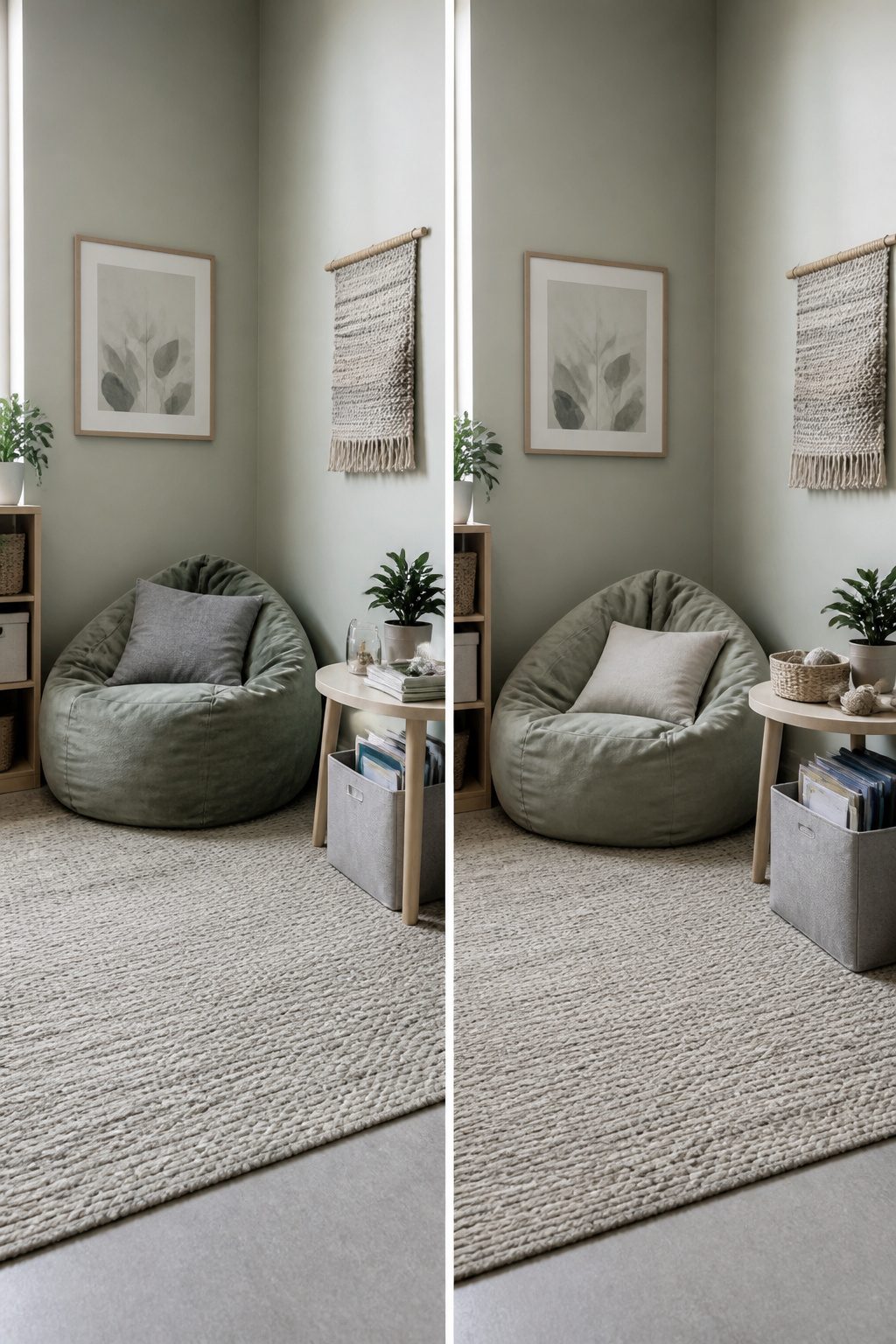
Soft seating is where we start, because a calming corner only works if a child actually wants to sit in it. A bean bag chair or a couple of large floor cushions do the job without eating the whole budget. We have seen teachers use fluffy bath mats or even blown-up inner tubes in a pinch, and they hold up fine. Add a soft rug underneath and you have defined the space for under a hundred dollars if you shop the dorm-section sales.
Color choice matters more than we expected. We aimed for tones that read as calm to an adult too: dusty blues, sage greens, warm grays. Bright primaries feel like a play zone, and the point here is downshift, not entertain. A low partition or divider helps with that sense of retreat, especially in a classroom where the rest of the room keeps moving.
Sensory tools round it out, but we would keep the screen rule hard. A lava lamp, a snow globe, or a calm-down jar gives visual focus without the alert that comes from electronics. Headphones with or without music, a weighted cushion if the budget stretches, and a small basket of fidgets complete the setup. Skip the bookshelf unless you already own it; a magazine stack or a few picture books in a bin works the same and keeps the weekend timeline real.
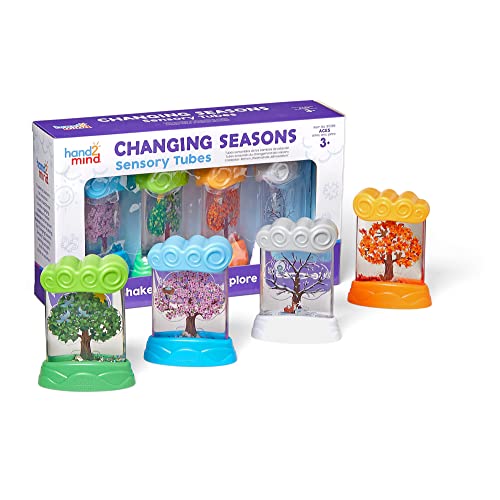
NATURE TOYS: Introduce children to seasonal change with nature themed sensory tubes that invite them to shake, swirl, and observe plants, animals, sun, and snow, creating calming moments that connect feelings, weather, and the world around us.

DESIGN, SCULPT & SHAKE: Make 2 sweet treat-themed water globes with this fun DIY craft kit! Use colorful clay, tools, and stickers to sculpt a magical scene for your cupcake and milkshake figurines. Add water and glitter to bring your globes to life! Display them in matching trays or use as cute room décor. A perfect make your own snow globe activity for kids who love crafting fun

Enjoy Calming Ocean Waves: Experience the soothing effects of the deep ocean with our calming autism sensory light projector. The light reproduces sea waves and projects water ripple effects onto the walls and ceilings, creating a serene environment for you and your loved ones. Plug in with USB port.
3. Set Ground Rules
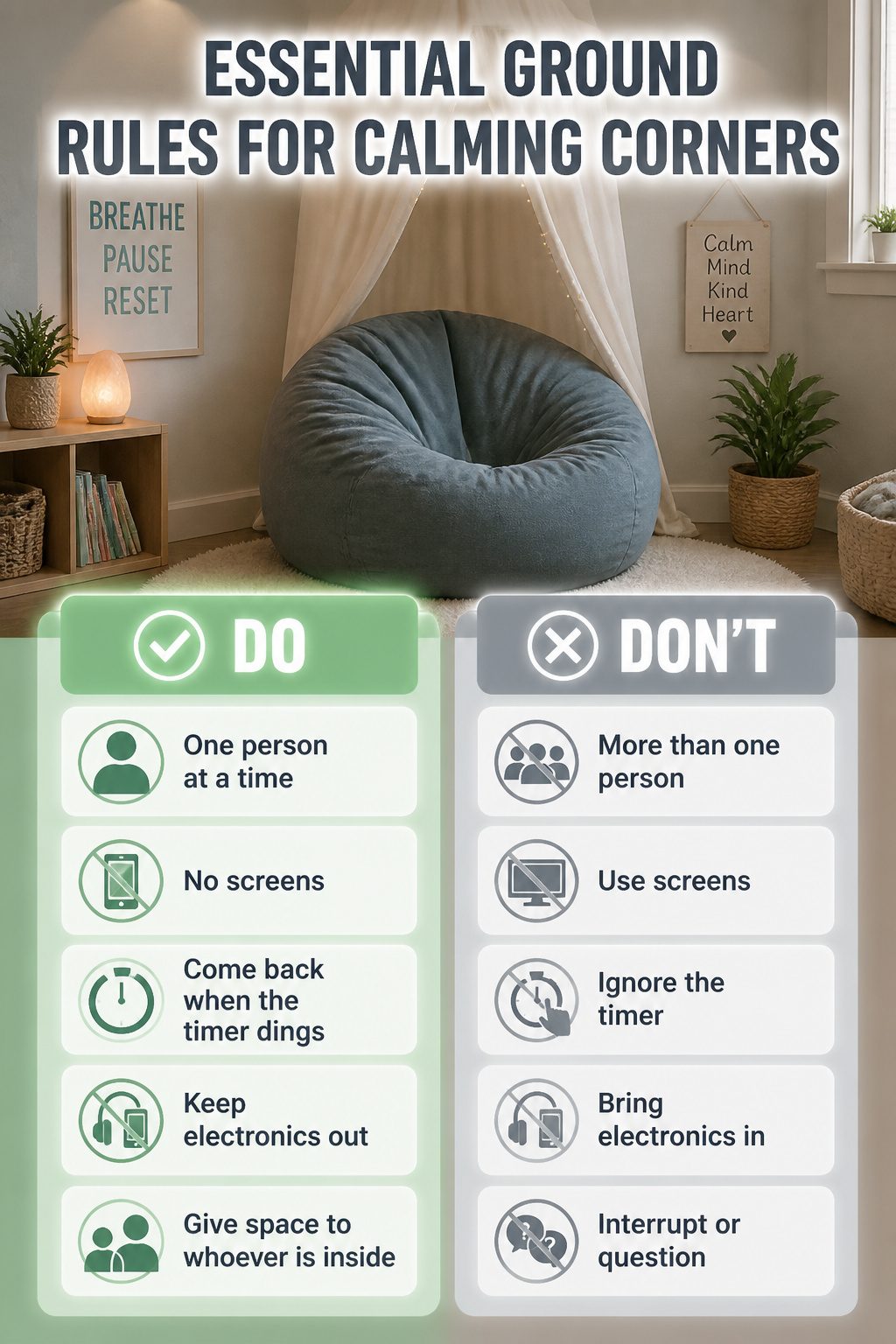
Rules work best when the child helps write them, not when they arrive laminated from an adult. For a five-year-old, that means three short sentences on an index card: "One person at a time," "No screens," "Come back when the timer dings." For a ten-year-old, the same rules hold but the phrasing shifts to "Let the next person know when you’re done," "Keep electronics out so your brain can actually slow down," and "Set the timer yourself, then stick to it."
The mistake we see most often is leaving the purpose vague. A child who feels cornered will test the space the first time they want to skip math class. If the corner becomes an escape hatch, put a simple sign-in sheet by the entrance. A quick note of time and feeling, nothing elaborate. Patterns show up fast: three visits during spelling, and you know you are looking at avoidance, not overload. Break tickets help here, two per morning and two per afternoon, traded in for corner time. The child keeps agency, but the corner stays a tool for regulation rather than a hideout.
Other children need the opposite reminder, taught explicitly and repeated: give space to whoever is inside. A beanbag and a closed mouth from the hallway, not questions through the curtain. The privacy matters, but so does the visibility that lets a teacher or parent glance over without intruding.

Motion Fidget Toy – Wrapped in a soft silicone outer casing with unique carwash texture, our Liquid Motion Bubblers creates a stunning visual effect while offering a fun experience that brings smiles to both kids and adults.

【Lively Rainbow Visual Timer】Our visual timer boasts a rainbow pattern to capture kids' attention. Ease their reluctance and make homework or bedtime prep feel like games
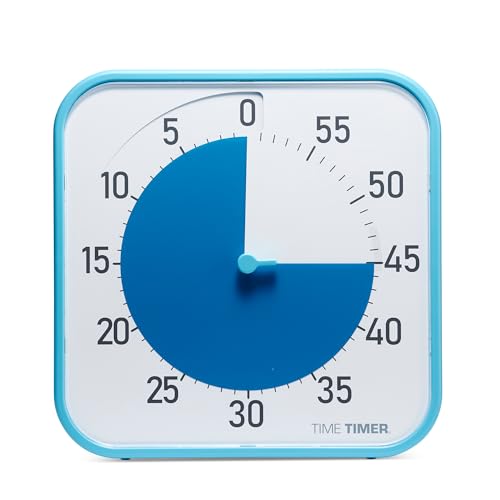
SOOTHING BLUE DISK WITH LIGHT BLUE FRAME: Calm, high-contrast visual countdown designed to reduce visual intensity while supporting focus, SEL, and sensory-friendly learning spaces
4. Stock Calming Tools
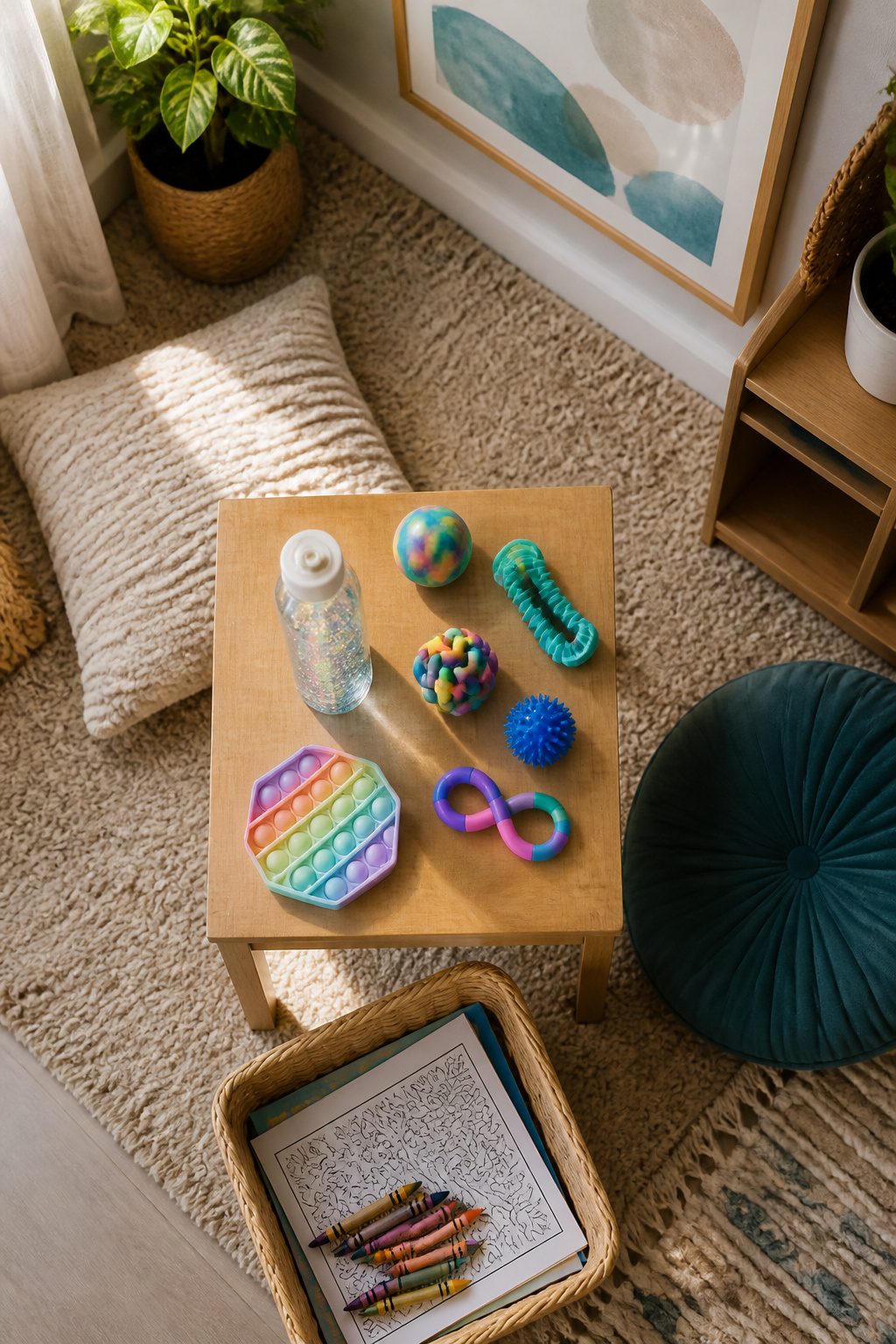
We keep our calming corner stocked with tools that cost under $15 and survive daily handling. Here is what we have learned holds up:
- Stress balls and fidget toys give kids something to squeeze while tension works its way out. Silly putty and pop-its fall in this same group, and all of them run cheap enough to replace when they walk off.
- A calming jar, sometimes called a glitter jar, is just clear glue, water, and glitter in a sealed bottle. Kids shake it and breathe while the glitter settles. Settled glitter stands for calm; shaken glitter stands for big emotions. It costs next to nothing to make and lasts until someone cracks the lid.
- Coloring books and crayons keep hands busy without demanding much focus. Research links coloring to reduced anxiety in young children, and the rhythmic motion helps some kids decompress while others use it to express what they are feeling.
- Breathing exercise visuals turn an abstract skill into something concrete. We like the breathing colors exercise: kids pick a calming color to breathe in and a stress color to breathe out. Color imagery keeps them engaged longer than counting alone.
- A visual timer removes the argument about when corner time ends. Sand timers work; so do the digital classroom timers that count down in red. Either way, the child sees time passing instead of asking every thirty seconds.

HELPS KIDS RELAX AND FOCUS: The weighted lap pad for kids offers a gentle and calming deep touch pressure input that helps improve focus and promote relaxation for children with sensory issues

Everyday Comfort: Our weighted lap pad for kids provides gentle pressure for children. The blanket offers comfort during playtime, reading, homework, or car rides.

【HELP YOUR CHILD STAY CALM & RELAXED】This sensory weighted animal will always provide emotional support and a sense of security for your child! As the pressure of the weighted sloth provides a blanket of security, it will help your child focus and concentrate better in difficult situations.
5. Introduce the Corner
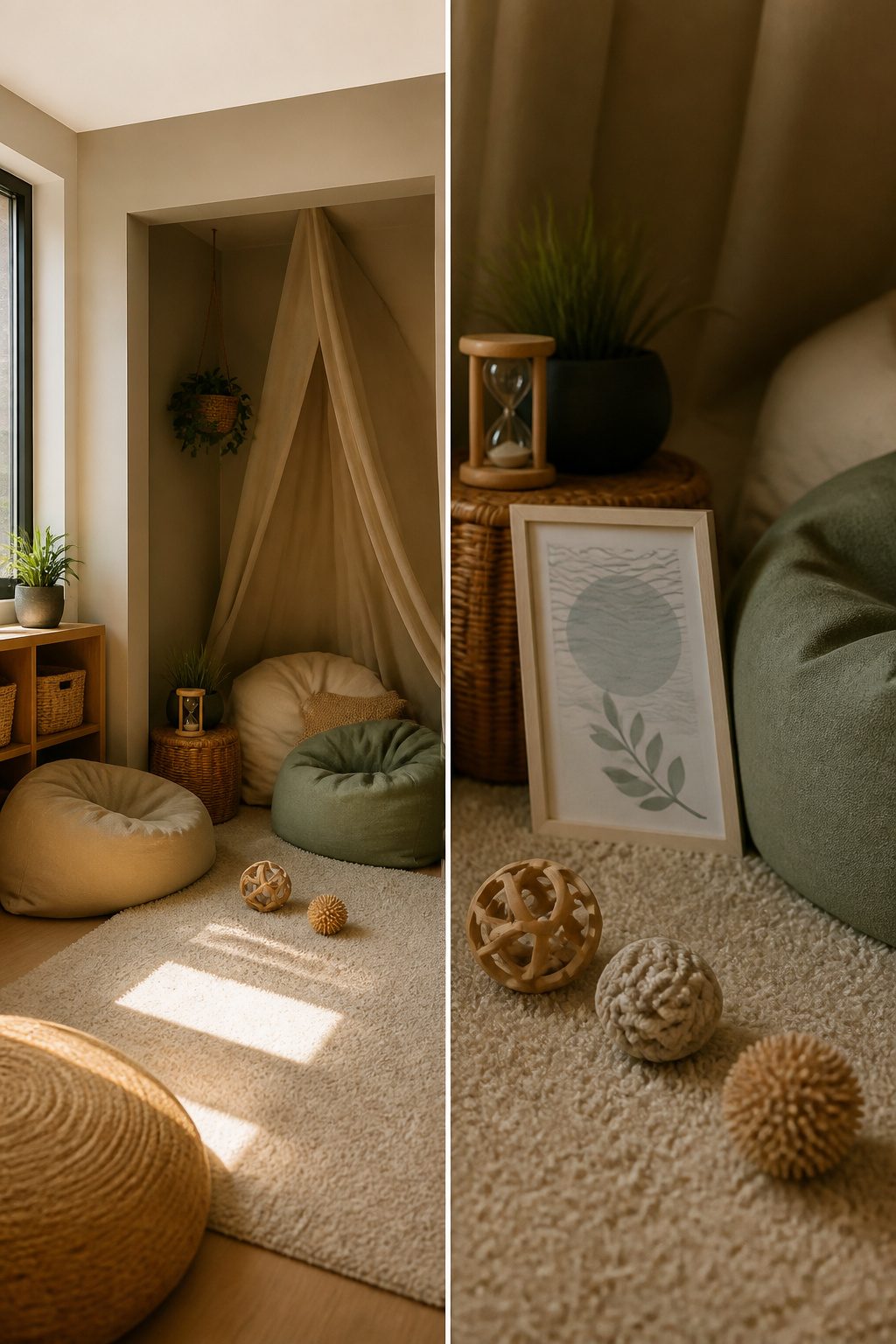
A calming corner is a quiet area equipped with soft furnishings and soothing materials where a child can de-escalate when upset. The purpose is straightforward: when we feel overwhelmed, our brains have trouble thinking clearly or solving problems, and pausing to reset the body and mind helps us get back to what we were doing.
The child decides when and how to use it. That independence is the whole point. We have seen adults turn these spaces into timeout zones without meaning to, and the shame that creates undoes every good intention. If you think your child would benefit but is not going there on their own, try asking whether they might feel better hanging out there for a bit, then leave the choice with them.
There are two ways to introduce the space, and they serve different ages and moments. Playful engagement works better for younger children: five to ten minutes daily of cuddle time, feeling books, or breathing practice with a calming jar builds the habit before they need it in crisis. Direct instruction, where you name what is happening and suggest the corner, fits the older child who can recognize their own rising frustration but has not yet learned to act on it.
Demonstrating use without singling anyone out is the part most adults stumble on. The fix is to visit the space yourself when you are visibly stressed, or to make it part of the whole family’s routine, not a destination for the one child who struggles. When everyone treats it as a normal tool, no one feels marked by using it.

Foster a Positive Learning Atmosphere Create a supportive environment with our "Calming Corner" and "Safe Space" series. Specifically designed for Social Emotional Learning (SEL), these pieces help students manage big emotions and feel secure, making them essential classroom necessities for every grade level.

Calm Down Corner Poster Set: This all-inclusive ocean calm down corner bulletin board set features 17Pcs emotion management posters and 80Pcs adhesive dots, providing essential calm down corner supplies for creating engaging calming corner classroom or therapy office decor. Perfect as classroom decorations for emotional learning spaces
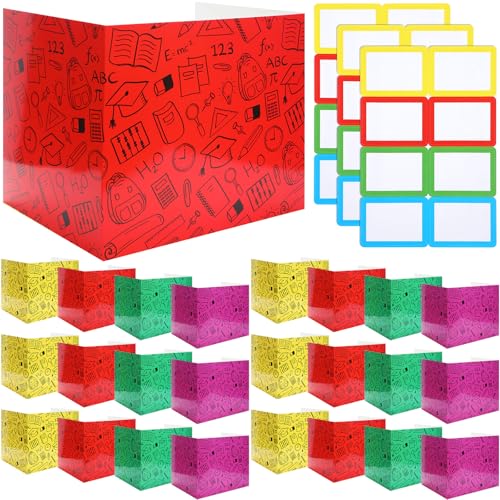
Ample Quantity: the package includes 24 privacy boards for student desks in 4 vibrant colors and 24 labels; This generous quantity ensures you have enough for daily use, replacements, and sharing with family, friends, or coworkers, making it a versatile and practical choice
6. Check In and Adjust
A calming corner only works if you actually watch what happens in it. We check in shortly after a child uses the space, not to interrogate but to see if they need more support. Sometimes they will; sometimes they just needed the breather. If big emotions keep coming back, that is a signal to loop in a school adjustment counselor or another resource rather than treat the corner as a fix on its own.
Signs the setup is working: the child goes there on their own before a meltdown starts, not after. They come out ready to rejoin what they were doing. Signs it needs change: they rarely use it, they treat it as escape from chores, or they come out unchanged and repeat the cycle within minutes.
Adjust without rebuilding. Swap one tool, shift the lighting, or move a distracting element. The space should stay theirs to decide on, so ask what feels off rather than decide for them. If they are not using it, try suggesting, not pushing: a gentle "I wonder if you might feel better hanging out there for a little bit" keeps trust intact where forcing would break it.

A Splash of Joyful Style: this versatile bean bag chair cover is designed to bring warmth and comfort to any space, features a composition book pattern, instantly brightening any space it occupies; And the charming snow composition book pattern that makes it the nice addition to a cozy corner for classroom settings, whether for reading or quiet time as we head back to school; Note: chair cover only, no padding

MEDIUM SIZE : 18" Off the ground and 29” x 29” in size, Big kids and little ones alike can enjoy a comfy spot to sit all their own! This bean bag chair is a great fit for a variety of living spaces with the "classic" bean bag shape everyone loves! Designed with a convenient handle makes it easy for little hands to travel to their next adventure.

Premium Rabbit Fur Fabric: Our faux fur bean bag is crafted from high-quality faux rabbit fur fabric, ensuring a soft, comfortable, and skin-friendly experience that is safe for children.
What a Calming Corner Actually Does
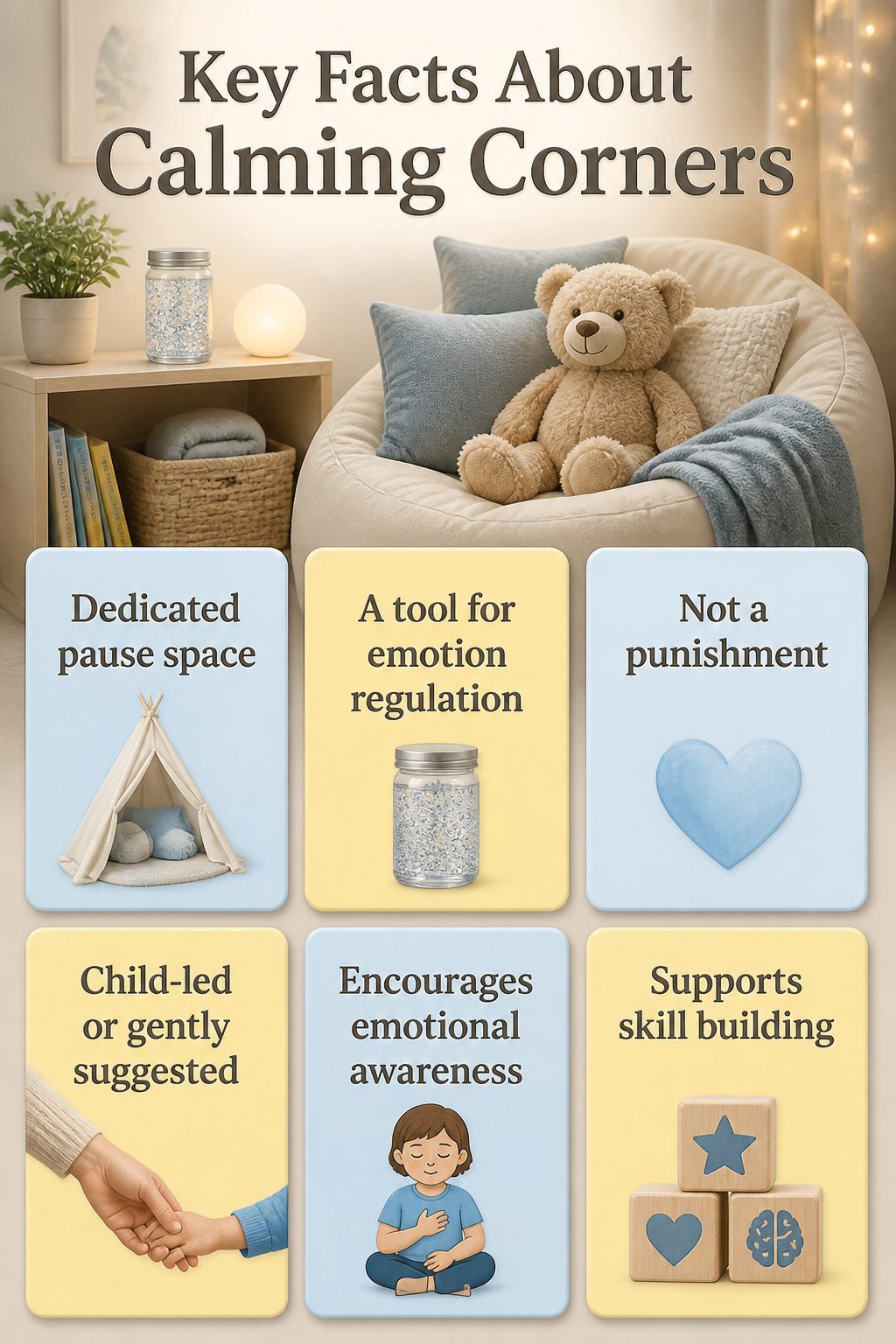
A calming corner is simply a small, dedicated spot where a child can step away to pause and reset when emotions run high. It is not a timeout or a punishment. The child chooses to go there, or an adult gently suggests it, and the space itself does the first part of the calming.
What convinced us, reading through how teachers and pediatricians describe these corners, is that the real work happens after the tears stop. A child sits with a stuffed animal or watches a glitter jar settle, and in that quiet they start to name what they felt. That naming is the skill. WebMD puts it plainly:
Calm-down corners allow kids to be aware of their own emotions. Kids learn how to identify their emotions so they can better regulate them.
For you, this means the corner is not decoration. It is practice space for a child who will eventually use those same skills at a birthday party, in a classroom, at bedtime. The corner does not fix the moment. It builds the next one.

RAIN MAKER SENSORY TOY: Bring soothing rain sounds into calm down time with sensory tubes that invite kids to listen, breathe, and focus as they explore a peaceful drizzle, a steady shower, and a gentle storm, supporting mindfulness.

ULTIMATE DIY SNOW GLOBES FOR KIDS:kipipol make your own water globe kit has everything your kid needs to create 4 unique water globes for kids: come with 5 x figurines, 20 x soft clay packs (10g each), 3 x glitter bottles, 5 x modeling clay tools for kids, snowballs, glue, and a detailed instruction book. This set makes perfect arts and crafts for kids 4-6!

3.4 Inches Tall x 2.82 Inches Base Length 8.6 cm Tall x 7.2 cm Base Length
What We Stocked and What Got Ignored
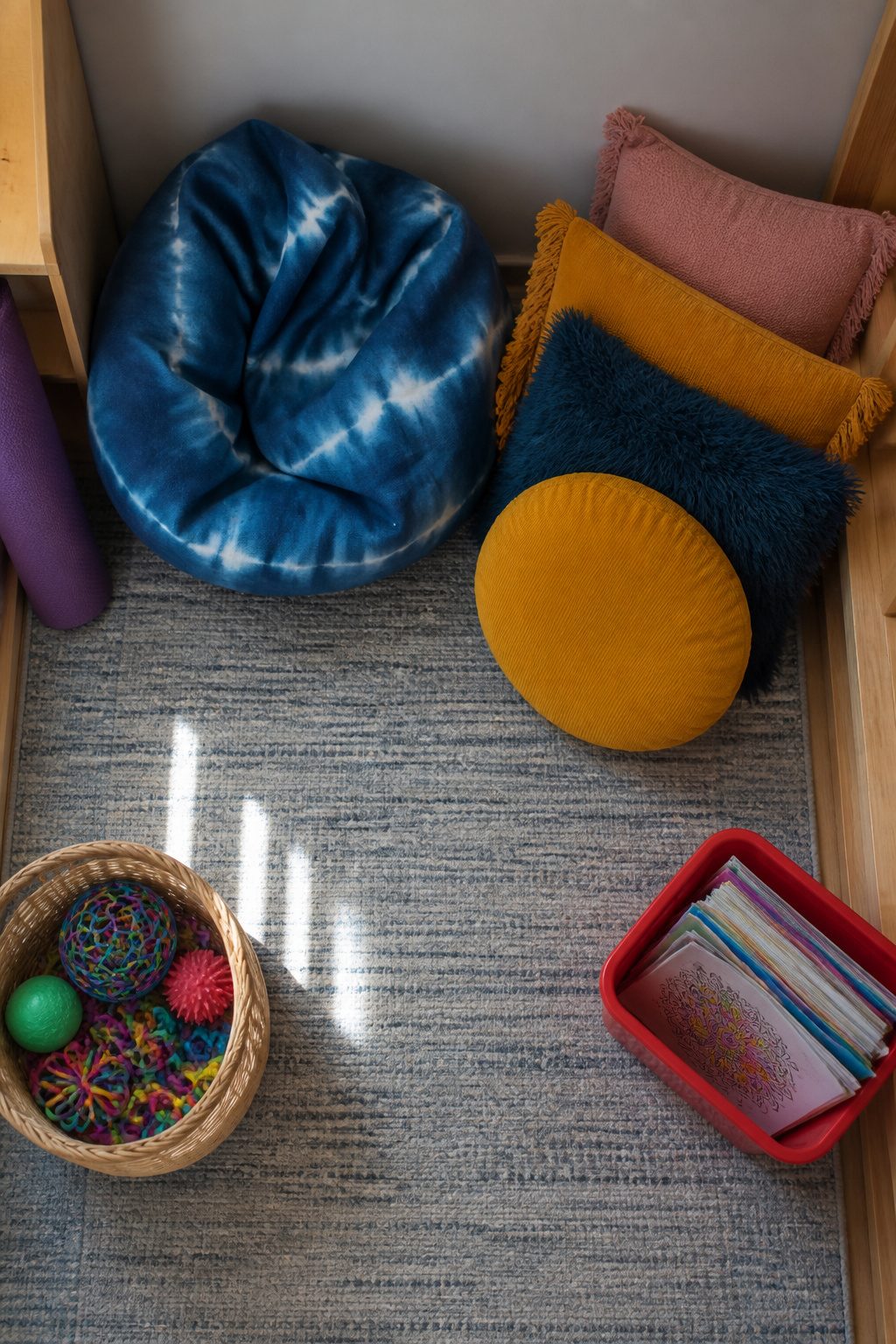
We started with the full checklist everyone recommends and watched what happened. The bean bag chair and floor cushions get used daily; the yoga mat stayed rolled in the corner for three months. The stress balls and fidget toys disappeared into pockets. The glitter jar worked for about two weeks, then the seal loosened and we never remade it. Visual timers, breathing posters, and emotion charts stayed on the walls and got pointed at regularly. Coloring books and crayons saw steady traffic, especially the baby animals pages. Books about feelings sat untouched until we swapped the full shelf for a basket with three titles; then they started rotating. Play-Doh dried out. Headphones with no music, just the dampening, became a favorite we did not expect. Lava lamp, bubbles, pinwheels: all sounded right, none got picked after day one.

Perfect Stocking Stuffers: Our Liquid motion tube doubles as a Sensory fidget , great stocking stuffers for kids with sensory interests, compact design fits stockings, delightful surprise for Christmas morning fun.

NO BATTERIES REQUIRED - Premium mechanical countdown timer for cooking, meetings, teaching, playing games, doing homework, and more! Completely mechanical—no batteries needed

DISCOVER THE MAGIC WITH YOYA TOYS LIQUID MOTION BUBBLER: Toys for Kids, Colorful, Calming, and Captivating. Enhance Visual Awareness and Tracking Skills. Relive the retro nostalgia of the 80s and 90s with our liquid motion bubbler toys. Share the joy with friends or pass down these cherished games to your kids as vintage stocking stuffers. It's a calming blast from the past that brings happiness to everyone!
Books That Actually Help
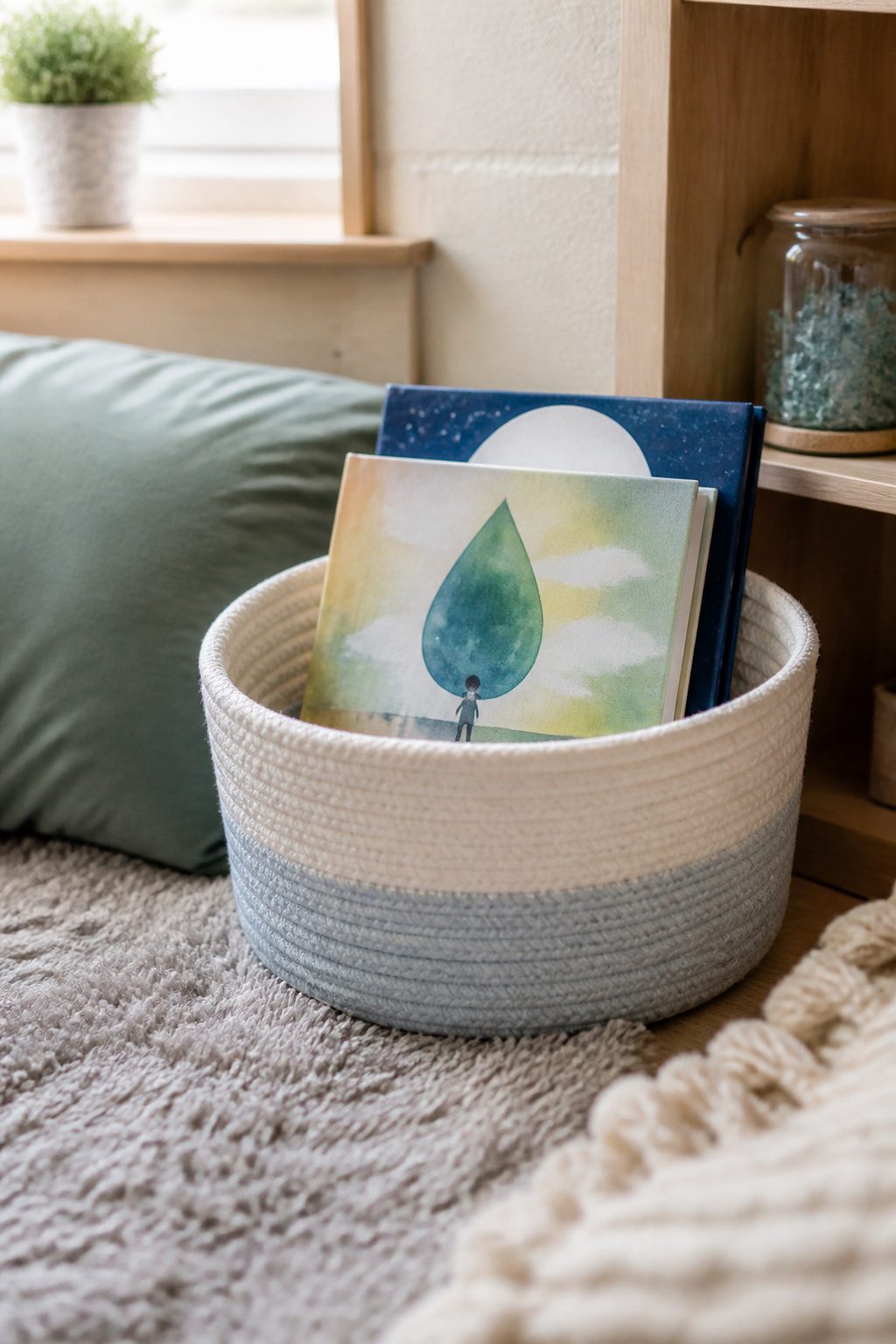
We keep two books in our calming corner, not a shelfful, because the point is to reach for one in the moment, not to browse. "When Sophie Gets Angry — Really, Really Angry…" by Molly Bang works for the younger set, maybe four to seven, and it gets straight to what anger actually feels like in a body: heat, noise, the urge to break something. Sophie runs, cries, climbs a tree, and eventually the wave passes. Kids recognize it. We have watched a child pick it up mid-meltdown, flip to the tree page, and sit with it until breathing slowed.
For slightly older kids, six to ten or so, "I Can Do Hard Things" by Gabi Garcia lands differently. It names the small daily struggles, not the big dramatic ones, and gives language for self-talk that is kind instead of panicked. Where Bang’s book ends with Sophie returning to her family, Garcia’s stays inside the child’s own head, which suits a corner meant for solo regrouping.
Both titles fit a small bin or caddy better than a bookcase. A book on a shelf is part of the room’s furniture; a book you can grab while curled on a floor cushion is part of the routine. We tried stacking them face-out on a low ledge, but they slid, got stepped on, became clutter. A slim bin, labeled if you like, keeps the spine visible and the pages intact. The rest of the classroom or home library stays where it is. These two come out only for this space, which makes them signal something: the corner is for working through something hard, and these books are tools for that, not general entertainment.

Weighted Lap Pads for Kids: The weight of the lap pad will give the child a sense of security. When the child is upset, help the child reduce stress, feel relaxed and increase focus!

Evenly Distributed Weight Across The Lap - The gel fill in this lap pad spreads weight evenly rather than concentrating it in one spot, for an even feel without bunching during seated playing, reading, or quiet time

HELPS KIDS RELAX AND FOCUS: The weighted lap pad for kids offers a gentle and calming deep touch pressure input that helps improve focus and promote relaxation for children with sensory issues
Age Adaptations That Matter
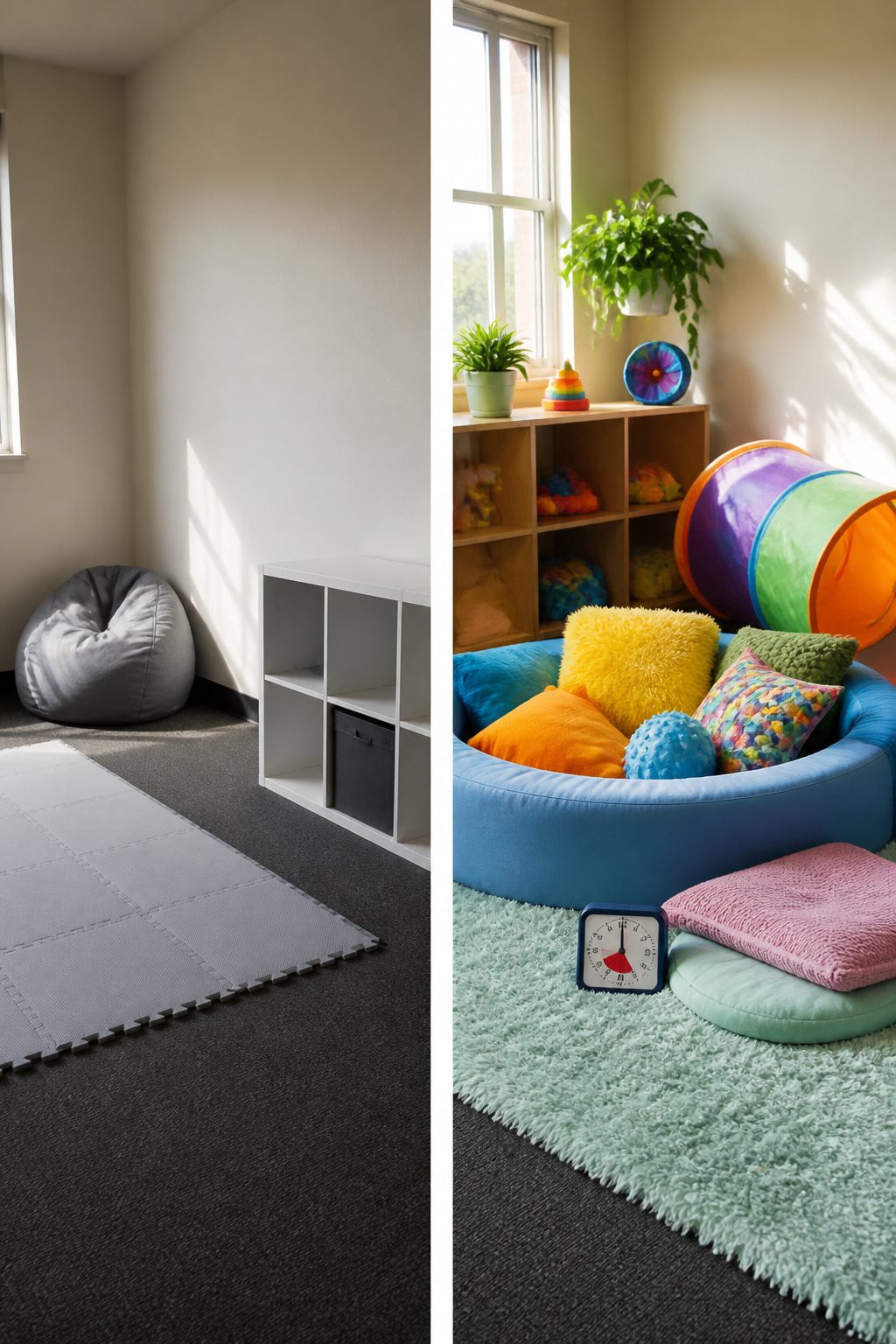
A three-year-old needs sensory input they can bite, squeeze, and crawl through, not a breathing chart they cannot read. At that age we keep the corner low to the floor with a crash pad, a sealed pouch of water beads, and a stretchy lycra tunnel they can push against. The tools are all mouth-safe and wipeable, because exploration still goes through the hands and the mouth.
By six the same child can use a visual timer and a simple feelings card, but the sensory base stays. We keep the tunnel and add a weighted lap pad and a bottle they can turn over to watch glitter settle. The difference is not replacement; it is layering in self-regulation they can now handle.
At nine the corner shifts again. The crash pad stays, but we add a journal, noise-canceling headphones, and a hand grip exerciser. The child now wants privacy from younger siblings, so we angle the space toward a wall or use a trifold board to create a partial enclosure. What drops away is the mouthing-safe requirement; what stays is the tactile anchor that still works when words fail.

What You Get: this package includes 24 student desk privacy cardboard boards, providing sufficient testing dividers for classroom settings; The variety in colors allows for easy personalization and replacement, meeting all the demands of a structured and organized educational environment

Package Includes: 24 privacy boards for students in one set, with a simple design, suitable for your daily use and replacements

24-Piece Set for Full-Class Focus: Includes 24 white privacy folders for students, providing classroom desk dividers for tests, quizzes and independent assignments; Separate work areas reduce side distractions and help keep the class organized
Frequently Asked Questions
What is a calming corner?
A calming corner is a small, dedicated spot where a child can step away to pause and reset when emotions run high. It is not a timeout or punishment; the child chooses to go there, and the space itself does the first part of the calming. The real work happens after the tears stop, when the child starts to name what they felt.
How do I set up a calming corner?
Choose a spot close to where tantrums usually start, since proximity beats square footage every time. Add soft seating like a bean bag or floor cushions, keep colors muted rather than bright, and use a low partition to create a sense of retreat. Set ground rules with the child’s help, and stock tools that cost under $15 each.
What items should I include in a calming corner?
Start with soft seating, then add sensory tools: stress balls, fidget toys, a calming jar made from glue water and glitter, coloring books and crayons, breathing exercise visuals, and a visual timer. Skip screens entirely; a lava lamp or snow globe gives visual focus without the alert that comes from electronics.
How should I introduce the calming corner to my child?
Explain that the child decides when and how to use it; independence is the whole point. For younger kids, spend five to ten minutes daily on cuddle time or breathing practice to build the habit before crisis hits. For older children, name what is happening and suggest the corner when you see frustration rising. Visit the space yourself when stressed so it feels like a normal family tool, not a destination for the one child who struggles.