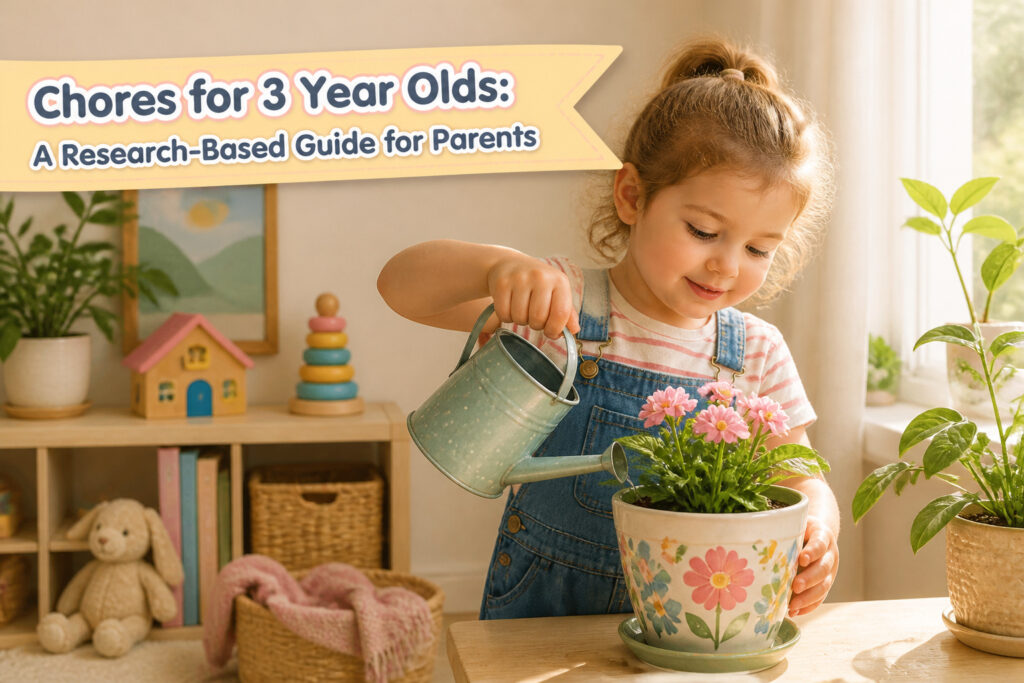
Chores for three-year-olds are daily household tasks sized to a preschooler’s body and attention span, but the real work is not the chore itself. It is teaching the habit before the child even realizes they are learning one. A half-pint watering can, metal with a long spout, is heavy enough that a toddler feels how much she pours without drowning the plant. That small scale is what makes the job stick.
[link-whisper-related-posts]Water Houseplants
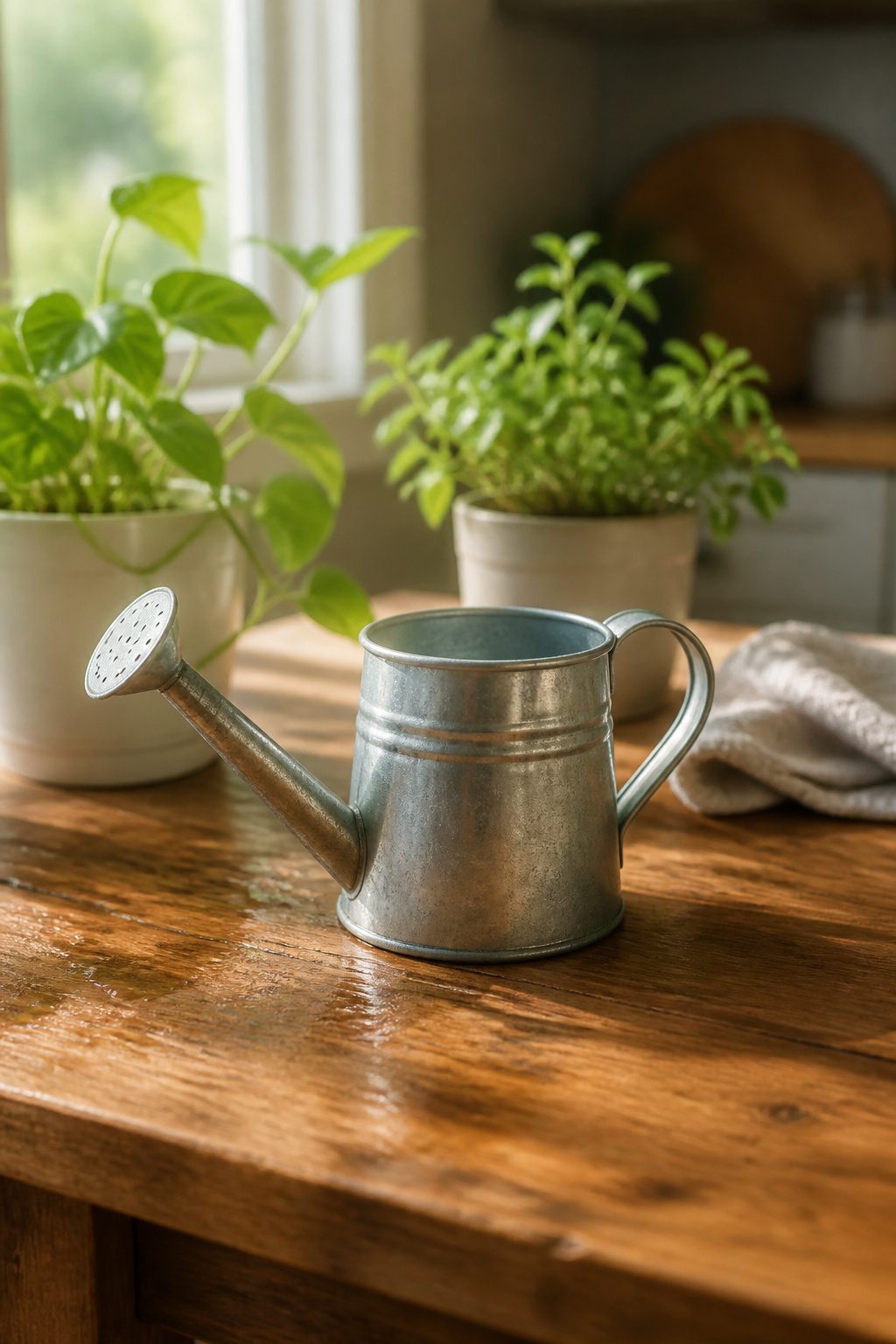
A three-year-old can manage a half-pint watering can without drenching the floor, and that small scale is what makes the job stick. We started our daughter with one from the kitchen aisle, metal with a long spout she could aim between leaves. She waters two plants on the windowsill every morning after breakfast, and the routine itself does more than the water: she checks soil dampness with a finger first, carries the can back to the sink, and wipes drips with the rag we keep nearby. The responsibility is real because the plant droops if she skips a day, which happened once. We let her see it, then watched it perk after she caught up. A plastic can works too, but the weight of metal gives her better feel for how much she is pouring, and the narrow spout keeps her from flooding the pot. Keep a towel under the can when she fills it; she will miss the faucet at first.

Colorful child-sized watering can featuring Sunny Patch’s Giddy Buggy character

Colorful child-sized watering can shaped like Sunny Patch’s Camo Chameleon

Help your child developed a green thumb with this Watering Can from Hape
Help Set the Table
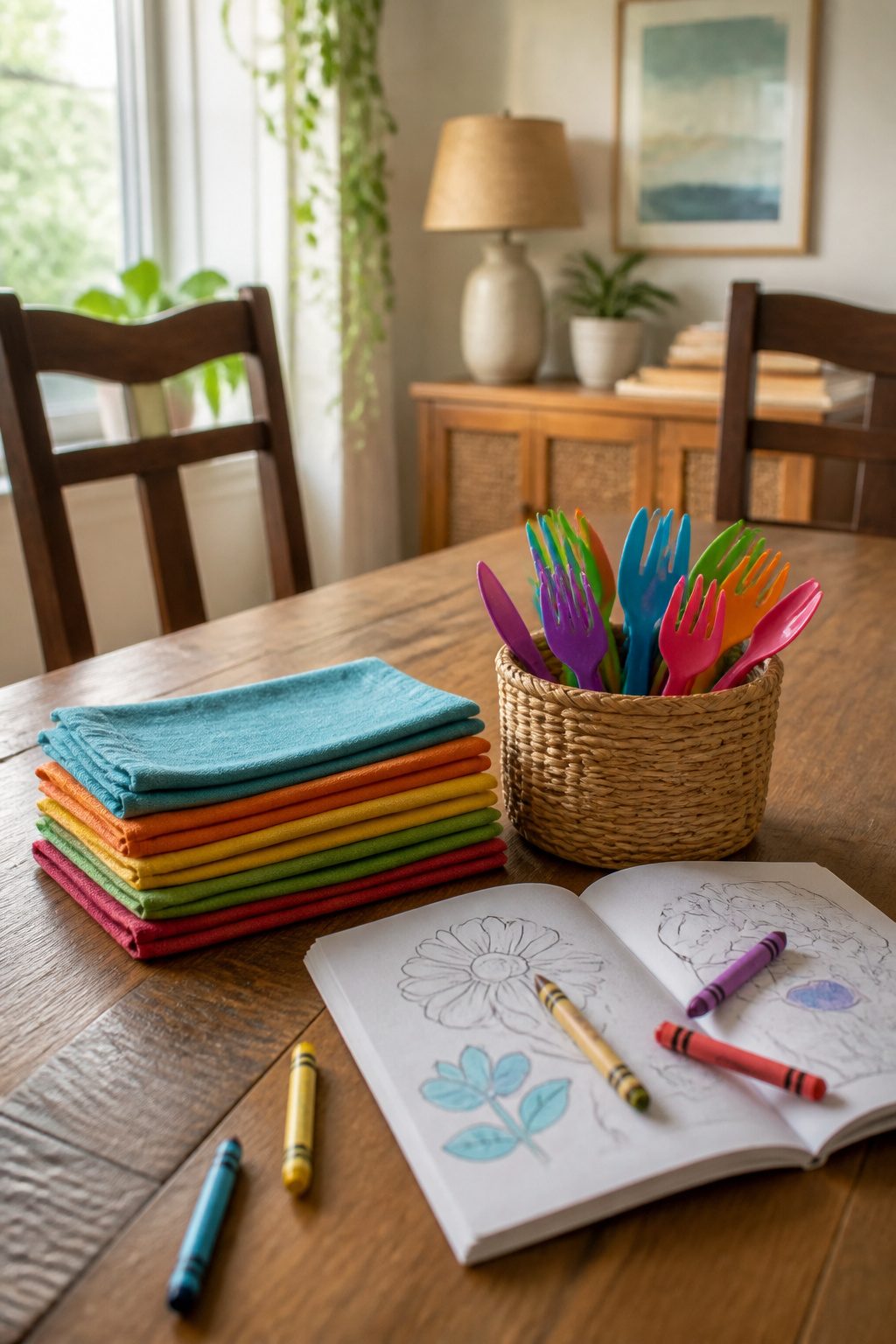
Setting the table with napkins and unbreakable utensils is where we usually start, and the research lines up: six separate child-development guides list this as a first chore for three-year-olds. We hand ours a stack of cloth napkins and a basket of plastic forks and spoons, nothing glass or ceramic, and they carry each item to the table one at a time. It takes longer than doing it yourself. The napkins end up crooked, the spoons sometimes land bowl-down. That is the point. At three, the goal is not a perfect table setting; it is the habit of carrying something to a shared space and stopping when the job is done. We keep a small step stool near the cabinet so they can reach the napkin drawer without asking for help, and we limit it to two items per meal until the routine sticks. If you start with napkins only and add utensils after a week or two, the success rate goes up without much extra effort on your end.

✔ HIGH-QUALLTY FINISH: Made of rust-proof stainless steel, the watering can is protected from wear and rust, lasting for indoor and outdoor use.

[HIGH-QUALITY STAINLESS STEEL: This watering can is made of stainless steel. After many polishing surfaces, the smooth texture can resist daily scratches, corrosion and is not easy to rust. The curved handle with no sharp edges makes it easy and comfortable to carry around one-handed even full. The welds around the bottom of the spout and around the two points where the handle connects to the body are attached well to prevent it from leaking.

304 Stainless Steel: Made from 304 stainless steel, this watering can is designed to withstand rust and corrosion in damp indoor environments.
Pick Up Toys and Books
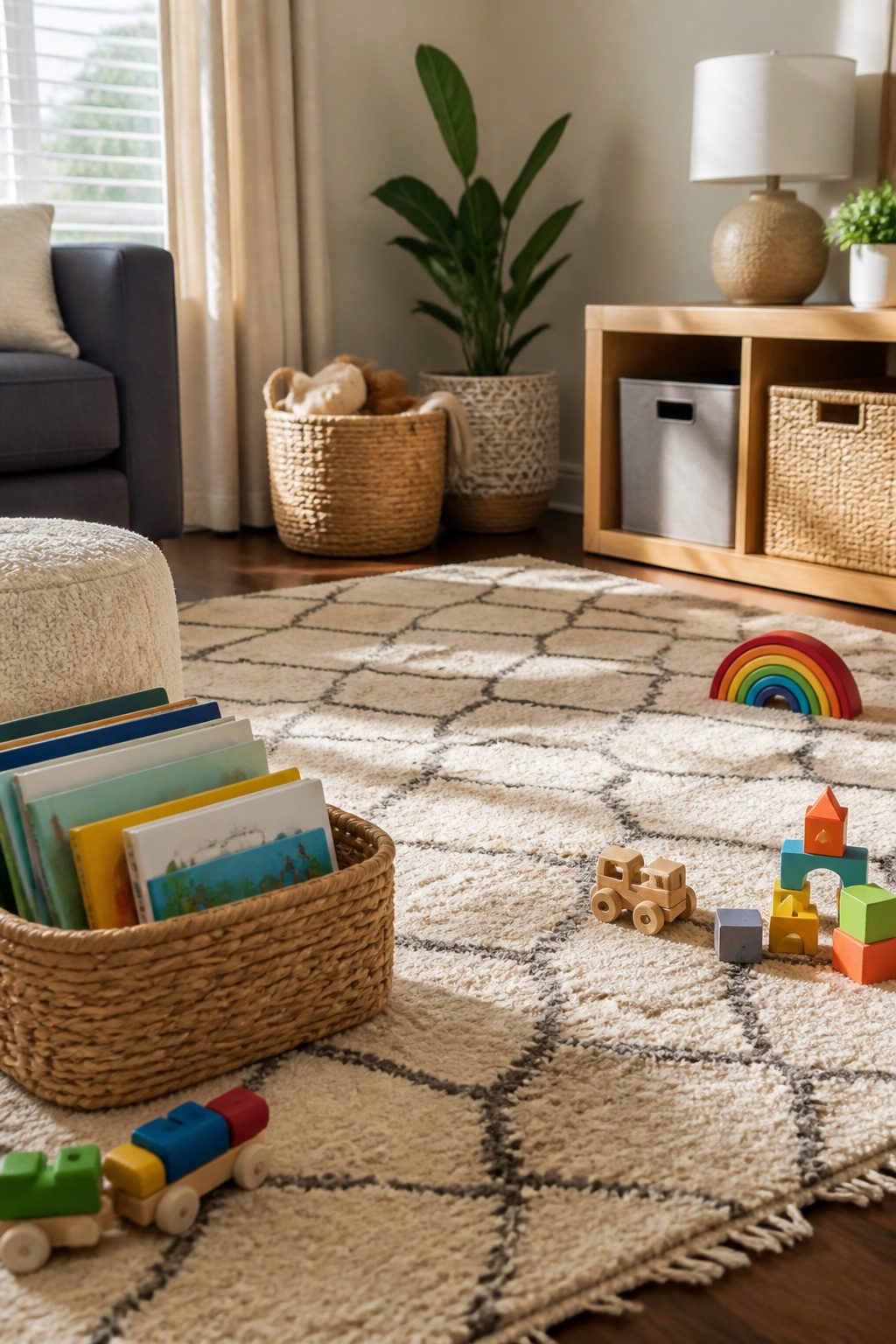
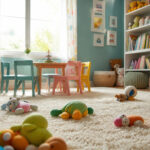
Picking up toys and books is the single most common chore recommended for three-year-olds, appearing in eight separate guides we reviewed. That frequency alone tells you something: it is the natural starting point, not because it is easy but because it is teachable.
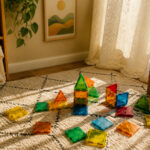
The real work is not the lifting. It is learning that every object has a designated spot and that putting it there is what "done" looks like. We have watched this go wrong when the bin is too full or the shelf is too high; the child dumps everything in a pile and calls it finished. A low basket for picture books and a shallow tub for blocks, both within arm reach, fixes that. The child sees the empty floor and understands the connection.
Some parents turn it into a game, sorting by color or calling out shapes. That works until it does not; we have also seen a three-year-old refuse outright, and the advice that held up was to proceed without them, calmly, until curiosity wins out. The habit forms either way, but it forms faster when the spot for each thing stays the same every single day.

Elevate your dining experience with this set of 10 premium cotton napkins, providing versatility and style for various occasions, whether it's a casual family meal or a formal dinner party.

SET OF 12 CLASSY & SOLID DESIGN NAPKINS: This pack of 12 luxury, hotel-quality dinner napkins is ideal for business settings and wedding receptions. Each napkin features hemmed edges and seamless construction. Their sleek design complements any tableware and décor,

Put Dirty Clothes in the Hamper
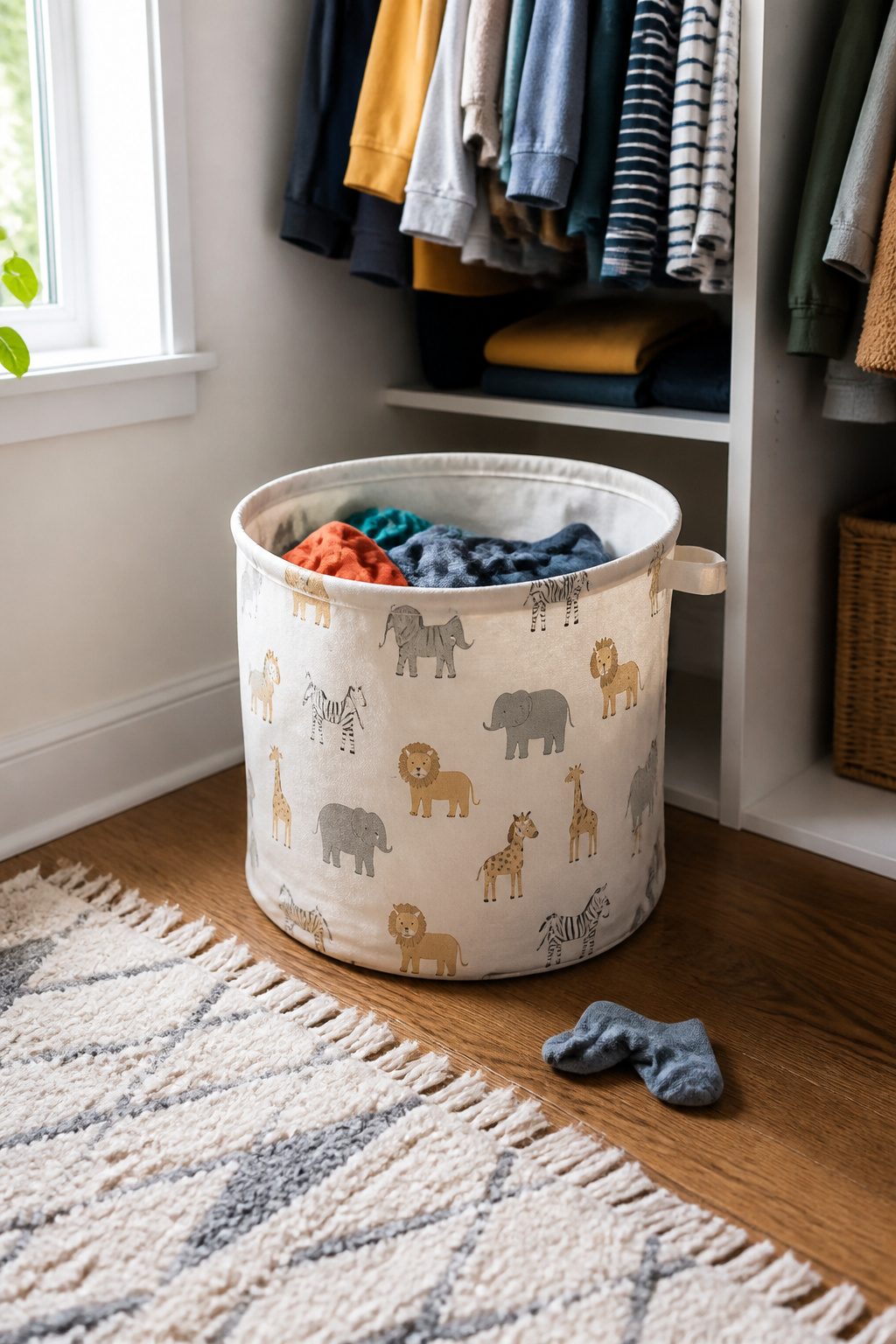
We started with laundry for our own three-year-old after watching him drag a clean shirt into a mud puddle and then look at us like we had hidden the consequences. The fix was simpler than the lecture we almost gave. We moved his hamper to the floor of his closet, lid off, opening facing the room. At three, a hamper they can reach into beats a tall basket with a lid every time; the lid becomes one more step they skip, and the height turns the task into a request for help.
The routine matters more than the reminder. Sources consistently pair this chore with a specific moment: clothes come off at bedtime or after a bath, and they go straight in. We kept a small bin in the bathroom too, since that is where most of the dirty clothes actually came off. The bedroom hamper caught pajamas; the bathroom bin caught everything else. Both emptied into the main laundry on Saturday, which he helped with by pushing the pile off the bed.
Expect to repeat the prompt for months. A three-year-old who puts one shirt in the hamper and drops the socks two feet away is not being defiant; they are being three. We found it worked better to hand him one item at a time, name it, and point. "Shirt. Hamper." The second sock still missed sometimes. The habit still stuck by four.

Generous Set: Each pack contains 6 kids Forks, measuring 6.2" x 0.98", and 6 kids spoons, measuring 6.2" x 1.29", to ensure you have plenty on hand for every meal. Each perfectly sized for little hands, and with this set you won't have to constantly wash dishes throughout the day. Just grab a clean one and go!

KIDS UTENSILS SET OF 18: The kids cutlery set includes 9 Toddler spoons and 9 toddler forks, 9 assorted colors, your children will be excited to have their own kids silverware set like adults, Specially Designed in Children’s Size, and at the same time Safe for your kid (Size 6” x 1”)

16 Pcs Kids Plastic Utensils Set Includes - 8 x Kids Forks, 8 x Kids Spoons, in multi bright colors, are great for kids or toddlers lunch, camping, traveling, bento box, home use or other outdoor activities.
Feed Pets with Supervision
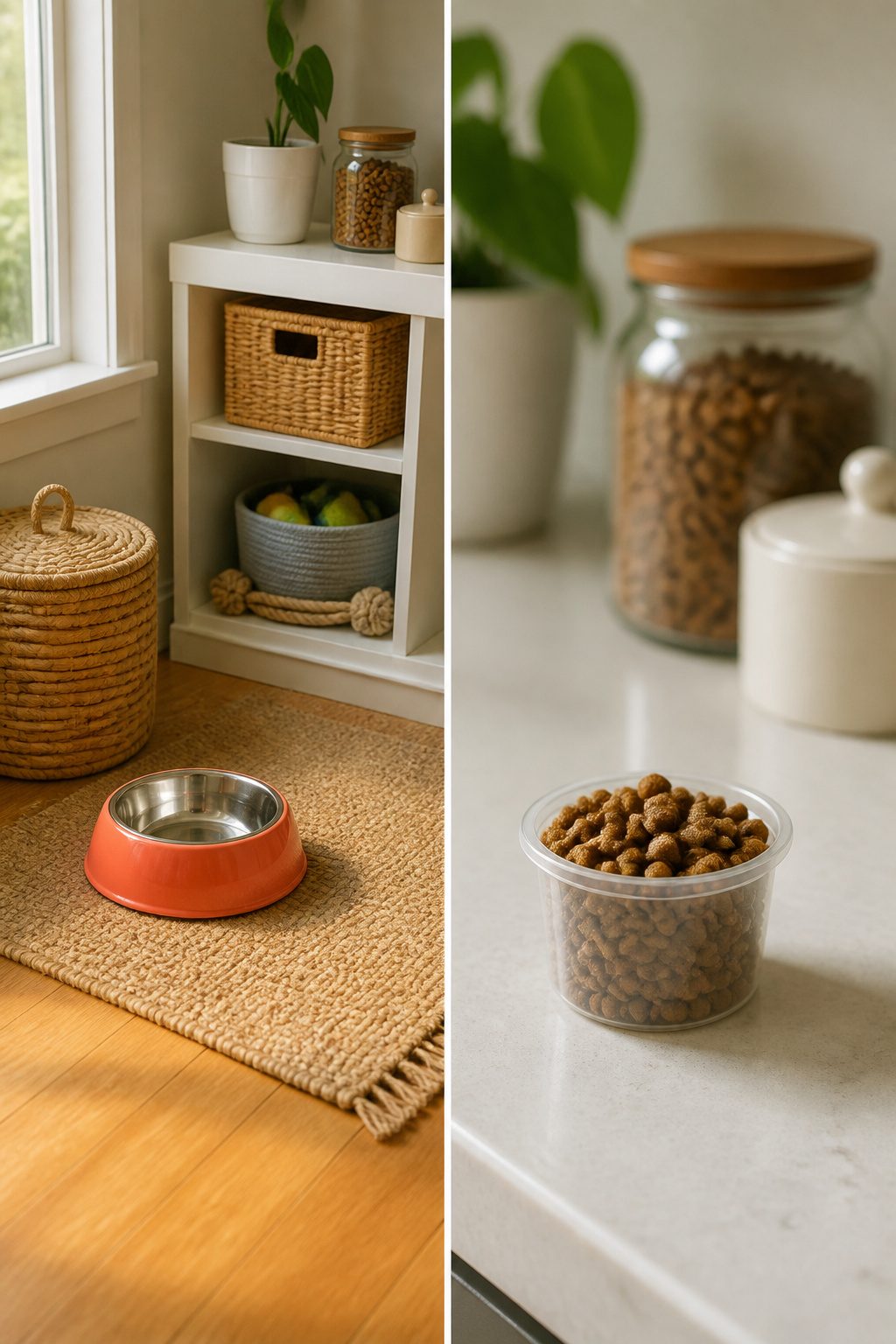
Feeding pets sits at that sweet spot where a three-year-old feels genuinely useful and you still control the outcome. We like this chore because it builds a daily rhythm: the same scoop, the same bowl, the same pleased animal. But supervision here means your hands stay on the process, not just in the room.
Pre-portioned food changes the game. A three-year-old can lift a measured cup and pour it into a dog bowl without guessing weights or opening a bin. We would not hand them the bag and hope; we would set the portion on the counter and let them carry it to the dish. That keeps the amount right and removes the temptation to keep pouring because the animal looks eager.
Watering works the same way. A small watering can they can actually lift, filled to a line you marked, lets them top off the bowl without flooding the floor. You are there to steady the can if it tips and to show them when to stop.
The real risk is not the chore itself but what happens after. A toddler left alone with a pet at feeding time may try to take food back out, share their own snack, or climb into the cage. We stay close enough to touch, not to hover. The goal is a child who knows the steps and an adult who verifies them, every time, until the habit holds.

Material: Storage basket is made of polyester fabric and foam filling, Strong seams and side handles, make this storage bins are sturdy and easy to grab. Stand up great on their own even unfilled.
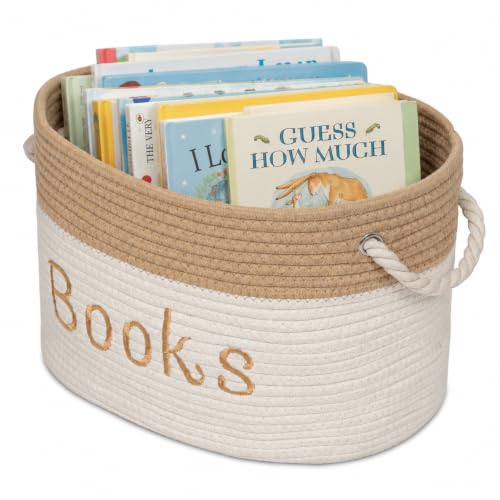
High Quality Embroidered Storage Bins. Great Fashionable Statement Piece.

1. SPACIOUS EVERYDAY ORGANIZER: The 16.5 x 12.2 x 6.7 inch rectangular design provides convenient space for clothing, towels, blankets, books, linens, accessories and household supplies without taking up unnecessary vertical shelf space
Dust Low Surfaces
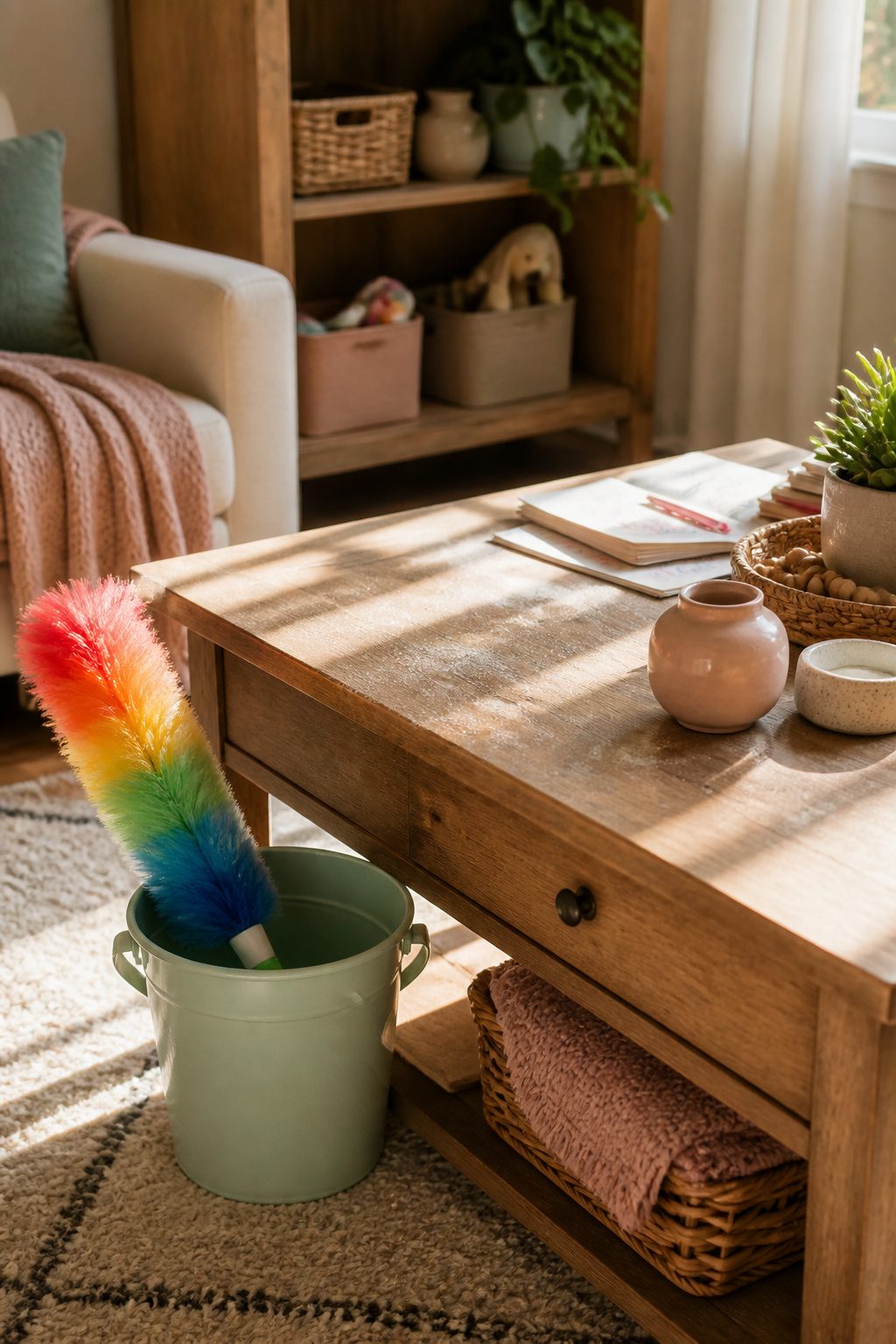
A three-year-old can handle dusting long before they can reach a windowsill. We keep a child-sized duster or a soft cloth in the cleaning bucket and point them toward the coffee table, the base of a bookshelf, or the legs of a chair. The tool matters more than the technique at this age. A duster that fits their grip keeps them from dragging a full-size rag on the floor, and a cloth lets them see the dust they moved, which is half the reward. We skip anything that needs a step stool. If they cannot plant both feet flat and still reach the surface, it is not a three-year-old job. The dusting itself is mostly circular scribbling with fabric, but that is enough to build the habit of finishing what they started. We follow behind only when company is coming; the rest of the week, a half-dusted table is a table they dusted.

CHILD-SIZED FOR LITTLE HANDS – Measuring just 3" D × 6.1" W × 4.3" H and holding 9.8 oz (290 ml) of water, this mini watering can is perfectly sized for young children. Lightweight and easy to carry, it fits neatly on Montessori practical life shelves and supports independent plant care activities.

Kid-size watering can from the Sunny Patch line
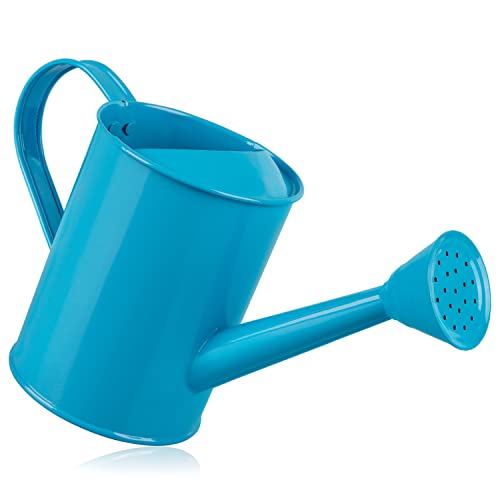
Easy Grip for Little Hands: The rounded handle and light 32 oz size let your toddler water plants without strain; a great kids watering can for indoor pots, garden beds or playful backyard moments
Help with Meal Prep
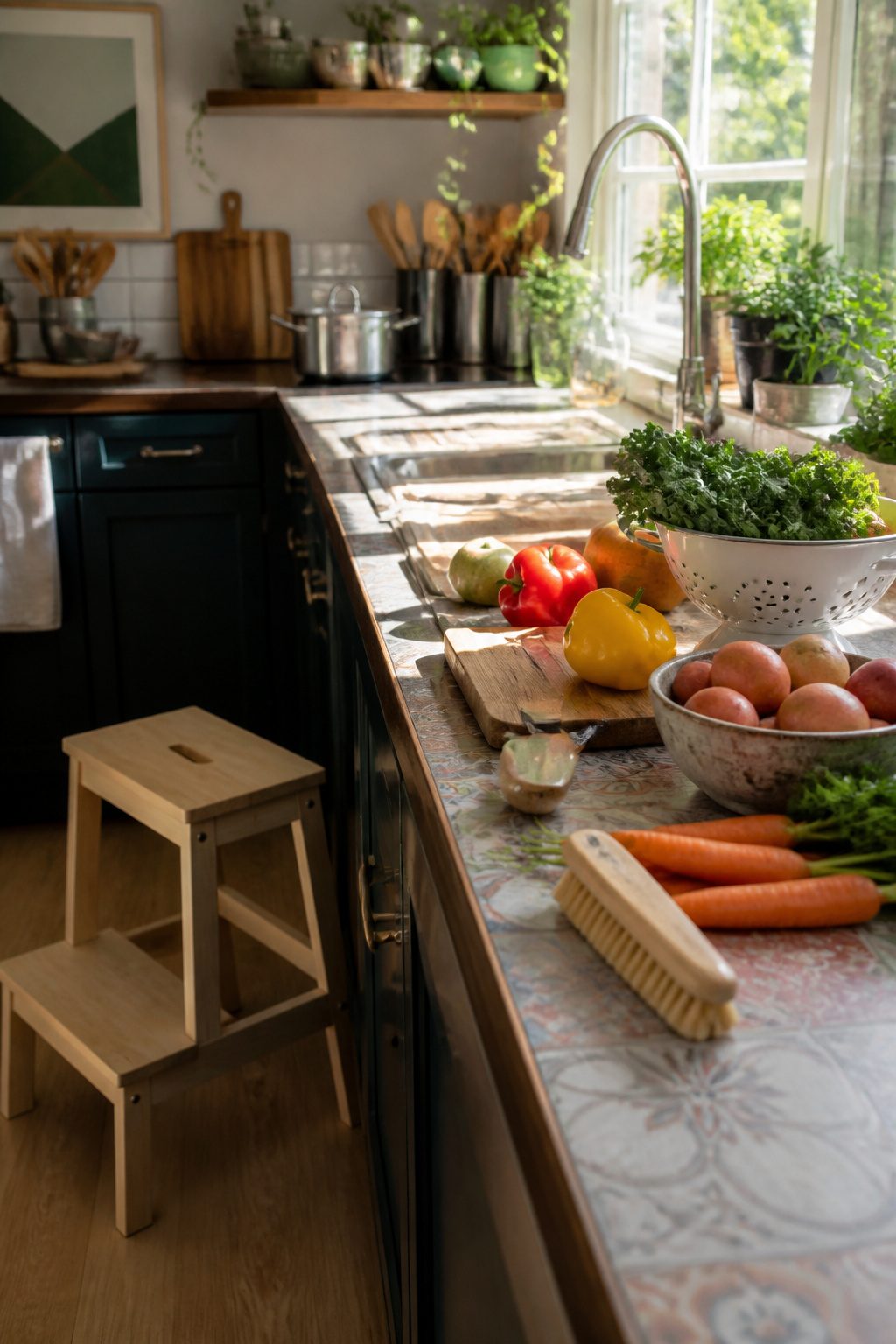
A three-year-old at the sink with a vegetable brush is more capable than most of us expect. We started our own kids on washing vegetables and peeling soft fruit around this age, and the work is real enough that they notice they helped. A child-sized peeler or a blunt butter knife handles cucumbers and bananas safely; the adult job is standing close and accepting that some rind lands on the floor. The payoff is not the peeled carrot itself. It is the habit of staying in the kitchen through the boring parts of cooking, so the child sees meals as something built rather than something that appears. Keep a step stool at a fixed spot so the routine has a physical starting point, and limit the session to one or two items. A whole salad’s worth of prep is too long; a single pepper or a handful of cherry tomatoes is a finished task they can name at dinner.

✔ HIGH-QUALLTY FINISH: Made of rust-proof stainless steel, the watering can is protected from wear and rust, lasting for indoor and outdoor use.

This is a cute little jug for gardening.

✅ PERFECT INDOOR WATERING CAN FOR HOUSE PLANTS:Designed for fuss-free care of house plants! Leak-proof spout targets soil without splashing furniture, while the compact size fits windowsills and shelves.
Sort Laundry
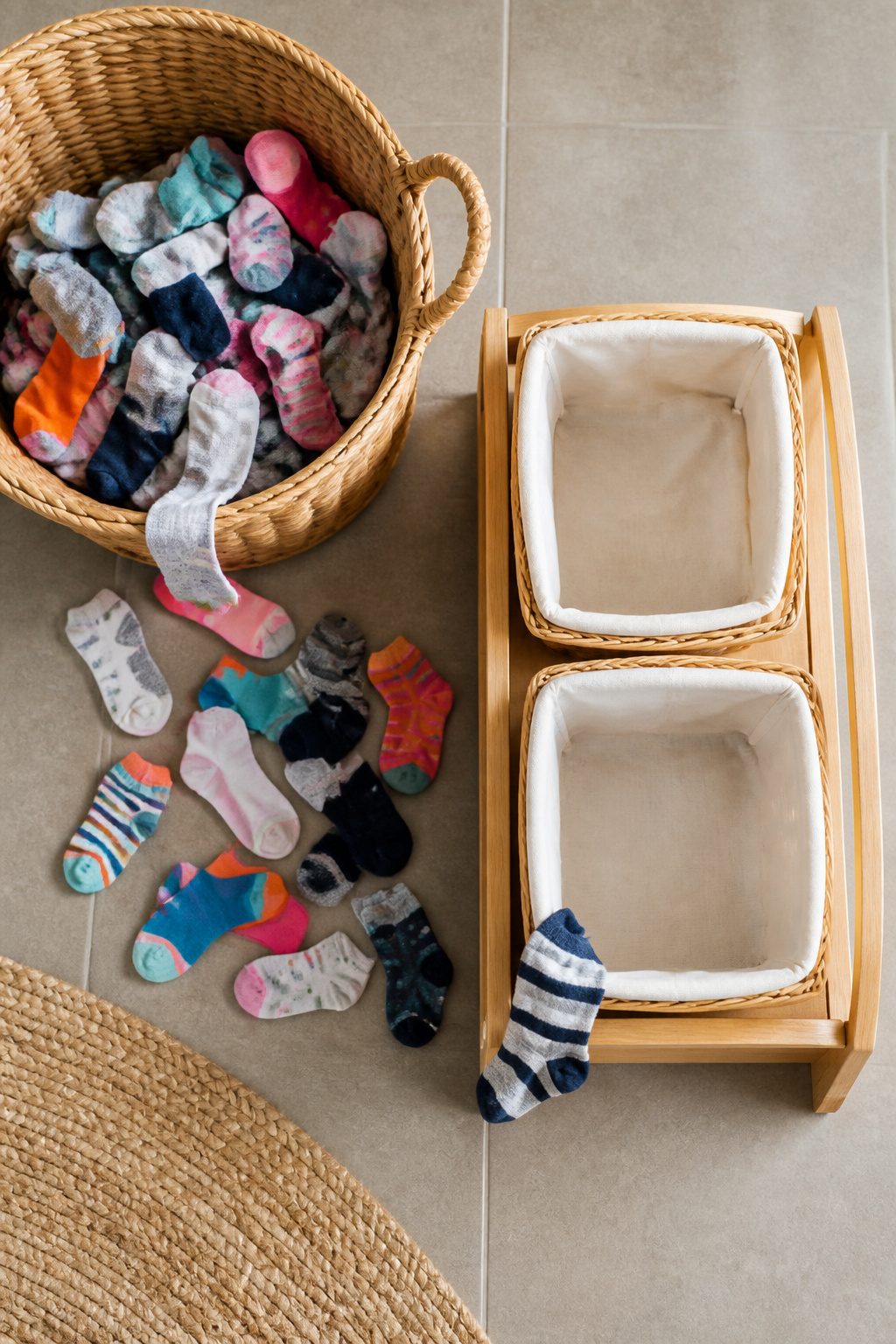
Matching socks and sorting laundry by color sits at the edge of what most three-year-olds can manage, so we treat it as a later step rather than a starting point. The sources that mention it at all frame it as a game, which tells us something about the attention span involved. Call it a "sock matching game" and keep the pile small, maybe four or five pairs, because a full laundry basket overwhelms them fast. We have watched kids this age get excited about finding the match, then lose interest halfway through and start wearing socks on their hands. That is normal. The color sorting comes easier, moving whites and darks into separate piles, though you will still find a red sock in the whites now and then. If your child is not ready for either, that is fine. Most chore lists for this age skip laundry entirely, and the ones that include it usually add it at two years old, which suggests it takes repetition to stick. Start with handing you wet clothes to move from washer to dryer, then build up.

SET OF 10 COLORFUL NAPKINS: Includes nine square fabric napkins featuring assorted floral prints and vibrant colors, adding a decorative touch to everyday meals, family dinners and special occasions.

Designed for Convenience: the package includes 24 beautifully designed napkins, adding charm and color to your festive celebrations; These Easter colorful cloth napkins have 4 different colors, 6 for each color; They are enough to meet your daily dinner or party decoration needs

Value Pack Contents: there are 36 solid color polyester cloth napkins in the package, and the size of each is about 17 x 17 inches/ 43 x 43 cm; The appropriate size and quantity are enough to meet your needs for use and replacement
Wipe Down Surfaces
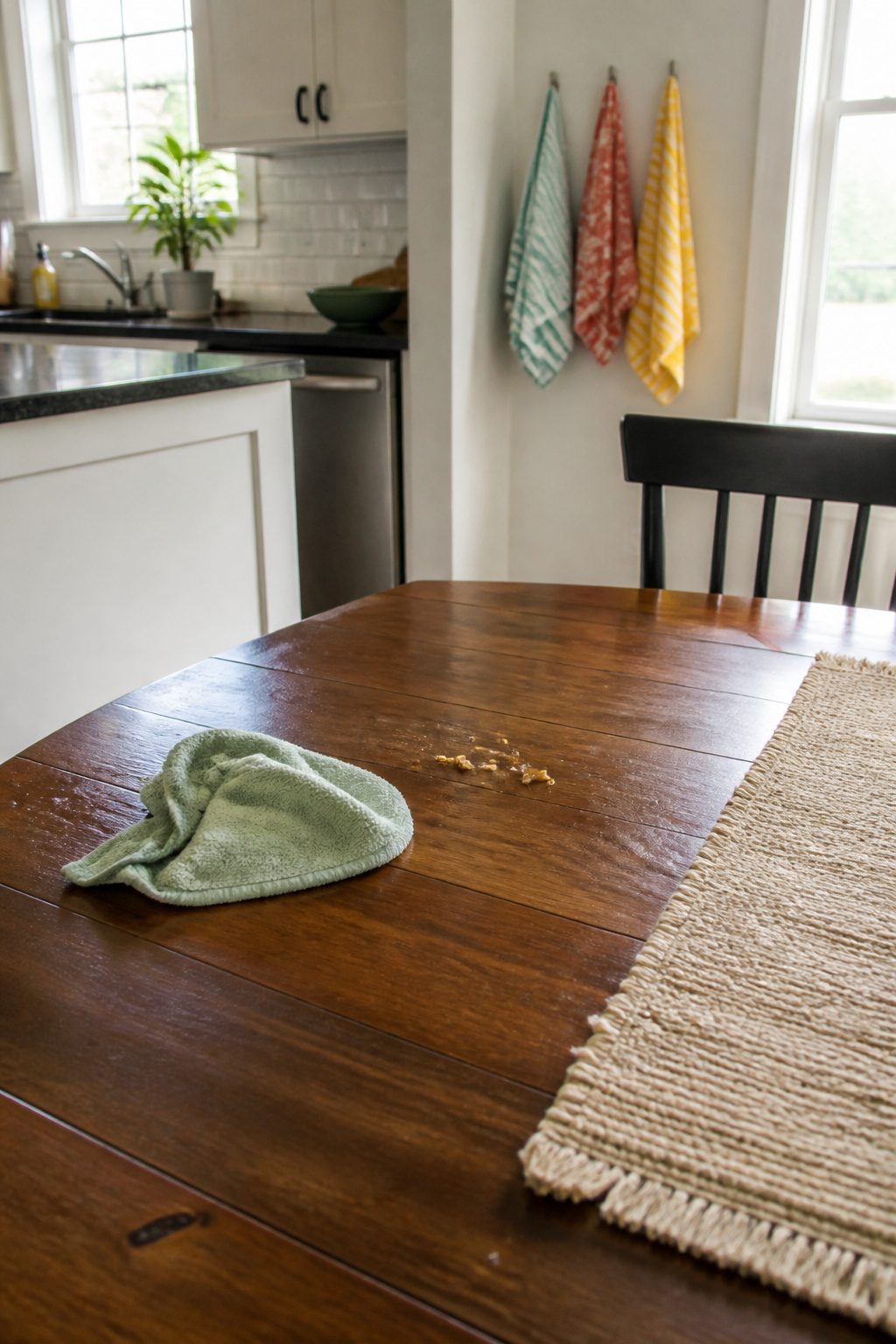
A damp cloth on a table is one of the first chores we hand to a three-year-old, and for good reason. The results are immediate: the crumbs disappear, the surface looks different, and the child can see exactly what they accomplished. That visible change matters more than we expected. We started our own kids with a wet washcloth after lunch, letting them wipe the chairs if they were too short to reach the table top. The work is simple enough that they finish before frustration sets in, which keeps the habit alive. Keep the cloth barely damp, not dripping, so the job feels like cleaning, not play. We learned that a sopping rag turns the task into a puddle experiment, and the lesson shifts from responsibility to water management. For motivation, the payoff is built in: a clean spot where a messy one sat thirty seconds before. No sticker chart required, though we have used those for attitude and first-time obedience on harder days.

VALUE PACK KIDS UTENSILS: The kids cutlery set includes 6 Toddler spoons and 6 toddler forks your children will be excited to have their own kids silverware set like adults, Specially Designed in Children’s Size, and at the same time Safety for your kid.

The Civilized Spork - A minimalist utensil with spoon and fork ends, the humangear GoBites Duo is perfect for travel, camping, work commute, kids, and more

Generous 12-Piece Kids Utensil Set – Includes 6 forks (6.2” x 0.98”) and 6 spoons (6.2” x 1.29”), perfectly sized for little hands. The ample quantity eliminates constant dishwashing—just grab a clean utensil for hassle-free, all-day mealtime convenience!
Help Empty the Dishwasher
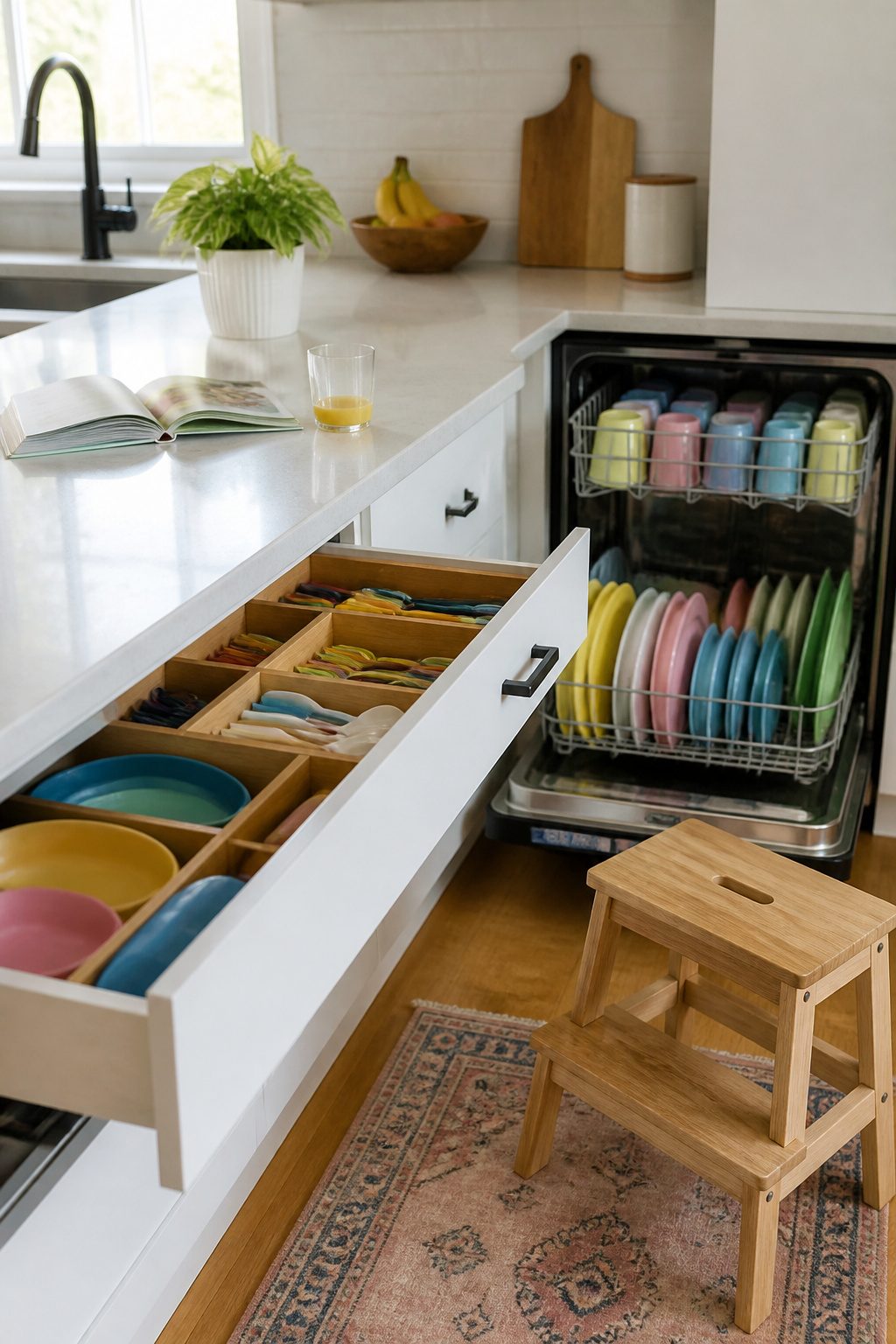
The dishwasher is one of the first machines a three-year-old can genuinely help operate, but the job needs a hard boundary. We hand them the plastic plates, the silverware baskets, the sippy cups. The adult handles anything that shatters. A dropped section of Tupperware is noise; a dropped wine glass is an emergency room trip, and a child that age cannot reliably tell the difference by weight or sheen.
Most three-year-olds can manage the silverware sort if your drawer is low enough for them to reach. Forks in the fork slot, spoons in the spoon slot; it is matching practice dressed up as a chore. The sources disagree on whether they should push the buttons to start the cycle. One line of thinking says only with non-toxic soap, which tells you the real concern: they will touch the detergent tab or pod while you are not looking. We keep that step for ourselves.
The load goes faster with two people anyway. You pull, they carry, you put away the breakables above the counter while they work the lower zone. Fifteen minutes, and they have done something that reads as real work to them. That is the point at this age: not efficiency, but the feeling of being necessary to a machine the family actually uses.

Suitable Storage Bin : The basket for organizing -13.5 x 11 x 9.5 inch- is decorated for shelf, closet, wardrobe and any table

SIZE:15(Length) x 9(Width)x 10(Height) inches. Attention:Please understand that there may be some difference between the size and the actual size ,not so precise.But it does not affect the purchase and use.

【Premium Natural Cotton Woven Material】Our rectangle rope woven baskets are crafted from high-quality natural cotton material. Featuring soft texture and rustic charm, these woven storage baskets bring warm decorative style to your home while effectively organizing daily sundries and reducing household clutter.
Why Chores Matter at Three
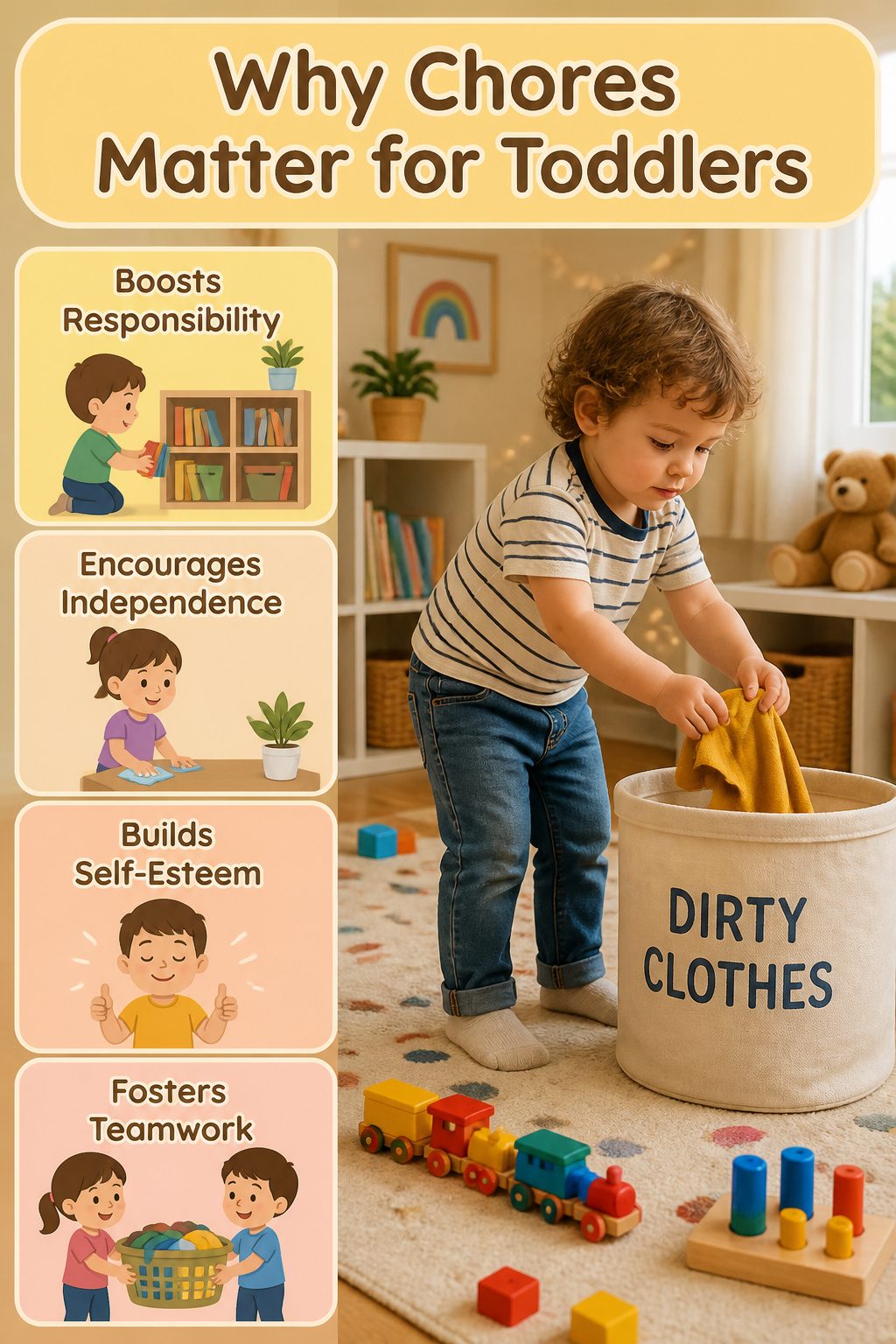
At three, a child is not too young to matter to the household. They are old enough to feel pride in finishing something real, and that is the point. When a toddler puts books on a shelf or drops clothes into a hamper, they get the same hit of accomplishment an adult gets from crossing off a list. The task does not need to be done well. What matters is that they did it, and that someone noticed.
The benefits stack together fast. Responsibility comes first: they learn that living somewhere means keeping it livable. Independence follows, because a three-year-old who wipes a counter alone starts believing they can handle the next thing too. Self-esteem gets its boost not from praise alone but from the concrete proof they can finish a job. Teamwork lands when they see their small chore as part of what keeps the day moving. The sense of accomplishment is the glue that makes them want to show up again tomorrow.
We have watched this play out with the three-year-olds who come through the store. The ones who already help at home approach new tasks with less hesitation. They do not wait to be told they are capable; they assume it. That is the habit you are building, not a clean floor.
How We Teach the Habit
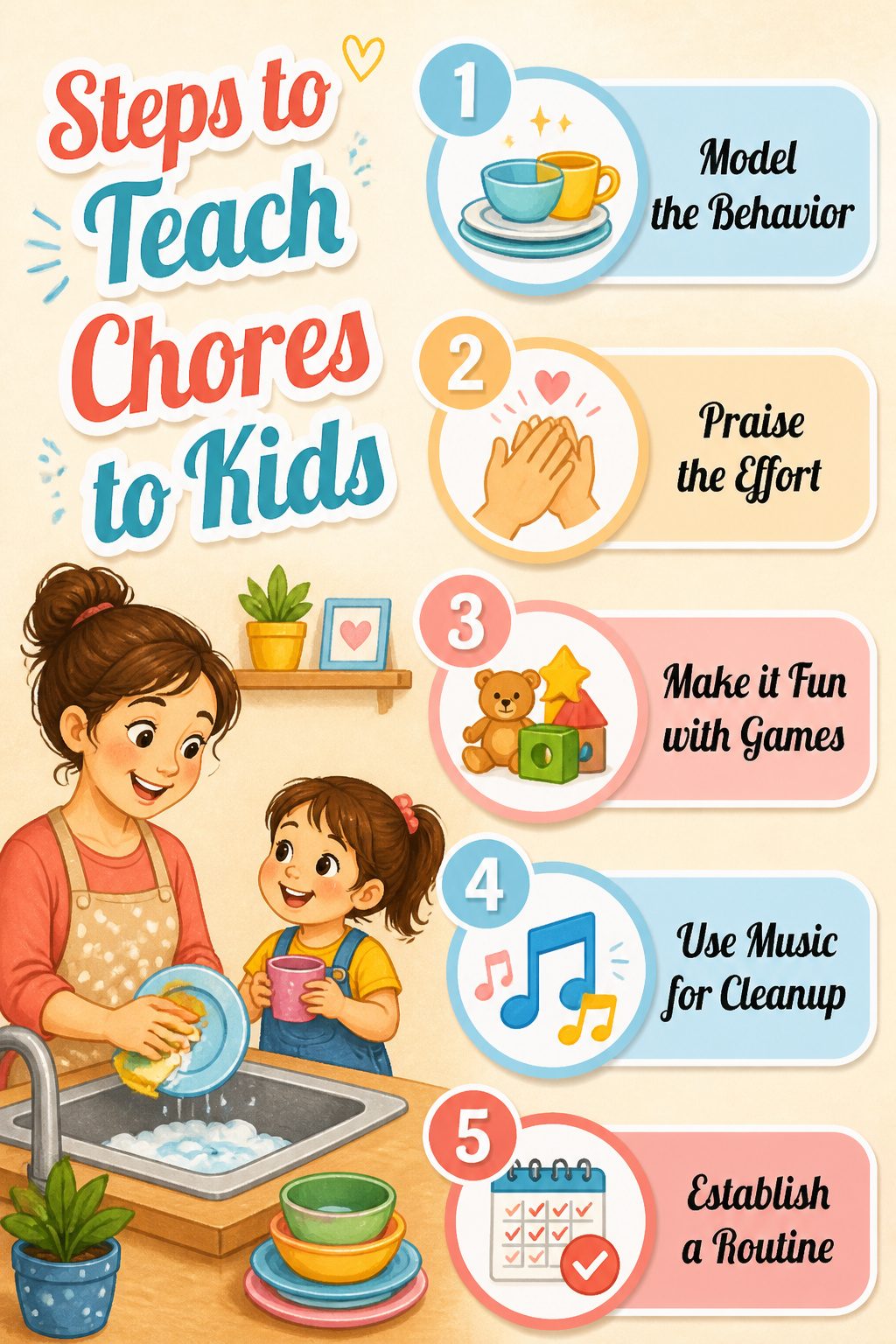
We learned early that a three-year-old copies what they see more than they follow what they hear. If one of us drops a dish in the sink after dinner, the other one usually does too, and pretty soon our daughter was trailing behind with her own plastic cup. That modeling only works if you actually do the thing, not just talk about it.
Praise the effort, not the result. A crooked pillow or a half-folded napkin still gets a real "thank you for helping," because the goal is the habit, not a perfect house. We watched another parent turn toy pickup into I Spy, calling out colors or shapes, and borrowed it the same week. It works about as well as direct instruction and causes fewer standoffs.
Music helps too. We put on the same two songs for cleanup, and now the opening notes alone send her toward the blocks. When she stalls, we start without her and let her decide to join. The four weeks of constant reminders feel long, but once the pattern locks in, she moves through it without negotiation.
Building the Routine
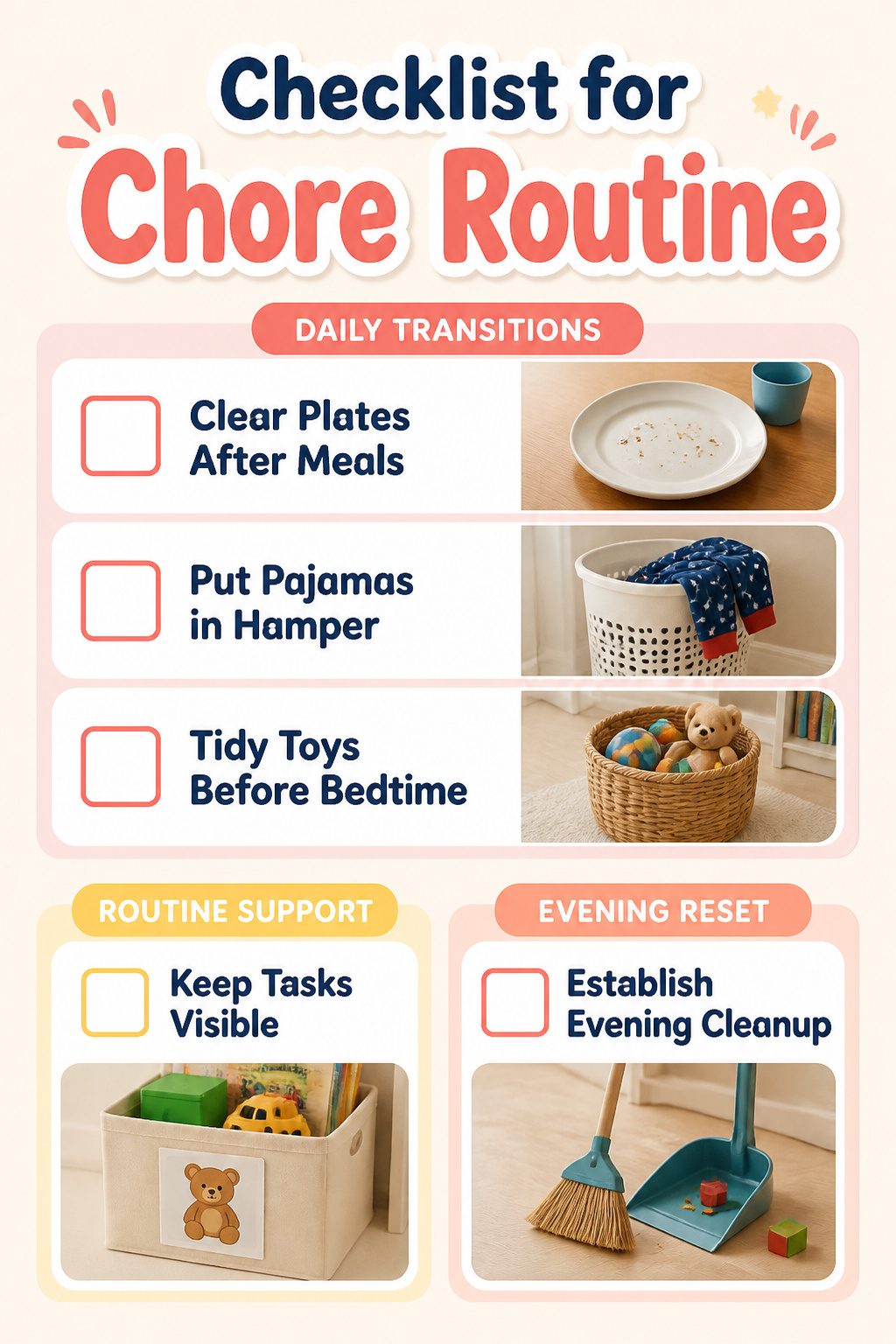
Three-year-olds do not remember a chore from Tuesday to Thursday. They remember it from breakfast to breakfast, so tie the task to something that already happens every day: clearing the plate after the meal, putting pajamas in the hamper after getting dressed, one toy basket before the bedtime story. The cue is the anchor, not the clock.
We tried the floating schedule first, fitting chores in when the afternoon looked open. That open hour rarely came, and when it did, our kid had already moved on to the next thing. The resistance was not defiance; it was interruption. Once we locked the small jobs to fixed transition points, the fight dropped off sharply. Same task, same moment, no negotiation.
The evening reset works the same way. Dinner ends, the plate goes to the sink, then the two-minute sweep of whatever is on the floor. It is not a big cleanup. It is a ritual that marks the day closing, and at three, that ritual is what they learn, not the chore itself. The chore becomes the ritual.
Keep the trigger visible. A picture label on the toy bin, the hamper right where they undress. At this age the prompt is part of the routine. Without it, you are the prompt, forever.
Frequently Asked Questions
What chores can a 3 year old do?
A three-year-old can water houseplants with a half-pint can, set the table with napkins and unbreakable utensils, pick up toys and books, put dirty clothes in a low hamper, feed pets with pre-portioned food and close supervision, dust low surfaces they can reach with both feet flat, wash vegetables or peel soft fruit, wipe tables with a damp cloth, help empty the dishwasher with plastic items only, and match a small pile of socks. Start with one or two items per task and keep the tools child-sized so they can finish without help.
How can I encourage my toddler to do chores?
Model the behavior yourself rather than just talking about it, since three-year-olds copy what they see more than they follow instructions. Praise the effort, not the result, so a crooked napkin still gets a real thank-you. Make it fun with music or games like I Spy during cleanup, and start the chore without them when they stall; curiosity usually wins out. Tie each task to a daily anchor like breakfast or bedtime so the routine sticks without negotiation.
Why are chores important for toddlers?
Chores give three-year-olds concrete proof they can finish a job, which builds self-esteem better than praise alone. They learn that living somewhere means keeping it livable, and they start believing they can handle the next thing too. The habit of showing up for a small, real task makes them approach new challenges with less hesitation; they do not wait to be told they are capable, they assume it.